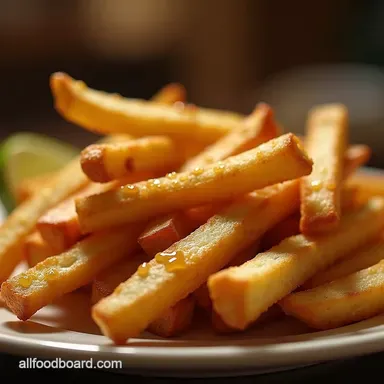
The Ultimate Homemade French Fries Doublefried Perfection
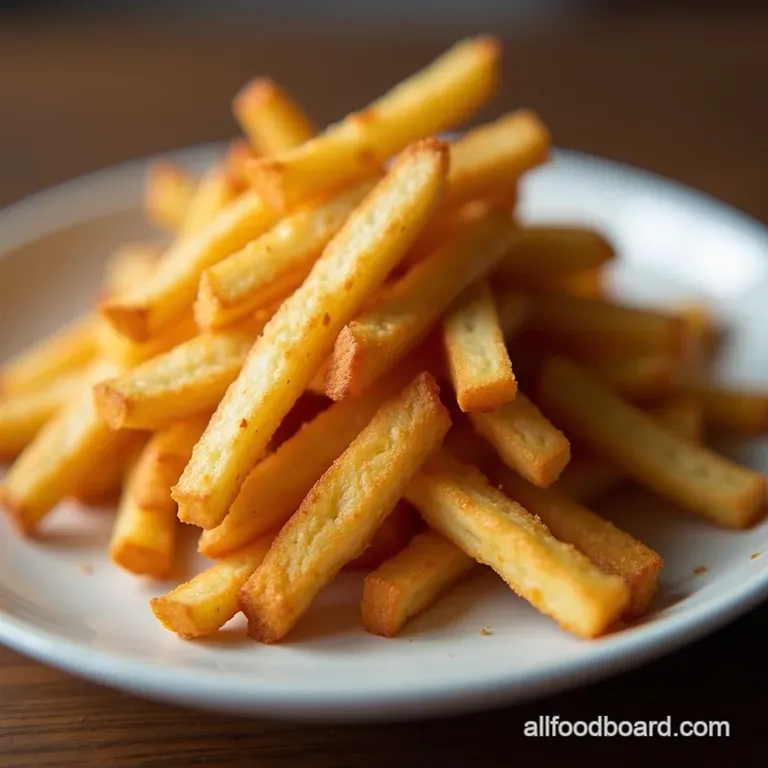
- Beyond the Takeaway: Unlocking True Chip Nirvana
- Sourcing Your Foundation: Selecting the Ideal Potato
- Precision Preparation: Cutting and Soaking for Success
- Phase One Cooking: Blanching for Internal Tenderness
- The Final Fry: Achieving That Iconic Golden Hue
- Elevating Your Serving Game: Sauces and Pairings
- Preserving the Crunch: Storing Leftover French Fries
- Recipe FAQs
- 📝 Recipe Card
Beyond the Takeaway: Unlocking True Chip Nirvana
There’s nothing quite like a truly magnificent French fry crisp, golden, and utterly addictive. This recipe focuses on the time honoured, double frying technique, which ensures the potato cooks through evenly before being flash fried to achieve that unbeatable crunch.
Rooted in tradition (though the precise origin is up for debate, bless their hearts), these fries promise a rich, satisfying flavour that pairs perfectly with everything from a simple steak to a pint of lukewarm ale.
The journey to achieving Perfect French Fries starts here, moving far beyond the pale, floppy imitations we often settle for. Making French fries at home is an act of dedication, transforming humble ingredients into something truly sublime.
Why the Double Fry Technique is Non-Negotiable for Crispy French Fries
The secret weapon to superior texture isn't a specific type of potato or an exotic oil; it’s the methodology. The double fry technique is the cornerstone of any great Crispy French Fries Recipe .
It addresses the fundamental challenge of cooking potatoes: achieving a fully cooked, fluffy interior while simultaneously developing a dry, shatteringly crisp exterior. If you try to do both in a single, high heat pass, you end up with exteriors that burn before the centre is soft.
Setting Expectations: Achieving Belgian Level Crispness at Home
To emulate the gold standard of chips, we need two distinct cooking environments. The first is a gentle bath to cook the starch and remove moisture from the interior, setting the stage. The second is a fierce blast of heat to caramelize the exterior sugars and create that signature golden crust.
This deliberate two-step process is essential for anyone serious about Homemade French Fries .
The Science Behind Fluffy Interiors and Shattering Exteriors
When you cook potatoes, the starch granules absorb water and swell. In the first, lower temperature fry (blanching), the starch gelatinizes, essentially cooking the inside of the potato until it is tender. Critically, this process drives moisture to the surface of the fry.
When you then plunge these blanched, slightly dry-surfaced fries into much hotter oil, the remaining surface moisture rapidly vaporizes, creating steam bubbles that push outward, resulting in a rigid, incredibly crisp shell.
A Culinary Slow Burn: Embracing Patience for Perfection
Making French fries at home requires a mindset shift. This is not fast food; it is an exercise in controlled patience. The resting period between the first fry and the second fry is non-negotiable.
During this time, the potato cools down, the internal structure sets, and the surface moisture evaporates further, preparing the way for the spectacular finish. Rushing this cooling stage guarantees a soggy result.
Sourcing Your Foundation: Selecting the Ideal Potato
The final texture of your chips hinges almost entirely on the raw material. We are looking for high starch content and low moisture content, which translates to a fluffy interior rather than a waxy, dense one.
This focus on the right starch profile is crucial when using Russet Potatoes French Fries .
Potato Varieties That Guarantee Starchy Success
For truly magnificent results, seek out potatoes specifically high in starch. In the US, the classic choice is the Russet Burbank. They are long, offer plenty of usable flesh, and possess the ideal internal makeup for deep frying.
If you are outside the US, look for Maris Piper or King Edward varieties, often lauded for their chip making prowess. The goal is to ensure your final product is light and airy, suitable even for those seeking Vegan gluten free French Fries (since potatoes are naturally compliant).
Oil Deep Dive: Choosing the Right Frying Medium
You need an oil with a high smoke point to withstand the high temperatures required for the second fry, preferably around 375° F ( 190° C).
Neutral flavoured oils like canola, vegetable, or peanut oil are excellent choices as they won't impart unwanted flavour profiles to your chips. Remember, you need enough oil to fully submerge the potatoes for even cooking don't skimp here, as overcrowding the pot with insufficient oil will cause the temperature to plummet, leading to oil absorption and greasiness.
Beyond Salt: Premium Seasoning Blends for Flavor Punch
While pure sea salt applied immediately after frying is classic, don't hesitate to experiment. A simple, bright seasoning blend can elevate your batch instantly. Consider mixing fine sea salt with a touch of smoked paprika for depth, a dash of onion powder, or even a sprinkle of truffle salt if you are feeling extravagant.
Precision Preparation: Cutting and Soaking for Success
Once you have your potatoes and oil ready, attention turns to preparation, where uniformity and starch removal are paramount concerns.
Start by peeling the potatoes, though leaving the skins on provides a rustic charm and adds a bit of textural interest. The key step is cutting them into uniform sticks, aiming for about 1/4 inch (6mm) thickness across the board.
Consistency in size is the main barrier between you and perfect chips, as uneven pieces will cook at different rates.
Once cut, the potatoes must be submerged in a large bowl of ice water. This rinsing and soaking process, which should ideally last at least an hour (or even overnight in the refrigerator), leaches out excess surface starch.
This action is vital for preventing the fries from sticking together during the first cook and helps prevent excessive foaming when they hit the hot oil.
Related Recipes Worth Trying
- The Properly Crispy Oven Fries Recipe Fluffy Inside — Achieve genuinely crispy oven fries without deep frying This easy oven fries recipe uses a baking powder trick for the ultimate texture
- The Best Homemade French Fries Recipe Crispy Fluffy — Stop queuing for the chippy Learn the secret to truly crispy homemade French fries using the doublefry method for that perfect golden crunch at home
- The Best Homemade French Bread Bowls Recipe for Dipping — Master the art of baking crusty Homemade French Bread Bowlsperfectly structured edible soup bowls for any hearty stew Learn the secret to a crackly crust
Phase One Cooking: Blanching for Internal Tenderness
After soaking, the critical drying process begins. Drain the potatoes completely and lay them out on several layers of clean kitchen towels or paper towels. Pat them down vigorously.
Any lingering moisture will cause violent splattering when they meet the oil and will lower the temperature, ultimately resulting in sogginess.
Mastering the Low-Temperature Blanch: Cooking Through Without Browning
Fill your heavy bottomed pot with 6 8 cups of your chosen oil and secure your thermometer. Heat the oil slowly to 300° F ( 150° C) .
Working in modest batches do not overcrowd the pot, as this drops the temperature too much carefully lower the fries into the oil. Fry them gently for 5 to 7 minutes.
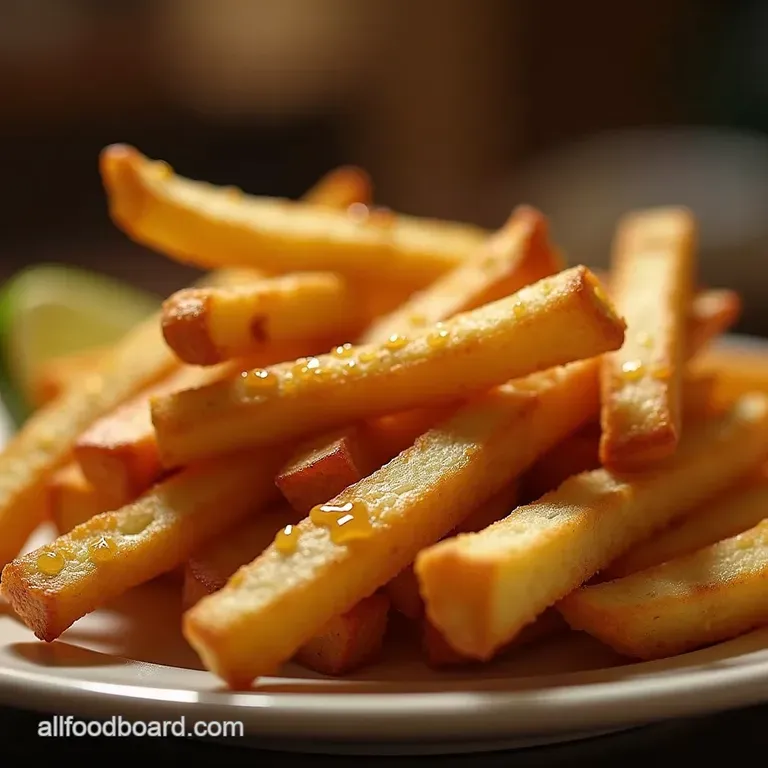
They should emerge soft, pliable, and just cooked through, possessing a pale, blonde hue absolutely no significant browning should occur here. Remove them with a slotted spoon and place them on a wire rack set over a baking sheet.
Let them rest and cool completely; this pause allows the internal moisture to stabilize and redistribute.
The Final Fry: Achieving That Iconic Golden Hue
This second, high heat fry is where the magic happens, turning soft blanched potatoes into crisp, golden beauties.
The High Heat Finish: Creating the Ultimate Crisp Shell
Once the blanched fries have cooled (at least 20 minutes), it is time to increase the heat. Bring the oil temperature up significantly to 375° F ( 190° C) . Return the potatoes to the hot oil, again in small batches.
This second fry is fast only 2 to 4 minutes until the fries achieve that deep, glorious golden brown colour and sound audibly crisp when stirred.
Uniformity Matters: Tips for Consistent Chip Sizing
While we addressed cutting earlier, remember that the final fry rewards uniformity. If your sticks are mostly the same dimension, they will all hit that perfect golden state simultaneously, allowing you to scoop them out together for consistent crunch across the entire serving.
The Importance of the Cold Water Soak (and Preventing Oxidation)
The pre-soak wasn't just about starch; it also helps prevent oxidation (browning) before the first fry. If you notice any premature browning on your cut potatoes before they even hit the oil, toss them back into ice water for 15 minutes and ensure they are thoroughly dried again.
Expert Secrets: Troubleshooting Common Homemade Fry Failures
If your fries emerge looking pale and greasy after the second fry, it means your oil temperature was too low for the final blast. If they are dark brown on the outside but limp or raw inside, you likely tried to rush the process by skipping the initial low-temperature blanch entirely.
Temperature control, using an accurate thermometer, is the master key to consistent success.
Elevating Your Serving Game: Sauces and Pairings
The perfect chip demands the perfect accompaniment.
Suggested Dipping Companions for Your Fresh Batch
While a simple sprinkle of salt is traditional, consider whipping up a homemade roasted garlic aioli the creamy richness cuts beautifully through the sharp crispness of the potato.
For a more traditional European flair, a small dash of malt vinegar sprinkled over the hot, salted fries immediately upon removal from the oil adds a fantastic acidic tang.
Preserving the Crunch: Storing Leftover French Fries
Should you have the rare misfortune of possessing leftover fries, reviving them requires a specific protocol to recapture that initial textural triumph.
The Secret Weapon: Cooling Times Between Fry Cycles
The resting period between the first and second fry is crucial not just for the recipe itself, but also for workflow. It allows you to manage your kitchen time. You can complete the first fry for an entire large batch, let them cool completely while you manage other tasks, and then complete the second fry in rapid succession when guests arrive or the main course is ready.
How Temperature Stability Affects Your Final Product
Stability is everything. Ensure your oil temperature is stable before adding any batch, whether it's the first or second fry. Fluctuations are the enemy of evenly cooked food; a stable, predictable heat source ensures every fry behaves exactly as it should.
Reviving Day-Old Fries: The Reheating Protocol
Do not waste sad, floppy fries! The best way to reheat them is back in the oven, not the microwave. Preheat your oven to a high temperature, around 425° F ( 220° C).
Spread the leftover fries in a single layer on a wire rack set over a baking sheet (this allows air circulation underneath). Bake for 8 to 10 minutes until they are crisp again. This mimics the effect of the final high heat fry by drying out the exterior rapidly.
Recipe FAQs
Why do I have to fry my French Fries twice? Surely once is enough to cook them?
Ah, that’s the secret sauce or should I say, the secret oil! The first, lower temperature fry (blanching) cooks the interior potato until it’s soft and fluffy, removing excess water.
The second, higher temperature fry is a quick blast that caramelises the exterior, giving you that shatteringly crisp shell we all dream about. Rushing it results in pale, floppy chips, which is simply not cricket!
My French Fries always turn out greasy. Am I doing something wrong with the oil temperature?
More often than not, greasiness is a sign that your oil temperature has dropped too low during frying. If the oil isn't hot enough, the potato soaks up the fat instead of cooking quickly.
Make sure you are using a thermometer and avoid overcrowding the pot; fry in small batches so the oil temperature recovers rapidly between additions.
Can I prepare the potatoes ahead of time? How should I store the cut fries before cooking?
Absolutely, you can prep ahead, which is a massive time saver! After cutting and rinsing, soak them in ice water for up to 4 hours, changing the water once. Before frying, however, they must be meticulously dried and I mean bone dry.
If storing overnight, drain them, place them on a rack, cover loosely, and refrigerate; just remember to let them warm up slightly on the counter before that first fry.
What’s the best kind of potato to use for truly authentic, fluffy French Fries?
You want a high starch variety, much like what they use across the Channel! In the US, that means the good old Russet potato. If you’re in the UK or Europe, look for Maris Piper or King Edward varieties.
These spuds break down nicely on the inside when cooked, leading to that fluffy, almost mashed texture beneath the crisp skin.
How do I stop my finished French Fries from going soggy while I cook the next batch?
This is a classic dilemma! Once the fries are golden and drained, keep the finished batches warm in a very low oven around 200°F (95°C) while you complete the second fry for the rest.
Don't stack them too heavily; spread them out on a baking sheet so the steam can escape and the crunch remains intact. Serve them immediately once the final batch is done!
Perfect Doublefried French Fries