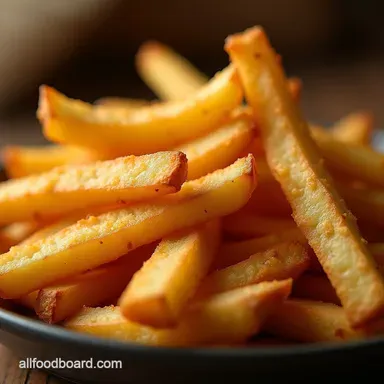
The Properly Crispy Oven Fries Fluffy Inside Golden Outside
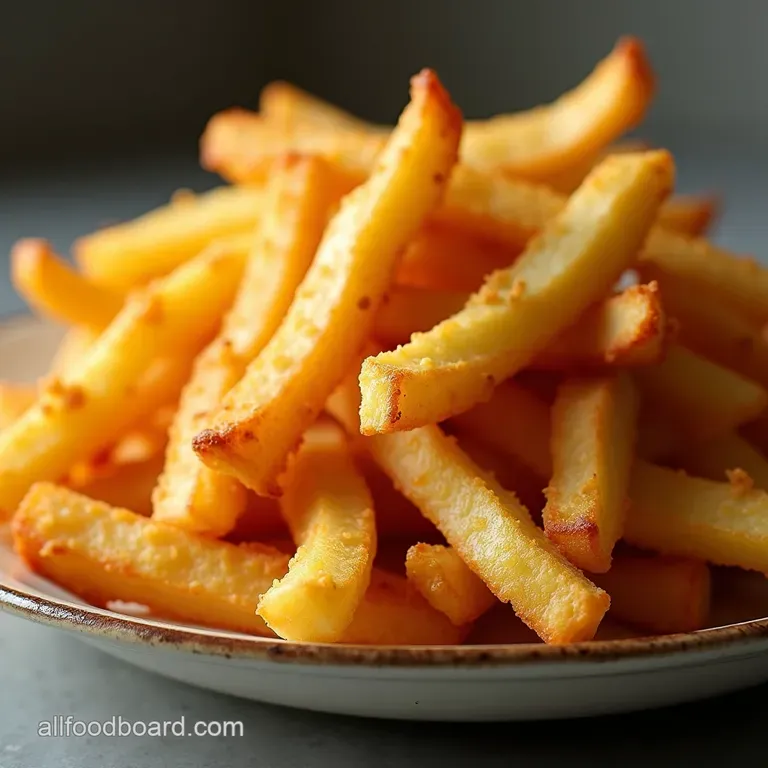
- Banish Soggy Spuds: Our Secret to Truly Crispy Oven Fries
- Why This Roasting Technique Outshines the Deep Fryer
- The Shortlist: What You Need for Batch Perfection
- Phase One: Preparing the Potatoes for Optimum Crispness
- The Golden Rule of Baking: Creating Space on the Tray
- Troubleshooting Common Oven Fry Failures
- Elevating Your Homemade Fries: Next-Level Toppings
- Storing and Reheating for Day-Two Crunch
- Recipe FAQs
- 📝 Recipe Card
Banish Soggy Spuds: Our Secret to Truly Crispy Oven Fries
There are few culinary disappointments as profound as biting into a batch of homemade fries only to find a soft, yielding interior where a satisfying crack should be.
We’ve all been there, wrestling with trays of limp potato sticks, wondering why the oven can’t quite replicate that magic found in a deep fryer. I’m here to tell you that it absolutely can.
Achieving truly Crispy Oven Fries isn't about luck; it's about mastering a few non-negotiable steps that manipulate the potato’s natural structure. Forget everything you thought you knew about simply tossing potatoes in oil and hoping for the best; our Oven Fries Recipe focuses on science, specifically, starch management and high-heat conduction, to deliver Homemade French Fries Oven perfection every single time.
Why This Roasting Technique Outshines the Deep Fryer
When you deep-fry, the sheer heat of the oil rapidly dehydrates the exterior, creating that signature shell. Replicating this effect in an oven requires us to mimic those conditions as closely as possible.
Our approach is designed to draw out maximum moisture before the cooking even begins, ensuring that the heat is used solely for browning and crisping, rather than steaming. The result is profoundly satisfying: Oven Baked Fries that hold their shape and offer superior crunch.
The Quest for the Perfect Chip Texture: Fluffy Interior Guarantee
The ideal fry features a stark contrast: shatteringly crisp on the outside, pillowy soft on the inside. This balance is primarily achieved by using the right starch foundation, we rely heavily on Russet Potatoes Oven Fries because their high starch content gelatinizes perfectly when cooked, leading to that airy interior texture.
The combination of a rigorous soak and a high-temperature blast ensures the interior steams beautifully while the exterior hardens rapidly.
Essential Prep Work Before You Hit the Heat
The true secret to exceptional Easy Oven Fries lies in the preparation that happens before they ever meet the baking sheet. If you skip the mandatory soaking and drying phases, you are essentially guaranteeing sogginess.
We are removing the excess surface starch that prevents proper browning and instead harnessing the internal starches for texture. This early effort is the difference between mediocre roasted potato sticks and stellar fries.
What Makes These Oven Fries Better Than Takeaway?
When you make these at home, you control everything. We are using high-quality olive or rapeseed oil, and crucially, we are introducing a small, yet mighty, ingredient that takeaways often skip: baking powder.
This small addition is the Oven Fries Cornstarch Trick alternative, providing an alkalinity boost that dramatically enhances the browning process, leading to superior crust formation compared to standard takeaway fare.
These Seasoned Oven Fries taste cleaner, fresher, and infinitely better because you started with superior ingredients and perfect methodology.
The Shortlist: What You Need for Batch Perfection
To execute this flawlessly, you need to gather your components carefully. We are aiming for consistency in size, the right level of surface treatment, and the proper tools to handle high heat.
Selecting the Right Starch Foundation for Success
For the ultimate crisp, you must select a high-starch potato. In the US, the trusty Russet reigns supreme. If you are baking a large batch, ensure you have approximately 900g (about 2 lbs) of these spuds on hand.
Their lower moisture content relative to waxy potatoes means they yield a fluffier result once dehydrated properly in the oven.
Must-Have Seasonings for Maximum Flavor Impact
While you can certainly dress these up later, the baseline flavor needs to be sharp and clean. We use a simple coating of about 2 tablespoons of olive oil to ensure every surface is slicked and ready for crisping.
Seasoning should primarily be fine sea salt, but this is applied after they come out of the oven to prevent drawing moisture back out during the high-heat baking phase.
Non-Negotiable Tools for High-Heat Roasting
You absolutely must have baking sheets capable of handling intense heat. More importantly, you need space. If you try to cram all your fries onto one tray, they will steam, that is the quickest route to failure.
If necessary, use two baking sheets to ensure every single fry has direct contact with the hot metal and plenty of breathing room.
The Starchy Secret: Why a Light Coating Matters
Here is where we integrate that game-changing element: baking powder. Just one teaspoon of aluminium-free baking powder, tossed with your oiled potatoes, accelerates the Maillard reaction on the surface. It creates tiny bubbles that encourage a dry, rugged exterior.
It’s a minor addition that yields a massive textural payoff in these Oven Fries .
Phase One: Preparing the Potatoes for Optimum Crispness
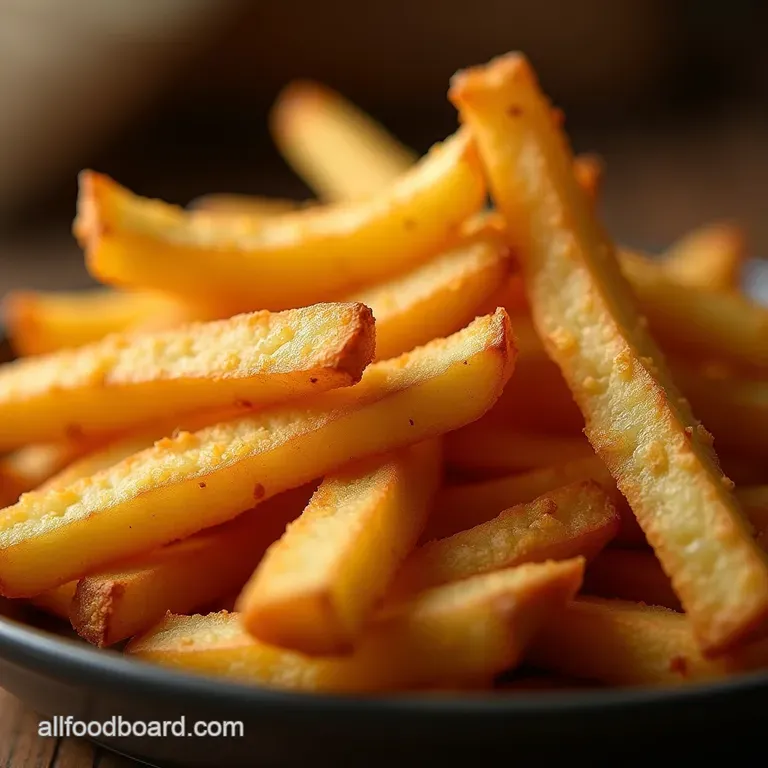
The initial work ensures that when the heat hits, the potato is ready to crisp, not steam. Begin by cutting your potatoes into uniform sticks, aiming for about a half-inch thickness. Uniformity is paramount; thick pieces take longer and may burn the smaller ones, while overly thin pieces disintegrate.
The Crucial Soak and Dry Technique
Once cut, the next step is the mandatory cold water soak. Place the sticks in a large bowl and cover them completely with cold water, allowing them to sit for at least 30 minutes, though an hour is even better. This pulls out the surface starch. After draining, the critical step is drying.
Spread the potatoes out across several layers of kitchen towels or paper towels and aggressively pat them down. They must be bone dry before oiling; any surface moisture will turn to steam when heated.
Related Recipes Worth Trying
- The Best Homemade French Fries Recipe Crispy Fluffy — Stop queuing for the chippy Learn the secret to truly crispy homemade French fries using the doublefry method for that perfect golden crunch at home
- Easy OvenBaked Sour Cream Onion Chicken Recipe — Forget fussy dinners This foolproof Sour Cream and Onion Chicken delivers a creamy savoury and ridiculously crispy crust every time A true easy chicken...
- OvenBaked Crispy Smashed Potato Salad Recipe — Forget soggy sides This Crispy Smashed Potato Salad is ovenroasted for maximum crunch tossed in a bright herb vinaigrette The ultimate party side dish Get...
The Golden Rule of Baking: Creating Space on the Tray
With your potatoes perfectly dry, toss them lightly with your oil, ensuring even distribution. Then, sprinkle over that teaspoon of baking powder and toss one final time. Now, the tray placement: this is where many people go wrong when attempting Best Oven Fries Temperature results.
Achieving Maximum Surface Area Contact
Spread the seasoned fries onto your baking sheet(s) in a single, absolute layer. I cannot stress this enough: no overlapping, no crowding . If the potatoes are touching side-by-side, they will trap steam released during cooking, leading to soft spots.
They need ample space to roast and crisp individually.
Temperature Control: Finding the Oven's Sweet Spot
To properly crisp without burning, we need high, consistent heat. Preheat your oven to 425° F ( 220° C) . An alternative method involves preheating your baking sheet with a drizzle of oil inside the oven before placing the cold fries onto the hot metal, this provides immediate searing contact.
Monitoring and Turning for Even Browning
Bake for an initial 20 minutes. At this point, the bottoms should be starting to brown. Carefully use a spatula to flip every fry. Return them to the oven for a further 15 to 25 minutes.
Keep an eye on them during this second phase, as the difference between perfectly crisp and slightly scorched can be just a minute or two depending on your oven’s temperament.
Troubleshooting Common Oven Fry Failures
If your fries emerge looking pale or soft despite following the steps, the primary culprit is usually moisture, either from inadequate drying after the soak or overcrowding the pan. If they are browned but not crisp, your oven temperature might have been too low, preventing rapid dehydration.
If they are burnt on the outside but raw inside, your cuts were likely too inconsistent, meaning the smaller pieces cooked much faster than the larger ones.
Elevating Your Homemade Fries: Next-Level Toppings
Once removed from the heat, immediately transfer the piping hot fries to a large serving bowl. This is the moment to apply your main seasoning. A generous sprinkle of fine sea salt and freshly ground black pepper (or smoked paprika for a bolder profile) adheres best when they are fresh from the oven.
Pairing Suggestions Beyond Ketchup
While ketchup is classic, these homemade fries shine with richer accompaniments. Consider a homemade garlic aioli, where the richness of the egg yolk cuts beautifully through the starch.
For a more adventurous twist, try dusting them with nutritional yeast for a savory, cheesy note, or toss them post-bake with dried rosemary and a light drizzle of white wine vinegar for that perfect 'fish and chips' tang.
Storing and Reheating for Day-Two Crunch
If you have leftovers (unlikely, but possible!), they will lose their initial crispness as they cool and absorb ambient moisture. The best way to revive them is not the microwave, but a quick blast in a hot oven.
Place them back on a dry baking sheet at 400° F ( 200° C) for about 5 to 8 minutes. This forces out the remaining moisture and restores much of the original crunch.
Expert Tips for Potato Variety Choices
While we champion the Russet for its fluffy core, remember that waxier potatoes like red bliss are better suited for roasting whole or in large chunks; they hold their shape too well for the fine, crisp texture we seek in these Oven Fries .
Stick to high-starch varieties for this specific recipe.
Can These Be Made Ahead of Time? Shelf Life Discussion
These are best enjoyed immediately. If you absolutely must prep ahead, you can complete the soaking and drying steps, store the dry, cut potatoes in an airtight container in the refrigerator for up to 24 hours, but be aware that they may lose some structural integrity before baking.
Cooking them fresh after the soak yields the best results.
Alternative Cooking Methods: Air Fryer Conversion Notes
If you own an air fryer, this recipe translates wonderfully. Use the same soaking and drying steps. Toss with the oil and baking powder, and cook in the air fryer basket at 380° F ( 195° C) for about 18–22 minutes, shaking the basket vigorously every 5 minutes to ensure even contact and browning.
This method often achieves crispness even faster than the conventional oven.
Recipe FAQs
Why are my Oven Fries always soggy instead of crispy?
Nine times out of ten, sogginess comes down to two things: not soaking long enough or not drying properly. Make sure you soak the potatoes for at least 30 minutes to remove surface starch, and then pat them absolutely bone dry with kitchen towels before oiling them up.
Moisture is the enemy of crispness, plain and simple!
Is the baking powder in the recipe truly necessary for these Oven Fries?
Yes, absolutely, it’s our little secret weapon for achieving that shop-bought crunch! The baking powder slightly raises the pH of the potato surface, which encourages faster browning and crisping in the oven. You won't taste it, but you will certainly notice the difference in texture.
Can I make a huge batch of Oven Fries ahead of time?
You can prep them ahead, but only up to the drying stage. Once dried, toss them in oil and keep them on a tray in the fridge for a few hours, but don't bake them until you are ready to eat. For the best results, they should be baked fresh; leftovers tend to lose their crispness quicker than deep-fried chips.
What is the secret to getting them cooked evenly if I use really big potatoes?
Consistency is key, so try to cut all your fries to the same thickness, about ½ inch (1.25 cm). If you have larger potatoes, cut them into thinner sticks, or alternatively, give them an extra 10 minutes of baking time, checking regularly after the 30-minute mark. Overcrowding the tray is the other big no-no!
How do I store leftovers so they don't turn into sad, limp spuds?
Leftover fries are always a bit of a let-down, bless them, but proper storage helps. Let them cool completely first, then store them in a paper bag inside an airtight container in the fridge, this stops them from steaming themselves soft.
The best way to reheat them is back in a very hot oven (400°F/200°C) for about 8–10 minutes until they start to crisp up again.
What are the best potatoes to use if I can’t find Russets?
If you are Stateside, sweet potatoes or Yukon Golds are decent substitutes, but remember they will change the final texture and flavour profile. If you’re over in the UK, look for Maris Pipers or King Edwards; they have the right level of starch content to give you that fluffy interior we are aiming for.
The Properly Crispy Oven Fries Recipe Fluffy Inside