Smoked Brisket Sliders with Tangy BBQ Slaw
Get ready for the best Brisket Sliders Tender smoky beef on soft buns with tangy slaw Perfect for BB...
645 Mins
Browse quick weeknight dinners, desserts, healthy and vegetarian meals, plus global dishes, with clear steps, realistic times and substitution notes.

These easy Chicken Meatballs are unbelievably juicy, brightened by lemon and fresh herbs. Perfect as a Healthy Baked Chicken recipe, they are great for meal prep or a quick weeknight dinner.
View Recipe
Get ready for the best Brisket Sliders Tender smoky beef on soft buns with tangy slaw Perfect for BB...

Discover my classic pumpkin pie recipe, featuring a creamy filling and buttery crust! Perfect for Th...

Boiling potatoes before baking takes too much time and extra pots. This Beef Loaded Potato Casserole...
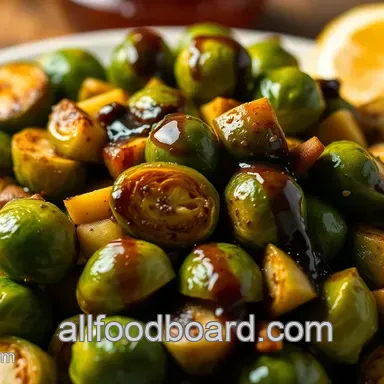
Looking for a fun side dish? Try these Honey Balsamic Glazed Roasted Brussels Sprouts with Trader Jo...
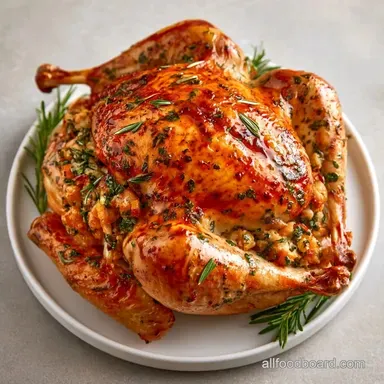
Dry meat often ruins the holiday feast. This Turkey with Stuffing stays succulent via low-heat roast...

Looking for easy ground turkey recipes? This BBQ glazed turkey meatloaf is a flavour-packed, healthi...
Handpicked collections to inspire your next meal
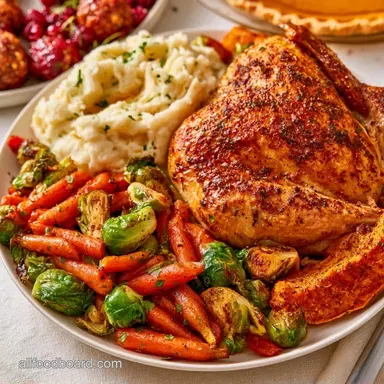
Plan Thanksgiving with turkey, sweet potatoes, Brussels sprouts, mashed potatoes, cornbread, cranber…
View Collection →Find 34 German food recipes, from potatoes for German potato salad and dumplings to authentic main d…
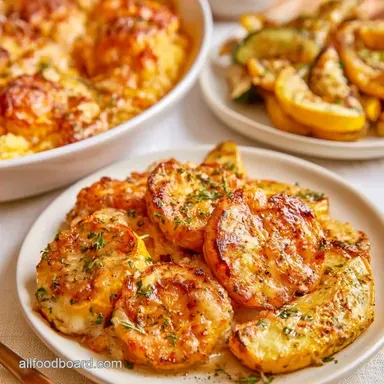
View Collection →Find yellow squash dinner ideas from crispy roasted sides and sautéed vegetables to casseroles, soup…
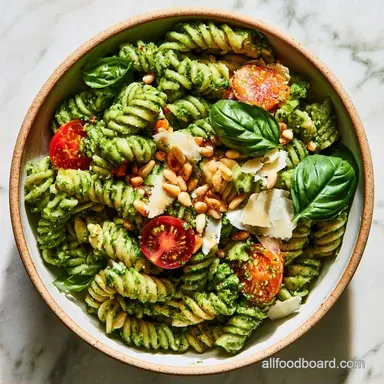
View Collection →Explore 37 easy recipes with pesto, from quick basil dressings and creamy pasta bakes to baked chick…
View Collection →
Weeknight dinners, breakfasts and snacks built around short prep, one pan and pantry staples.

Cakes, cookies, bars, pies and no-bake sweets for birthdays, holidays and ordinary afternoons.

Lighter dinners, salads, bowls and snacks built around lean protein, vegetables, beans and whole…

Dinners, soups and sides from kitchens around the world, from Louisiana gumbo to Nepali momo and…
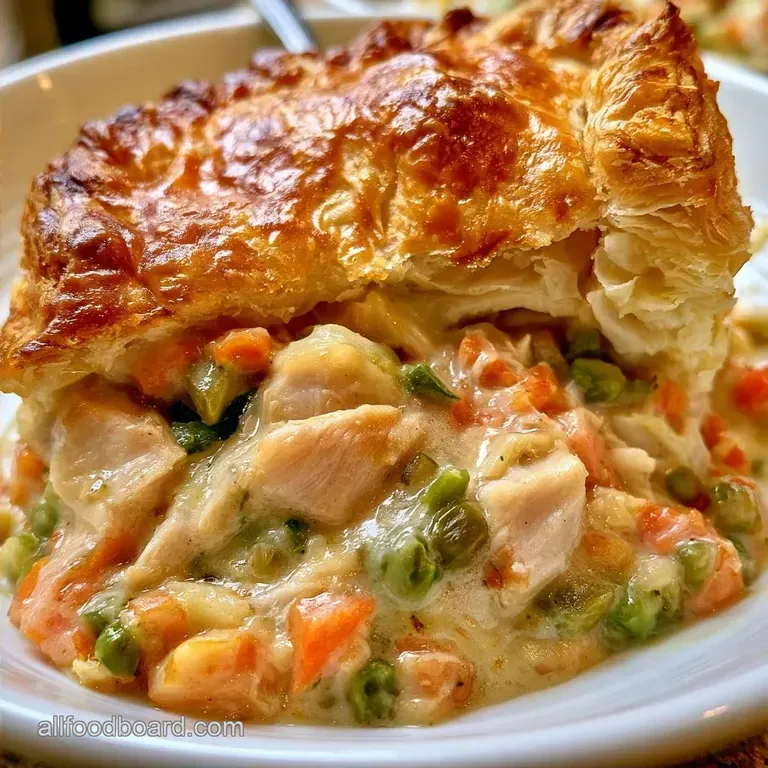
Cooked turkey, carrots, and celery make this Thanksgiving Turkey Pot Pie. Our quick recipe specs cover this savory meal ready in 55 min.

Whip up these delicious cranberry sauce meatballs in no time! Perfect for festive gatherings or cozy family dinners. Get the recipe and tips here!

Looking for a fun side dish? Try these Honey Balsamic Glazed Roasted Brussels Sprouts with Trader Joe's Balsamic Glaze – sweet, tangy, and easy to make!

Discover the best Bake Sweet Potatoes with Pecans & Marshmallows! This easy recipe combines sweet and nutty flavors, perfect for holidays or cozy dinners.

Discover my classic pumpkin pie recipe, featuring a creamy filling and buttery crust! Perfect for Thanksgiving and cozy fall gatherings. Check it out!

Discover my creamy garlic mashed potatoes recipe! This easy side dish is a comforting classic, perfect for family dinners and holiday gatherings.
Our recipe authors cover everyday family dinners and make-ahead meals, quick vegan dishes, Asian street food and fusion, and rustic baking from cakes to holiday sweets.
See how our recipes are developed, edited and checked before publishing.
Meet Our TeamAll Food Board is a collection of home-cooking recipes for ordinary evenings, family tables and holiday baking. Each recipe lists its ingredients, a step-by-step method, and times and temperatures you can plan around, so you can tell before you start whether a dish fits your day.
Four authors write here: Sandra on everyday family dinners, bakes and make-ahead meals; Samantha Devlin on quick vegan and plant-based weeknight dishes; Christopher Lin on Asian street food and fusion; and Isabella Romero on rustic baking, from cakes and breads to holiday sweets.
The archive is wide rather than narrow. A slow cooker pizza casserole sits next to slow-braised leeks with lemon and thyme, and a blueberry crumble with oats shares the site with teriyaki chicken ready in 25 minutes. The sections below show how it is organized.
Quick & Easy Recipes is the largest category, with one-pan dishes such as cheeseburger pasta and honey garlic meatball rice bake. If you like to cook ahead, Meal Prep Ideas includes overnight oats and school lunch pinwheels, and Budget-Friendly Meals focuses on dinners built from inexpensive staples.
Healthy Eats gathers lighter dishes and bowl meals. Vegetarian Delights offers meatless mains and sides, such as creamy butternut squash risotto.
Desserts & Sweets ranges from banana bread brownies with brown butter glaze to coconut fruit cocktail cake. Seasonal Favorites follows the calendar, with Thanksgiving menus, make-ahead sweet potato gratin and summer grilling.
Global Cuisine collects dishes from many kitchens, including stuffed cabbage and homemade ricotta and spinach ravioli. Food Trends & Innovations is a small shelf for newer ideas, and Cooking Tips & Techniques explains the basics behind the recipes, including how long cooked foods keep in the fridge.
Beyond categories, some topics have their own roundups: easy summer grilling, yellow squash, pesto dinners and sides, homemade blackberry jam, German dinners, lasagna, slow cooker dinners and no-bake desserts, among others. They help when you have a surplus of one ingredient, such as a garden full of squash, or want several options for the same occasion in one place.
Cool cooked food promptly and refrigerate it within two hours, sooner in hot weather. Store leftovers in shallow, covered containers and eat them within three to four days. Reheat until steaming hot throughout, and freeze portions you will not finish in time, labeled with the date.
Use a food thermometer to check doneness. The USDA recommends 165°F for poultry and leftovers, 160°F for ground beef, and 145°F for whole cuts of beef and for fish. This matters most for chicken, ground meat and anything cooked low and slow, where color alone can mislead. Keep raw meat away from ready-to-eat food, and wash boards, knives and hands after handling it.
In a slow cooker, fill the pot no more than about two-thirds full and keep the lid on so the temperature stays steady.
Recipes on All Food Board are developed and then edited for clarity. Steps are put in a sensible order, times and temperatures are reviewed for realism, ingredient substitutions are suggested where they work, and food-safety notes are added where relevant. Results can still differ with your equipment and ingredients, so use your own judgement and adjust seasoning to taste. If something did not work as written, tell us through the contact page. You can read more about the site and its authors on the About page.