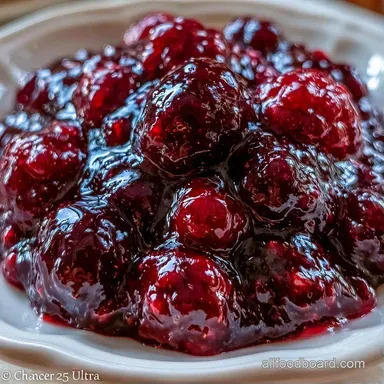
Light Sugar Blackberry Jam: Bold Fruit Flavor
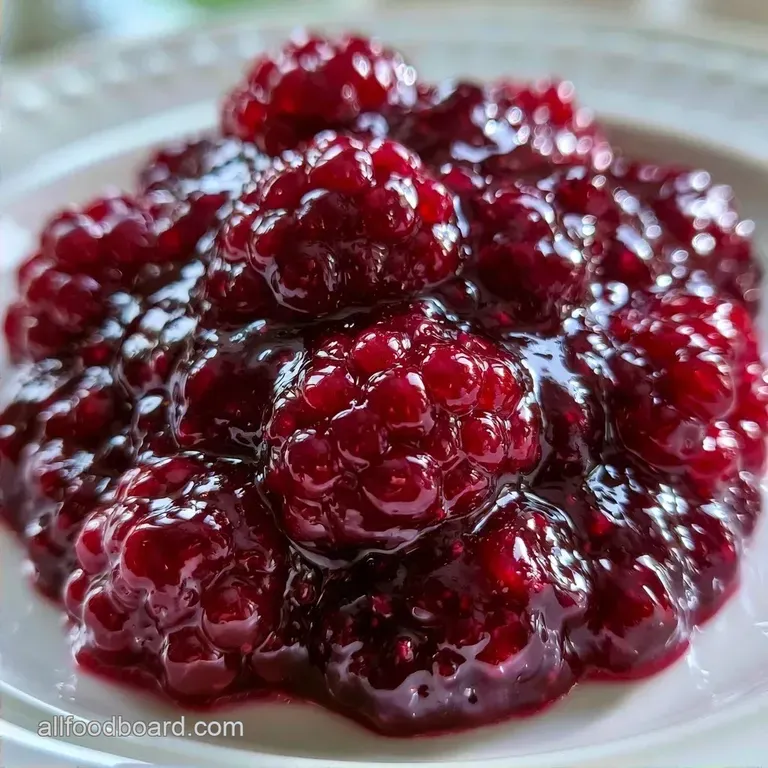
- Time: 5 min active + 25 min cook
- Flavor/Texture Hook: Deep obsidian purple with a glossy, thick set
- Perfect for: Rustic morning toast or filling for homemade pastries
Homemade Blackberry Jam
My early attempts at making preserves were a disaster. Instead of jam, I created a dark purple syrup that drenched my sourdough, turning breakfast into a soggy, violet mess. It lacked depth, tasting of nothing but sugar.
The solution was learning that blackberries require a precise pectin balance. Simply boiling the fruit isn't enough; a specific method is needed to preserve that signature wild berry tartness while ensuring the jam actually holds its shape on toast.
This recipe focuses on achieving that perfect equilibrium. By leaving several whole berries for a rustic, country-kitchen aesthetic, we create a Light Sugar Blackberry Jam that remains thick and spreadable.
Why This Version Works
- Low Sugar Pectin: This bonds with calcium in the fruit. It means we don't need a mountain of sugar to make it gel.
- Lemon Juice: The acid helps the pectin activate and keeps the color from turning a dull brown.
- Short Boil: Cooking for exactly one minute after the sugar goes in stops the fruit from breaking down into a mush.
| Method | Time | Texture | Best For |
|---|---|---|---|
| Fast Set | 30 mins | Glossy & Thick | Quick breakfast |
| Classic | 2 hours | Spreadable/Soft | Long-term canning |
The Right Ingredients
The blackberries provide the bulk and the deep color. I prefer using fresh berries, but frozen ones work too if you thaw them first. The lemon juice adds a bright hit of acid that cuts through the sweetness. We use a specific low sugar pectin to ensure the jam thickens without becoming a sugar bomb.
- 4 cups (600g) fresh blackberries, rinsed and hulled Why this? Provides the deep base flavor and natural pectin.
- 2 tbsp (30ml) fresh lemon juice Why this? Balances sweetness and helps the jam set.
- 1 pouch (57g) Ball low sugar blackberry jam recipe pectin Why this? Sets with less sugar than standard pectin.
- 3 cups (600g) granulated sugar Why this? Preserves the fruit and adds a clean sweetness.
| Original Ingredient | Substitute | Why It Works |
|---|---|---|
| Fresh Blackberries | Frozen (thawed) | Same flavor, though slightly softer texture |
| Granulated Sugar | Cane Sugar | Similar sweetness, adds a hint of molasses |
Essential Kitchen Tools
You'll need a heavy bottomed pot. This is a big one. Thin pots create hot spots that burn the sugar, leaving you with a bitter taste. A potato masher is great for getting that rustic, chunky consistency. For the canning part, have your sterilized half pint jars and a water bath canner ready to go.
Chef Note: Freeze your butter for 10 minutes if you're planning to use it for the toast later, it makes the bread crispier.
Simple Cooking Steps
- Combine the blackberries and lemon juice in a heavy bottomed pot.
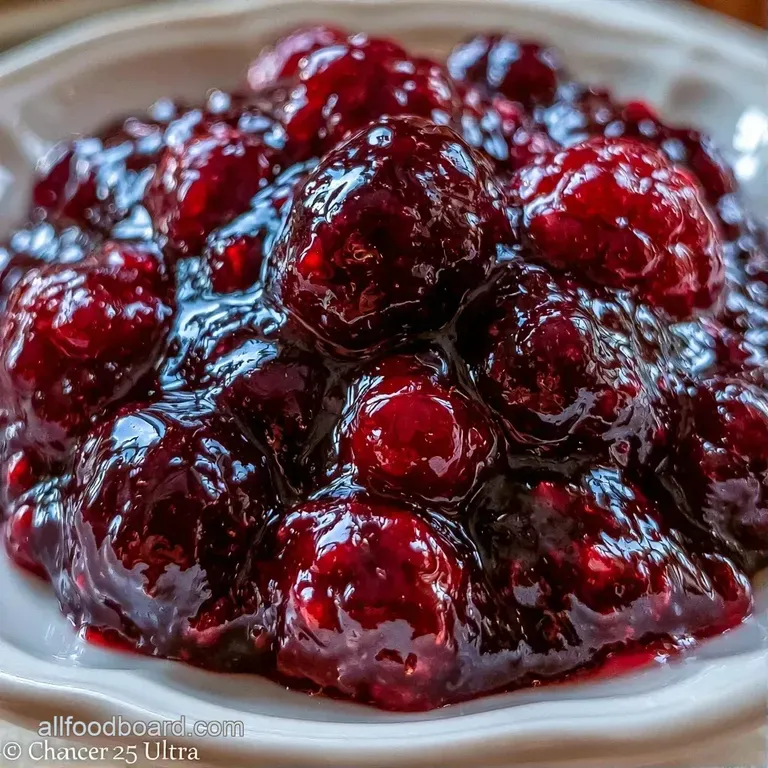
- Mash the berries with a potato masher. Note: Leave some chunks for a rustic look.
- Whisk the pectin into the fruit mixture over medium high heat.
- Bring the mixture to a full rolling boil. Wait until it bubbles and doesn't stop when you stir it.
- Stir in the granulated sugar all at once.
- Return the mixture to a full rolling boil.
- Stir constantly for exactly 1 minute until it looks glossy and thick.
- Remove from heat and skim any foam from the surface.
- Ladle into sterilized jars, leaving a 1/4 inch headspace.
- Process in a water bath for 10 minutes.
Fixing Common Issues
If your Blackberry Jam feels a bit off, it's usually a timing or temperature issue. Sometimes the pectin doesn't activate if the boil isn't "rolling." That means the bubbles should keep popping even when you're stirring the pot.
If the set is too soft, you might have added too many berries. For those who want a completely sugar-free experience, you might prefer a sugar-free jam which uses different stabilizers.
Runny Texture
The jam didn't reach the full rolling boil before the sugar was added, or the cook time was too short.
Excessive Foaming
This happens when the berries are over mashed or the heat is too high. Skim it off before jarring.
Jar Not Sealing
The lid wasn't centered or the jar rim had a bit of jam on it before closing.
| Problem | Fix |
|---|---|
| Too runny | Re boil with a teaspoon of pectin |
| Too foamy | Use a metal spoon to skim the top |
| Lid won't seal | Wipe rim clean and re process |
Serving Your Preserves
To make this look like it belongs in a professional pastry shop, focus on color contrast. The obsidian purple of the Blackberry Jam needs a bright accent to pop. I love adding a sprig of fresh green mint on top of a dollop of jam.
A swirl of white crème fraîche or a side of bright yellow lemon slices also works.
For a rustic breakfast, spread it over flour dusted scones. It also works great as a filling for thumbprint cookies.
Decision Shortcut: Extra tang? → fold in 1 tsp lemon zest Spicier note? → add a pinch of cinnamon More seeds? → skip the mashing step
Storing Your Jars
Processed jars stay good on a shelf for about a year. Once you pop the seal, move the jar to the fridge. It'll keep there for 3 weeks. If you have more than you can eat, you can freeze jam, but it might change the texture slightly, making it less silky.
To avoid waste, use any leftover berry mash from the bottom of the pot to glaze a cake or stir into oatmeal.
Easy Ingredient Swaps
You can change the profile of your Sugar Blackberry Jam by adding different fruits. Mixing in a handful of raspberries gives it a brighter red hue and a sharper tartness. If you're avoiding pectin altogether, check out a no pectin version for a slower, traditional reduction.
For a different sweetener, monk fruit can work, but you'll need a specific sugar-free pectin to get the same thickness. This is a great way to make a Ball low sugar blackberry jam recipe fit a keto diet. Just remember that sugar-free versions don't preserve as long as the sugar based ones.
Right then, you've got everything you need for a batch of Blackberry Jam that actually sets. Trust me, the difference between this and the store-bought stuff is night and day. Let's get cooking!
Recipe FAQs
Can I use less sugar than the recipe calls for?
No, because the low sugar pectin requires this specific ratio to set properly.
Tip: If you prefer a different method, explore our natural pectin version.
What happens if the sugar is reduced?
The jam may fail to gel and remain a syrupy consistency.
Tip: Sugar acts as both a preservative and a structural agent alongside the pectin.
Why is lemon juice added to the berries?
The acidity helps the pectin bond and balances the natural sweetness of the fruit.
Tip: Always use fresh lemon juice for the brightest flavor.
Which sugar works best for this jam?
Granulated white sugar is ideal for a clear, glossy finish.
Tip: Avoid brown sugars unless you want a deeper, molasses-like flavor profile.
Is it true that cooking jam too long ruins it?
This one's false: Overcooking mostly affects the color and flavor, though it can become rubbery.
Tip: Stick to the 1-minute rolling boil after adding sugar to keep the fruit tasting fresh.
Will the jam thicken once it cools?
Yes, the pectin structure firms up significantly as the temperature drops.
Tip: Don't keep boiling the mixture if it looks thin while hot; wait for the cooling process.
How long does homemade jam stay fresh?
Store processed jars on a shelf for one year.
Tip: Keep opened jars in the fridge to maintain freshness for 3 weeks.
Does the jam require commercial pectin to set?
No, and here's why. Natural pectins in the fruit can work, but they require much longer boiling times.
Tip: Using a pouch ensures a consistent, professional set every time.
30-Minute Blackberry Jam