The Chip Shop Champion Perfectly Crispy Doublefried Homemade French Fries
- The Quest for Chip Perfection: Unlocking Restaurant-Quality Texture
- Why Double-Frying is the Secret to Superior Homemade French Fries
- Essential Components for Flawless Fry Preparation
- Gathering Your Fry Arsenal: Tools and Taters
- The Method: A Two-Stage Frying Blueprint
- Step-by-Step Execution of Our Signature Homemade French Fries Recipe
- Troubleshooting and Advanced Fry Mastery Tips
- Recipe FAQs
- 📝 Recipe Card
The Quest for Chip Perfection: Unlocking Restaurant Quality Texture
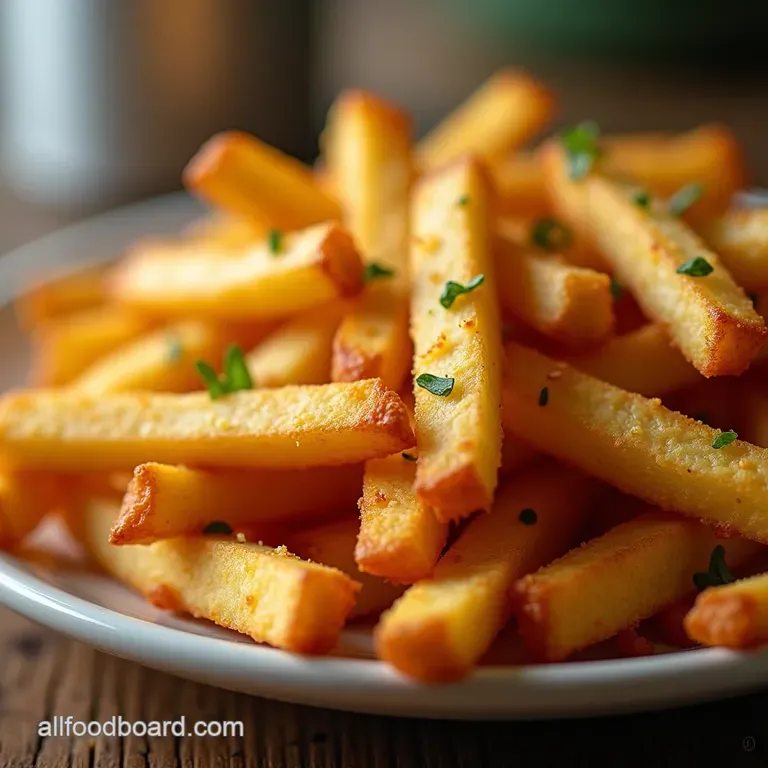
Ah, the French fry or 'chip' if you're calling us Brits is the ultimate comfort food. This recipe relies on the classic French technique of double frying to achieve that ideal texture: a quick blanching fry at a lower temperature cooks the potato through, followed by a searing hot second fry that delivers unbeatable crispness and that glorious golden hue.
We’ll be using the trusty Russet potato, known for its low moisture and high starch content the secret weapon for a fluffy inside. Get ready for chips that put the local takeaway to shame!
Achieving Homemade French Fries that rival your favorite bistro is not a matter of luck, but of disciplined technique. This method is often cited as the gold standard when aiming for the Best French Fries At Home .
Difficulty wise, while the process requires patience and attention to temperature management (the double fry), it lands squarely in the Medium category. Expect about 25 minutes of active preparation, plus a crucial 30– 60 minutes for soaking, leading to a total experience of roughly 1 hour 45 minutes.
This rigorous approach ensures we achieve those wonderfully Crispy Homemade French Fries we are striving for, serving four people generously.
Why Double Frying is the Secret to Superior Homemade French Fries
The concept of double frying seems like extra work, but it is the cornerstone of textural superiority. One single trip into hot oil cooks the exterior before the interior has a chance to steam itself fluffy; conversely, oil that isn't hot enough results in grease absorption and limp results.
The two-stage approach expertly manages both these issues.
Setting the Stage: Mastering the Art of the Golden Fry
The first fry, or blanching stage, is about permeating the starch within the potato flesh with oil while gently softening the structure. We keep the temperature lower, around 300° F ( 150° C), for 5 to 7 minutes.
During this phase, the potatoes should become cooked through and turn a pale blonde color they should look cooked, but critically, not browned. After this, a mandatory resting period allows steam trapped inside to escape, prepping the surface for the next step.
This preparation is key to realizing your Fresh Cut Fries Recipe potential.
Defining 'Crisp': Our Texture Guarantee
The second fry is where the magic happens, turning the soft interior into a cloud like marvel encased in a shatteringly crisp shell. By raising the oil temperature significantly up to 375° F ( 190° C) we are forcing the exterior layers to dehydrate rapidly.
This flash cooking ensures the outside achieves that deep golden hue and crunch without overcooking the already tender interior. This precision ensures you nail the texture every time you attempt a Deep Fried French Fries Recipe .
Elevating the Humble Potato: A Culinary Introduction
While the method is paramount, the raw material matters immensely. For the most satisfying results, look for starchy potatoes like Russets. Their low moisture content yields interiors that steam beautifully rather than weep water during the frying process.
We will be using approximately 3 lbs (1.36 kg) of these potatoes for our serving of four. Remember, even the best technique can’t compensate for the wrong potato choice!
Essential Components for Flawless Fry Preparation
Before we dive into the heat, gathering the correct supporting cast is vital. From the right oil to the appropriate cutting tools, having everything staged ensures a smooth process when dealing with hot oil.
Related Recipes Worth Trying
- The Best Homemade French Bread Bowls Recipe for Dipping — Master the art of baking crusty Homemade French Bread Bowlsperfectly structured edible soup bowls for any hearty stew Learn the secret to a crackly crust
- The Ultimate Sturdy Homemade Bread Bowls Recipe Foolproof — Forget soggy bottoms These yeast bread bowls bake with a crisp crust perfect for holding thick soups or chili Learn this easy bread bowls from scratch...
- Box Mix Cake Enhancements Make Cake Mix Taste Like Homemade — Unlock the secrets to super moist box cake recipe results Discover the best box mix cake enhancements that turn a simple mix into a gourmet dessert
Gathering Your Fry Arsenal: Tools and Taters
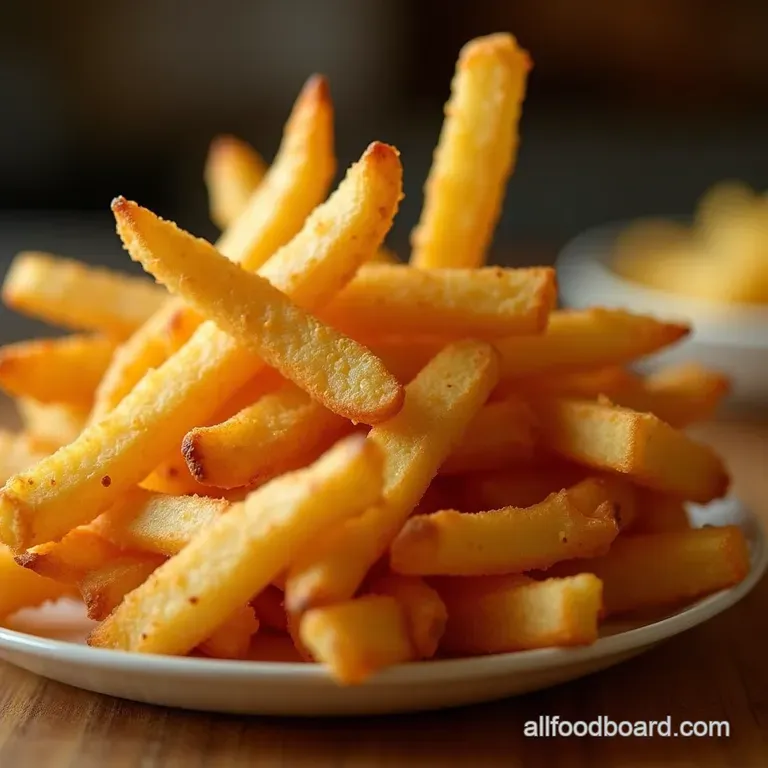
To execute this Homemade French Fries Recipe successfully, you need more than just potatoes and oil. Equipment plays an unsung hero role in the final presentation.
Selecting the Ideal Potato Variety for Maximum Fluff
As mentioned, the Russet reigns supreme due to its high starch and relatively low moisture. If you are in the UK or Europe, look for Maris Piper, which offers a similar reliable performance. Uniformity in cutting is just as important as the variety itself; aim for sticks roughly 1/4 to 3/8 inch thick (6 10mm).
Uneven sizes guarantee uneven cooking.
Oil Deep Dive: Choosing the Right Frying Medium
The oil must possess a high smoke point, as we will be pushing temperatures up to 375° F ( 190° C). Neutral oils like Peanut, Canola, or standard Vegetable oil are excellent choices.
You will need about 4 to 6 cups (1 to 1.4 Litres) depending on the depth of your pot. A deep Dutch oven is often the best vessel as it retains heat reliably. Crucially, you must use a reliable deep fry thermometer; guesswork here leads directly to suboptimal texture.
The Necessary Seasonings: Beyond Just Salt
While salt is non-negotiable, we must apply it immediately upon draining. Fine sea salt or kosher salt dissolves and adheres best to the hot surface. However, we will explore ways to enhance this simple foundation later, offering great French Fry Seasoning Ideas .
The Method: A Two-Stage Frying Blueprint
The entire process is built around the critical two-stage frying blueprint, which demands careful management of temperature and time across both phases.
step-by-step Execution of Our Signature Homemade French Fries Recipe
Let’s walk through the entire process, turning those raw tubers into crispy gold.
Prepping the Potatoes: Soaking and Drying for Success
First, peel your 3 lbs of Russets. Cut them into uniform sticks. Immediately plunge these into a large bowl filled with cold water. Let them soak for a minimum of 30 minutes, though an hour is better.
This extracts surface starch, which otherwise causes them to stick together and brown too quickly. Once soaking is complete, drain them entirely and then lay them across multiple layers of clean kitchen towels. You must pat them completely dry.
Any residual water will cause dangerous splatter and inhibit crispness.
Phase One: The Blanching Fry (Cooking Through)
In your large pot, heat the oil to exactly 300° F ( 150° C) . Working in small batches do not overcrowd the pot carefully lower your dried potato sticks into the oil. Fry for 5 to 7 minutes.
The goal here is internal doneness; they should look soft and pale blonde. Once this phase is complete, lift the fries out using a spider strainer or slotted spoon and immediately place them on a wire rack set over a baking sheet.
Phase Two: The Crisping Fry (Achieving Golden Crunch)
This waiting period is essential. Let the blanched fries rest and cool for at least 15 minutes. This allows internal moisture to migrate out. Next, increase the oil temperature to 375° F ( 190° C) .
Return the cooled potatoes to the searing hot oil, again in batches. Now, cook for only 2 to 4 minutes until they achieve that deep, beautiful golden brown color and audibly crisp texture. This step defines truly Crispy Homemade French Fries .
Draining and Immediate Salting Techniques
As soon as they emerge from the second fry, drain them briefly on fresh paper towels or the cooling rack. The most crucial step for flavor is seasoning immediately while they are piping hot so the salt adheres perfectly. Toss them gently with fine sea salt to taste and serve without delay.
Troubleshooting and Advanced Fry Mastery Tips
Even with a clear plan, hiccups can occur. Understanding why things go wrong helps secure your status as the master of Homemade French Fries in Air Fryer or deep fried variations.
Preventing Soggy Fries: Common Pitfalls and Fixes
Sogginess almost always stems from one of two issues: not soaking enough starch out, or the oil temperature dropping too low during the fry. If they seem limp upon draining, it means they absorbed excess oil. The fix?
Immediately reheat your oil to 375° F ( 190° C) and give them a very quick 30-second dunk just to shock the crust back into rigidity.
Storage Secrets: Keeping Leftover Fries Edible
Honestly, the best way to store leftover fries is not to have any! But if you must, allow them to cool completely, then store them in a single layer in an airtight container in the fridge.
The reheat method is vital: bake them on a sheet pan at 400° F ( 200° C) for about 10 minutes, flipping halfway, to re-crisp the exterior.
Flavor Infusions: Garlic, Herb, and Spice Variations
Move beyond simple salt! After the second fry, try tossing the hot fries with a mixture of fine garlic powder, smoked paprika, and a dash of cayenne for heat. Alternatively, a sprinkle of dried oregano and dried rosemary works wonders for a more herbaceous profile, adding exciting dimension to your French Fry Seasoning Ideas .
Serving Suggestions That Complement Your Perfect Fry
These fries are robust enough to stand up to rich flavors. Serve them alongside a classic juicy burger, or embrace the 'Steak Frites' concept with a simple grilled hangar steak and a side salad dressed with sharp vinaigrette.
Don't forget the dipping sauces a homemade smoky ketchup or a vibrant chimichurri offers excellent contrast. While considering the Homemade French Fries Calories might lead to moderation, the quality demands indulgence!

Recipe FAQs
Why are my Homemade French Fries coming out soggy instead of crispy?
Sogginess is usually down to two culprits: moisture or oil temperature. Make absolutely certain you are drying the potatoes thoroughly after soaking like 'iron the wrinkles out of a napkin' dry!
Also, ensure your oil is piping hot for the second fry (375°F/190°C) so the exterior seals instantly without absorbing excess grease.
What's the deal with soaking the potatoes, and can I skip it?
Soaking is vital because it draws out the surface starch, which is what makes fries stick together or become gummy. If you skip it, you're halfway to sad, pale chips! While you can get away with a quick 15-minute soak in a pinch, aim for at least 30 minutes to truly prepare them for their double fry baptism.
Can I make these Homemade French Fries ahead of time and reheat them?
Yes, you can! After the first fry (blanching) and cooling stage, you can store the pale fries in an airtight container in the fridge for up to 24 hours. When you’re ready to serve, simply heat the oil to the higher temperature (375°F/190°C) and complete the second crisping fry, just as the recipe directs.
I don't have a deep fryer; can I bake these instead?
You certainly can bake them if you're watching the oil intake, but they won't have that authentic chippy texture. For best baked results, toss the cut potatoes sparingly in oil, spread them in a single layer on a very hot baking sheet (preheat the sheet!), and bake at 425°F (220°C), flipping halfway through until golden.
What is the best type of potato to use for a fluffy interior?
For that perfect fluffy centre, you want high starch, low-moisture potatoes the Russet (often called Idaho in the US) is the gold standard. In the UK, Maris Piper or King Edward potatoes are the traditional chip shop choice for the exact same reason.
Avoid waxy potatoes like new potatoes, as they tend to stay too firm.
Crispy Doublefried French Fries
Ingredients:
Instructions:
Nutrition Facts:
| Calories | 320 kcal |
|---|---|
| Protein | 0.7 g |
| Fat | 25.0 g |
| Carbs | 5.3 g |
| Fiber | 0.6 g |
| Sodium | 9628 mg |
