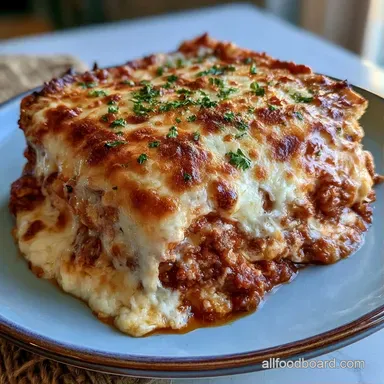
Lasagna Casserole Slow Cooker with Ground Beef
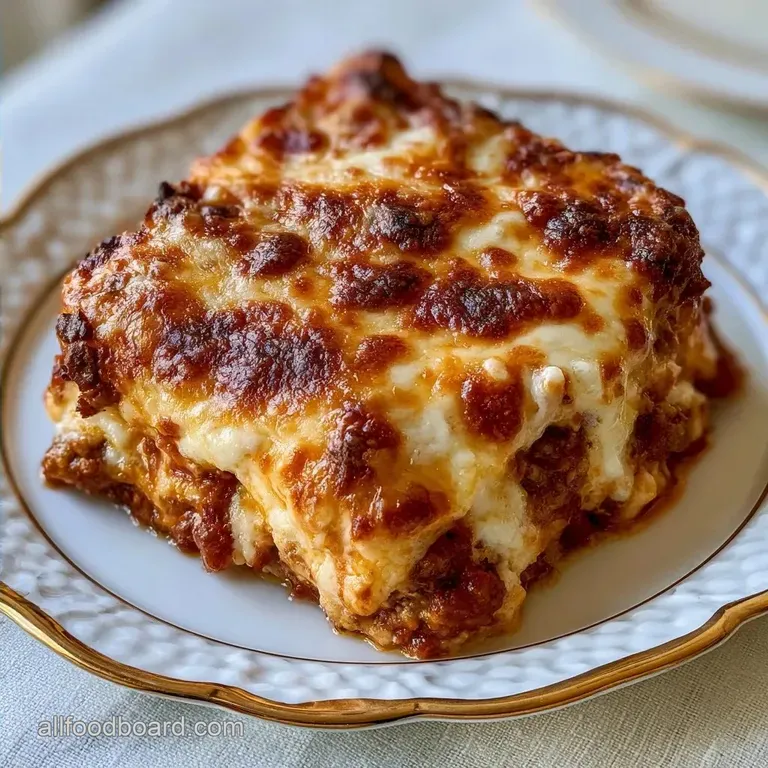
- Time: 15 minutes of prep + 4 hours in the pot
- What to Expect: Decadent, cheesy tiers and perfectly softened noodles
- Ideal for: Hectic evenings or preparing weekly meals for the house
Everything begins with the crackle of ground beef in a searing pan. That distinct hiss, combined with the aroma of garlic softening in the grease, marks the start of a great meal. I once doubted a crockpot could handle a pasta bake; every attempt I made resulted in a flavorless, overcooked disaster.
Many assume a slow cooker lasagna is just "pasta soup," a sentiment I shared for years. My old method involved tossing ingredients in randomly, which always led to pale noodles and a thin, runny sauce. The secret lies in controlling the moisture and the precise sequence of the layers.
This approach delivers an authentic, homemade quality with minimal work once the lid is locked. You'll experience the smoothness of ricotta, the stretch of melted mozzarella, and the brightness of the tomato sauce. It fills your home with the scent of a traditional Italian kitchen while you focus on other tasks.
Easy Lasagna Casserole Slow Cooker Recipe
Noodle Absorption: Using uncooked noodles allows the pasta to soak up the sauce slowly, which keeps them from getting gummy.
Low Heat Simmer: The slow cooker traps steam, keeping the cheeses from drying out and letting the flavors meld.
For those who want a more traditional bake, my proper homemade lasagna guide shows the oven method, but this slow cooker version is a lifesaver when you don't have the time.
Quick Recipe Specs
| Comparison | Fast Method | Slow Cooker Method |
|---|---|---|
| Active Prep | 45 minutes | 15 minutes |
| Cooking Time | 1 hour | 4-8 hours |
| Cleanup | Multiple pots + pan | One skillet + one pot |
| Texture | Crispy edges | Soft and uniform |
Here is everything you will need to get this meal on the table.
The Essential Ingredients
The ground beef serves as the foundation. I recommend an 80/20 blend because the extra fat significantly enhances the sauce's flavor. You can opt for lean beef, though the end result may be slightly drier.
The combination of marinara and crushed tomatoes provides the liquid necessary for the noodles to cook. A sauce that is too thick will leave the pasta hard, whereas one that is too thin creates a "soup" consistency.
The ricotta blend is what distinguishes a lasagna from a simple pasta bake. While it is a small touch, the nutmeg helps balance the creamy density of the cheese.
Ingredients List:
- 1 lb ground beefWhy this? Provides savory depth and hearty protein
- 24 oz marinara sauceWhy this? Acts as the primary flavor base
- 15 oz crushed tomatoesWhy this? Supplies the moisture needed for uncooked noodles
- 1/2 cup waterWhy this? Stops the sauce from scorching
- 3 cloves garlic, mincedWhy this? Essential for an aromatic kick
- 1 tsp dried oreganoWhy this? Classic Italian herb profile
- 1/2 tsp saltWhy this? Brings out all the other flavors
- 1/4 tsp black pepperWhy this? Adds a touch of warmth
- 15 oz ricotta cheeseWhy this? Creates soft, creamy layers
- 1 egg, lightly beatenWhy this? Stabilizes the ricotta so it stays put
- 1/2 tsp dried parsleyWhy this? Adds a hint of herbal freshness
- 1/4 tsp nutmegWhy this? Offsets the heaviness of the cheese
- 250g lasagna noodles, uncooked and broken in halfWhy this? Fits the pot and cooks directly in the sauce
- 3 cups shredded mozzarella cheeseWhy this? For that signature melted cheese stretch
- 1/2 cup grated Parmesan cheeseWhy this? Provides a sharp, salty finish
Substitutions:
| Original Ingredient | Substitute | Why It Works |
|---|---|---|
| Ground Beef | Ground Turkey | A leaner alternative. Note: Less flavorful, add 1/2 tsp extra salt |
| Ricotta Cheese | Cottage Cheese | Similar consistency. Note: Higher water content, drain thoroughly first |
| Marinara Sauce | Tomato Puree | A simpler base. Note: Add 1 tsp sugar to balance the acidity |
| Lasagna Noodles | Penne Pasta | Easier to combine. Note: Becomes a "lazy" pasta bake rather than layered |
Tools You Will Need
Any standard kitchen setup works perfectly. A 6 quart slow cooker is the ideal size for these quantities, though you may need to reduce the recipe if using a smaller model.
Use a large skillet to brown the beef; stainless steel is my preference, but non-stick is just as effective. You will also want a bowl for the ricotta and a spatula to handle the layering.
Keep it easy. There is no need to measure the cheese precisely simply eyeball the portions as you go.
Putting It Together
Phase 1: Preparing the Base
Sauté the ground beef using a skillet set to medium high until it is browned and crumbly. This typically takes about 8 minutes. Drain off the excess grease to ensure your Lasagna Casserole Slow Cooker isn't too oily. Add the minced garlic and heat for 1 minute until aromatic.
Phase 2: The Strategic Layering
Combine the browned beef with the marinara, crushed tomatoes, water, oregano, salt, and pepper to create the meat sauce.
In a different bowl, whisk the ricotta, beaten egg, parsley, and nutmeg until the mixture is thick and creamy.
Now, follow this specific order to maintain the structure: 1. Pour 1/2 cup of meat sauce into the base of the slow cooker. Note: This creates a barrier so the noodles don't stick to the ceramic. 2. Lay a single layer of broken lasagna noodles over the sauce. 3.
Dollop half of the ricotta mixture over the noodles and spread it gently. 4. Add a layer of meat sauce, then sprinkle a handful of mozzarella. 5. Repeat the layers (Noodles, Ricotta, Sauce, Mozzarella) until all ingredients are used. 6. Finish with a final layer of mozzarella and the grated Parmesan cheese.
Phase 3: The Slow Simmer
Cover the pot with a tight fitting lid. Set the machine to High for 4 hours or Low for 8 hours.
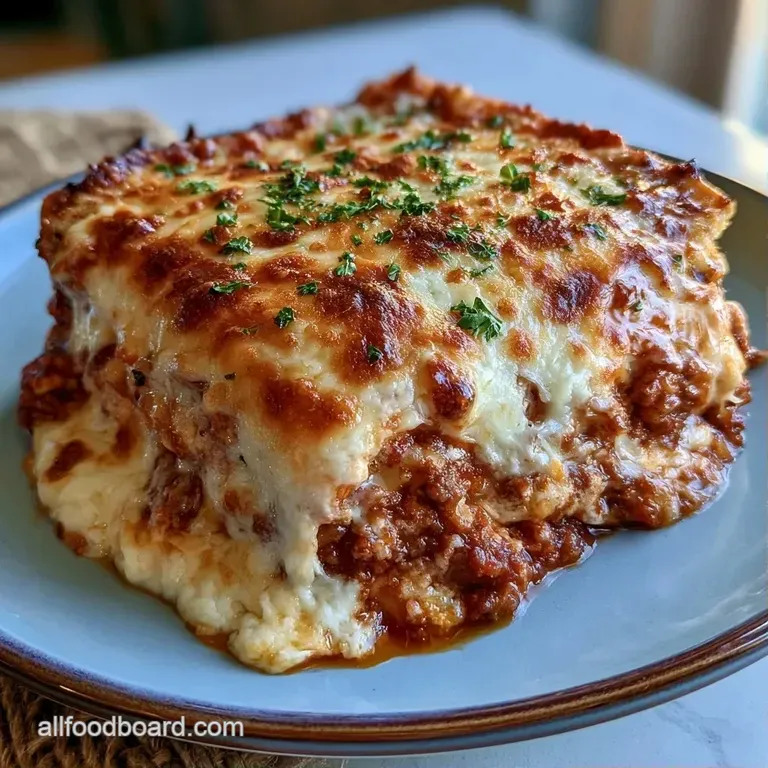
The dish is ready once the cheese is bubbling and a fork easily pierces the tender noodles. Let it sit for 10 minutes before serving. This allows the layers to set so you don't get a landslide on your plate.
Fixing Common Issues
If your noodles come out a bit too soft, you might have used a pasta brand that's too thin. Stick to the standard dried sheets. If the sauce feels too watery, it's usually because the lid was lifted too many times, letting the steam escape.
Another issue is the "cold center." This happens if you use frozen ingredients or a very cold slow cooker. Always make sure your beef is browned and your ricotta is at room temperature if possible.
Dealing with Mushy Pasta
Too much liquid or overcooking can lead to a porridge like texture. Ensure you use the exact amount of water listed.
Managing Watery Sauce
Some vegetables in marinara release water. If it looks too thin, leave the lid off for the last 30 minutes of cooking.
Solving Cheese Clumping
If the mozzarella isn't melting evenly, you might have used pre shredded cheese with too much cornstarch. Grating your own cheese from a block makes it melt much smoother.
| Problem | Fix |
|---|---|
| Noodles are still hard | Add 1/4 cup water and cook 30 mins more |
| Sauce is too thin | Simmer with lid off for 30 minutes |
| Cheese didn't brown | Broil in the oven for 3 minutes (if pot is oven safe) |
Best Side Dish Pairings
To balance the richness of this hearty dish, a bright side is a must. A fresh garden salad with a zesty lemon vinaigrette is the traditional go-to, as the acidity refreshes your palate between bites of creamy pasta.
Garlic bread is nearly essential. I recommend using a crusty baguette brushed with melted butter and a pinch of red pepper flakes to provide a crunch that the slow cooker method doesn't offer.
For a more substantial accompaniment, roasted broccoli or sautéed spinach are excellent options. The natural bitterness of the greens offsets the sweetness of the marinara.
Decision Shortcut:
- Extra tang? → add 1 tsp lemon juice to the ricotta
- More heat? → stir in 1/2 tsp red pepper flakes to the meat sauce
- Lighter feel? → replace half the mozzarella with fresh baby spinach layers
Keeping Leftovers Fresh
Store your leftovers in a glass container with a tight lid. It stays good in the fridge for 3 to 4 days. The flavors actually deepen overnight, making the second day's leftovers taste even better.
For the freezer, I suggest freezing in individual portions. Use freezer safe bags or containers and keep them for up to 3 months. When you're ready to eat, thaw them in the fridge overnight.
To reheat, avoid the microwave if you can. Put a slice in a small baking dish, add a splash of water or extra sauce, and cover with foil. Heat at 350°F (180°C) for 15 minutes. This keeps the edges from getting rubbery.
Zero Waste Tip: If you have leftover ricotta mixture, don't toss it. Mix it with a bit of lemon zest and honey for a quick breakfast toast, or dollop it onto a homemade pizza. If you have extra meat sauce, it works great as a base for shakshuka or as a topping for baked potatoes.
Swaps and Adaptations
You can easily change this to fit your diet. For a meatless version, replace the beef with 1 lb of finely chopped mushrooms and lentils. Sauté them with the garlic first to get a similar savory profile.
If you're looking for a different flavor, you can use a lasagna beef sauce that's more concentrated. Just remember to add a bit more water to the pot since the noodles need that liquid to soften.
For a gluten-free option, use corn or brown rice lasagna sheets. Be careful here, as these noodles often require more liquid than wheat ones. I usually add another 1/4 cup of water when using GF pasta.
Variation Guide:
- Veggie Loaded: Stir in shredded carrots and zucchini to the meat sauce.
- Spinach Layer: Add a layer of frozen (thawed and squeezed dry) spinach over the ricotta.
- White Lasagna: Replace marinara with a béchamel sauce and use chicken instead of beef.
Scaling Guidelines: - Cutting it in half: Use a 3 quart slow cooker. Reduce the cooking time by about 20% on High. Beat one egg and use only half. - Doubling the batch: Use a 7-8 quart pot. Increase salt and oregano by 1.5x, not 2x, to avoid over seasoning.
Reduce total liquid by 10% to prevent it from becoming too runny.
Wait, one last thing about the noodles. I’ve seen people suggest boiling them first, but trust me, that’s a mistake for the slow cooker. Pre boiled noodles just dissolve into nothing over 4 hours.
Using them raw is the only way to keep that distinct layer feel in a Lasagna Casserole Slow Cooker.
Honestly, don't even bother with low-fat cheese here. The fat is what carries the flavor and gives you that glossy, melted finish. Using skim mozzarella just results in a weird, grainy texture that isn't worth the few calories you save.
This Lasagna Casserole Slow Cooker approach is all about working smarter, not harder. You get a meal that feels like a Sunday project but fits into a Tuesday schedule. Just remember to let it rest before you serve it, or you'll be chasing lasagna noodles around your plate. Enjoy!
Recipe FAQs
Can you use regular lasagna noodles in the crockpot?
Yes, uncooked noodles work best. They absorb the sauce slowly during the cook time to prevent a gummy texture.
Is it true that slow cooker lasagna always turns out soggy?
No, this is a common misconception. Using uncooked noodles and a controlled liquid ratio ensures the layers stay distinct and hearty.
Are oven ready noodles suitable for the slow cooker?
No, avoid these. Oven ready sheets often overcook or disintegrate in the high moisture environment of a crockpot.
How to layer the ingredients for the best set?
Spread meat sauce at the bottom first. Layer broken noodles, the ricotta mixture, more sauce, and mozzarella, repeating the sequence until all ingredients are used.
What distinguishes a lasagna from a standard casserole?
The structural layers are the key. While casseroles are often mixed together, lasagna relies on distinct alternating sheets of pasta and fillings. If you enjoyed mastering structural layering here, the same logic applies to our Southern Tomato Pie.
Does a metal pan work for this dish?
No, use the slow cooker insert. Metal pans do not distribute heat consistently in a crockpot and may cause uneven cooking.
Slow Cooker Lasagna Casserole