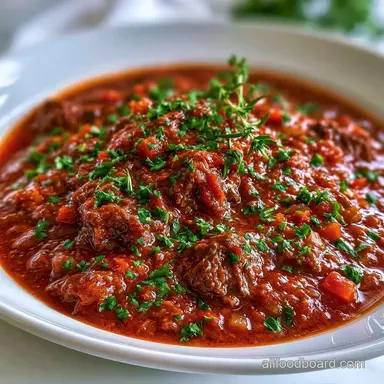
Lasagna Beef Sauce: Rich and Savory
- Time: 30 min active + 180 min simmering
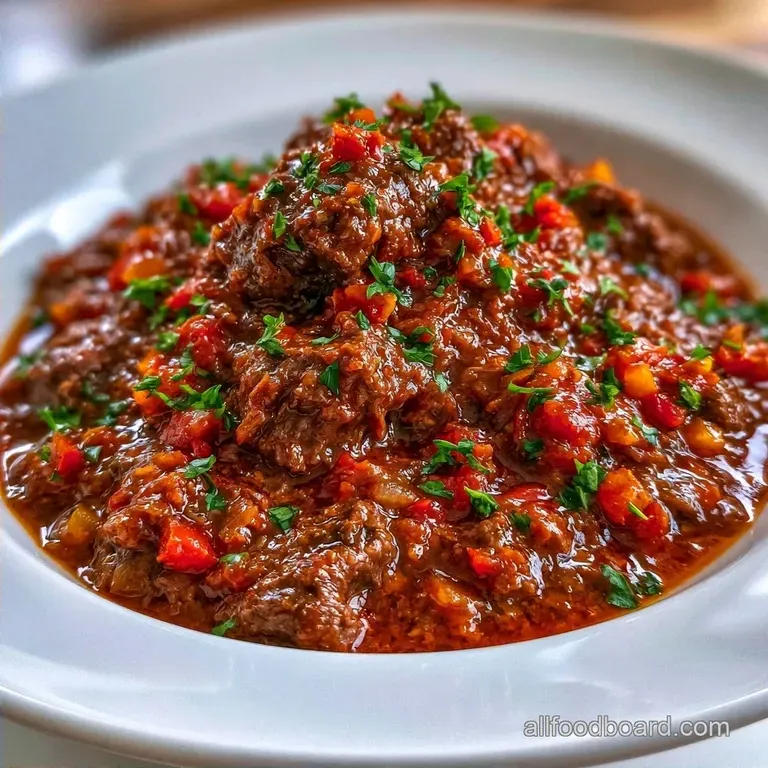
- Flavor/Texture Hook: Thick, savory, and mahogany colored
- Perfect for: Sunday family dinners or meal prep
The smell of a Sunday afternoon in an Italian kitchen always starts with the same thing. It is that low, steady sizzle of onions, carrots, and celery softening in olive oil. In many families, the ragù isn't just a recipe, it is a ritual. It is the scent that tells everyone the house is full and dinner is coming.
This tradition is all about patience. You cannot rush a sauce that is meant to anchor a heavy pasta dish.
Most people struggle with a lasagna that turns into a soup on the plate. It usually happens because the sauce is too thin or the meat isn't browned enough. I spent a long time making sauces that were basically tomato soup with meat floating in it. It was frustrating.
But once I shifted my focus to a long, slow reduction, everything changed.
This Lasagna Beef Sauce is built to be thick and concentrated. It provides a sturdy base that keeps your layers from sliding apart when you slice into the pan. We use a blend of ground beef and Italian sausage to get a complex, savory profile that doesn't need expensive ingredients to taste rich.
Rich and Hearty Lasagna Beef Sauce
Browning the Meat: Searing the beef and sausage over high heat produces caramelized bits on the pot. These concentrated flavors provide a rich, savory foundation that simply cannot be achieved by simmering meat in tomato juice.
The Slow Simmer: Cooking for 3 hours allows the water to reduce. This naturally thickens the Lasagna Beef Sauce, avoiding the grainy texture often caused by adding flour or cornstarch.
Deglazing: Using red wine to lift the browned residue from the pot incorporates those flavorful caramelized proteins. This is a critical step for a proper homemade lasagna recipe as it adds a bright acidity to balance the richness of the fat.
| Method | Time | Texture | Best For |
|---|---|---|---|
| Fast Sauce | 45 mins | Runny/Bright | Weeknight Pasta |
| Classic Ragù | 3.5 hours | Thick/Concentrated | Layered Lasagna |
Quick Guide to Specs
For the best results, stick to the numeric checkpoints. Sauté your vegetables for exactly 8 to 10 minutes. Your garlic only needs 60 seconds to smell right. Most importantly, the simmer must hit the 3 hour mark to ensure the Lasagna Beef Sauce is concentrated enough.
If you are watching your budget, don't buy the leanest beef. Use 80/20 ground chuck. The fat carries the flavor and helps the sauce feel rich without needing to add extra butter or cream. It is cheaper and tastes better in a long simmering dish like this.
Picking Your Ingredients
Instead of a complex list, think of this in three parts. First, the aromatics. The onion, carrot, and celery (the soffritto) provide a sweet, earthy foundation. If you don't have celery, a bit of extra carrot works, though you lose a tiny bit of that classic savory note.
Next, the proteins. We use a mix of ground beef and Italian sausage. The beef provides the bulk, while the sausage adds fennel and garlic notes. If you only have beef, just add an extra teaspoon of fennel seeds to mimic the sausage flavor.
Finally, the liquids. We use crushed tomatoes for body, tomato sauce for smoothness, and beef stock for depth. The red wine is important, but you can use a splash of beef stock and a teaspoon of balsamic vinegar if you don't have wine on hand.
Essential Kitchen Tools
You need a heavy bottomed Dutch oven. A thin pot will cause the sauce to scorch during the 3 hour simmer. If you don't have one, a deep stainless steel pot with a thick base will work. Avoid non stick pots for this, as you need the meat to brown and stick slightly to the bottom to create that flavor.
A sturdy wooden spoon is your best friend here. You will use it to break up the meat and scrape the fond from the bottom of the pot. A whisk is useless here, and a fork isn't strong enough for the thick consistency the Lasagna Beef Sauce reaches by the end.
Making the Sauce
Warm 2 tbsp extra virgin olive oil in a Dutch oven over medium heat.
Add the diced onion, carrot, and celery. Sauté for 8-10 minutes until the vegetables are soft and translucent. Note: Take your time here to let the vegetables release their natural sweetness.
Mix in 4 cloves of minced garlic. Cook for 60 seconds until aromatic but not browned.
Turn the heat up to medium high. Stir in 1 lb ground beef chuck and 1 lb Italian sausage, cooking until the meat is deeply browned and no longer pink.
Stir in 3 tbsp tomato paste. Cook for 2 minutes until it reaches a deep rust color. Note: This eliminates the raw, metallic taste of the paste.
Pour in 1 cup dry red wine. Scrape the bottom of the pot until all the browned bits dissolve into the liquid.
Add 28 oz crushed tomatoes, 15 oz tomato sauce, 1 cup beef stock, 2 bay leaves, 1 tsp dried oregano, 1 tsp dried thyme, and 1 tbsp Worcestershire sauce.
Reduce heat to low. Simmer uncovered for 3 hours, stirring every so often, until the sauce is thick and oil begins to separate slightly on the surface.
Stir in salt and black pepper to taste. Your Lasagna Beef Sauce is now ready for the oven.
Solving Common Issues
Fixing Watery Sauce
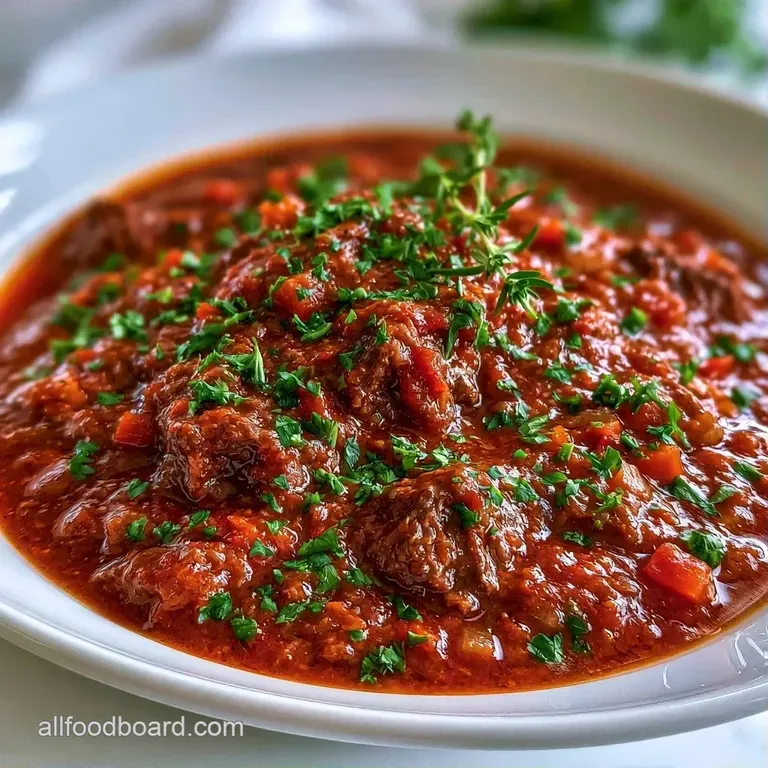
If the sauce is still too runny after 3 hours, don't panic. Turn the heat up to medium for the final 20 minutes. Stir it constantly so it doesn't burn. You want the Lasagna Beef Sauce to hold its shape on a spoon rather than running off like a soup.
Balancing Overpowering Acidity
Sometimes canned tomatoes can be too sharp. If the sauce tastes too acidic, add a pinch of sugar or a small knob of unsalted butter at the end. The fat in the butter coats the tongue and mellows out the sharp edges of the tomato.
Avoiding a Greasy Sauce
Because we use 80/20 beef and sausage, some fat will render out. If you see a thick layer of oil on top, simply dip a spoon in and skim it off. Leave a little bit, as that fat carries the flavor, but too much will make your lasagna feel heavy.
Serving Your Meal
This sauce is the heart of the dish. For a classic result, layer it with a classic ricotta lasagna filling. Ensure you spread a thin layer of Lasagna Beef Sauce on the bottom of the pan first. This prevents the bottom pasta sheets from sticking and ensures they cook through.
If you have leftovers of the sauce but aren't making a full lasagna, it's brilliant over pappardelle or rigatoni. You can also use it as a base for a hearty beef stew by adding cubed potatoes and more beef stock.
| Servings | Ground Beef | Italian Sausage | Tomatoes (Crushed) |
|---|---|---|---|
| 3 People | 0.5 lb | 0.5 lb | 14 oz |
| 6 People | 1 lb | 1 lb | 28 oz |
| 12 People | 2 lbs | 2 lbs | 56 oz |
Storage and Leftovers
Keep your Lasagna Beef Sauce in an airtight glass jar in the refrigerator for 4 days. The taste often deepens after a day as the herbs blend together. To reheat, gently heat the sauce in a pan on a low setting, adding a bit of water to restore the consistency.
This sauce is excellent for freezing. Transfer it to freezer-safe bags, press out any excess air, and store them lying flat. It remains good for 3 months. Let it defrost in the refrigerator overnight before you use it.
To minimize waste, place any leftover onion and carrot scraps in a freezer bag to use for vegetable stock later.
Swapping and Twisting
You can opt for 90/10 beef if you prefer a leaner meal, though the Lasagna Beef Sauce may lose some of its velvety texture. To counteract this, stir in an additional tablespoon of olive oil or a dash of heavy cream at the finish to restore the richness.
For a bit of heat, stir in red pepper flakes while sautéing the garlic. To create a "Garden Twist," fold in grated zucchini or finely chopped spinach during the final hour of simmering to increase the nutrients without heavily impacting the flavor.
Try these modifications for a different result:
- For a thicker sauce: simmer 30 mins extra
- For a brighter taste: add a splash of vinegar at the end
- For a meatier feel: increase sausage to 1.5 lbs
Kitchen Truths
Some claim that searing meat "locks in the juices," but this is actually a misconception. Moisture loss occurs regardless of how you begin. We sear the beef for this Lasagna Beef Sauce purely for the flavor, as those browned bits create a rich depth.
Another common myth is that you need a pricey bottle of wine to deglaze the pan. You don't. A simple, dry red such as Cabernet or Merlot is plenty. The long simmering process evaporates the alcohol, leaving behind only the bright, acidic structure.
Now you have a sauce that is thick, savory, and ready for the oven. By browning your proteins and letting the liquid reduce for 3 hours, you avoid the trap of a soggy lasagna. Trust me, the patience is worth it. Your Lasagna Beef Sauce will be the part of the meal everyone raves about.
Let's get cooking.
High in Sodium
840 mg 840 mg of sodium per serving (37% 37% of daily value)
The American Heart Association recommends a daily limit of 2,300mg of sodium to maintain heart health and reduce the risk of hypertension.
Tips to Reduce Sodium
-
Swap Processed Sausage-25%
Replace the Italian pork sausage with ground pork seasoned with fennel seeds, red pepper flakes, and garlic to avoid the high salt content of pre-made sausage.
-
Eliminate Added Salt-25%
Omit the 'salt to taste' entirely; the natural sodium in the tomatoes and meats is usually sufficient for a rich flavor.
-
Choose No-Salt-Added Canned Goods-20%
Use 'no salt added' versions of the crushed tomatoes and tomato sauce to significantly lower the base sodium level.
-
Modify the Sauce-20%
Replace the Worcestershire sauce with a splash of balsamic vinegar and a pinch of smoked paprika for a similar depth of flavor.
-
Upgrade the Stock-30%
Substitute the low-sodium beef stock with homemade unsalted stock or water to remove hidden preservatives.
-
Boost Fresh Aromatics
Increase the amount of fresh garlic or add fresh parsley and basil at the end to enhance flavor without adding sodium.
Recipe FAQs
What is the best sauce for beef lasagna?
A slow-simmered blend of ground beef and Italian sausage creates the richest flavor. This combination adds a savory depth that beef alone cannot achieve.
Why does simmering the sauce uncovered help?
It allows excess moisture to evaporate so the sauce becomes thick and concentrated. This process intensifies the flavors of the tomatoes and beef stock.
Is it true that only ground beef is used in authentic sauce?
No, and here's why. Traditional recipes typically blend beef with pork sausage for a more complex and authentic taste profile.
How to make a concentrated meat sauce?
Sauté onion, carrot, and celery before browning ground beef and Italian sausage. Deglaze with red wine and simmer with crushed tomatoes for 3 hours.
Which meat combination works best?
A 50/50 split of ground beef chuck and Italian pork sausage is ideal. The beef provides a hearty structure while the sausage adds essential seasoning.
Does adding red wine change the flavor?
It adds a sophisticated acidity and depth that balances the richness of the meat. It also deglazes the pot, incorporating the flavorful brown bits into the sauce.
What steps create a classic Italian lasagna?
Layer the slow-cooked beef sauce with pasta and cheese, then bake until bubbling. Wait a short while before slicing to ensure the layers stay intact.
How can I make lasagna without cheese?
Focus on a highly seasoned meat sauce to provide the bulk of the flavor. If you enjoyed creating a hearty filling here, you can apply a similar approach to our ground beef stuffed peppers.
Lasagna Beef Sauce for 6 Servings