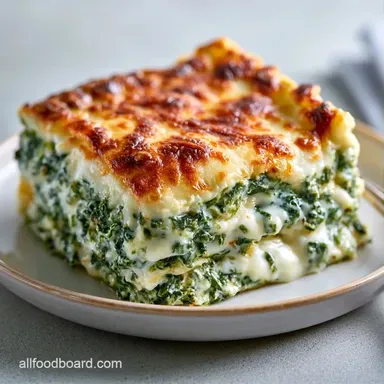
Creamy Cottage Cheese Spinach Lasagna
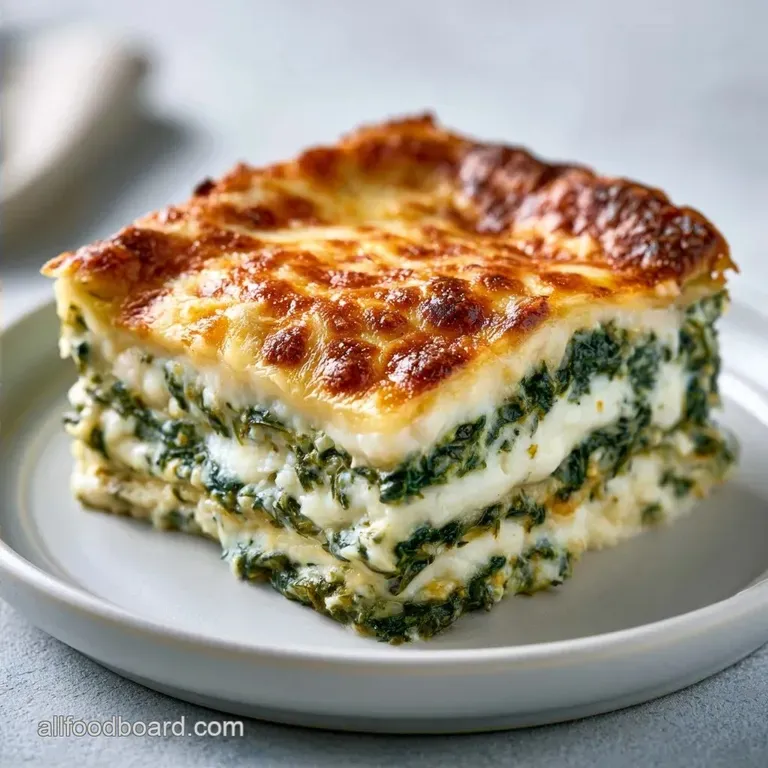
- Time:30 mins prep + 50 mins in oven
- Key Profile: Tangy, creamy cheese with charred, condensed spinach
- Perfect for: Protein-packed vegetarian dinners or meal prep
Cottage Cheese Spinach Lasagna
That sound of a lasagna slice sliding sideways on a plate is the worst. I used to make this dish and end up with a watery soup at the bottom of the pan because the spinach leaked and the ricotta turned into a liquid mess halfway through the bake.
It's a frustrating experience when you've spent an hour layering everything just for it to collapse.
The fix is simpler than you'd think. I stopped using ricotta and started using cottage cheese. It provides a different kind of stability and a bit more tang. More importantly, I changed how I handle the greens. Sautéing the spinach until it's almost dry in the pan prevents that dreaded "lasagna lake."
This Cottage Cheese Spinach Lasagna is a reliable, high protein version of the classic. It feels lighter but stays hearty enough for a main meal. You get the creamy richness and the earthy punch of the spinach without the soggy center.
What Makes It Hold Together
Curd Structure: Cottage cheese has denser curds than ricotta, which creates a sturdy internal frame that doesn't weep as much during baking.
Moisture Evaporation: Sautéing spinach at high heat removes the cellular water, according to Serious Eats, preventing the noodles from becoming mushy.
Ingredient Deep Dive
| Component | Purpose | Substitute Notes |
|---|---|---|
| Cottage Cheese | Primary creamy base | Greek yogurt: Tangier, though less thick |
| Fresh Spinach | Adds color and earthiness | Frozen spinach: Must be squeezed very dry |
| Egg | Binds the mixture | Flax egg: Works, but creates a softer filling |
| Marinara | Provides moisture and tang | Homemade tomato sauce: Lower sugar content |
Here is the complete list of ingredients for the assembly. For the most satisfying texture, I suggest opting for full fat cottage cheese.
Filling & Greens
- 2 cups (450g) cottage cheeseWhy this? More protein and better structure than ricotta
- 1 large (50g) egg, lightly beatenWhy this? Prevents the cheese from leaking
- 1/2 cup (50g) grated Parmesan cheese
- 1/2 tsp (3g) salt
- 1/4 tsp (1g) black pepper
- 1 tsp (2g) dried oregano
- 2 tbsp (30ml) olive oil
- 1 medium (110g) yellow onion, finely diced
- 3 cloves (15g) garlic, minced
- 10 oz (280g) fresh baby spinach, roughly choppedWhy this? Gives the dish a more vibrant color
- 1/4 tsp (1g) red pepper flakes
The Build
- 1 jar (24 oz / 680g) marinara sauce
- 12 (approx. 340g) lasagna noodlesWhy this? Ruffled edges are great for trapping sauce
- 3 cups (340g) shredded mozzarella cheese
- 1/4 cup (10g) fresh parsley, chopped
Basic Tools Needed
No specialized equipment is required. A large skillet for the greens, a mixing bowl for the cheese, and a 9x13-inch baking dish are all you'll need. While not necessary, you can pulse the cottage cheese in a food processor for 30 seconds if you prefer a smooth, ricotta like texture.
The Cooking Process
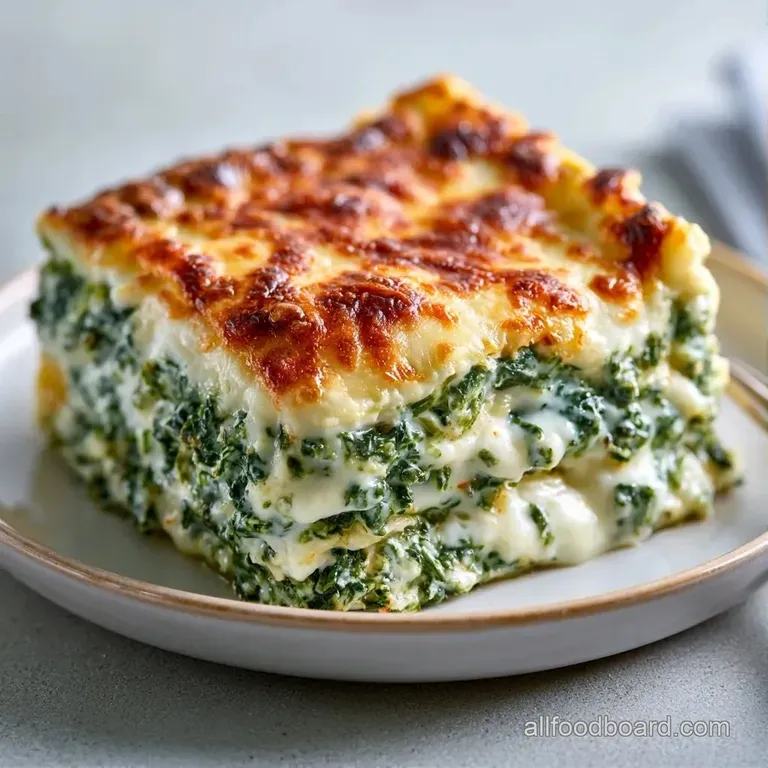
Phase 1: Concentrating the Greens
Warm olive oil in a big skillet over medium heat. Sauté diced onion until translucent (3–5 minutes). Stir in the minced garlic and red pepper flakes.
Add chopped spinach in increments, stirring constantly until wilted and the liquid has completely evaporated from the pan. This step is crucial for preventing a watery result.
Phase 2: Mixing the Cheese
In a large mixing bowl, stir together cottage cheese, a beaten egg, Parmesan, salt, pepper, and oregano until the mixture is cohesive and smooth.
Phase 3: Strategic Layering
Set your oven to 375°F (190°C). Spread 1/2 cup of marinara sauce across the bottom of a 9x13-inch baking dish.
Place 3-4 noodles over the sauce. Spread 1/3 of the cottage cheese mixture over the pasta, then top with 1/3 of the sautéed spinach. Add a layer of marinara and a sprinkle of mozzarella. Repeat these steps twice more. To finish, add a last layer of noodles, the remaining sauce, and the rest of the mozzarella.
Phase 4: The Final Bake
Seal the dish tightly with aluminum foil. Bake for 25 minutes. Take off the foil and continue baking for 15–20 minutes until the cheese is bubbly and browned. Let the lasagna rest for 15 minutes before slicing; otherwise, the layers may slide.
Fixing Common Lasagna Issues
When the lasagna comes out too runny, it's usually because the spinach wasn't cooked down enough or the cheese had too much moisture. If the noodles are hard, the foil likely wasn't tight enough, allowing the steam to escape.
Stopping Watery Layers
Sauté the spinach until it looks dark and condensed. If using frozen spinach, squeeze it in a kitchen towel until no more water drips out.
Fixing Hard Noodles
Ensure the foil creates a tight seal. This traps steam, which hydrates the noodles as they bake.
Preventing Cheese Separation
Don't over mix the cottage cheese filling. Stir it just until combined to keep the structure intact.
| Problem | Fix |
|---|---|
| Watery bottom | Sauté spinach longer |
| Hard noodle edges | Tighten foil seal |
| Filling too loose | Add an extra egg |
Variations & Substitutions
This recipe is highly adaptable. To introduce an earthy, umami depth, stir 8 oz of sautéed mushrooms into the spinach mixture. This transforms the dish into a Cottage Cheese Mushroom Spinach Lasagna, giving it a more gourmet touch.
If you're looking for a different pasta experience, try my Classic Baked Ziti, which uses a similar cheese base but is much faster to assemble. For a heartier, meat filled version, you can layer in some Lasagna Beef Sauce between the noodles and the spinach.
| Goal | What to change |
|---|---|
| More protein | Add diced tofu to filling |
| Extra tang | Swap Parmesan for Pecorino |
| Lighter feel | Use zucchini slices instead of noodles |
Storage & Reheating
Keep any remaining Cottage Cheese Spinach Lasagna in an airtight glass container. It will stay fresh in the fridge for 4 days.
To freeze, allow the lasagna to cool completely. Cut it into individual portions and wrap each in plastic wrap and foil. These can be stored in the freezer for 3 months. To reheat, put a slice in a baking dish with a teaspoon of water and cover with foil.
Use an oven temperature of 350°F (175°C) and heat for 20 minutes.
Minimize waste by collecting onion skins and garlic ends in a scrap bag in your freezer. Once the bag is full, simmer them in water to make a quick vegetable stock for your next soup.
Serving Suggestions
This dish is quite rich, so it pairs well with something bright and acidic. A simple arugula salad with lemon vinaigrette cuts through the creamy cheese.
For a fresh finish, sprinkle the chopped parsley over the top right before serving. It adds a pop of color and a clean, herbaceous note that balances the heavy mozzarella.
How to Actually Nail This
The Protein Powerhouse Using cottage cheese instead of ricotta increases the protein per slice while reducing the overall fat. The texture is slightly more granular, which actually helps it grip the noodles better than a smooth ricotta.
The Browning Process Taking the foil off for the last 20 minutes is what creates that crusty, brown cheese top. This adds a salty, toasted flavor that contrasts with the soft interior.
Debunking Lasagna Myths
The Ricotta Requirement Many believe ricotta is the only way to get a traditional taste. In reality, cottage cheese provides a similar profile with better structural integrity and more protein.
The Noodle Boil Myth You don't always need to boil noodles first. If you use enough sauce and a tight foil seal, the noodles hydrate in the oven, which often prevents them from becoming overcooked and mushy.
Searing for Flavor Sautéing the onion and garlic isn't just about softness. It creates a base of flavor that permeates the entire Cottage Cheese Spinach Lasagna, making the greens taste more integrated and less like a separate layer.
Chef's Note: If you're in a rush, use "no boil" noodles, but add an extra 1/4 cup of water or sauce to the pan. They absorb more liquid than standard noodles, and without the extra moisture, the edges can stay dry.
Right then, you've got a high protein, stable, and creamy Cottage Cheese Spinach Lasagna that won't fail you on the dinner table. It's a great way to get more greens into the family diet without anyone complaining. Enjoy!
Recipe FAQs
How to assemble the cottage cheese and spinach layers?
Spread marinara on the bottom, then layer noodles, cottage cheese mix, sautéed spinach, sauce, and mozzarella. Repeat this sequence twice more before finishing with noodles, sauce, and cheese.
What role does cottage cheese play in the texture?
It provides a creamy, slightly tangy base that holds the layers together. This creates a lighter feel than traditional heavy ricotta mixtures.
Do I need to sauté the spinach first?
Sauté the spinach in olive oil until wilted and moisture evaporates. This prevents the lasagna from becoming soggy during baking.
Can cottage cheese replace ricotta in this recipe?
Yes, it works as a direct substitute and often adds more protein. If you enjoy this creamy style, you might also like the texture in our creamy bake shells.
Is it true that using cottage cheese makes the lasagna too watery?
That's a myth. Sautéing the spinach and mixing the cheese with an egg stabilizes the filling to keep it firm.
Which cheeses work as a substitute for cottage cheese?
Ricotta or small curd farmer's cheese are the best alternatives. These maintain the creamy consistency needed for structural integrity.
Why should the dish rest for 15 minutes?
Resting allows the sauce and cheese to set as they cool slightly. This ensures the lasagna slices cleanly without collapsing.
What temperature is best for baking this lasagna?
Bake at 375°F (190°C). This temperature browns the mozzarella perfectly while heating the center thoroughly.
Cottage Cheese Spinach Lasagna