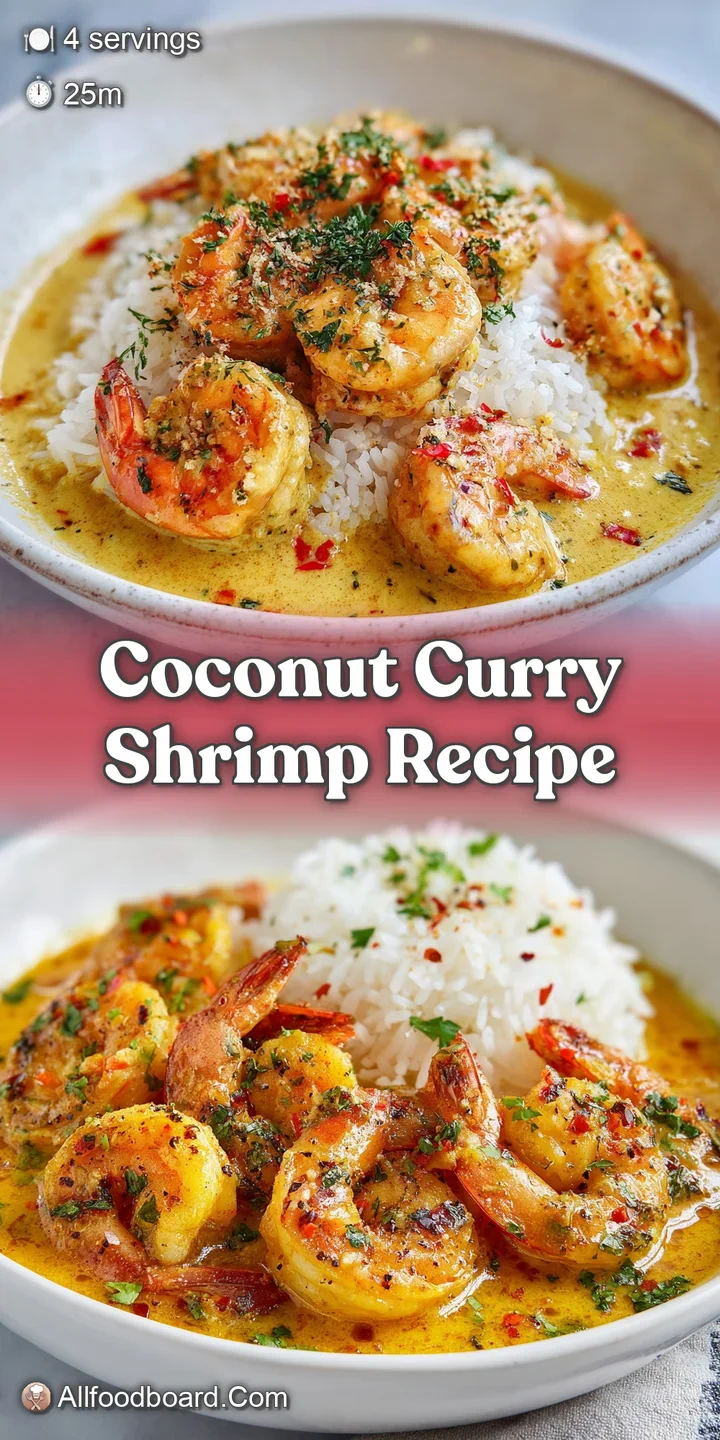
Coconut Curry Shrimp Recipe with Silky Coconut Sauce
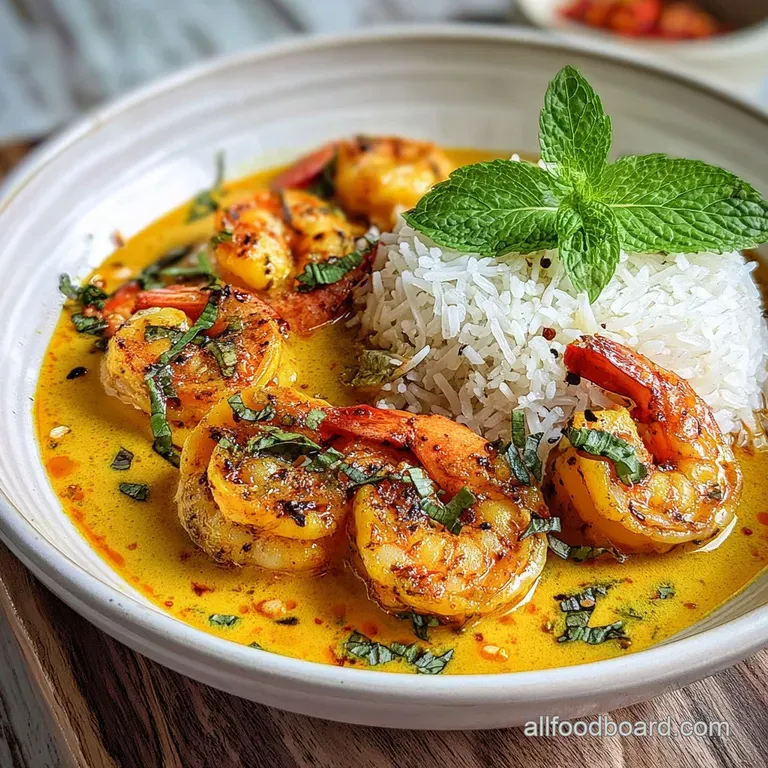
- Time: Active 10 mins, Passive 15 mins, Total 25 mins
- Flavor/Texture Hook: Silky, spiced coconut sauce with snappy, pan seared shrimp.
- Perfect for: Stress free weeknight dinners or a cozy family-friendly weekend meal.
- Mastering This Easy Coconut Curry Shrimp Recipe
- Key Techniques for Silky Sauce
- Component Deep Dive Analysis
- Selecting Your Homemade Meal Essentials
- Basic Kitchen Equipment for Success
- Cooking the Perfect Shrimp Dinner
- Fixing Common Curry Cooking Mistakes
- Smart Variations for Every Family
- Proper Storage and Freshness Tips
- Serving Your Fragrant Curry Dish
- Debunking Common Kitchen Myths
- High in Sodium
- Recipe FAQs
- 📝 Recipe Card
Mastering This Easy Coconut Curry Shrimp Recipe
The kitchen fills with the sharp, warm scent of ginger and garlic hitting the hot oil, followed quickly by the heavy, sweet aroma of coconut milk. It’s that specific moment when the sizzle of the shrimp tells you dinner is only minutes away, and the stress of the day just starts to melt into the steam.
I remember the first time I made this for my family on a rainy Tuesday; we were all tired and grumpy, but one bite of that creamy sauce changed the entire mood.
We aren't just making a meal here, we’re building a reliable back pocket favorite that feels much fancier than it actually is. You’ll get that perfect balance of sweet, salty, and a tiny bit of heat without needing a million ingredients.
It’s the kind of homemade comfort food that makes everyone ask for seconds, even the kids who usually shy away from anything with "curry" in the name.
Expect a sauce that clings to your rice and shrimp that actually snap when you bite into them. We’ve all had those rubbery, overcooked seafood disasters, but we’re going to skip that entirely with a few smart techniques.
Trust me, once you see how fast this comes together, you’ll never want to order takeout again.
Key Techniques for Silky Sauce
Aromatic Concentration: Grating the garlic and ginger directly into the pan releases their essential oils instantly, creating a potent flavor base that infuses the coconut milk without leaving behind chunky bits.
Fat Based Bloom: Frying the curry paste in oil before adding liquid allows the spices to "bloom," which wakes up the dried herbs and creates a deeper, more complex flavor profile.
| Method | Time | Texture | Best For |
|---|---|---|---|
| Fast (Stovetop) | 15 minutes | Snappy, tender shrimp | Busy weeknights |
| Classic (Simmered) | 25 minutes | Denser, thicker sauce | Slow family dinners |
| Meal Prep | 10 minutes | Firm, cold shrimp | Lunch salads later |
This specific approach ensures you get the most out of every ingredient, much like the balance found in a well made & Flavorful One Pan recipe. By focusing on the order of operations, we keep the flavors bright and the textures distinct.
Component Deep Dive Analysis
| Ingredient | Science Role | Pro Secret |
|---|---|---|
| Full fat Coconut Milk | Emulsification base | Never use "light" versions as they lack the fat needed to carry the curry spices effectively. |
| Large Shrimp | Lean protein | Leave the tails on during cooking to add extra depth and a slight sweetness to the simmering sauce. |
| Brown Sugar | Flavor balancer | The molasses notes cut through the acidity of the lime and the saltiness of the fish sauce. |
Understanding how these parts move together helps you adjust things on the fly. If you find yourself enjoying the process of building these sauces from scratch, you might also enjoy the glaze technique used in a Teriyaki Chicken Stir recipe. Both rely on that perfect marriage of sweet and savory to create a cohesive dish.
Selecting Your Homemade Meal Essentials
- 1.5 lbs Large Shrimp: Peeled and deveined. Why this? Large shrimp stay juicy longer than smaller ones during the over high heat searing phase.
- Substitute: Scallops. These offer a similar cook time and sweet flavor profile.
- 13.5 oz Full fat Coconut Milk: One standard can. Why this? Provides the velvety mouthfeel that defines a proper coconut curry.
- Substitute: Heavy cream. Use 1 cup with a splash of water for a non tropical version.
- 2 tbsp Curry Paste: Red or Yellow. Why this? This is a shortcut to intense flavor, containing lemongrass, galangal, and chilies.
- Substitute: 1.5 tbsp Curry powder. It will be less spicy and more earthy in tone.
- 1 small Shallot: Finely minced. Why this? Shallots provide a delicate sweetness that won't overpower the shrimp like white onions might.
- Substitute: Red onion. It adds a bit more bite but works well if minced very fine.
- 3 cloves Garlic: Grated via microplane. Why this? Grating creates a paste that melts into the sauce for a seamless texture.
- Substitute: Garlic powder. Use 1 tsp if you are in a massive rush.
- 1 tbsp Fresh ginger: Grated. Why this? Adds a necessary zing and heat that balances the rich coconut fat.
- Substitute: Ground ginger. Use 1/2 tsp, but fresh is vastly superior here.
- 1 tbsp Fish sauce: Savory depth. Why this? It provides the "umami" or savory backbone that salt alone cannot achieve.
- Substitute: Soy sauce. It’s less pungent but provides the necessary salt and color.
- 1 tbsp Brown sugar: For balance. Why this? It mellows the heat and rounds out the sharp lime juice.
- Substitute: Honey. Adds a floral note but sweetens just as effectively.
- 1 Lime: Zested and juiced. Why this? The acid cuts through the fat of the coconut milk, brightening every other ingredient.
- Substitute: Lemon juice. It’s slightly more tart but serves the same functional purpose.
- 2 tbsp Neutral oil: Avocado or Grapeseed. Why this? These have high smoke points, allowing you to sear shrimp without the oil burning.
- Substitute: Coconut oil. Enhances the tropical flavor of the finished dish.
- 0.5 cup Fresh cilantro: Roughly chopped. Why this? Adds a burst of freshness and color right at the end.
- Substitute: Thai basil. Offers a peppery, anise like finish that is traditional and delicious.
- 0.5 tsp Kosher salt & 0.25 tsp Black pepper: Basic seasoning. Why this? Essential for drawing out the natural sweetness of the seafood.
Basic Kitchen Equipment for Success
You don't need a professional kitchen to pull this off, but a large heavy bottomed skillet is your best friend here. Something like a 12 inch cast iron or a heavy stainless steel pan allows for even heat distribution so every shrimp sears at the same rate.
If the pan is too thin, the coconut milk might scorch at the edges before the center is hot.
A microplane is another essential for this recipe. It’s the easiest way to turn that garlic and ginger into a fine pulp. If you don't have one, just mince them as finely as you possibly can with your sharpest knife.
You also want a silicone spatula to make sure you’re scraping up all those golden bits of curry paste from the bottom of the pan that’s where the real flavor lives.
Cooking the Perfect Shrimp Dinner
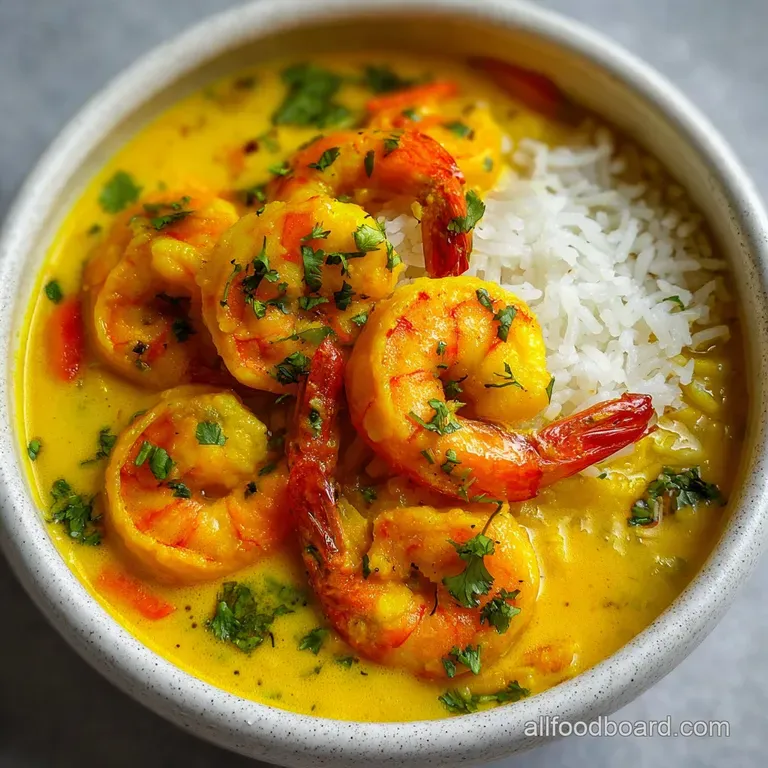
1. The Flash Sear
Pat the 1.5 lbs shrimp completely dry with paper towels, then season with 0.5 tsp salt and 0.25 tsp pepper. Heat 1 tbsp oil in the pan over medium high heat until the oil shimmers and barely smokes.
Add half the shrimp in a single layer and cook for 1 minute per side until pink and just slightly charred. Remove them to a plate; they will finish cooking later in the sauce.
2. Building the Aromatic Foundation
Reduce heat to medium and add the remaining 1 tbsp oil. Toss in the minced shallot and cook for 2 minutes until translucent and soft. Add the 3 grated garlic cloves and 1 tbsp ginger, stirring constantly for 30 seconds until the aroma is fragrant and pungent.
Note: Don't let the garlic brown or it will turn bitter.
3. Emulsifying the Golden Sauce
Add the 2 tbsp curry paste to the center of the pan. Mash it into the oil and shallots for 1 minute until the paste turns a shade darker. Pour in the 13.5 oz coconut milk and whisk gently to combine.
Add the 1 tbsp fish sauce and 1 tbsp brown sugar, bringing the mixture to a gentle simmer until small bubbles break the surface.
4. The Final Marriage
Slide the seared shrimp and any accumulated juices back into the pan. Simmer for 2 to 3 minutes until the sauce thickens slightly and the shrimp are opaque. Remove from heat immediately to prevent the seafood from becoming tough.
5. Brightening the Finish
Stir in the lime zest and the juice of half the lime. Taste the sauce and add more lime juice if you want it more tart. Fold in the 0.5 cup chopped cilantro until just wilted and bright green. Serve immediately over warm rice.
Fixing Common Curry Cooking Mistakes
Fixing a Broken Sauce
Sometimes the oil from the curry paste or the coconut milk can separate, making the sauce look curdled or greasy. This usually happens if the heat is too high or the sauce boils too aggressively.
| Problem | Root Cause | Solution |
|---|---|---|
| Sauce looks oily | Heat was too high | Whisk in a tablespoon of warm water or extra coconut milk off the heat. |
| Shrimp are rubbery | Overcooked in the sauce | Remove shrimp immediately and only add them back for the last 60 seconds of simmering. |
| Curry is too salty | Too much fish sauce | Add an extra teaspoon of brown sugar and another squeeze of lime to balance it. |
A little patience goes a long way when working with coconut milk. It prefers a gentle simmer over a rolling boil, which keeps the proteins in the milk stable and the texture smooth.
Common Mistakes Checklist
- ✓ Pat shrimp completely dry before searing to prevent them from steaming in their own moisture.
- ✓ Don't overcrowd the pan; sear the shrimp in two batches to ensure a golden crust.
- ✓ Grate your ginger and garlic fresh; the pre minced jars lack the bright essential oils needed here.
- ✓ Use full fat coconut milk for the most stable and velvety sauce possible.
- ✓ Add the lime juice at the very end to keep the flavor sharp and the sauce from breaking.
Smart Variations for Every Family
For a Low Carb Boost
If you're watching your carb intake, swap the white rice for cauliflower rice or serve the curry over a bed of steamed zoodles. The sauce is so flavorful that you won't even miss the grain.
You can also toss in a handful of fresh spinach at the very end it wilts in seconds and adds a nice nutritional punch without changing the flavor profile much.
For an Indian Inspired Twist
To move toward an Indian Coconut Curry Shrimp Recipe, swap the red curry paste for 1 tbsp of high-quality yellow curry powder and a pinch of turmeric. Add a splash of heavy cream at the end for even more richness. This version pairs beautifully with warm naan bread instead of rice for dipping.
Scaling for Larger Crowds
When doubling this recipe for a big family gathering, it’s best to sear the shrimp in three or even four batches. If you dump 3 lbs of shrimp into a pan at once, the temperature will drop, and they will release water and boil rather than sear.
For the sauce, you only need to increase the spices by 1.5x initially, then taste and add more if needed. Spices can become overwhelming when strictly doubled.
Proper Storage and Freshness Tips
Leftover curry stays delicious in the fridge for up to 2 days when stored in an airtight container. When reheating, do it gently on the stovetop over low heat. If you microwave it on high, the shrimp will turn into little rubber erasers and the coconut milk might separate.
Add a tiny splash of water or coconut milk to loosen the sauce back up as it warms.
I don't usually recommend freezing this specific dish. Shrimp can get a bit mushy after thawing, and coconut milk sauces have a tendency to grain up once frozen and reheated. If you must, freeze the sauce separately and add fresh shrimp when you're ready to eat. For zero waste, save your shrimp shells!
Toss them into a bag in the freezer; they make an incredible base for a quick seafood stock or chowder later on.
Serving Your Fragrant Curry Dish
For a Classic Pairing
Nothing beats a mound of fluffy jasmine rice to soak up that golden sauce. The subtle floral aroma of jasmine perfectly complements the coconut and lime. If you want to get fancy, stir some toasted coconut flakes or more fresh cilantro into the rice before serving. It turns a simple side into something special.
For a Restaurant Style Look
Presentation is everything when you’ve worked hard on a meal. Serve the curry in shallow bowls rather than plates to keep the sauce pooled around the shrimp. Top with a few extra sprigs of cilantro, a thin wedge of lime on the side, and a sprinkle of cracked black pepper.
The contrast of the bright green herbs against the orange tinted sauce looks stunning on the table.
Debunking Common Kitchen Myths
One big myth is that you must "seal in the juices" of the shrimp by searing them. Searing actually doesn't seal anything; it's all about the Maillard reaction. We sear the shrimp to create those brown, toasted flavor compounds on the surface that make the dish taste complex and savory.
The moisture stays inside mostly because we don't overcook them!
Another common misconception is that "light" coconut milk is just as good for cooking. In reality, light coconut milk is just full fat milk diluted with water. Using it in a curry often leads to a thin, watery sauce that lacks the necessary fat to emulsify with the curry paste.
Stick to the full fat cans for that signature velvety texture we're after.
High in Sodium
912 mg mg of sodium per serving (40% of daily value)
American Heart Association recommends limiting sodium intake to about 2,300mg per day.
Tips to Reduce Sodium in Your Shrimp Curry
-
Reduce Added Salt-25%
Eliminate the 0.5 tsp of kosher salt. The fish sauce and curry paste already contribute significant sodium. Taste and add a pinch if absolutely necessary.
-
Lower Sodium Fish Sauce-20%
Use a low-sodium fish sauce, or reduce the amount used by half (0.5 tbsp). Be sure to taste and adjust other seasonings accordingly.
-
Lower Sodium Curry Paste-20%
Use a low-sodium curry paste, or make your own! Many commercial curry pastes are very high in sodium. If making your own, control the salt level.
-
Enhance with Lime-10%
Instead of relying on salt, use more lime zest and juice to brighten the dish's flavor. Acid can help balance the flavors without adding sodium.
-
Fresh Herbs & Spices
Experiment with other fresh herbs and spices like basil, lemongrass, or chili flakes to enhance the flavor profile. These additions add depth without adding sodium.
Recipe FAQs
What are common mistakes when making coconut curry?
Overcooking the shrimp and boiling the sauce too hard. Overcooking leads to rubbery shrimp, while aggressively boiling the coconut milk causes the fat and water to separate, resulting in a broken or curdled sauce.
Is it better to use coconut milk or coconut cream in a curry?
Coconut milk is generally preferred for sauce consistency. Full fat coconut milk provides enough fat to carry the curry paste's flavor without making the sauce overly heavy or dense like pure coconut cream.
What goes well with coconut curry shrimp?
Jasmine rice is the ideal companion for soaking up the sauce. For a heartier or lower carb option, steamed vegetables or cauliflower rice work wonderfully.
Is coconut shrimp healthy or unhealthy?
It is a relatively balanced dish, leaning toward rich, not strictly "unhealthy." It offers lean protein from the shrimp and healthy fats from the coconut milk; use low-sugar additions and serve over brown rice to maximize nutrition.
How do I prevent my shrimp from steaming instead of searing?
Pat the shrimp completely dry with paper towels before adding them to the hot oil. Moisture turns to steam when hitting the pan, which prevents the necessary browning reaction that creates deep flavor.
How do I balance the sauce if it ends up too spicy?
Increase the sweetness and fat content to counteract the heat. Stir in another teaspoon of brown sugar and incorporate a splash of extra full fat coconut milk, much like adding cream to temper spice in a creamy sauce base.
How do I build a deeper flavor base before adding the liquid?
Bloom the curry paste in the oil with the aromatics for several minutes. This crucial step cooks out the raw flavor of the paste and wakes up the spices, releasing their full essential oils before the coconut milk mellows them out.
Coconut Curry Shrimp Recipe
Ingredients:
Instructions:
Nutrition Facts:
| Calories | 468 kcal |
|---|---|
| Protein | 37.5 g |
| Fat | 27.5 g |
| Carbs | 10.2 g |
| Fiber | 1.1 g |
| Sugar | 5.4 g |
| Sodium | 912 mg |
