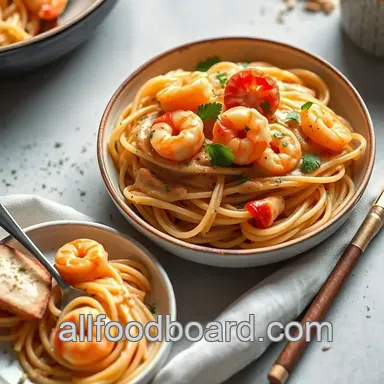
Sautéed Shrimp Pasta with Spicy Creamy Sauce
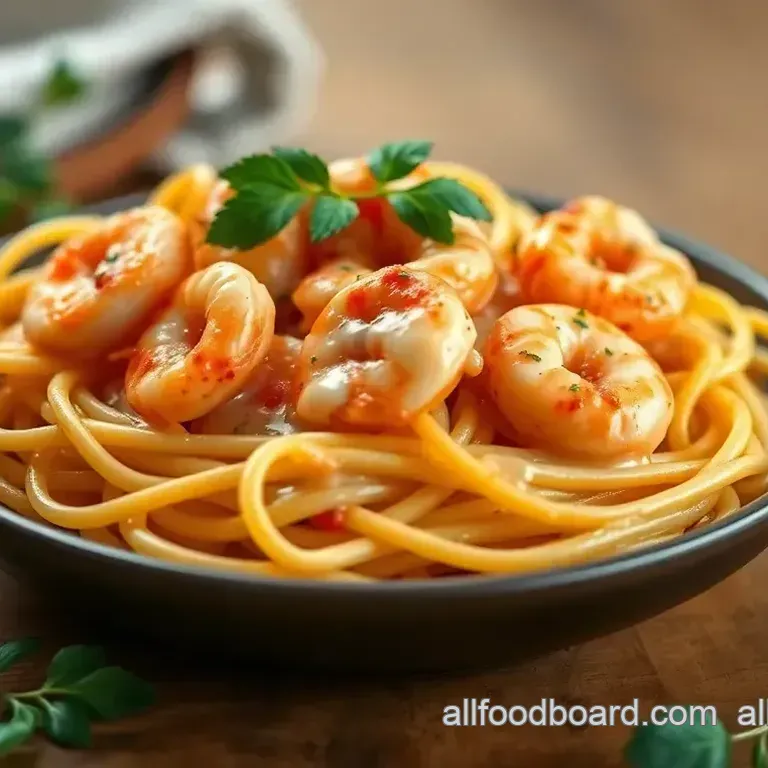
- Time: 10 min prep + 20 min cook
- Flavor/Texture Hook: Tangy, decadent, and mildly piquant
- Perfect for: Quick evening meals
The aroma of frying garlic and paprika always brings back memories of small coastal eateries. There is a certain magic to that spice hitting a hot skillet that feels like a getaway. In those seaside villages, pasta dishes aren't defined by complex methods, but by the bold use of fresh ingredients.
This is the definitive recipe for Sautéed Shrimp Pasta with Spicy Creamy Sauce. It preserves those classic tastes while optimizing the process for a hectic schedule. You achieve the complexity of a long-simmered sauce without actually waiting an hour for it to develop.
I spent years overcooking my shrimp until they were rubbery. These days, I live by the two-minute rule. This approach to Sautéed Shrimp Pasta with Spicy Creamy focuses on precise timing and temperature control to ensure every bite stays tender.
Sautéed Shrimp Pasta with Spicy Creamy
Over High heat Searing: Quick cooking at high temps browns the shrimp in 4 minutes, which adds a savory crust without drying out the center.
Pasta Water Emulsion: The starchy water binds the fat from the butter and cream to the noodles, preventing the sauce from sliding off.
Tomato Paste Reduction: Cooking the paste until it turns brick red removes the raw metallic taste and adds a concentrated sweetness.
| Method | Time | Texture | Best For |
|---|---|---|---|
| Fast Sauté | 30 mins | Light & Zesty | Weeknights |
| Classic Simmer | 90 mins | Deep & Heavy | Sunday Dinner |
The trick here is managing the pan temperature. If the pan is too cold, the shrimp will boil in their own juices instead of searing.
Gathering Your Essentials
The choice of fats here is what makes the sauce work. Butter provides the richness, while olive oil allows the shrimp to hit higher temperatures without burning.
For the heat, red pepper flakes are standard, but you can adjust them based on your tolerance. If you want a more nuanced heat, a pinch of cayenne works too. I usually stick to the flakes because they provide little bursts of spice throughout the dish.
The heavy cream is the stabilizer. It cuts through the acidity of the tomato paste and the bite of the garlic, creating a cohesive, balanced flavor.
Recipe Specs
This recipe is designed for a family of four. It fits perfectly in a standard 12 inch skillet. Since we are using linguine, a large stockpot is needed to prevent the noodles from clumping.
The total time is 30 minutes. This includes the 10 minutes of prep and 20 minutes of active cooking. Trust me, if you prep your garlic and parsley first, the actual cooking part feels like a breeze.
Equipment Needed
No fancy equipment is required. All you really need is a big pot and a heavy-bottomed skillet. I opt for cast iron or stainless steel because they retain heat more effectively than non-stick, which is key for searing the shrimp.
A colander is essential for the pasta. I also suggest prepping the shrimp seasoning in a small bowl beforehand so you aren't rushing once the oil is shimmering.
The Cooking Process
Phase 1: The Pasta Base
- Start by heating a big pot of salted water until it reaches a full boil.
- Add 340g linguine or fettuccine and cook per the package instructions until al dente.
- Reserve 120ml of the cloudy pasta water Note: this starch is vital for the sauce cling before draining the remaining noodles.
Phase 2: Searing the Shrimp
- In a small bowl, toss 450g peeled and deveined shrimp with 5g paprika, 2.5g salt, and 1.2g black pepper.
- Warm 30ml of olive oil in a pan on medium-high until it looks glossy.
- Sauté the shrimp in a single layer for 2 mins per side until opaque and pink, then remove them from the pan.
Phase 3: Building the Spicy Creamy Sauce
- Reduce heat to medium and melt 30g unsalted butter in the same skillet.
- Stir in 15g minced garlic and 2.5g red pepper flakes, sautéing for 60 seconds until fragrant.
- Mix in 32g tomato paste and cook for 2 mins until it turns a deep brick red.
- Pour in 240ml heavy cream and stir constantly until a uniform, velvety orange color forms, then simmer for 3-5 mins until slightly thickened.
- Whisk in 120g grated Parmesan cheese and 15ml fresh lemon juice until the cheese is completely melted.
Phase 4: The Final Assembly
- Combine the cooked pasta and seared shrimp into the sauce, adding the reserved pasta water as needed to help the sauce adhere, then garnish with 8g chopped parsley.
Avoiding Kitchen Disasters
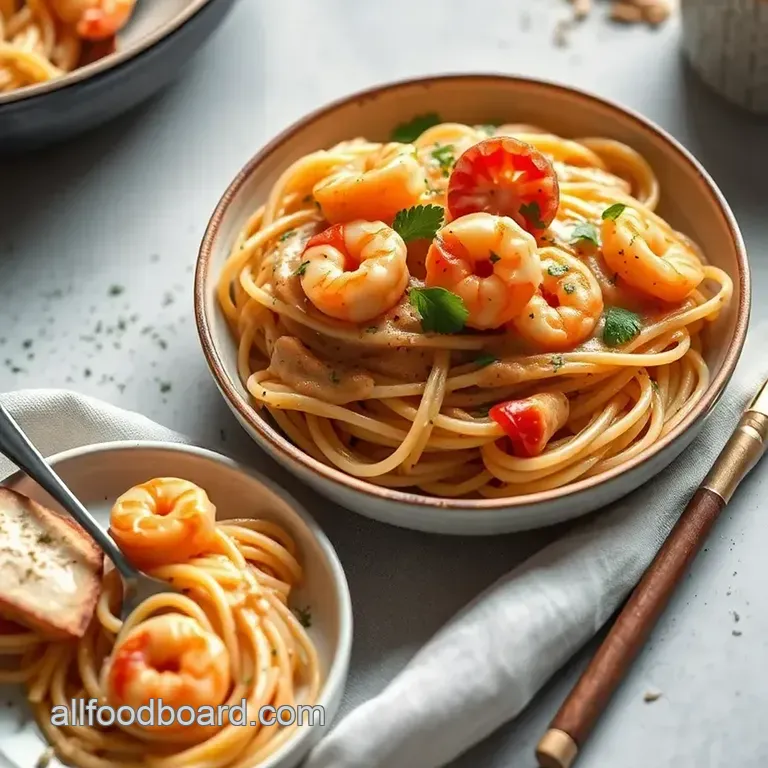
Getting the sauce consistency right is where most people struggle with Sautéed Shrimp Pasta with Spicy Creamy. If the sauce looks separated or too thin, it's usually a temperature issue.
Another common problem is the shrimp texture. Shrimp cook incredibly fast. If you leave them in the pan while building the sauce, they will turn into rubber. Always remove them first.
If the spice level is too high, adding a extra splash of cream or a bit more lemon juice can mellow out the heat without ruining the flavor profile.
Fixing Runny Sauce
If the sauce doesn't cling to the pasta, you likely didn't reduce the cream enough. Simmer it for another 2 minutes before adding the noodles.
Rubbery Shrimp Fix
This happens when shrimp are overcooked. Stick to the 2 minute per side rule and remove them the moment they turn pink.
Too Much Heat
If the red pepper flakes were too aggressive, stir in an extra tablespoon of butter or cream to neutralize the capsaicin.
| Problem | Root Cause | Solution |
|---|---|---|
| Sauce is watery | Not enough reduction | Simmer 2-3 mins longer |
| Shrimp are tough | Overcooked | Remove immediately when pink |
| Sauce is grainy | Cheese overheated | Lower heat before adding Parmesan |
Once you have the technique down, you can start playing with the ratios.
Make-ahead and Leftover Tips
Sautéed Shrimp Pasta with Spicy Creamy stays good in a sealed container in the cooler for about 2 days. However, pasta tends to soak up the sauce as it sits, so it will look much drier when you open the container the next morning.
To reheat, don't use a microwave if you can avoid it, as it can make the shrimp rubbery. Instead, put the pasta back in a skillet over medium heat and add a splash of water or milk. This loosens the sauce and brings back that creamy texture.
Freezing this dish is generally a bad idea. The cream sauce often breaks during the thawing process, and the shrimp lose their snap. If you want to prep ahead, cook the sauce and sear the shrimp separately, then combine them and boil the pasta fresh. This is similar to how I handle my Garlic Shrimp Fettuccine when cooking for a crowd.
For zero waste, save your shrimp shells. Boil them with a bit of onion and celery to make a quick seafood stock. You can use that stock as a base for future risottos or soups.
Serving Suggestions
To maintain the temperature, I recommend plating this Sautéed Shrimp Pasta with Spicy Creamy in shallow bowls. Be sure to include some toasted baguette or crusty sourdough for soaking up every last bit of the vibrant orange sauce.
To add a bright contrast, try pairing the meal with a zesty arugula salad. The peppery notes of the leaves provide a perfect counterpoint to the heavy cream and Parmesan.
For a more formal dinner party presentation, add a sprinkle of fresh parsley and a lemon wedge to each plate. A quick spritz of lemon juice just before serving really brightens the overall taste profile.
Mix It Up
Feel free to customize the flavors based on what you have on hand. For a Cajun twist, replace the paprika with a mixture of thyme, oregano, and a bit more cayenne.
To add a zesty brightness, stir a teaspoon of lemon zest into the butter along with the garlic. This makes the Sautéed Shrimp Pasta with Spicy Creamy feel lighter and more like a summer meal.
If you prefer a gluten-free alternative, try brown rice pasta or chickpea noodles. Just watch the boiling time closely, as gluten-free pasta can transition from al dente to mushy in about 30 seconds. For a different take on a creamy tomato base, you might like my Pink Sauce Pasta.
To make a lighter version, substitute half and half for the heavy cream, though the sauce will be slightly thinner.
| Original Ingredient | Substitute | Why It Works |
|---|---|---|
| Heavy Cream (240ml) | Half and Half (240ml) | Lower fat content. Note: Sauce will be thinner |
| Linguine (340g) | Penne (340g) | Tubes hold the sauce well. Note: Different mouthfeel |
| Parmesan (120g) | Pecorino Romano (120g) | Sharper, saltier flavor. Note: Reduce salt used for the shrimp |
- - For a bolder heat
- Use 1 tsp red pepper flakes instead of ½ tsp.
- - For a thicker sauce
- Simmer the cream for 7 minutes instead of 5.
- - For a tangier finish
- Increase lemon juice to 2 tbsp.
Scaling Your Portions
When you're making this for a crowd, don't just double everything in one pan. If you put too many shrimp in the skillet at once, they will release too much water and steam instead of searing. Work in two batches for the shrimp to keep that mahogany crust.
For the sauce, you can double the liquids and cheese, but only increase the red pepper flakes and garlic by about 1.5x. Spices can become overwhelming when scaled linearly.
If you're cooking for just one or two people, use a smaller skillet. A 12 inch pan with a tiny bit of sauce will cause the liquid to evaporate too quickly, leaving you with a sticky mess instead of a pourable sauce.
Kitchen Myths
One big myth is that you need to "seal" the shrimp by searing them to keep the juices in. In reality, searing is just about adding flavor. The juices move based on temperature, not a "seal."
Another common misconception is that you must use expensive, imported pasta for a restaurant result. The real trick to Sautéed Shrimp Pasta with Spicy Creamy is the pasta water and the reduction of the sauce, not the brand of the noodle.
Finally, some say you should never add lemon juice to cream because it curdles. While high heat and acid can cause splitting, adding the juice at the very end after the heat is lowered keeps the sauce smooth.
Sautéed Shrimp Pasta with Spicy Creamy is one of those dishes that feels fancy but is actually just a series of simple, smart moves. Once you stop fearing the cream and start trusting the sear, you've got a reliable winner for any night of the week.
Recipe FAQs
How can I make the sauce creamy?
Stir in heavy cream and grated Parmesan cheese until completely melted. This creates a rich base that coats the noodles evenly.
What sauce pairs best with shrimp?
A spicy blend of tomato paste, cream, and lemon juice provides the ideal balance. The acidity of the lemon cuts through the richness of the butter.
How to stop shrimp from getting rubbery?
Sauté them in a single layer for exactly two minutes per side. Remove them from the pan as soon as they turn pink and opaque.
Why is this called "marry me" shrimp pasta?
This name comes from a viral trend where the sauce is considered delicious enough to earn a marriage proposal. It relies on a fragrant combination of garlic, cream, and red pepper flakes.
Is it true that tomato paste should be added to the cream immediately?
False. Cook the paste in butter for two minutes until it turns a deep brick red to remove the raw metallic taste.
Which method ensures the sauce clings to the pasta?
Incorporate the reserved cloudy pasta water during the final toss. This starchy liquid emulsifies the fats for a restaurant-quality finish.
What other flavors complement this dish?
Adding a Cajun twist can elevate the heat profile. If you enjoy this bold seasoning, see how the same principle works in our Cajun shrimp.
Do I need to sear shrimp on low heat for tenderness?
This one's false: Use medium-high heat to brown the exterior quickly while keeping the inside moist.
Spicy Shrimp Pasta in 30 Minutes