The Ultimate Sunday Slowsimmered Italian Meat Lasagna
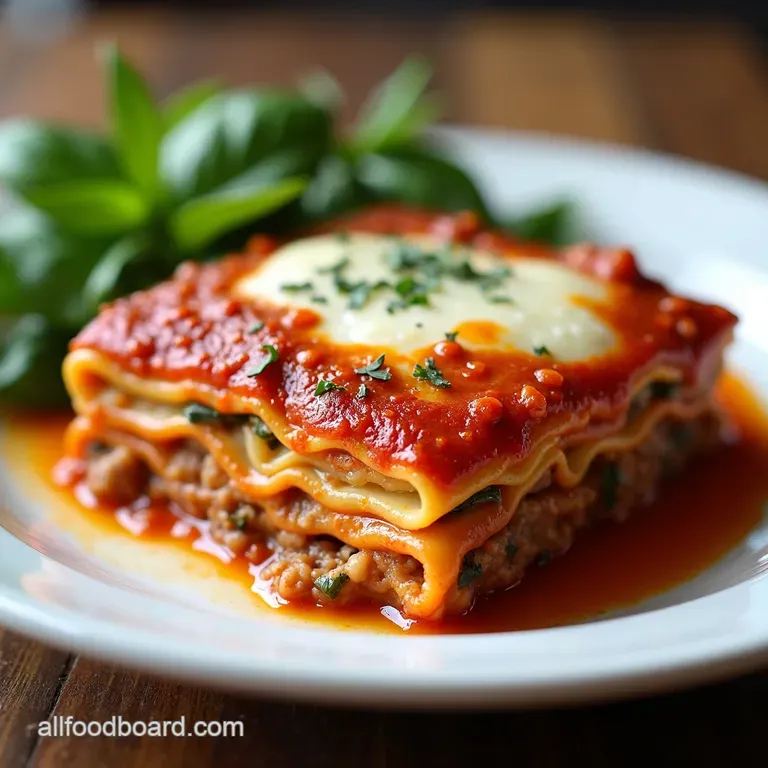
- The Soul of Sunday Dinner: Unveiling Our Authentic Italian Meat Lasagna
- Why This Slow-Cooked Method Replaces Every Freezer Aisle Imposter
- Gathering the Cornerstones of Deep Flavour: Essential Components
- Phase One: Developing the Richness of the Bolognese Ragù
- Building the Edifice: Strategic Layering of Your Italian Meat Lasagna
- The Grand Finale: Baking to Golden Perfection and Essential Resting
- Beyond Beef: Creative Twists on the Classic Lasagna Profile
- Frequently Asked Questions
- 📝 Recipe Card
The Soul of Sunday Dinner: Unveiling Our Authentic Italian Meat Lasagna
There are few dishes that command the reverence and anticipation of a truly spectacular Italian Meat Lasagna . This isn't merely a recipe; it’s a culinary ritual, the centerpiece of family gatherings, and the ultimate expression of slow cooked comfort.
We are moving far beyond the quick fix casseroles of weeknights. The authentic italian meat lasagna recipe we are exploring today is built upon patience specifically, the patience required to coax deep, layered flavour from a magnificent, slow simmered ragù.
This magnificent bake combines the savoury depth of beef and pork, the creamy tang of fresh ricotta, and the salty blanket of melted mozzarella, all suspended between perfectly tender pasta sheets.
Prepare yourself; we are crafting the kind of classic meat lasagna recipe that defines generational cooking.
Why This Slow Cooked Method Replaces Every Freezer Aisle Imposter
The defining characteristic separating a mediocre lasagna from a truly memorable one lies entirely in the sauce and the assembly approach. Our method focuses on developing fundamental flavours step-by-step, ensuring that every single layer contributes meaningfully to the final profile.
This dedication to process is what transforms humble ingredients into the best italian meat lasagna recipe you’ll ever taste.
Setting the Stage: Embracing the Weekend Project Mentality
Making this dish properly requires carving out several hours, typically on a weekend afternoon. This is intentional. The foundation of this Italian beef lasagna recipe is the ragù , which benefits immensely from a long, low simmer often two to three hours.
Viewing this as a slow, rewarding project, rather than a race, allows the aromatics to meld, the meat to tenderize beautifully, and the tomato base to sweeten naturally. This dedicated time investment separates the amateurs from the artisans in the kitchen.
Defining 'Authentic': The Ragù Secret That Elevates the Dish
Authenticity, in this context, means honouring the tradition of a slow cooked meat sauce, or ragù . We start not just with meat and tomatoes, but with the holy trinity of Italian cooking: onion, carrot, and celery the soffritto .
These vegetables must be sweated down gently until they are almost melting before the meat is introduced. Crucially, we deglaze the pot with a robust dry red wine, which adds a necessary layer of acidic complexity that cuts through the richness of the beef and pork blend.
This rich meat sauce recipe is the backbone of our entire bake.
What Makes This Comfort Food Masterpiece Unforgettable
Beyond the sauce, the textural interplay is paramount. We utilize a vibrant, fresh cheese filling, heavily leaning on whole milk ricotta, bound lightly with an egg to prevent excessive weeping during the bake.
This creamy component contrasts wonderfully with the sharp, salty lift from freshly grated Parmesan and the blanket of gooey, low-moisture mozzarella on top. This careful balance ensures that the finished classic lasagna is satisfyingly hearty without feeling heavy or dense.
Gathering the Cornerstones of Deep Flavour: Essential Components
To achieve the depth required for a truly spectacular Italian Meat Lasagna , you must treat each component the sauce, the cheese, and the pasta with equal respect.
Our recipe builds flavour outwards from the rich meat sauce recipe , integrating all elements seamlessly.
Sourcing Superior Meats for the Ultimate Ragù Base
For the ragù, a mixture is non-negotiable. We combine ground beef (aiming for an 80/20 blend for necessary fat content) with either ground pork or mild Italian sausage (casings removed).
The pork adds sweetness and succulence, while the sausage brings subtle spice and herbaceous notes, creating a more complex mouthfeel than beef alone. Browning the meat thoroughly and draining the excess rendered fat before adding liquids is key to maintaining a clean, deep flavour profile in the final sauce.
Selecting the Ideal Pasta Sheets: Fresh vs. Dried Considerations
The choice of pasta impacts the final texture significantly. If you use standard dried lasagna noodles, ensure you undercook them slightly (cook them al dente by about two minutes) during boiling. They will finish cooking perfectly while absorbing the sauce during the long bake.
If you opt for no-boil sheets, use them sparingly in the bottom layer, ensuring they are well covered by sauce to hydrate properly. Fresh pasta, if available, offers a delicate texture but requires more careful handling during assembly.
Tool Kit Checklist: Essential Equipment for Layering Success
While the ingredient list might seem long, the equipment needed is surprisingly simple. The most critical item is a large, heavy bottomed Dutch oven or stockpot; this ensures even heat distribution for your long simmering ragù.
Next,, you need a standard 9x13-inch deep baking dish this size is optimal for achieving the necessary height and structural integrity for clean slicing later on.
Related Recipes Worth Trying
- The Best Homemade Lasagna Rich Ragu Silky Béchamel — Forget watery versions This ultimate Homemade Lasagna recipe delivers a deeply savoury ragu creamy béchamel and perfect layers Get the foolproof method
- Creamy Tomato Basil Tortellini Weeknight Italian Comfort Food — Whip up this Creamy Tomato Basil Tortellini in just 30 minutes This easy weeknight pasta is pure Italian comfort food Get ready for a cheesy creamy delight
- Sausage Pepper Pasta Bake Italian Hot Dish Done Right — This Sausage Pepper Pasta Bake is the Italian Hot Dish Cheesy comforting and easy enough for a weeknight Get that crispy cheese every time
Phase One: Developing the Richness of the Bolognese Ragù
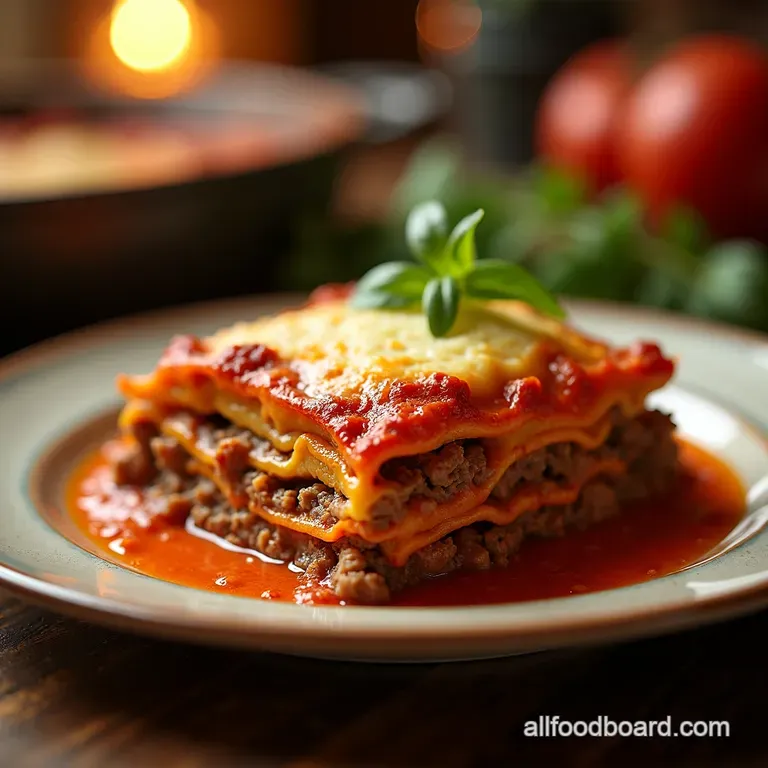
The ragù demands your initial attention. Begin by creating your soffritto —slowly sweating the finely diced onion, carrot, and celery in olive oil over medium low heat for about 10 minutes until they are sweet and translucent, not browned.
Once this base is soft, introduce the ground beef and pork/sausage. Brown this mixture thoroughly, ensuring any excess rendered grease is drained away to keep the sauce clean. The next step is crucial for depth: deglaze the pot with a full cup of dry red wine, scraping up all those delicious browned bits from the bottom.
Allow this wine to reduce by half. Finally, incorporate the crushed San Marzano tomatoes, tomato paste, broth, oregano, fresh basil, and a bay leaf. Season generously.
Simmering Strategy: Achieving Maximum Savoury Depth in the Sauce
Now comes the true work: simmering. Bring the sauce just to a gentle burble, then reduce the heat to the barest possible minimum, cover slightly ajar, and let it go. Aim for at least 1. 5 hours, but ideally two, stirring every 20 minutes.
This long simmer concentrates the sugars in the tomato, tenderizes the meat fibres, and marries the seasoning, resulting in that deeply complex flavour profile essential for the authentic italian meat lasagna recipe .
Building the Edifice: Strategic Layering of Your Italian Meat Lasagna
With your rich ragù complete and your fillings prepped, assembly can begin. Preheat your oven to 375° F ( 190° C). To prevent sticking and ensure the bottom noodles cook beautifully, spread a thin base layer of ragù in your 9x13 baking dish.
The Creamy Interlude: Whipping the Ricotta Filling to Perfection
While the sauce simmers, prepare the cheese layer. In a bowl, mix the entire container of whole milk ricotta with one cup of freshly grated Parmesan, finely chopped flat leaf parsley, one lightly beaten egg (the essential binder), salt, and pepper.
Mix gently until just incorporated; over mixing can make the ricotta grainy.
Pro Tip: How to Avoid Soggy Bottoms During Assembly
The layering order dictates success. After the initial sauce base, lay down your first layer of pasta sheets. Next, spread half of your seasoned ricotta mixture evenly over the noodles.
Follow this immediately with one-third of your shredded mozzarella, and then spoon over one-third of the remaining ragù. Repeat this process: noodles, remaining ricotta, mozzarella, and more ragù.
The final layer should be noodles, covered generously with the last of the ragù, topped with the remaining mozzarella and a final blanket of Parmesan cheese.
The Grand Finale: Baking to Golden Perfection and Essential Resting
Cover your creation tightly with aluminium foil a crucial step to trap the steam needed to fully hydrate the pasta sheets. Bake this magnificent italian meat lasagna for 45 minutes at 375° F ( 190° C).
After this covered period, remove the foil and bake for an additional 15 to 20 minutes. You are looking for a bubbling, deeply browned, and richly textured top crust.
Mastering make-ahead: Storage Secrets for Your Hearty Bake
This classic lasagna recipe is infinitely better when made ahead of time. If assembling the day before, cover tightly and refrigerate. On baking day, allow it to sit on the counter for 30 minutes to take the chill off before placing it in the preheated oven, likely requiring an extra 10- 15 minutes of baking time.
Beyond Beef: Creative Twists on the Classic Lasagna Profile
While the classic combination of beef and pork is the standard for this italian beef lasagna recipe , feel free to explore variations. For a slightly leaner version, substitute the pork with ground veal for a more delicate flavour.
Some home cooks even mix in finely chopped, sautéed mushrooms or shredded cooked chicken breast into the cheese filling for textural variation.
The Ideal Pairing: What Wine and Sides Complement This Dish?
Because this Italian Meat Lasagna is so rich and flavourful, you need sides that cleanse the palate. A very simple side salad featuring peppery arugula dressed simply with lemon juice and olive oil works perfectly.
For wine, stick to medium bodied Italian reds that have good acidity, such as a Sangiovese or a Chianti Classico, which stand up beautifully to the tomato and meat without overwhelming the dish.
Troubleshooting Common Lasagna Mishaps (Too Runny, Too Dry)
If your finished lasagna appears too runny, it almost always points back to not draining the ricotta sufficiently or using fresh mozzarella that holds too much water. If it seems too dry, you didn't use enough sauce or didn't cover it adequately during the initial bake ensure that every edge of the pasta is kissed by liquid.
Freezing and Reheating Instructions for Future Comfort
This recipe yields ample servings, making it perfect for freezing. Assemble the entire lasagna, but do not bake it. Wrap the unbaked dish tightly in two layers of plastic wrap followed by a layer of heavy duty foil. Freeze for up to three months.
When ready to bake, remove the plastic wrap, keep the foil on, and bake from frozen at 375° F ( 190° C) for approximately 1.5 to 2 hours, before removing the foil for the final browning stage.
Frequently Asked Questions
Why does my Italian Meat Lasagna always turn out watery, even after baking?
This usually happens for one of two reasons: either your ragù wasn't simmered long enough, leaving too much liquid, or the ricotta filling was too wet. Next time, ensure your meat sauce reduces down until it's thick like a hearty stew and drain your ricotta slightly before mixing it with the egg and cheese binder.
Can I make this Italian Meat Lasagna ahead of time, like a proper Sunday roast?
Absolutely! Lasagna is brilliant for making ahead; it often tastes even better the next day once the flavours have married properly. You can assemble the entire dish, cover it tightly, and refrigerate it for up to 24 hours before baking.
Just add an extra 10-15 minutes to the covered baking time since it will be starting cold.
What's the secret to getting that perfect golden brown, non-sticky cheesy top?
The key to a fantastic top layer is twofold: use a good quality, low-moisture mozzarella, and ensure you remove the foil for the final 15-20 minutes of baking. For an extra rich finish, sprinkle the final layer with freshly grated Parmesan; it caramelizes beautifully under the direct heat.
I don't have time for a 4-hour simmer; how can I speed up the ragù for my weeknight lasagna?
While the long simmer is what gives it that Nonna level depth, you can get away with a shorter time in a pinch. Brown your meats well, and after adding the tomatoes and liquid, let it simmer hard on low for a full hour, stirring every 15 minutes.
Using a pressure cooker can also drastically reduce the simmer time to about 30 minutes, though the flavour won't be quite as nuanced.
Can I freeze leftover baked lasagna, and how should I reheat it properly?
Yes, freezing leftover lasagna is a fantastic time saver! Cool it completely, slice it into individual portions or leave it whole, and wrap it very tightly in plastic wrap followed by foil.
When ready to eat, defrost it overnight in the fridge, then bake covered until heated through, or reheat from frozen at a lower temperature (around 325°F/160°C) for about an hour.
Ultimate Italian Meat Lasagna
Instructions:
Nutrition Facts:
| Calories | 500 calorie |
|---|---|
| Fat | 28g |
| Fiber | 4g |
