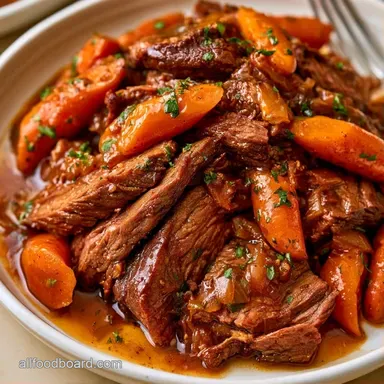
Traditional German Sauerbraten with Red Wine
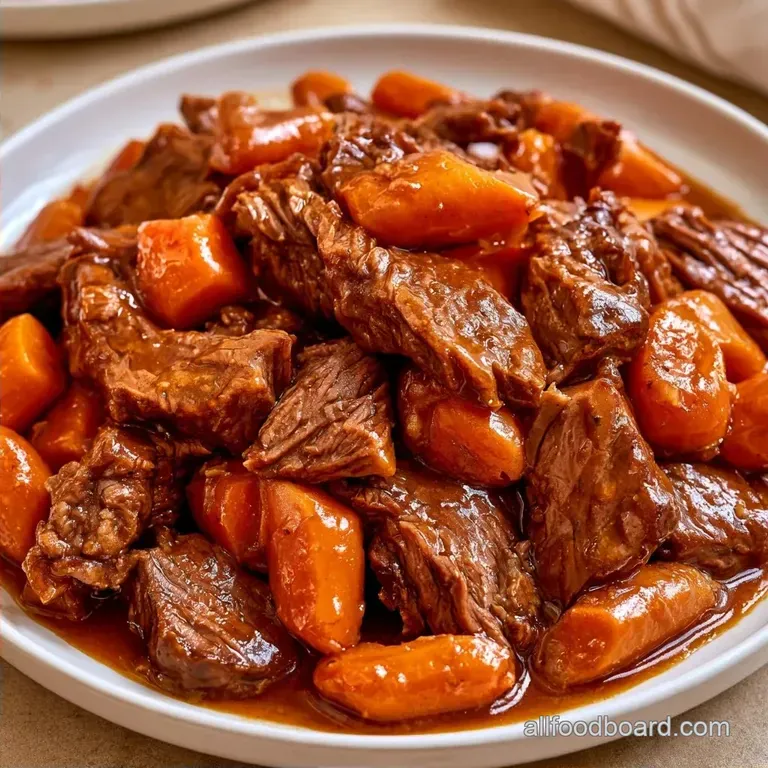
- Time: 30 min active + 3 to 5 days chilling
- Flavor/Texture Hook: Tangy, mahogany-hued beef in a luscious, gingersnap-thickened gravy
- Perfect for: Chilly winter Sundays, family get-togethers, or meal prep
The pungent, vinegary aroma filling a hot Dutch oven is a sure sign that a fantastic meal is on the way. I once tried to cut corners by marinating the beef for only a single day, but the resulting roast was rubbery and difficult to chew.
I learned the hard way that you simply cannot bypass the chemical process required for a proper roast.
The true reward comes with patience. Searing the marinated beef creates a deep, mahogany caramelization and a scent reminiscent of a traditional Bavarian kitchen. While it takes time, the end result is incredibly comforting on a rainy afternoon.
This guide for Traditional German Sauerbraten emphasizes patience and a few essential techniques. We will explore how to harmonize the sweetness of gingersnaps with the tang of red wine vinegar to create a gravy that is rich and balanced rather than overly sour.
Quick Recipe Specs
Let's break down the schedule. This isn't a meal you can throw together in an hour; you must account for the soaking period. If you plan to serve this on Sunday, start your marinade by Tuesday or Wednesday.
The process is straightforward: soak, sear, simmer, and thicken. Most of the heavy lifting is done by the refrigerator and a low flame on the stove. It is an accessible way to produce a high-impact dish without spending the entire day hovering over the pot.
If you're in a rush, there is a shortcut, but it comes with a trade-off. Reducing the marinating time will result in a loss of that characteristic depth. Here is how the two approaches compare.
| Method | Marination Time | Result |
|---|---|---|
| Traditional | 3-5 Days | Deep tang, fork tender meat |
| Shortcut | 24 Hours | Milder flavor, firmer bite |
Why This Meat Works
The reason Traditional German Sauerbraten uses a long soak is all about the beef's structure. Beef chuck is full of connective tissue and collagen, which are tough when raw but turn into something else entirely when treated right.
The Acid Soak: Vinegar and wine act as chemical tenderizers. They penetrate the muscle fibers and start breaking down the proteins long before the heat hits the pan.
Collagen Conversion: During the 2 hour 30 minute simmer, the collagen melts into gelatin. This is what gives the sauce its body and makes the meat feel lush and tender.
Serious Eats' testing shows that the combination of acidity and low temperature braising is the most reliable way to ensure a tough cut of beef becomes tender without drying out.
What You'll Need
A successful German Sauerbraten relies on a harmonious blend of flavors. The vinegar provides a bright tang, the red wine adds richness, and the gingersnaps introduce a hint of sweet spice to balance the dish.
For the Marinade
- 3 lbs beef chuck roast
- 1 cup red wine vinegar Why this? Provides the essential acidity for tenderizing
- 1 cup dry red wine Why this? Adds tannins and complexity
- 1 large onion, sliced
- 2 large carrots, sliced
- 1 tbsp black peppercorns
- 5 whole cloves
- 3 dried bay leaves
- 1 tsp salt
For the Braise and Sauce
- 2 tbsp vegetable oil
- 2 cups beef broth
- 1 cup carrots, chopped
- 1 cup celery, chopped
- 1 tbsp tomato paste Why this? Adds umami and helps the color
- 40g gingersnap cookies, crushed Why this? Traditional thickener with a warm spice profile
- 1/4 cup raisins Why this? Adds small bursts of sweetness
- 1 tbsp butter Why this? Gives the sauce a glossy finish
Let's dive into the specific purpose of these key ingredients.
| Ingredient | Role | If You Don't Have It |
|---|---|---|
| Beef Chuck | Main Protein | Boneless brisket (slightly fattier) |
| Red Wine Vinegar | Tenderizer | Apple cider vinegar (milder tang) |
| Gingersnaps | Thickener/Flavor | Brown sugar + pinch of cinnamon |
| Red Wine | Depth | Extra beef broth + 1 tbsp balsamic |
Essential Kitchen Gear
While a basic home setup works fine, a Dutch oven is indispensable here. You'll want a heavy pot that distributes heat evenly and can transition seamlessly from the stovetop to the oven. A cast iron option from brands like Lodge or Le Creuset is ideal.
When preparing the marinade, use a large non-reactive bowl. Steer clear of copper or aluminum, as the vinegar can react with these metals and give the meat a metallic taste. Personally, I prefer using a heavy-duty Ziploc bag to ensure the liquid is pushed into every nook of the meat.
Lastly, keep a fine mesh strainer on hand. You will need it to separate the vegetables from the marinade liquid before you begin searing.
Cooking step by step
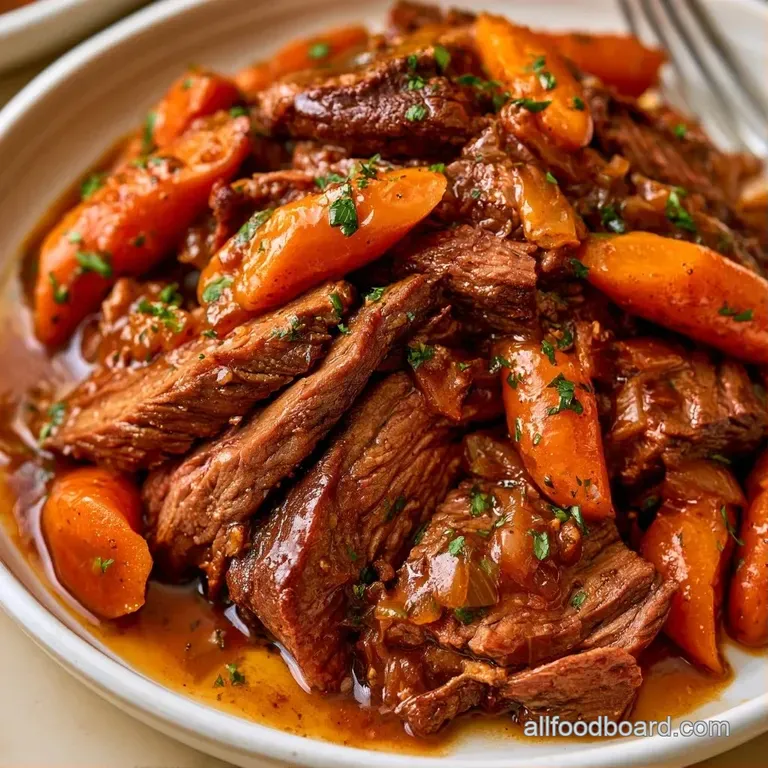
Preparing a Traditional German Sauerbraten requires some coordination. Follow these instructions to ensure a rich flavor and tender result.
Prepping the Marinade
- In a large non-reactive bowl or Ziploc bag, mix the red wine vinegar, dry red wine, sliced onions, sliced carrots, salt, bay leaves, cloves, and peppercorns.
- Submerge the beef chuck in the mixture. Note: You can use a plate to hold the meat down if it floats.
- Refrigerate for 3 to 5 days, rotating the meat daily until the brine is fully absorbed.
Searing for Depth
- Remove the beef from the marinade and pat it dry with paper towels. Note: If the meat is wet, it will steam rather than brown.
- Strain the marinade, keeping both the solids and the liquid.
- Set a Dutch oven to medium-high heat and add vegetable oil. Brown the beef for 4-5 minutes on each side to create a dark, caramelized sear. Remove the meat and set it aside.
Mastering the Braise
- Use the same pot to sauté the reserved vegetables until they are soft.
- Stir in the tomato paste and cook for 1 minute until it becomes dark red and aromatic.
- Pour in the beef broth and the reserved marinade liquid. Return the beef to the pot.
- Cover and simmer on low for 2 hours 30 minutes until the meat is tender enough to shred with a fork.
Finishing the Sauce
- Take the beef out of the pot and let it rest on a platter.
- Mix the butter, raisins, and crushed gingersnaps into the cooking juices.
- Whisk the sauce over medium heat until it is smooth and thickened.
Chef Note: If the sauce is too thin, simmer it without the lid for an additional 10 minutes. The gingersnap crumbs require a few minutes of heat to help them hydrate and thicken the gravy.
Fixing Common Issues
Despite your best efforts, small mishaps can happen. Usually, it's just a matter of adjusting the flavor balance right at the end. Traditional German Sauerbraten is a tug-of-war between sweetness and acidity, and sometimes one side dominates.
Taming an Overly Sour Sauce
If the sauce tastes too sharp, don't worry. The vinegar's acidity might not have mellowed sufficiently during the braising process. You can easily correct this by stirring in a teaspoon of brown sugar or an extra crushed gingersnap.
Keeping the Meat Tender
Beef chuck is generally forgiving, but simmering it too long on high heat can cause the fibers to tighten. Always maintain a low heat so the liquid is barely bubbling. While USDA guidance provides a safe internal temperature, for a braise, you want the meat to fall apart with no resistance.
Thickening a Runny Gravy
If your sauce is more like a soup than a gravy, you might not have used enough gingersnaps or didn't simmer the liquid long enough after removing the meat. Simply whisk in a few more crushed cookies and maintain medium heat.
| Problem | Fix |
|---|---|
| Sauce too sour | Add a pinch of brown sugar |
| Meat is tough | Simmer for another 30 minutes on low |
| Sauce too thin | Add more gingersnap crumbs |
| Gravy too salty | Stir in a tablespoon of water or unsalted butter |
Tweak Your Flavors
After you've mastered the basics of this German classic, feel free to experiment with the flavor profile. Regional variations exist across Germany; for instance, a true Bavarian style typically replaces the gingersnaps with a blend of raisins and sugar to thicken the gravy.
To add a warmer, more autumnal note, try adding a cinnamon stick or a pinch of allspice to your marinade. If you prefer a more contemporary approach, try a Slow Cooker Sauerbraten Recipe. Simply brown the meat first, then let it cook on low for 8 hours.
Because this roast is so hearty, it pairs best with sides that balance the richness. I suggest homemade spaetzle, which are perfect for absorbing the sauce. For an extra touch of creaminess, a side of German sour cream sauce provides a lovely tang to your vegetables.
Decision Shortcut:
- Extra tang? → add 1 tbsp red wine vinegar at end
- Sweeter sauce? → add 2 more crushed gingersnaps
- Thicker glaze? → simmer sauce 5 mins longer
Storage and Leftovers
This classic German Sauerbraten is even more delicious after a day of resting. This allows the taste to deepen and the meat to soak up more of the rich sauce. Keep the sliced beef and gravy in an airtight container in the refrigerator for 4 days.
Warm the dish gently to avoid overcooking. High heat in the microwave can make the beef tough. Instead, place the meat and gravy in a small saucepan over low heat, stirring in a bit of beef broth if the sauce has become too thick during storage.
This roast also freezes beautifully. Keep the beef stored in its sauce in the freezer for 3 months. Let it defrost in the refrigerator overnight prior to heating it on the stovetop.
To minimize waste, save the braised carrots and celery. Since they've steeped in wine and vinegar, they are packed with flavor. Dice them and mix them into mashed potatoes or incorporate them into a fast beef stew.
Plating Your Roast
Presentation is where you turn a home meal into something special. Instead of just scooping the meat onto a plate, slice the beef against the grain into thick rounds. This makes the Traditional German Sauerbraten feel more like a roast and less like a pot roast.
Fan the slices across a platter and pour the mahogany colored gravy generously over the top. The raisins and bits of carrot from the sauce add a nice rustic look.
For the best experience, serve it in a shallow bowl with a heap of red cabbage and potato dumplings. The contrast of the bright purple cabbage against the dark brown beef looks stunning.
Right then, you've got everything you need. This Traditional German Sauerbraten is all about that slow, steady process. Don't rush the soak, don't skip the sear, and let the gingersnaps do their job. It's a bit of a wait, but that first bite of tender, tangy beef makes every single day of marinating worth it.
Trust me on this, your family will thank you.
Recipe FAQs
What cut of meat is best for Sauerbraten?
Use beef chuck roast for this recipe. This cut has the ideal amount of fat and connective tissue to stay tender during the long simmer.
Which ingredients create the signature tangy marinade?
Red wine vinegar and dry red wine provide the essential acidity. These liquids work together to break down the fibers of the meat over several days.
How to achieve the deep mahogany crust on the beef?
Heat vegetable oil in a Dutch oven over medium-high heat. Sear the beef for about 4-5 minutes per side before removing it from the pot.
Is it true that you only need to marinate the meat for a few hours?
No, this is a common misconception. The meat must refrigerate for 3 to 5 days to develop the traditional flavor and tenderness.
Why are gingersnaps added to the gravy?
Crushed gingersnap cookies act as a thickener and add a subtle sweetness to balance the vinegar. This roast pairs perfectly with slices of no knead bread to soak up the sauce.
Where should I store leftovers for the best taste?
Keep the sliced beef and gravy in a sealed container for up to 4 days. The flavors actually improve the next day as the meat absorbs more of the sauce.
Traditional German Sauerbraten for 6