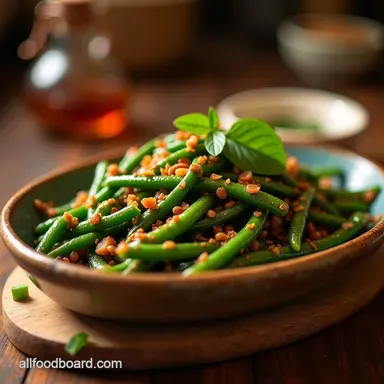
The Proper Takeaway Treat Sizzling Szechuan Dryfried Green Beans
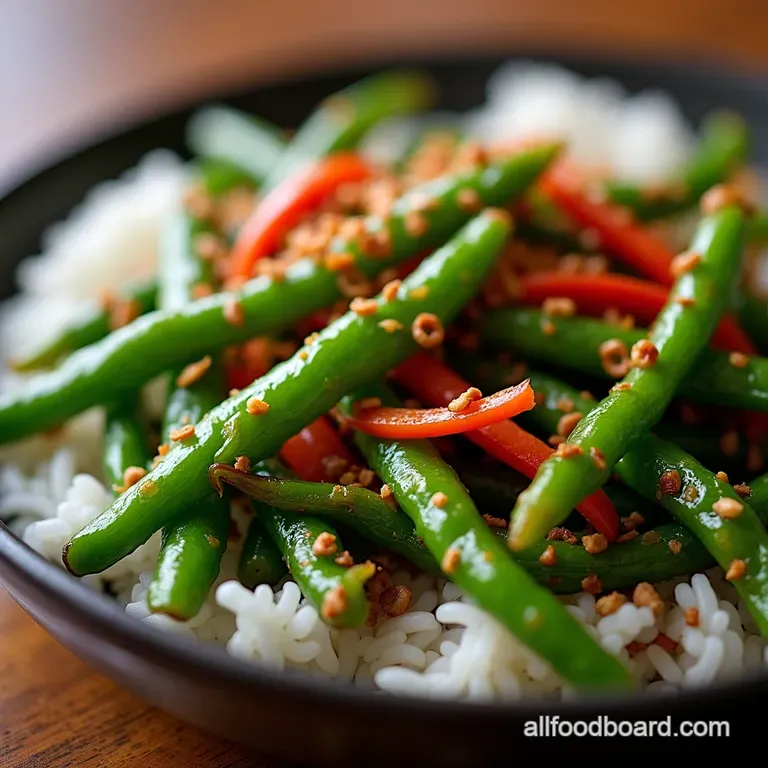
- Unlocking the Secret to Wrinkled Perfection: Why Dry-Frying Rules
- Beyond Blanched: The Irresistible Allure of Authentic Chinese Green Beans
- The Essential Arsenal: What You Need for Maximum Flavor Impact
- The Art of the Sear: Mastering the Dry-Frying Technique
- Layering the Savory Depth: Building the Flavor Profile
- Making the Most of Your Batch: Storage and Reheating Wisdom
- Serving Suggestions That Elevate Your Meal
- Recipe FAQs
- 📝 Recipe Card
Unlocking the Secret to Wrinkled Perfection: Why Dry-Frying Rules
When you envision truly magnificent Chinese Green Beans , what comes to mind? If you are picturing limp, pale green strands swimming in a thin sauce, it’s time for a culinary intervention.
We are aiming for a textural masterpiece, beans that are beautifully blistered, slightly wrinkled, and intensely flavoured from high-heat contact. This signature result, achieved through a technique known as dry-frying ( gan bian ), is what separates the pedestrian from the phenomenal.
This method flash-cooks the beans until their exterior crisps, locking in their vibrant snap while allowing them to absorb the deep, savoury notes of the aromatics.
Beyond Blanched: The Irresistible Allure of Authentic Chinese Green Beans
Forget the quick blanch-and-toss method often used at home; that leaves beans watery and dull. Authentic Chinese Green Beans Recipe demands respect for the vegetable itself. Inspired by classic Szechuan preparations, these beans become a transformative experience.
They are smoky, possess a delightful heat, and offer an unparalleled depth of umami that makes them dangerously addictive. This isn't just a side dish; it’s a main event that pairs perfectly with rice or noodles.
The Texture Transformation: Achieving That Addictive Crunch-Chew
The magic lies in the contradiction of textures. We want the Chinese Green Beans Stir Fry to deliver a satisfying crunch on the outside, followed by a tender, yielding chew on the inside.
This is only possible when moisture is brutally expelled from the bean’s surface, allowing it to caramelize rather than steam. Achieving this blistered skin is non-negotiable for the proper textural experience in this Chinese Beans Recipe .
A Szechuan Staple: Understanding Gan Bian Si Ji Dou
The inspiration for this preparation is Gan Bian Si Ji Dou , which translates roughly to "dry-fried string beans." Traditionally, this dish showcases the versatility of the bean, using high heat and potent aromatics, often including ground pork, chilies, and fermented elements, to create a complex flavour bomb.
When executed correctly, these Braised Green Beans (though technically fried, they achieve a deep flavour profile reminiscent of braising) become deeply infused with the surrounding spices.
Why This Recipe Beats Every Takeout Imitation
Most standard restaurant versions rely on deep-frying the beans entirely, which can be greasy and heavy. Our method, which involves an initial, less voluminous oil bath followed by careful stir-frying, controls the fat while maximizing surface blistering.
The inclusion of powerful flavour agents like preserved salted black beans ( Douchi ) provides a salty, earthy foundation that standard takeout versions often skip, making these Asian Green Beans far superior.
For those seeking a similar crunch without the oil, exploring an Chinese Green Beans Air Fryer adaptation is possible, but the intensity of the wok remains unmatched.
The Essential Arsenal: What You Need for Maximum Flavor Impact
Creating exceptional flavour requires the right tools and ingredients. Since the cooking time is swift once everything hits the heat, preparation is paramount. For this Chinese Green Beans with Garlic Sauce style preparation, the ingredients must be prepped and ready to deploy in mere seconds.
Measuring the Aromatics: Ginger, Garlic, and Chili Flakes
The aromatic base is everything. You will need about two cloves of garlic, finely minced, and an inch of fresh ginger, also minced or grated fine. Crucially, for that signature Szechuan punch, dried red chilies (about four to six, depending on your heat tolerance) should be cut into small pieces.
If you are aiming for the authentic numbing sensation, a teaspoon of Sichuan peppercorns must be included in your arsenal.
The Mandatory Wok Equipment Checklist
A large, seasoned wok is the ideal vessel. Its curved sides allow for both deep-frying and tossing without splashing. If a wok isn't available, a heavy-bottomed skillet, preferably cast iron, will distribute the heat evenly enough to achieve the necessary charring.
Plus,, you absolutely need a slotted spoon or spider strainer for efficiently removing the beans from the oil after blistering.
Selecting the Freshest Produce for Superior Chinese Green Beans
Start with about one pound of fresh green beans. Haricots Verts, the slender French variety, are excellent here as their smaller diameter allows them to wrinkle faster and more evenly.
Ensure the beans are crisp and vibrant green; if they are dull or floppy, they won't hold up to the high heat required for proper texture development.
Related Recipes Worth Trying
- RestaurantStyle Chinese Green Beans With Garlic Sauce Recipe — Tired of soggy veg Master these authentic Chinese Green Beans With Garlic Sauce featuring perfectly charred blistered beans An easy Chinese side dish ready...
- The Leprechauns Delight Vibrant Green Fruit Salad — A smashing healthy St Patricks Day Green Fruit Salad recipe This easy mix balances kiwi grapes and melon with a zesty honeylime glaze Perfect for a fresh...
- Zesty Green Onion Zucchini Cheddar Quick Bread So Easy — Whip up this Green Onion Zucchini Cheddar Quick bread Savory cheesy and bursting with green onion flavor The perfect easy zucchini recipe Get the recipe now
The Art of the Sear: Mastering the Dry-Frying Technique
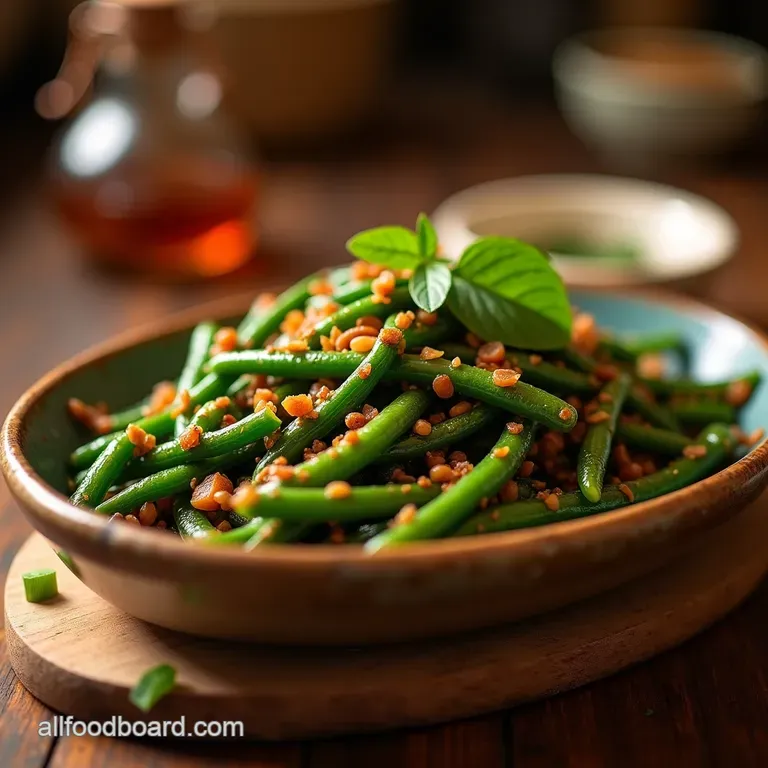
The cornerstone of this Chinese Green Beans Stir Fry is the initial cooking of the beans themselves. After being trimmed, the beans are briefly blanched, just 60 seconds in boiling, salted water, followed immediately by an ice bath to lock in their colour.
The most critical preparation step follows: they must be patted bone dry . Any residual moisture will interfere with the blistering process. Heat about four tablespoons of a high-heat oil (like peanut or canola) until shimmering hot in your wok.
Add the beans, ideally in a single layer (work in batches if necessary), and stir-fry vigorously for five to seven minutes. You are looking for the skins to pucker, blister, and show dark, appealing char marks. Once wrinkled, remove them and set them aside.
Layering the Savory Depth: Building the Flavor Profile
With the texture established, we now focus on the foundation of deep, savoury taste, often incorporating ground pork for richness, which works beautifully in Chinese Green Beans with Pork .
Phase One: Achieving Optimal Bean Wrinkling in Hot Oil
As detailed above, this initial high-heat searing step is non-negotiable. The oil temperature must be sufficient to shock the exterior of the beans. This process removes excess moisture and creates the delightful pockets of wrinkled skin that catch the subsequent sauce beautifully.
Building the Umami Base: Frying the Pork and Preserved Radish
Drain most of the searing oil, leaving about one tablespoon in the wok. Add four ounces of ground pork (or finely diced shiitake mushrooms for a vegetarian option) and cook until it is well browned and slightly crisped.
Deglaze the pan with one tablespoon of Shaoxing Rice Wine, scraping up any browned flavour bits from the bottom. Next, introduce the powerful aromatics: minced garlic, ginger, the optional Sichuan peppercorns, dried chilies, and one tablespoon of rinsed and chopped fermented salted black beans ( Douchi ).
Stir-fry this potent mixture rapidly for about 30 seconds until the aroma is overwhelming, be vigilant to prevent the garlic from burning.
The Final Toss: Emulsifying the Sauce Components
Return the blistered green beans to the wok. Toss them quickly to coat them in the rendered pork fat and aromatics. Now, introduce the finishing liquids: one teaspoon of light soy sauce, half a teaspoon of dark soy sauce (for that signature mahogany colour), and a single teaspoon of sugar to balance the saltiness.
Toss everything continuously for one minute until the sauce thinly coats every wrinkled surface of the Asian Green Beans .
Pro Tip: Managing Your Wok Heat for Crispness
If you are concerned about the beans losing their crispness after being returned to the wok, keep the heat consistently medium-high during the final toss. The goal of this last minute is not further cooking, but simply reheating the beans and ensuring the sauce evenly emulsifies around them, binding the flavours together without steaming them soft.
Making the Most of Your Batch: Storage and Reheating Wisdom
These Chinese Green Beans are truly best enjoyed immediately, singing hot from the wok. However, if you have leftovers, store them in an airtight container in the refrigerator for up to three days.
Meal Prep Power: How Long Do They Stay Amazing?
While the initial blistered texture will soften slightly upon refrigeration, they remain remarkably flavourful. For reheating, avoid the microwave if possible, as it generates steam that will soften the texture too much.
A superior method is to reheat them quickly in a dry, hot skillet over medium heat for 2–3 minutes, tossing constantly, to drive off any residual moisture and revive some of the crispness.
Troubleshooting Common Dry-Frying Failures
If your beans turned out soggy, you likely didn't pat them dry enough before they hit the oil, or your oil wasn't hot enough to start the blistering process. If your aromatics burned, you added them too early, or your heat was too high when introducing the ginger and garlic.
Vegan/Vegetarian Adaptations for These Fantastic Chinese Green Beans
As mentioned, swapping the ground pork for finely diced shiitake mushrooms or crumbled firm tofu sautéed until crispy yields excellent results. Ensure any Shaoxing wine used is verified as vegetarian.
This substitution makes for an incredible meatless version of the Chinese Green Beans Recipe .
Serving Suggestions That Elevate Your Meal
These intensely flavoured Chinese Green Beans demand a simple, neutral partner. Steamed Jasmine rice is essential for absorbing the spicy, savoury residue left in the serving bowl. They are fantastic alongside lighter protein dishes like pan-seared white fish or simple shredded chicken.
Nutritional Insights: What Goes Into These Flavor Bombs?
These beans offer a decent amount of fibre and Vitamin K. While the cooking method requires oil, the high ratio of beans to protein (pork/mushrooms) means they remain relatively balanced, provided you don't overload on the salty soy sauces. The inclusion of fermented beans adds beneficial probiotics, too!
Recipe FAQs
What’s the absolute secret to getting those wrinkly, blistered skins on the Chinese Green Beans?
That gorgeous texture comes down to two main things: heat and dryness! You must ensure the blanched beans are patted completely dry, water turns to steam and boils them, rather than blistering them. Then, toss them in a very hot wok with plenty of oil until the skins start to shrivel and char slightly.
My green beans taste a bit soggy; what did I do wrong?
Sogginess usually happens for two reasons: either you skipped the ice bath after blanching, meaning they kept cooking, or you didn't use enough heat during the dry-frying stage. Keep that wok roaring hot! If you're timid with the heat, they just steam through instead of searing properly.
Can I make this Sizzling Szechuan Dry-Fried Green Beans recipe vegetarian or vegan?
Absolutely, it’s a doddle to switch it up. You can swap the ground pork for finely diced Shiitake mushrooms or crumbled firm tofu, ensuring you cook them until they are nice and crispy before adding your aromatics. Just double-check your Shaoxing wine, as sometimes they aren't strictly vegetarian.
I can’t find Fermented Black Beans (Douchi); what’s a good substitute in this recipe?
Ah, the Douchi, they bring that deep, salty funk! If you can't source them, the next best thing for savoury depth is finely chopped preserved salted radish (Zha Cai). It won't be exactly the same, but it will provide a salty, umami kick to replace the punch of the fermented beans.
How should I store any leftovers, and will they still be good tomorrow?
Pop any leftovers into an airtight container and keep them in the fridge for up to three days. Frankly, they are best eaten fresh, but they still taste smashing the next day, though they will have softened slightly. Reheat them quickly in a hot, dry pan to try and bring back a little of that initial crispness.
The Proper Takeaway Treat Sizzling Szechuan DryFried Green Beans