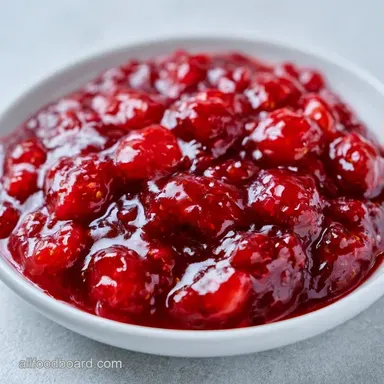
No Pectin Jam with Fresh Strawberries
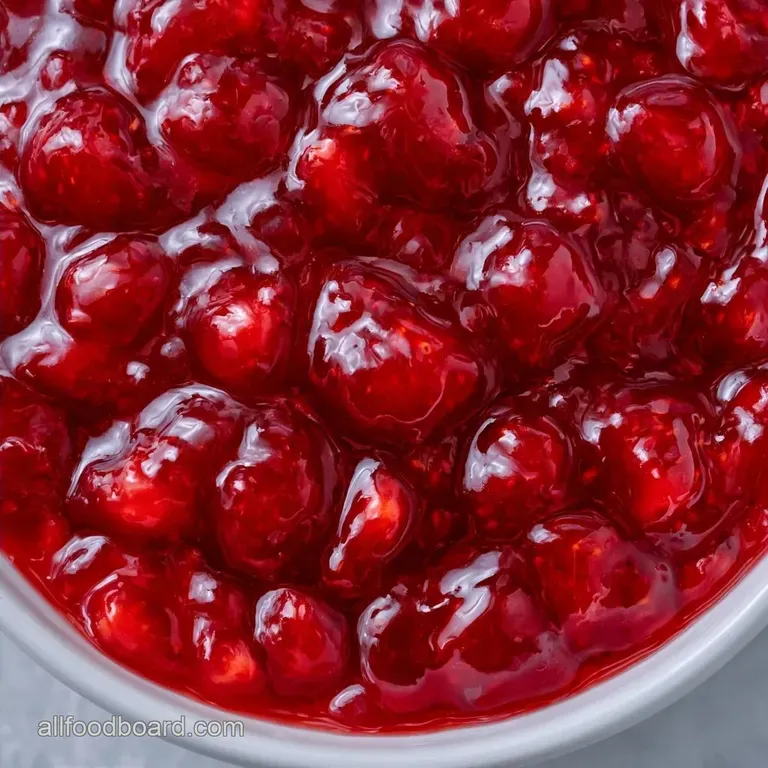
- Time: 10 min active + 25 min cooking
- Flavor/Texture Hook: Glossy, fruit forward, and chunky
- Perfect for: Rustic breakfast toasts or gifting
Ever wonder why some jams taste like fruit while others taste like a chemistry experiment? Most store-bought versions use massive amounts of processed thickeners to speed up production. But when you strip all that away, you get something much more honest.
I remember standing in my grandmother's flour dusted kitchen, watching her stir a pot of berries that looked more like soup than jam. She didn't use any packets or powders, just patience and a heavy pot.
The aroma of bubbling sugar and tart lemon filled the whole house, evoking that specific kind of childhood warmth that only comes from slow cooking.
This No Pectin Jam is all about that rustic, homemade feel. It’s not a gel, but a rich, spreadable concentrate that lets the berries actually shine. We'll focus on a deep red color balance, which looks stunning when paired with a few bright garnishes.
Homemade No Pectin Jam
Why the Texture Works
Natural Reduction: Boiling the fruit evaporates water, concentrating the sugars and fibers until it thickens naturally.
Acid Balance: Lemon juice helps the natural pectin in the strawberries bond, which creates a set without additives.
Sugar Bond: Sugar doesn't just sweeten, it binds with the fruit's pectin to create a stable, spreadable structure.
| Method | Time | Texture | Best For |
|---|---|---|---|
| Fast (Pectin) | 10 mins | Gel like/Stiff | Quick spreads |
| Classic (No Pectin) | 25 mins | Chunky/Glossy | Rustic toast |
Ingredient Deep Dive
| Ingredient | What It Does | Best Swap |
|---|---|---|
| Strawberries | Provides base and flavor | Raspberries |
| Lemon Juice | Sets the jam | Lime juice |
| White Sugar | Preserves and thickens | Cane sugar |
The Essential Ingredients
For this recipe, you only need three things. The quality of the berries determines everything here, so pick ones that smell like a candy shop.
- 2 lbs fresh strawberries, hulled and halved Why this? High pectin content in fresh berries helps the set.
- 1/2 cup fresh lemon juice Why this? Activates natural pectin and balances sweetness.
- 3 cups granulated white sugar Why this? Essential for preservation and texture.
Ingredient Swaps
| Original Ingredient | Substitute | Why It Works |
|---|---|---|
| Strawberries | Raspberries | More tart and higher natural pectin. Note: May set faster. |
| White Sugar | Honey | Natural sweetener. Note: Result will be softer and more floral. |
Tools for the Job
You don't need a professional lab for this. A large, heavy bottomed pot is your most important tool because it distributes heat evenly and prevents the sugar from scorching on the bottom.
I also recommend a potato masher. It gives you total control over the texture, allowing you to keep some rustic chunks of fruit while ensuring the rest of the jam is smooth. A small frozen plate is also a must for the doneness test.
Cooking Process
Let's get into it. The goal here is a deep, ruby red color that looks beautiful against a white porcelain plate.
- Combine the halved strawberries, lemon juice, and sugar in your large pot.
- Use a potato masher to crush the berries until you have a mix of crushed fruit and small chunks.
- Place the pot over medium heat.
- Stir constantly until the sugar completely dissolves and the liquid looks clear.
- Increase heat to medium high and bring to a rolling boil.
- Stir frequently for about 25 minutes until the mixture bubbles thickly and reduces in volume.
- Perform the plate test: drop a small spoonful of jam onto a frozen plate and wait 30 seconds.
- Push the jam with your finger. If it wrinkles, it's done.
- Remove from heat immediately to avoid overcooking.
Chef Note: For a stunning presentation, garnish your toast with a leaf of fresh green mint and a thin slice of yellow lemon. The green and yellow pop against the deep red jam.
According to the techniques at Serious Eats, the "plate test" is the most reliable way to check for a set without a thermometer. If the jam just slides around, keep boiling for another 2-3 minutes.
Fixing Jam Issues
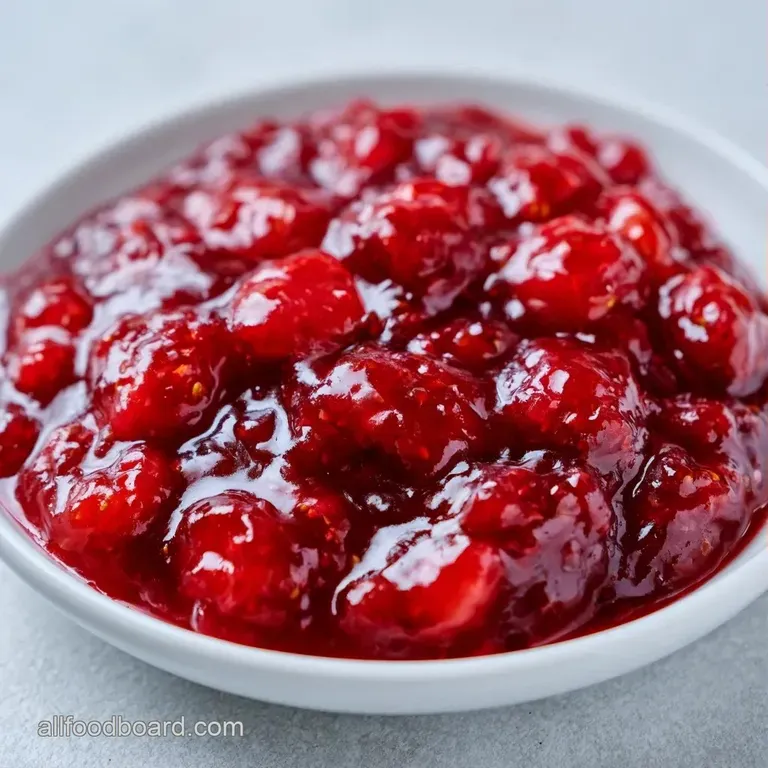
If your No Pectin Jam isn't behaving, it usually comes down to temperature or fruit ripeness. Over ripe berries have less natural pectin, which means they take longer to set.
Why is my jam runny?
This usually happens if the jam didn't reach a full boil or if the berries were too ripe. You can simply put it back on the heat for a few more minutes.
Why is the color dark?
Overcooking the sugar leads to caramelization. If it looks brownish, you've gone too far, though it will still taste like a rich, cooked preserve.
| Problem | Root Cause | Solution |
|---|---|---|
| Too liquid | Under boiled | Simmer 5 more mins |
| Rubbery | Over boiled | Add a splash of water |
| Grainy | Undissolved sugar | Stir more at start |
Adjusting the Batch
If you're making this for a small group, you can easily scale it down. For a half batch, use 1 lb of berries, 1/4 cup lemon juice, and 1.5 cups of sugar. Use a smaller saucepan so the liquid doesn't evaporate too quickly.
When scaling up, don't just quadruple everything. Increase the sugar and lemon by 3x and the fruit by 4x. Working in batches is smarter because a massive pot of jam is hard to stir and often scorches at the bottom.
If you want a different flavor profile entirely, you might enjoy my Huckleberry Sauce recipe for something more unique.
Jam Myths Debunked
Searing or boiling jam for hours "locks in the flavor." That's not true. Over boiling actually destroys the fresh, bright notes of the fruit and can make the jam taste like molasses.
Many believe you need store-bought pectin for a jam to be shelf stable. In reality, the combination of high sugar and acidity (from the lemon) does the heavy lifting for preservation.
Storing Your Preserves
Keep your jam in clean jars in the fridge for up to 3 weeks. If you want it to last longer, you can freeze it for 6 months. I usually leave a little head space in the jar so it doesn't expand and crack the glass.
For zero waste, don't toss the strawberry hulls! You can throw them into a blender with a bit of water and strain them to make a light strawberry infused water. If you have leftover jam that's too thick, stir in a teaspoon of warm water to make a pourable syrup.
For those who prefer a more traditional approach, you can look at my Classic Strawberry Jam recipe for further inspiration.
Best Serving Ideas
This jam is stunning on a rustic sourdough slice with a thick layer of salted butter. The salt cuts through the sweetness and makes the strawberry flavor pop.
For a more artistic touch, swirl it into a bowl of Greek yogurt and top it with toasted almonds. Another great option is using it as a filling for thumbprint cookies or layered into a flour dusted sponge cake.
To finish the plate, add a dollop of white whipped cream. The contrast of the white cream, red jam, and a sprig of mint makes the dish look like it came from a boutique bakery.
Recipe FAQs
How to make homemade jam?
Combine halved strawberries, lemon juice, and sugar in a large heavy-bottomed pot. Mash the berries, dissolve the sugar over medium heat, and bring the mixture to a rolling boil on medium-high until it passes the plate test.
What thickens jam without pectin?
The natural pectin found in strawberries combined with lemon juice and sugar. When boiled, these components react to create a natural gel while water evaporates to concentrate the mixture.
How to thicken jam without pectin?
Boil the fruit mixture on medium-high heat to reduce moisture. Perform a plate test by dropping a spoonful onto a frozen plate; the jam is thick enough when it wrinkles after 30 seconds.
Is it true that all homemade fruit jams are essentially the same?
No, this is a common misconception. Texture and flavor vary wildly depending on the fruit's natural pectin levels, the acidity of the juice used, and whether you use a fast-boil or slow-simmer method.
Is homemade jam better without pectin?
It depends on whether you prioritize flavor or firmness. Pectin-free jams typically offer a more intense, pure fruit taste, whereas added pectin provides a consistent, commercial-style set.
How to make a 3-ingredient jelly?
Simmer strawberries, lemon juice, and sugar together until reduced. If you enjoyed mastering the natural fruit reduction here, see how we use similar fruit-balancing techniques in our peach cobbler.
What are the best ways to use an entire jar of jam?
Stir it into Greek yogurt or use it as a glaze for roasted meats. It also works well swirled into cake batters or served as a topping for warm biscuits.
No Pectin Jam with Strawberries