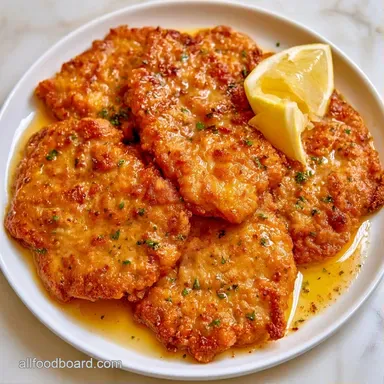
Crispy German Beef Schnitzel
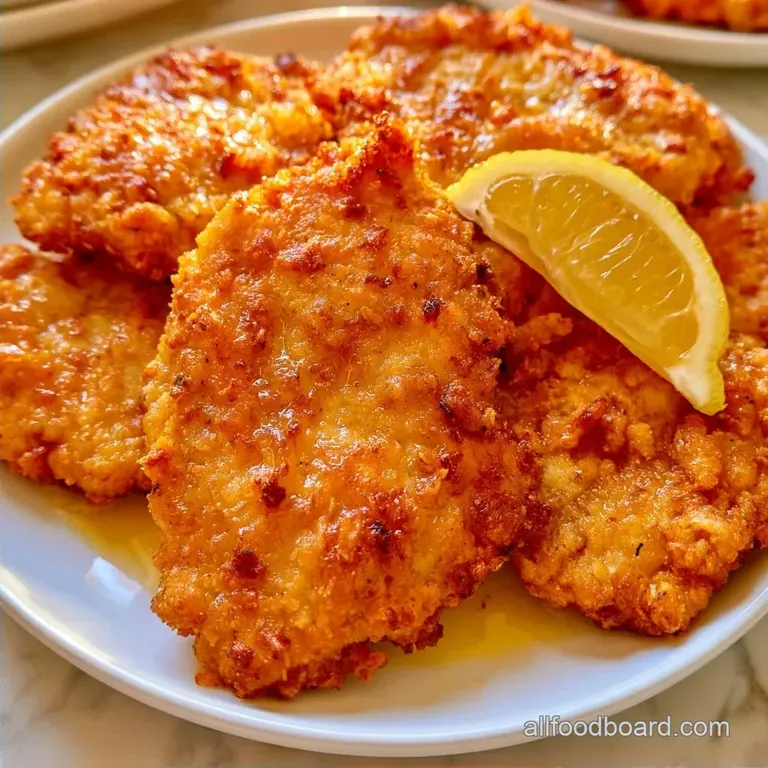
- Total Time: 15 min active + 10 min cooking
- Key Texture: Shattering, crisp breading
- Best as: A fast but sophisticated weeknight meal
The sound of butter foaming in a heavy skillet is one of the most comforting noises in the kitchen. That specific sizzle when a breaded cutlet hits the fat feels like home, even if you've never set foot in Germany.
When I first attempted this, I didn't pound the meat sufficiently; it shriveled up and became tough, a mistake we'll make sure you avoid.
This Beef Schnitzel recipe focuses on efficiency while keeping its traditional spirit. You don't need a gourmet kitchen or hours of labor to produce that golden, wavy crust you'd find in a Munich bistro. It's a high-reward meal that relies on basic equipment and a bit of patience with the pan's heat.
We will focus on perfecting the contrast in texture. The meat should remain juicy while the outside becomes a crisp, mahogany brown. Following these instructions will give you a dinner that feels like a treat, completed in just 25 minutes.
Why it actually works
Pounding the meat: Breaking the muscle fibers ensures the meat cooks in minutes and stays tender. This is why you can use sirloin, which is usually firmer, and still get a soft bite.
The breading sequence: The flour dries the meat, the egg acts as glue, and the crumbs create a barrier. This prevents the juices from leaking out and keeps the crust from sliding off. If you're used to making Grilled Beef Burgers, you'll notice this is all about managing moisture to get a different kind of sear.
Fast vs. Classic Method
| Feature | Fast Method | Classic Method |
|---|---|---|
| Pounding | Mallet (quick) | Heavy rolling pin (slow) |
| Breading | Plain crumbs | Freshly baked breadcrumbs |
| Frying | Oil + Butter blend | Pure clarified butter |
| Result | Very crispy | Richer, nuttier flavor |
Essential details for success
When you're working with beef, the temperature of the pan is everything. If the oil isn't hot enough, the breading just soaks up the fat and becomes greasy. If it's too hot, the outside burns before the meat is cooked through.
I always look for the butter to stop foaming and just start to brown slightly before I drop the meat in.
The thickness of the meat is the second most important part. Aiming for exactly 1/4 inch is the sweet spot. Any thicker and you'll have to overcook the breading to get the center done. Any thinner and the meat might dry out.
Use a ruler the first time if you have to, but eventually, you'll just feel it with your fingers.
Shopping list breakdown
| Ingredient | What It Does | Best Swap |
|---|---|---|
| Top Sirloin | Delivers lean, hearty beef taste | Ribeye (richer and more marbled) |
| Plain Breadcrumbs | Forms the crunchy exterior | Panko (for added texture) |
| Unsalted Butter | Contributes nuttiness and golden color | Ghee (higher smoke point) |
| Large Eggs | Sticks the coating to the beef | Flax egg (vegan alternative) |
The Full List
- 1.5 lb top sirloin steak, sliced into 1/2 inch thick steaks Why this? Lean yet tastes great when seared fast
- 1 tsp salt Why this? Crucial for enhancing the natural flavor
- 1/2 tsp black pepper Why this? Gives it a hint of spice
- 1/2 cup all purpose flour Why this? The initial dredging layer
- 2 large eggs, beaten Why this? Acts as a binder for the crust
- 1 cup plain breadcrumbs Why this? Classic smooth finish
- 1/4 tsp salt (for the crumbs) Why this? Ensures the coating is seasoned
- 1/4 cup vegetable oil Why this? Stops the butter from scorching
- 3 tbsp butter Why this? Provides a rich, traditional taste
Tools for the job
This dish is perfectly achievable in a home setup. Use a thick-based skillet, ideally stainless steel or cast iron, as these materials hold heat more effectively than non-stick options to produce those deep golden brown edges.
A meat mallet is a must. In its absence, a sturdy rolling pin or the bottom of a heavy pan can be used. A wire cooling rack is also required; resting a hot schnitzel directly on a plate creates steam, which makes the crispy underside soggy within thirty seconds.
Steps to get it right
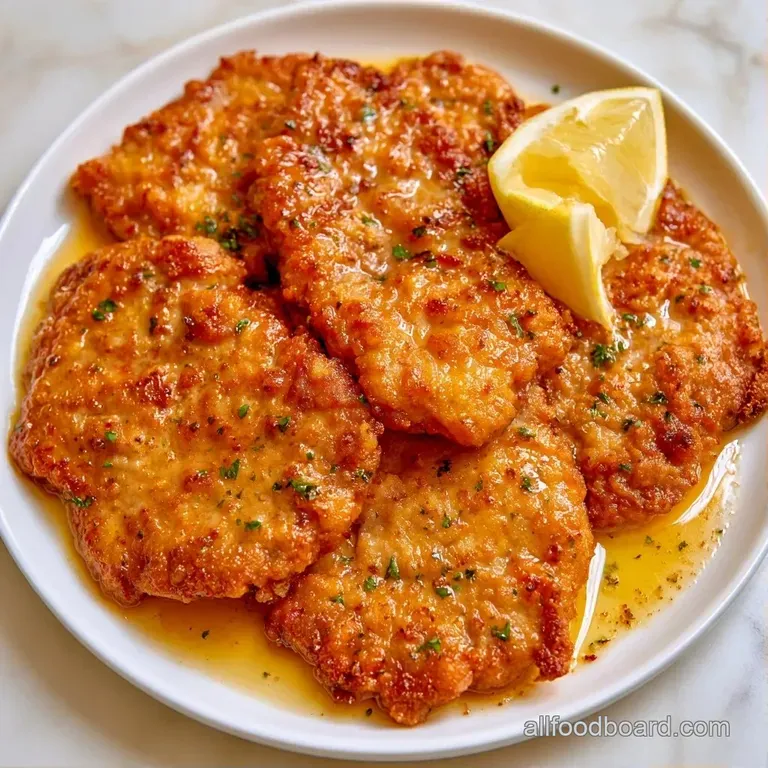
Preparing the Cutlets
- Set each beef steak between two layers of plastic wrap or parchment paper. Note: This prevents the meat from sticking to the mallet or tearing
- Pound the meat evenly with a mallet until it reaches a thickness of approximately 1/4 inch.
- Generously season both sides of the beef with salt and pepper.
Building the Breading
- Press the beef into the flour, shaking off any excess to keep the coating translucent. Note: Too much flour may cause the breading to peel
- Submerge the floured beef in the beaten eggs, ensuring it is completely coated.
- Press the meat firmly into the breadcrumbs, keeping the layer light to allow air pockets to develop during frying.
Achieving the Golden Fry
- Bring the vegetable oil and butter up to medium high heat in a pan until the butter foams and smells nutty.
- Cook the Beef Schnitzel for 2-3 minutes on each side until the edges are mahogany colored and the center is deep golden brown.
- Immediately transfer the meat to a wire rack to preserve the crispness.
Chef's Tip: Avoid overcrowding the pan. Adding too many pieces at once drops the temperature, stops the butter from foaming, and leads to oil-logged meat. Fry in two batches if necessary.
Fixing common frying issues
When the breading peels off the meat, it's usually a moisture problem. This often happens if the meat was too wet when it hit the flour or if the egg layer was too thick. I've found that shaking the meat vigorously after the flour step solves this 90% of the time.
If you see the breading bubbling up, that's actually a good thing. Those air pockets are a sign that the moisture inside the meat is turning to steam and lifting the crust. However, if the oil is popping too aggressively, your heat is too high and you'll burn the butter.
Another common issue is the meat turning grey instead of brown. This happens when the pan isn't hot enough. The meat "stews" in its own juices instead of searing. Make sure that butter is actively foaming before the meat touches the pan.
Troubleshooting Guide
| Problem | Root Cause | Solution |
|---|---|---|
| Breading peeling off | Excess moisture or flour | Shake off flour more thoroughly |
| Greasy, soggy crust | Oil temperature too low | Wait for butter to foam and brown |
| Burnt outside, raw inside | Heat too high | Drop temperature to medium high |
| Meat curling in pan | Not pounded thin enough | Use mallet to reach 1/4 inch thickness |
Serving and pairing ideas
The right accompaniments are key to a great Beef Schnitzel. A fresh lemon wedge is a classic requirement; drizzling zesty, acidic juice over the breading balances the buttery flavor and enhances the overall dish.
For side dishes, a warm German potato salad or a crisp cucumber salad works beautifully. For a more decadent option, I highly recommend pairing this with a German Sour Cream Sauce, as its tartness complements the savory meat perfectly.
For a contemporary twist, try serving the schnitzel over a bed of sautéed spinach or alongside braised red cabbage. The aim is to offset the fried crust with something fresh, tangy, or slightly sweet.
Storage and waste tips
Place any extra Beef Schnitzel in a sealed container in the refrigerator in a single layer. They will keep for roughly 3 days. Avoid using the microwave for reheating, as it makes the coating rubbery and soft.
Instead, warm them in an oven or toaster oven at 350°F for 5-8 minutes until they are crisp again.
You can also freeze the meat before frying. After breading, set them on a baking sheet for an hour in the freezer before moving them to a freezer bag. They'll remain good for 2 months. Simply fry them straight from the freezer, adding an extra minute of cooking time to each side.
To reduce waste, don't throw away the remaining breadcrumbs or egg wash. The egg wash can be incorporated into French toast batter the following morning. Any leftover breadcrumbs can be toasted in a pan with a little garlic to serve as a topping for roasted vegetables or baked pasta.
Ways to switch it up
To change up the flavor, try stirring a pinch of dried marjoram or paprika into your breadcrumbs. This adds an aromatic, earthy quality to the crust without altering the cooking method.
For a gluten-free alternative, use almond flour for the initial coating and crushed pork rinds or gluten-free breadcrumbs for the outer layer. Just keep a close eye on the pan, as almond flour browns more quickly than traditional wheat flour.
You can also transform this into a Jäger-style meal. After frying the Beef Schnitzel, prepare a fast mushroom gravy in the same skillet. Use the caramelized bits left over from the meat to build a savory sauce with onions, sliced mushrooms, and a bit of beef broth.
Another twist is to top the meat with a thin slice of ham and a piece of Swiss cheese before breading. This creates a hearty, beef-based version of a Cordon Bleu.
And there you have it, everything you need for a fantastic dinner. Whether it's a quick Tuesday night meal or a proper weekend feast, this Beef Schnitzel is always a hit. Stick to the pounding and the butter foam, and you'll have a dish that tastes gourmet despite only taking 25 minutes.
Happy cooking!
Recipe FAQs
What cut of meat works best for beef schnitzel?
Top sirloin steak sliced into 1/2-inch thick steaks is the ideal choice.
Tip: Use a meat mallet to pound them to 1/4 inch for even cooking.
How do I prepare the beef before frying?
Pound the meat, season with salt and pepper, then dredge in flour, beaten eggs, and breadcrumbs.
Tip: Shake off excess flour to keep the coating translucent.
Is it true that you need a professional tenderizer for the meat?
Surprisingly, no. A simple meat mallet used between sheets of plastic wrap achieves the perfect thickness.
Tip: Avoid pounding too thin or the meat may tear.
Does the process take long for 4 servings?
The total time required is 25 minutes.
Tip: Have all your dredging stations ready before you start pounding the meat.
Which ingredients create the golden crust?
A combination of all-purpose flour, beaten eggs, plain breadcrumbs, vegetable oil, and butter creates the mahogany finish.
Tip: Pair the finished meat with a huckleberry sauce for a sophisticated flavor balance.
Can these cutlets be frozen before cooking?
Yes, you can freeze breaded cutlets for up to 2 months.
Tip: Fry them straight from the freezer without thawing to maintain the best texture.
Beef Schnitzel in 25 Minutes