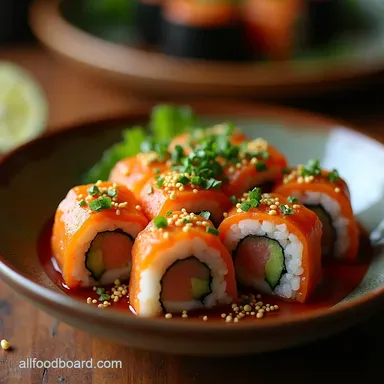
The Deconstructed Dragon Roll Sushi Bowl All the Flavour None of the Fuss
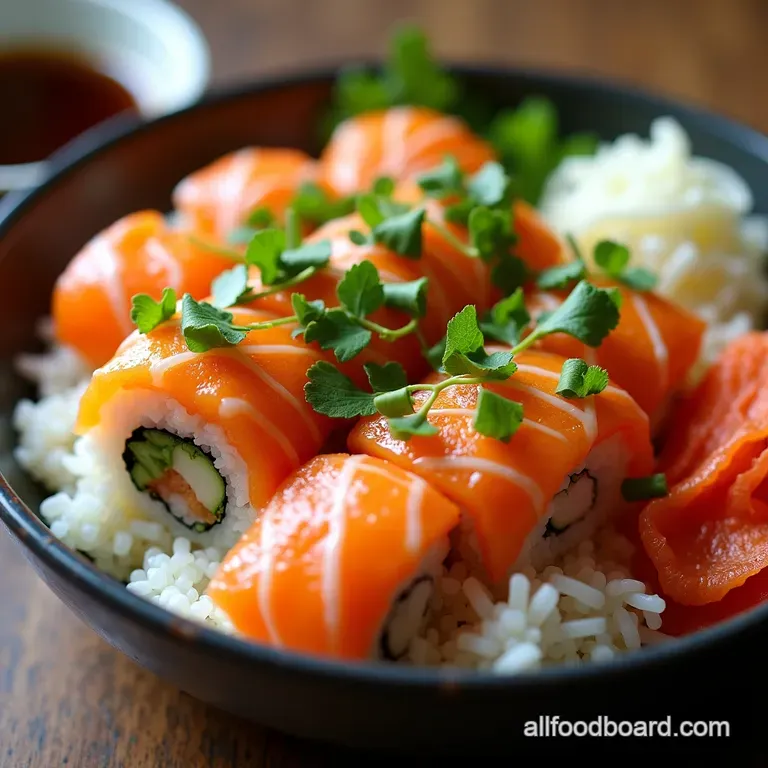
- Unveiling the Simplified Dragon Roll Sushi Bowl Phenomenon
- Why This Bowl Beats Traditional Maki Night
- Mapping Out What You Need for Your Masterpiece Bowl
- Sourcing Superior Components for Your Dragon Roll
- Step-by-Step Assembly of Your Vibrant Sushi Bowl
- Mastering the Unagi Preparation Method
- Expert Insights to Elevate Your Bowl Game
- Making Variations on the Classic Dragon Theme
- Recipe FAQs
- 📝 Recipe Card
Unveiling the Simplified Dragon Roll Sushi Bowl Phenomenon
The Dragon Roll is legendary in the sushi world a masterpiece of texture, richness, and vibrant colour, traditionally involving careful layering of avocado and succulent grilled eel over a perfectly rolled maki cylinder.
But let's be honest: achieving that picture perfect roll takes practice, precision, and often, a dedicated bamboo mat. Enter the Dragon Roll Sushi Bowl , the culinary evolution that grants you all the iconic flavour complexity without the wrestling match.
This deconstructed approach allows the chef that’s you to focus purely on ingredient quality and arrangement, resulting in a satisfying, hearty Japanese Dinner Bowls experience that rivals any takeout order.
Why This Bowl Beats Traditional Maki Night
There is a distinct elegance to the Sushi Roll In A Bowl Recipe format. It transforms an appetizer or light sushi course into a substantive, customizable meal. The key advantage lies in accessibility and ease of assembly.
A Shortcut to Showstopping Sushi Flavour
The true magic of the Dragon Roll lies in the specific contrast between the warm, sweet, smoky eel glaze and the cool, creamy avocado atop seasoned rice. By serving this layered atop a bed of shari (seasoned sushi rice), we immediately bypass the fiddly step of rolling nori around the ingredients.
This Easy Dragon Roll Recipe prioritizes flavour delivery over structural integrity, making complex tastes attainable any night of the week.
Capturing the Essential Dragon Roll Sushi Bowl Textures
A traditional roll must deliver crunch, creaminess, chewiness, and softness simultaneously. In this bowl format, these textures become even more pronounced. The fluffy, slightly sticky sushi rice forms the chewy base. The rich Unagi provides chew and umami depth.
The avocado delivers the essential butteriness, while crunchy cucumber and toasted sesame seeds offer the necessary textural counterpoints. This textural interplay is what makes this a contender for the Best Sushi Bowl Recipes .
The Joy of Deconstructed Dining
When we embrace the concept of a Deconstructed Dragon Roll , we grant ourselves freedom. Instead of uniform bites, we can customize the ratio of eel to avocado in every spoonful.
This preparation method is inherently adaptable, allowing you to heap on extra toppings or ensure every grain of rice is perfectly coated in the sweet, tangy Unagi glaze, creating a truly personal Spicy Asian Bowl Recipe .
Mapping Out What You Need for Your Masterpiece Bowl
Creating this spectacular Dragon Bowl Recipe requires focusing on three core areas: the foundational seasoned rice, the rich protein component (Unagi), and the fresh, cooling elements. We are aiming for a balanced profile that honors the original inspiration while maximizing ease of preparation.
Expect to dedicate about 25 minutes to active prep time, with 20 minutes dedicated to cooking the rice, bringing the total time close to 45 minutes, yielding four generous servings.
Sourcing Superior Components for Your Dragon Roll
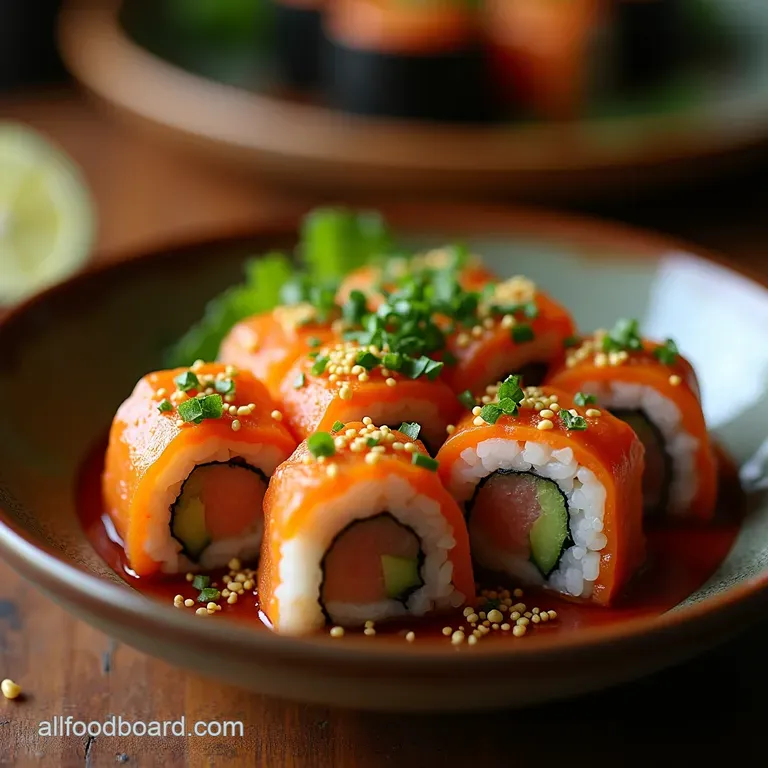
Success in any sushi inspired dish hinges on the quality of the raw materials, even when the fish is pre-cooked, as Unagi typically is. Selecting the right ingredients ensures this bowl sings with authentic Japanese flavour.
Essential Building Blocks: Rice and Protein Procurement
For the rice, always select short grain Japanese sushi rice; its starch content is vital for achieving the proper sticky yet-separate texture once seasoned. For the star protein, seek out frozen, pre-cooked Unagi (barbecued freshwater eel) at your local Asian supermarket.
This usually comes pre-sauced but benefit immensely from being re-glazed with our custom sauce.
Avocado Selection: Aiming for Peak Creaminess
The avocado is non-negotiable; it must be perfectly ripe. It should yield slightly to gentle pressure but not feel mushy. Overly hard avocado resists slicing beautifully, while overripe avocado can turn grainy when sliced thinly for the topping.
The goal is silky, pale green slices that contrast sharply with the dark eel.
The Necessary Condiments and Garnishes Checklist
Beyond the main players, remember the supporting cast. We need rice vinegar, sugar, and salt to season the rice properly. For the glaze, soy sauce, mirin, and brown sugar create that irresistible sweet savory depth.
Finally, toasted sesame seeds and shredded nori are essential for that finishing crunch and oceanic whisper that completes the Eel Avocado Bowl Recipe .
Related Recipes Worth Trying
- The Ultimate Chocolate Banana Cottage Cheese Bowl Recipe — Ditch the chalky shakes This is the Chocolate and Banana Cottage Cheese Bowla creamy highprotein breakfast thats deceptively decadent Ready in 5 mins Get...
- NoFuss Cinnamon Roll Overnight Oats Healthy Meal Prep — Capture the gooey magic of a sticky bun in this healthy Cinnamon Roll Overnight Oats recipe Its creamy proteinpacked and the easiest breakfast youll make...
- Thick Chocolate Cottage Cheese Smoothie Bowl Recipe 5Min Protein — Ditch watery breakfasts This Chocolate Cottage Cheese Smoothie Bowl is thick as mousse and packed with 30g protein Try this blended cottage cheese breakfast...
Step-by-step Assembly of Your Vibrant Sushi Bowl
The process moves logically from foundation building to final artistry. We start by perfecting the rice base, then prepare the glaze and heat the eel, and finally, we focus on artistic layering to create visual appeal before drizzling the final signature sauces.
Mastering the Unagi Preparation Method
While the assembly is simpler than rolling, the execution of the key elements the rice and the eel glaze requires precision to elevate this beyond a simple rice salad.
Perfecting the Sushi Rice Foundation
First, thoroughly wash your 2 cups of sushi rice in cold water until the water runs completely clear. Cook this with 2 cups of cold water using a rice cooker or simmer gently for 15 minutes until all liquid is absorbed, allowing it to steam, covered, for 10 minutes off the heat.
While warm, gently dissolve 1/2 cup rice vinegar, 3 tablespoons sugar, and 1 teaspoon salt until clear. Transfer the hot rice to a wide, shallow vessel. Drizzle the vinegar mixture evenly over the rice.
Using a wide wooden or silicone spatula, cut and fold the seasoning in with gentle slicing motions; never stir or mash the grains. Fan the rice as you mix to cool it quickly to body temperature, achieving that characteristic shine.
Careful Crafting of the Avocado Layer
Take two medium, perfectly ripe avocados. Slice them thinly, aiming for uniform width. A crucial trick here is to dip your sharp knife into water between each slice; this prevents the fruit from sticking to the blade and ensures clean separation when transferring the slices to the bowl.
Layering Strategy for Maximum Visual Appeal
Divide the seasoned sushi rice evenly among your four bowls to form a substantial base. Next, arrange the toppings thoughtfully. Place the sliced cucumber matchsticks first, perhaps tucked slightly to one side. Then, layer the avocado slices gracefully, often fanned out in an arc along one edge of the rice.
The star the glazed eel should be placed prominently across the centre or opposite the avocado fan.
The Final Drizzle: Bringing the Dragon Roll Sushi Bowl Together
Our Unagi glaze requires combining 1/4 cup soy sauce, 3 tablespoons mirin, and 2 tablespoons packed brown sugar in a small saucepan. Simmer this until bubbling, then whisk in a slurry of 1 teaspoon cornstarch mixed with 1 tablespoon cold water. Cook until the sauce thickens enough to coat the back of a spoon.
Toss the sliced eel in half of this sauce before layering it in the bowl. Drizzle the remaining glaze artfully over the entire bowl, finish with a scattering of toasted black and white sesame seeds, and fine shreds of nori seaweed.
Expert Insights to Elevate Your Bowl Game
To truly achieve sushi quality results at home, attention to temperature is paramount. The seasoned rice should be near body temperature when serving; lukewarm rice enhances the flavour experience far better than hot or refrigerator cold rice.
On top of that,, when tossing the eel in the glaze, use only enough to lightly coat it. The final drizzle provides the necessary sweetness; over saucing the initial protein can make the entire bowl heavy.
Making Variations on the Classic Dragon Theme
The beauty of this Sushi Roll In A Bowl Recipe format is its inherent flexibility. It invites experimentation while maintaining the core character of the original dish.
Storage Suggestions for Leftover Components
If you find yourself with leftover seasoned rice, store it loosely covered at room temperature for a few hours, but never refrigerate it, as this causes the starch to harden and ruins the texture. Any extra glaze can be stored airtight in the refrigerator for up to a week and reheated gently before use.
Troubleshooting Common Sushi Bowl Pitfalls
The most common error is gummy rice. This stems from either not washing the rice thoroughly enough, or stirring the vinegar in too vigorously. Remember: slice and fold, do not stir!
Another issue is dull avocado flavour; ensure you are using fresh, bright green cucumbers and that your toasted seeds are genuinely fragrant.
Optional Swaps: Beyond the Traditional Eel
While eel defines the classic, this Spicy Asian Bowl Recipe structure welcomes other proteins beautifully. Consider using high-quality, thinly sliced, raw seared tuna (tataki style) or even cooked, finely shredded imitation crab mixed lightly with mayonnaise for a spicy California roll twist.
Nutritional Snapshot of This Satisfying Meal
This bowl offers a balanced macronutrient profile. The rice provides quality carbohydrates for energy, the eel delivers high-quality protein and beneficial fats, and the copious amounts of avocado ensure a healthy dose of monounsaturated fats.
While it is a richer meal than simple sashimi, it remains a far healthier alternative to many deep fried takeout options, offering robust flavour in a controlled portion size.
Recipe FAQs
I'm a newbie to sushi; how tricky is this Dragon Roll Sushi Bowl to put together?
Don't you worry, love! That’s the beauty of turning it into a bowl we skip the fiddly rolling part. The most crucial bit is getting the sushi rice seasoned correctly; treat that rice well and you’re halfway there!
It’s a smashing dish for those wanting sushi flavour without having to master the bamboo mat technique.
Can I prepare the rice for the Dragon Roll Sushi Bowl ahead of time to save time later?
You certainly can, but aim to use it the day it's made for the best texture. Once seasoned, sushi rice is best eaten within a few hours; refrigeration makes it hard and dry, which is a right shame. If you must prep ahead, keep it lightly covered at room temperature for up to 4 hours, but try not to refrigerate it!
I can’t find Unagi (eel); what’s a good, readily available substitute for this Dragon Roll Sushi Bowl?
If Unagi is proving tricky to source, you have a couple of solid options! Thinly sliced, grilled Teriyaki Chicken breast works brilliantly and gives a similar sweet savoury hit. Alternatively, use firm tofu that you’ve pan-fried and tossed in the leftover glaze for a vegetarian twist.
My avocado went brown before I could slice it all any tips for keeping it fresh while I assemble the rest?
Ah, the bane of the home cook's existence! To keep those slices looking brilliant, toss the avocado pieces gently in a tiny squeeze of lemon or lime juice before arranging them. Also, slice them last, right before you serve up, as fresh air is avocado's nemesis.
How should I store leftovers of the Dragon Roll Sushi Bowl?
Honestly, this dish is best eaten fresh, as the rice texture degrades rapidly once chilled. If you must store it, place the components (rice, eel, avocado) in separate airtight containers and refrigerate for no more than 24 hours.
When reheating the eel, do so very gently, but the rice is better left at room temperature or lightly warmed, avoiding the microwave if you can!
Is this recipe super high in sugar, given all the glaze?
It does contain some sugar, primarily from the mirin and the glaze, similar to standard takeout versions. For a healthier option, significantly reduce the brown sugar in the glaze, or swap the traditional Unagi glaze entirely for a drizzle of low-sodium soy sauce mixed with a touch of honey instead of sugar.
Dragon Roll Sushi Bowl