Cottage Pie: Rich Filling Creamy Mash Topping
- Defining the Dish: Why We Love Traditional British Cottage Pie
- The Science of Satisfaction: Why This Recipe Works
- Essential Components: Ingredients Breakdown and Preparation Notes
- Swapping and Scaling: Ingredient Modifications
- Method: Mastering the Classic Cottage Pie
- Troubleshooting and Chef’s Notes for a Flawless Result
- Preparation and Preservation: Freezing and Storage Guide
- What to Serve With Traditional Cottage Pie?
- Essential Final Tips for the Ultimate Cottage Pie
- Recipe FAQs
- 📝 Recipe Card
Defining the Dish: Why We Love Traditional British Cottage Pie
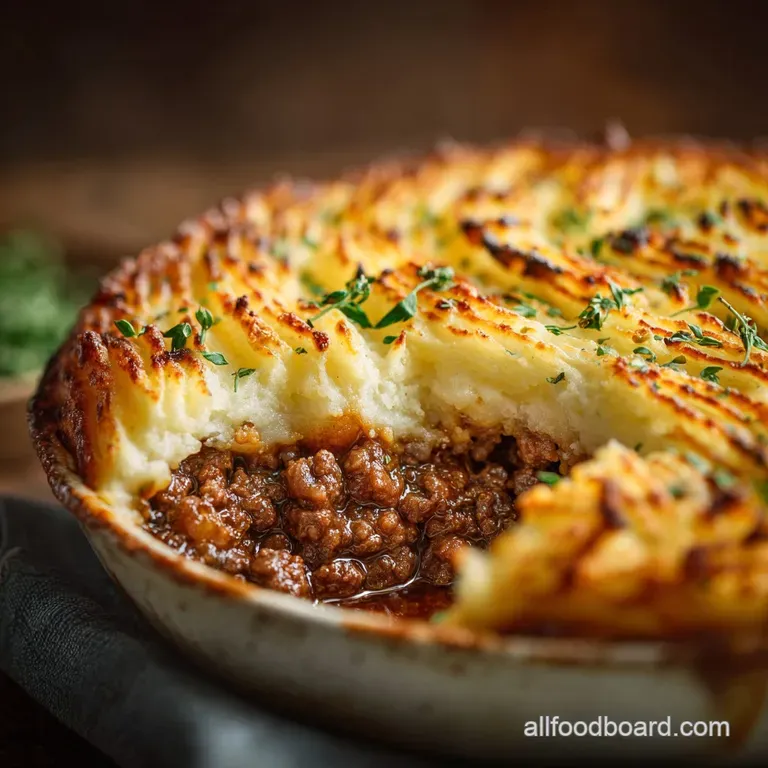
The moment that deep, savory aroma starts wafting out of the oven, you know dinner is sorted. It’s that smell of slow cooked meat and melting butter that hits you first, before you even see the golden, craggy peaks of the mash.
This classic Cottage Pie is pure culinary nostalgia, the kind of meal that instantly fixes a bad day. Trust me, nothing beats a proper, hearty British baked dish when you need a hug on a plate.
We all need dishes that deliver maximum flavor for minimum fuss, right? That’s why this recipe is a lifesaver; it’s basically ground beef mince dressed up in a gorgeous gravy cloak, hiding under a potato blanket.
It’s cheap, incredibly filling, and uses those common root vegetables you probably already have lurking in the bottom of your fridge. It’s the ultimate zero waste, high comfort meal, perfect for making ahead of time when life gets busy.
This beautiful Cottage Pie is truly food for the soul.
Forget those dry, disappointing versions you sometimes get at the pub. We are going to build intense depth of flavour into the filling first, ensuring the resulting Cottage Pie is rich, glossy, and never watery.
Grab your apron, because we're diving into the absolute best method for making this iconic dish. Let’s crack on!
The Science of Satisfaction: Why This Recipe Works
This isn't just about throwing ingredients together; making a truly phenomenal Cottage Pie requires a few tiny, strategic steps that maximize texture and flavor.
The reason this particular recipe hits different is simple: we treat the filling like a slow cooked French ragout and the mash like a sophisticated potato cloud. We are layering flavor aggressively and controlling moisture religiously, which is the key to any great British comfort food.
Beef vs. Lamb: Understanding the Proper Nomenclature
Quick history lesson, because I used to mix these up constantly. A true Cottage Pie is made exclusively with ground beef (or beef mince). If you use lamb, you’ve made Shepherd's Pie. Simple as that! If you are interested in trying the lamb version, I’ve got a fantastic Shepherds Pie: The Ultimate Classic Recipe with Creamy Parmesan Mash recipe on the blog, but today, we stick with the beef filling, honoring the history of the original dish. Why does the meat matter so much? Beef tends to be richer and slightly less gamey than lamb, meaning the flavor profile of the classic Cottage Pie is deep, savory, and robust.
The Anatomy of the Perfect Comfort Food Classic
A perfect Cottage Pie requires two distinct textures that play beautifully against each other: a thick, savory filling that doesn't run, and a light, dry, fluffy topping that doesn't sink.
We achieve this contrast by browning the beef hard developing that crucial Maillard reaction for depth and then drying out the boiled potatoes before mashing. The difference between a bland, wet pie and a spectacular Cottage Pie comes down to moisture management and knowing when to simmer uncovered.
Building the Ultimate Umami Rich Gravy Base
The filling for this specific Cottage Pie shouldn't be thin; it must be a dense, clinging gravy that holds the meat and vegetables together beautifully. We rely on three key umami components here: tomato paste, Worcestershire sauce, and red wine.
Cooking the tomato paste until it darkens (called pincer in culinary terms) deepens its flavor dramatically, transforming the acidic fruitiness into something richer.
Then, the red wine deglazes the pan, lifting all those delicious browned bits, which creates an incredibly complex gravy without tons of extra effort for our ultimate Cottage Pie .
Achieving the 'Cloud' Mash: Texture Secrets for Topping
You know how some mashed potatoes turn out gluey and heavy? That happens when you overwork the starch while they are hot. Topping this Cottage Pie requires a light, fluffy mash the kind that melts when you bite into it.
My secret weapon is twofold: a potato ricer (truly a game changer for texture) and the crucial step of drying the boiled potatoes over low heat before adding any dairy. If you add milk or butter while the potatoes are still waterlogged, you dilute everything and end up with sad, wet mash that struggles to hold its signature peaks.
The Importance of a Slow Simmer (Developing Depth of Flavor)
Don't rush the simmering stage. When making Cottage Pie , you need a solid 30 minutes, uncovered, for that gravy to reduce and concentrate properly.
This allows the simple flavors of the thyme and bay leaf to marry completely with the beef stock and wine, integrating into the beef mince. This is where the sauce goes from "okay" to "absolutely incredible," becoming a rich foundation that supports the entire structure of the dish.
Essential Components: Ingredients Breakdown and Preparation Notes
The beauty of a classic dish like Cottage Pie lies in simple, good quality ingredients. You don't need exotic spices, just honest flavors treated right and layered correctly. Preparation notes here will save you headaches later.
Sourcing Quality Beef Mince (Fat Content Matters)
Use ground beef mince that is 15% to 20% fat. This fat content is essential. Leaner meat will dry out during the long simmer and baking process, leaving your filling crumbly and lackluster. The rendered fat also contributes significantly to the richness and mouthfeel of the gravy base.
Important: Don't skip draining the excess rendered fat after browning, otherwise your gravy will be greasy and separate.
Flavor Boosters: Worcestershire, Red Wine, and Tomato Paste
Worcestershire sauce is non-negotiable for authentic British flavor; it adds a tangy, salty depth that mimics long simmered ingredients. The tomato paste adds sweetness and necessary body to the sauce. As for the red wine, use something dry like Merlot or Cabernet.
If you usually drink it, it’s good enough for the Cottage Pie . Remember, the alcohol cooks off during the reduction, leaving behind a profound complexity and acidity.
The Potato Selection for a Fluffy Topping
For mashing, high starch potatoes are best because they break down easily and absorb butter and milk beautifully without becoming gummy. Russets (in the US) or Maris Piper/King Edward (in the UK) are your best friends here.
Waxy potatoes, like new potatoes, will result in a dense, heavy mash definitely not what we want for our cloud like Cottage Pie crust.
Handling Root Vegetable Substitutions (Carrot and Celery)
The finely diced onion, carrot, and celery (the mirepoix) form the aromatic foundation of the flavor. Dice them small! This ensures they practically dissolve into the sauce during the simmer, thickening it naturally and adding background sweetness. You want them to melt into the gravy, not be crunchy chunks.
Making the Filling gluten-free or dairy-free
Yes, you can absolutely adapt this! For gluten-free, substitute the plain flour (used for the roux foundation) with 1/2 teaspoon of cornstarch mixed into a tablespoon of cold water (a slurry), added right at the end of the simmer.
For a dairy-free mash, simply swap the butter for a neutral plant based margarine and the milk for unsweetened almond or oat milk. The resulting Cottage Pie remains equally comforting and hearty.
Swapping and Scaling: Ingredient Modifications
Need to make adjustments based on what's in the pantry? Here are easy swaps that won't ruin the integrity of your Proper British Cottage Pie Recipe . This table should give you the confidence to adapt when necessary.
| Component | Standard Ingredient | Viable Substitution |
|---|---|---|
| Thickener | Plain (All-Purpose) Flour | Cornstarch (Slurry) or Rice Flour |
| Red Wine | Dry Merlot | Beef Stock + 1 tsp Balsamic Vinegar |
| Beef Stock | Standard Stock | Better than Bouillon mixed with hot water |
| Milk (for Mash) | Whole Milk | Heavy Cream (for ultra richness) or Oat Milk |
| Potato Type | Russet/Maris Piper | Sweet Potatoes (Note: changes flavour profile) |
Chef's Note: When scaling this Cottage Pie recipe up or down, remember that the simmering time for the gravy remains crucial. You might need an extra 5- 10 minutes of uncovered simmering if doubling the recipe to ensure the liquid reduces adequately and the gravy sets correctly.
Method: Mastering the Classic Cottage Pie
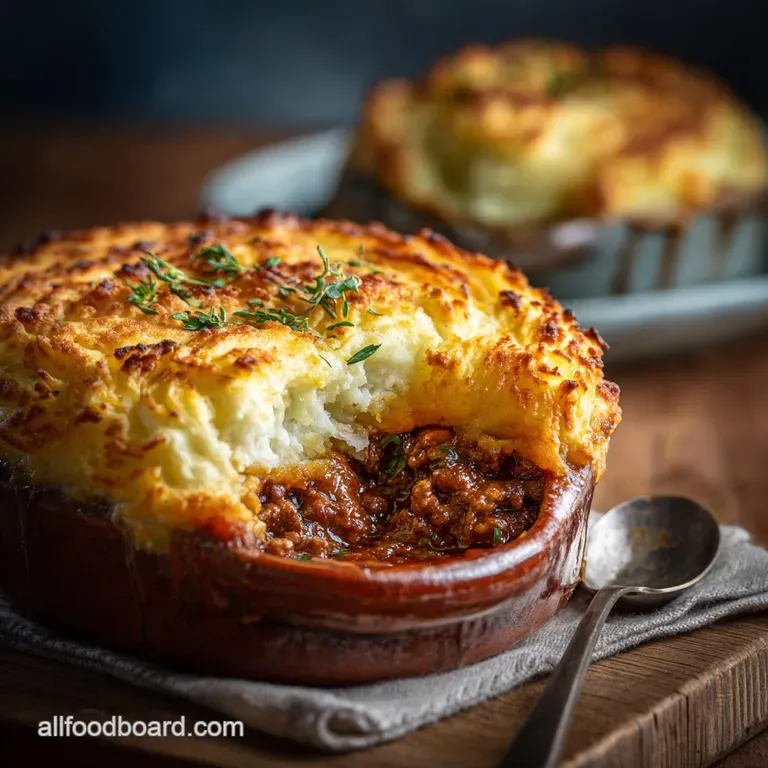
Making this Classic Cottage Pie is about patience and sequence. We start with the filling, which takes the longest to develop flavor, then move to the mash. The steps are simple, but attention to detail makes all the difference.
Step 1: Browning the Mince and Sweating the Mirepoix
Heat the oil until shimmering, then add the beef mince. Don’t overcrowd the pan; if you’re using a huge amount, brown it in batches. Cook until it’s deeply caramelized and nutty smelling, not just grey. Drain off the excess fat this prevents a greasy final pie.
Reduce the heat and add your diced onion, carrot, and celery. Sweat them gently for 8 to 10 minutes until they soften completely. This is critical: soft veg, soft flavors. Stir in the garlic and tomato paste, cooking for one minute until the paste turns a darker red.
Step 2: Reducing the Wine and Thickening the Gravy
Sprinkle the flour over the vegetables and stir for 30 seconds. This creates a quick roux base for thickening. Pour in the red wine immediately, scraping up all the tasty brown bits from the pan floor.
Let the wine bubble and reduce by half this essential step evaporates the harsh alcohol and concentrates the flavor. Pour in the stock, Worcestershire sauce, thyme, and bay leaf. Bring to a simmer, return the meat to the pot, and reduce the heat.
Simmer, uncovered, for 25– 30 minutes until the gravy is thick enough to coat the back of a spoon. Remove the bay leaf and check the seasoning. This Cottage Pie filling must be thick before baking!
Step 3: Preparing the Buttery Potato Topping
While the filling simmers, boil your potatoes until perfectly fork tender. Drain them immediately and return them to the empty, hot pot. Shake the pot over low heat for about 60 seconds. See the steam rising? That’s excess water escaping! Pass the dry potatoes through a ricer or mash well.
Add the cubes of cold butter, letting them melt slowly, followed by the warmed milk and the optional egg yolk. Mix gently until just combined. The enemy of good mash is overmixing. Season aggressively with salt and pepper.
Step 4: Layering, Piping, and Achieving a Golden Crust
Transfer the filling to your baking dish and allow it to sit for 5– 10 minutes. Cooling the filling prevents the hot steam from ruining the mash layer, ensuring a clean divide.
Now, you can spoon the mash on top, spreading it evenly, or go pro and use a piping bag with a star nozzle (it looks amazing and adds more peaks for crunch). Drag a fork over the surface to create dramatic ridges. Sprinkle with grated cheese, if desired.
Bake your Easy Cottage Pie Recipe at 400°F (200°C) for 35– 45 minutes until the topping is golden and the filling is visibly bubbling hot around the edges.
Troubleshooting and Chef’s Notes for a Flawless Result
We’ve all had kitchen disasters. I once tried to mash potatoes in a food processor instant glue! Learn from my mistakes and ensure your Cottage Pie turns out perfectly every time. These tips cover the most common fail points.
Avoiding a Watery Filling (The Gravy Solution)
The most common complaint about Cottage Pie is a watery filling that leaks out when you cut it. This is usually due to insufficient simmering or a failure to drain the meat fat initially. Fix: Ensure the 30 minute simmer happens uncovered .
This forces the moisture out. If your filling still looks too loose after simmering, you can stir in 1 teaspoon of cornstarch mixed with 2 teaspoons of cold water and simmer for 1 minute more. This trick always saves a loose Cottage Pie filling.
Achieving Deep Colour Without Burning the Topping
We want a golden, craggy top, not a charcoal briquette. If your mash is browning too quickly before the filling is fully hot, reduce the oven temperature by 25°F (15°C) and cover the pie loosely with foil for the first 20 minutes of baking.
For that truly spectacular gold finish, the egg yolk in the mash helps immensely, promoting rich color.
Can I Make Cottage Pie Ahead of Time? (The Chill Before Bake Method)
Absolutely! This Cottage Pie is actually better if you assemble it entirely and chill it before baking. Cooling overnight allows the filling flavors to fully meld and the mash to set firmly on top.
When ready to bake, add about 10– 15 minutes to the total baking time to ensure it heats through completely to the center.
Preparation and Preservation: Freezing and Storage Guide
This is one of those fantastic recipes that genuinely performs well in the freezer. Making a huge batch of Cottage Pie is smart meal prep, ensuring a cozy dinner is always on standby.
Best Practices for Freezing the Cooked and Uncooked Dish
Uncooked: Assemble the entire Cottage Pie in a freezer safe aluminum dish (skip the cheese topping for now). Wrap it tightly in two layers of plastic wrap, followed by a layer of foil. Label and freeze for up to 3 months.
To cook, remove all wrapping, top with cheese, and bake directly from frozen at 375°F (190°C) for about 1 hour 15 minutes to 1 hour 30 minutes, or until bubbling hot in the center.
Cooked: Allow the finished pie to cool completely. Cut into serving portions and freeze individual blocks wrapped tightly. To reheat, microwave (if portioned) or bake at 350°F (175°C) until piping hot throughout.
It loses a tiny bit of its crispness, but reheated Cottage Pie is still delicious.
What to Serve With Traditional Cottage Pie?
The richness of the Cottage Pie demands something fresh and acidic to balance it out.
Classic British Side Dish Pairings
- Buttered Peas: Simple, essential, and non-negotiable in many British households. Sometimes, the classic pairings are the best.
- Green Beans or Broccoli: Steamed and lightly tossed with salt, pepper, and a tiny squeeze of lemon.
- Pickled Red Cabbage: That sharp, sweet vinegar bite cuts through the richness of the beef and mash flawlessly.
Wine and Drink Recommendations
For a rich dish like this, you need something robust. An English Ale or a hearty stout works perfectly, contrasting the savory filling. If you prefer wine, choose a medium bodied, fruit forward red like a Cotes du Rhone or an Australian Shiraz.
Essential Final Tips for the Ultimate Cottage Pie
I’ve made this more times than I can count, and the results are always the same: comfort food perfection. This Cottage Pie is genuinely one of my favorite things to eat and share with friends and family.
- Don’t Overwork the Flour: Only use enough flour to absorb the fat from the sautéed vegetables. Too much flour gives the gravy a pasty, unappealing texture.
- Rest Time is Mandatory: That 10 minute rest after baking allows the super hot filling to settle and firm up slightly. If you cut into this dish immediately, the gravy will run everywhere, and you'll lose that clean, comforting slice.
- Use Quality Stock: Because we reduce the liquid so much, the flavor of the stock is highly concentrated. If your stock is watery, your whole Cottage Pie will taste weak. Don't skimp on the stock quality for this dish!
This recipe delivers intense flavor payoff for very little complex technique. It’s warm, it’s cozy, and it’s truly the Ultimate Cottage Pie you will ever make. Enjoy!

Recipe FAQs
Why is my Cottage Pie filling watery or runny?
A watery filling is usually the result of insufficient simmering time. Ensure you allow the gravy to reduce uncovered for at least 30 to 45 minutes until it is thick enough to coat the back of a spoon before adding the lid of mash.
If necessary, you can incorporate a cornstarch slurry (1 tbsp cornstarch mixed with 2 tbsp cold water) toward the end of the cooking process to achieve the desired consistency.
Can I prepare the Cottage Pie ahead of time, and how should I store it?
Yes, Cottage Pie is an excellent make-ahead meal. You can assemble the entire pie filling and mash up to 24 hours in advance, covering it tightly and refrigerating until ready to bake.
Ensure the filling has cooled completely before adding the mash, as applying cold mash to hot filling can cause condensation and result in a soggy crust.
What is the difference between Cottage Pie and Shepherd's Pie?
The primary distinction lies strictly in the type of meat used: Cottage Pie is traditionally made with beef mince, while Shepherd’s Pie uses lamb mince. Functionally, the recipes are interchangeable, but using lamb will technically classify your dish as Shepherd's Pie.
The cooking method remains exactly the same for both dishes.
Can I freeze leftover Cottage Pie, and how should I reheat it?
Cottage Pie freezes beautifully, whether baked or unbaked. Once completely cooled, cover the pie dish tightly with two layers of cling film and aluminum foil, then freeze for up to three months.
To reheat, thaw overnight in the refrigerator, remove the coverings, and bake at 350°F (180°C) for about 30 40 minutes until piping hot throughout.
How can I make the potato topping golden and crispy, rather than soft and pale?
For a beautiful golden top, ensure you use plenty of butter and a binding agent like an egg yolk in your mash to help it crisp up. Before placing the pie in the oven, drag a fork lightly across the surface of the mash to create peaks, which will catch the heat and brown nicely.
You can also finish the last five minutes of cooking under the grill (broiler) for extra crunch.
Can I make a dairy-free version of this Cottage Pie?
Yes, a dairy-free pie is simple to achieve by making substitutions in the mash topping. Replace the butter with a high-quality plant based baking block or margarine that has a similar fat content.
Substitute the milk or cream with an unsweetened plant based milk like oat or soy milk to retain the necessary moisture and texture.
What should I substitute for the red wine if I do not wish to use alcohol?
To maintain the deep, complex flavour profile the red wine provides, substitute it with an equal amount of good quality beef stock. To introduce the necessary acidity and fruity depth, stir in one teaspoon of balsamic vinegar or red wine vinegar along with the stock.
Be sure to check your stock for salt levels before adding any extra seasoning.
Classic Cottage Pie Recipe
Ingredients:
Instructions:
Nutrition Facts:
| Calories | 849 kcal |
|---|---|
| Protein | 56.5 g |
| Fat | 28.4 g |
| Carbs | 74.5 g |
