Best Chocolate Chip Cookies
- Time: Active 20 minutes, Passive 10 minutes, Total 30 minutes
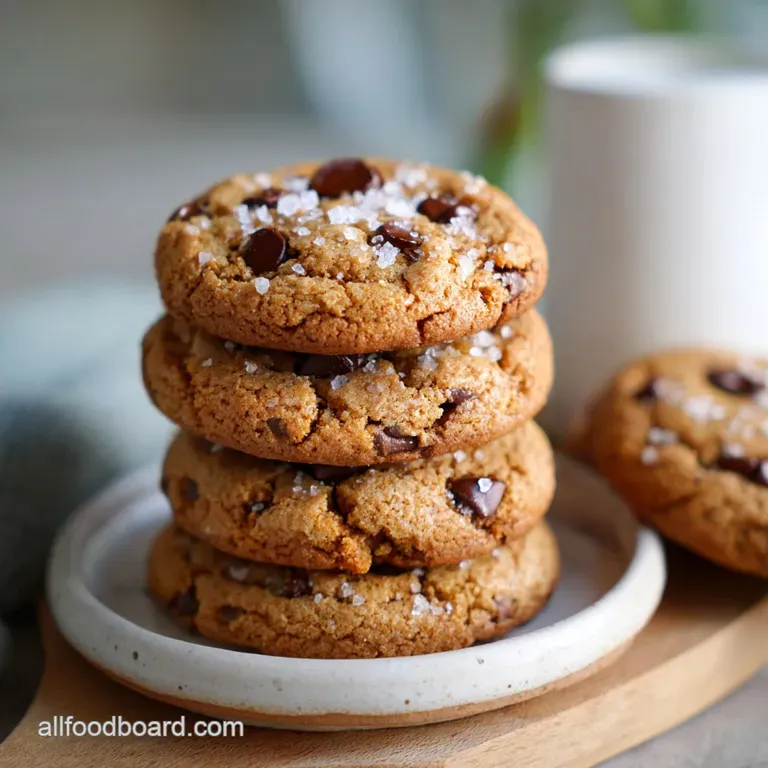
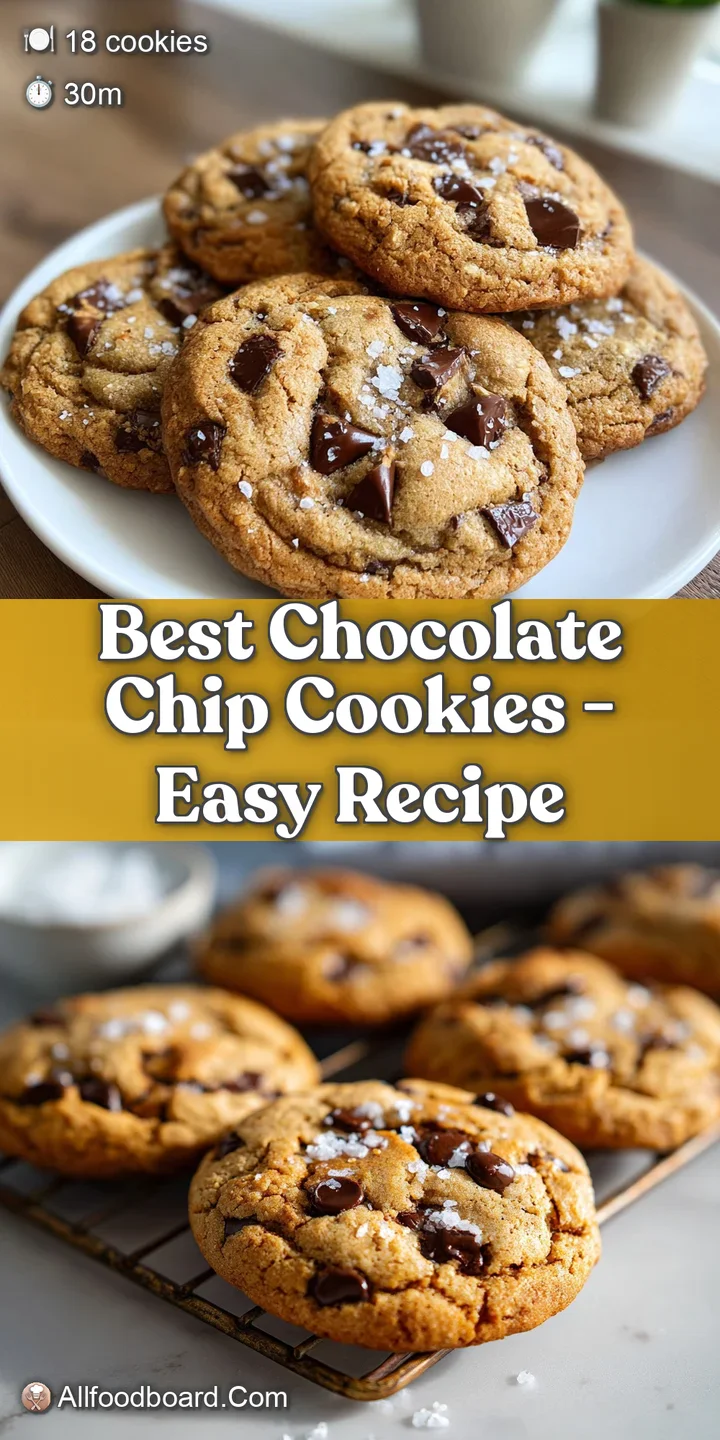
- Flavor/Texture Hook: Shatter crisp edges with a velvety, molten center
- Perfect for: An elegant afternoon tea or a cozy childhood inspired treat
- Crafting the Best Chocolate Chip Cookies Ever
- Essential Specs for Achieving Golden Ratios
- Curating the Finest Pastry Elements
- Tools for the Flour Dusted Kitchen
- A Visual Guide to the Bake
- Refined Solutions for Common Baking Errors
- Creative Variations for the Artistic Baker
- Preserving the Warmth of the Oven
- Elegant Pairings and Serving Ideas
- Recipe FAQs
- 📝 Recipe Card
Crafting the Best Chocolate Chip Cookies Ever
The aroma of butter browning on the stove is, in my opinion, the most nostalgic scent in a home kitchen. It starts with a gentle hiss and ends with a deep, nutty perfume that signals something special is about to happen.
If you've ever pulled a tray of flat, greasy discs out of the oven, you know the heartbreak of a recipe that promises the world but delivers a mess. We aren't just making a snack here; we're crafting a piece of edible art that brings back those flour dusted memories of baking with grandma, but with a refined, modern edge.
I remember one rainy Tuesday when I tried to rush the process, skipping the brown butter step entirely. The result was... fine. But "fine" isn't why we're here. We're looking for that specific magic where the edges of the dough turn golden and crispy while the center remains soft enough to hold the imprint of a thumb.
It's about that balance of color, from the pale gold of the dough to the obsidian shards of 70% dark chocolate.
Trust me, once you see the way the flaky sea salt catches the light against a puddled pool of melted chocolate, you’ll never go back to the standard bag on-the back-of the-pack method. This is the version your friends will beg you to bring to every gathering. Right then, let's get our aprons on and get to work.
Essential Specs for Achieving Golden Ratios
Before we get our hands into the flour, we need to understand the blueprint of what we're building. Precision is the silent partner of the baker. While some recipes allow for a bit of "winging it," a great pastry relies on the specific behavior of fats and sugars under heat.
The Science of Why it Works: The Maillard reaction occurs when the proteins and sugars in the dough are heated, creating those complex, toasted flavor compounds and the deep brown color.
Plus,, starch gelatinization ensures the flour absorbs the moisture from the eggs and brown butter, providing a structural foundation that isn't tough or cakey.
| Method | Time | Texture | Best For |
|---|---|---|---|
| High Temp (375°F) | 8 minutes | Thin, very crispy edges | Fans of a "snap" |
| Standard (350°F) | 10 minutes | Balanced soft and chewy | Traditional perfection |
| Lower Temp (325°F) | 13 minutes | Soft, uniform, thick | Those who love "doughy" |
The interplay between the sugars is where the magic happens. We use a higher ratio of light brown sugar to granulated sugar to ensure a moist, chewy interior. Brown sugar contains molasses, which is hygroscopic meaning it pulls moisture from the air keeping your cookies soft for days.
Chef's Tip
Freeze your chocolate bars for 10 minutes before chopping them. This prevents the friction of the knife from melting the chocolate, leaving you with clean, distinct shards and plenty of "chocolate dust" that streaks beautifully through the dough.
Curating the Finest Pastry Elements
Every ingredient in this recipe serves a specific purpose in the architecture of the bake. I always reach for high-quality unsalted butter because it allows me to control the salt levels precisely.
Using a 70% dark chocolate rather than standard semi sweet chips provides a sophisticated bitterness that cuts through the richness of the dough.
| Component | Science Role | Pro Secret |
|---|---|---|
| Brown Butter | Fat & Flavor | Water is added back to replace what evaporated during browning. |
| Egg Yolk | Emulsifier | Adding an extra yolk introduces more lecithin, creating a velvety crumb. |
| Cornstarch | Softener | It breaks up the gluten strands, ensuring a tender, non tough bite. |
Choosing your elements is half the battle. I prefer using pure vanilla bean paste because the tiny black specks add a rustic, artisanal look that liquid extract just can't match. If you want to see a similar attention to detail in a slightly different cookie profile, you might enjoy my Classic Chocolate Chip recipe.
- 1 cup (225g) Unsalted butter: Why this? Browning creates toasted, nutty notes that define the flavor profile. (Substitute: Cultured vegan butter; higher fat content mimics dairy well.)
- 1 tbsp (15ml) Water: Why this? Rehydrates the butter after the water content evaporates during the browning process. (Substitute: Milk; adds a hint of lactose for even more browning.)
- 3/4 cup (150g) Light brown sugar: Why this? Provides moisture and a subtle caramel flavor. (Substitute: Dark brown sugar; adds more intense molasses and moisture.)
- 1/4 cup (50g) Granulated cane sugar: Why this? Creates the crispy, structural edges we crave. (Substitute: Coconut sugar; earthy flavor but slightly grainier texture.)
- 1 large Egg + 1 Egg yolk: Why this? The yolk adds fat for a rich, fudgy mouthfeel. (Substitute: 1/4 cup unsweetened applesauce; creates a denser, more moist cookie.)
- 1 tbsp (15ml) Vanilla bean paste: Why this? Concentrated flavor and beautiful aesthetic specks. (Substitute: Vanilla extract; same flavor but lacks the visual seeds.)
- 2 cups (250g) All purpose flour: Why this? Provides the perfect protein balance for structure. (Substitute: 1:1 gluten-free flour blend; slightly grittier but holds shape well.)
- 1 tsp (5g) Baking soda: Why this? Reacts with the acidic brown sugar to help the cookies rise and brown. (Substitute: 3 tsp baking powder; cookies will be puffier and less browned.)
- 1/2 tsp (3g) Sea salt: Why this? Enhances every other flavor in the dough. (Substitute: Kosher salt; use slightly more as grains are larger.)
- 1 tsp (4g) Cornstarch: Why this? Keeps the cookies soft and thick rather than spreading thin. (Substitute: Arrowroot powder; works identically as a thickener.)
- 1.5 cups (250g) 70% Dark chocolate: Why this? Chopped shards create "puddles" of chocolate that chips cannot. (Substitute: Milk chocolate; much sweeter, lacks the bitter complexity.)
- 1 tsp Flaky sea salt: Why this? Adds a crunch and a flavor pop that balances the sugar. (Substitute: Fleur de sel; smaller grains but still offers that salty finish.)
Tools for the Flour Dusted Kitchen
You don't need a professional bakery setup, but a few specific tools will make your life much easier. I always recommend a light colored heavy bottomed saucepan for the butter. If you use a dark pan, it's nearly impossible to see the milk solids browning, and you risk burning them.
A sturdy stand mixer or a reliable hand mixer (like a KitchenAid or Cuisinart) is essential for getting the right aeration in the sugar and egg mixture. However, when it comes to the flour, I always switch to a silicone spatula. Over mixing at the end is the fastest way to turn a masterpiece into a hockey puck.
| Premium Tool | Budget Alternative | Flavor Impact | Savings |
|---|---|---|---|
| Vanilla Bean Paste | Pure Extract | Visible specks vs. clear liquid | Save $15-20 |
| 70% Valrhona Choc | Store Brand Dark Bar | Superior melt vs. standard melt | Save $5-8 |
| Silpat Mat | Parchment Paper | Slightly softer bottoms vs. crisper | Save $1-2 |
Finally,, a cookie scoop is your best friend for consistency. If the cookies are all the same size, they'll all finish baking at exactly the same time. This prevents the "some are raw, some are burnt" tragedy that haunts many home bakers.
A Visual Guide to the Bake
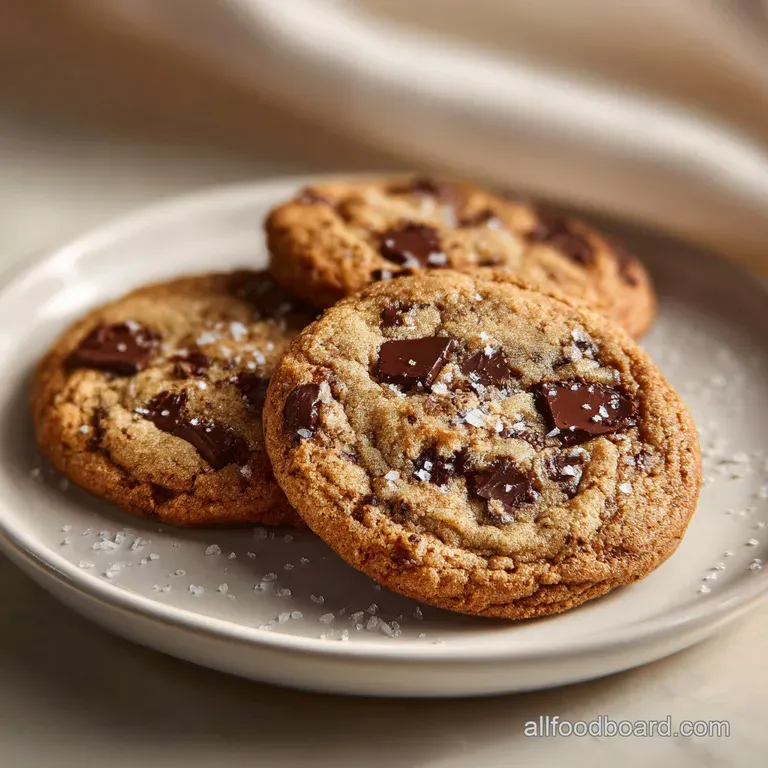
Ready to get started? Keep your eyes on the colors and your nose on the aromas. This process is as much about sensing the changes as it is about following the clock.
- Brown the butter. Melt the 1 cup of butter in a light colored saucepan over medium heat, swirling until the foam subsides and brown bits appear. Note: This creates the Maillard reaction flavor base.
- Rehydrate and cool. Pour the hot butter into a bowl, whisk in 1 tbsp water, and let it cool for 10 minutes. Note: Adding water replaces moisture lost to steam.
- Whisk the sugars. Add 3/4 cup brown sugar and 1/4 cup cane sugar to the cooled butter. Whisk vigorously until the mixture looks like wet sand.
- Incorporate eggs. Add the egg, egg yolk, and 1 tbsp vanilla bean paste. Whisk for 2 full minutes until the mixture becomes pale and glossy. Note: This creates a stable emulsion for a smooth texture.
- Mix dry ingredients. In a separate bowl, whisk 2 cups flour, baking soda, salt, and cornstarch.
- Fold gently. Add the dry ingredients to the wet. Use a spatula to fold until just a few streaks of flour remain. Note: Do not overwork the gluten!
- Add chocolate. Fold in 1.5 cups of chopped dark chocolate. Use the "chocolate dust" from the cutting board too.
- Scoop the dough. Portions should be about 2 tablespoons each. Arrange on a lined sheet.
- Bake. Place in a preheated 350°F oven for 10 minutes until edges are set and golden but centers look slightly soft.
- Finish. Immediately sprinkle with flaky sea salt while the chocolate is still molten.
Chef's Tip
For the "bakery style" look, take a circular glass or cookie cutter and gently swirl it around each cookie immediately after they come out of the oven. This "scooting" method tucks in any stray edges and creates a perfectly round shape.
Refined Solutions for Common Baking Errors
Even the best of us have bad baking days. The most common heartbreak with the best chocolate chip cookies is the "pancake effect," where the dough spreads into one giant, flat sheet. Usually, this happens because the butter was too hot when the sugars were added, or the oven wasn't fully preheated.
Why Your Cookies Are Cakey
If your cookies resemble little mounds or muffins rather than flat, chewy discs, you've likely over measured the flour. When using measuring cups, always "spoon and level" rather than dipping the cup directly into the bag, which packs the flour down. Another culprit is using too many eggs or too much baking powder.
| Problem | Root Cause | Solution |
|---|---|---|
| Excessive Spreading | Butter was too hot | Chill the dough for 30 mins before baking. |
| Tough Texture | Over mixing the flour | Stop mixing as soon as no white streaks remain. |
| Burnt Bottoms | Dark baking sheet | Use a silicone mat or double up the baking sheets. |
Common Mistakes Checklist
- ✓ Ensure your egg and yolk are at room temperature to prevent the butter from seizing.
- ✓ Don't skip the water addition; browning butter removes about 15-20% of its volume in water.
- ✓ Check your baking soda's expiration; it’s the primary leavening agent here.
- ✓ Resist the urge to bake longer than 10 minutes; they firm up significantly as they cool.
- ✓ Use a scale for the flour (250g) if possible; it is the only way to be 100% accurate.
Creative Variations for the Artistic Baker
While the classic is hard to beat, sometimes you want to paint with different colors. If you’re feeling adventurous, you can easily swap the dark chocolate for white chocolate and add a handful of toasted macadamias. For another variation on a beloved classic, you should definitely check out my Dreamy White chocolate recipe — it’s a completely different sensory experience.
For a Nutty Crunch
Add 1/2 cup of toasted, chopped pecans or walnuts. To toast them, simply toss them in a dry pan over medium heat for 3-5 minutes until they smell fragrant and woody. This adds a rustic texture that complements the brown butter perfectly.
For a Vegan Friendly Swap
Replace the butter with a high-quality vegan block (not tub margarine) and use a "flax egg" (1 tbsp ground flax mixed with 3 tbsp water). Note that the browning process won't work the same way with plant based fats, but the flavor will still be excellent due to the dark chocolate.
Making it Small or Large
If you're scaling down (halving the recipe), beat one egg in a small bowl and use exactly half by weight or volume. For scaling up (doubling), don't double the salt or baking soda exactly use 1.5x the amount to avoid a metallic or overly salty aftertaste.
| Servings | Dough Amount | Pan Size | Bake Time |
|---|---|---|---|
| 9 cookies | ~2 tbsp per cookie | Quarter Sheet | 9-10 minutes |
| 18 cookies | ~2 tbsp per cookie | Half Sheet | 10 minutes |
| 36 cookies | ~2 tbsp per cookie | 2x Half Sheets | 11-12 minutes (rotate pans) |
Preserving the Warmth of the Oven
The tragedy of a great cookie is that it eventually goes cold. However, because of the brown sugar and the cornstarch in this recipe, these stay soft longer than most.
Storage: Keep them in an airtight container at room temperature for up to 5 days. I like to put a small piece of white bread in the container; the cookies will actually pull the moisture out of the bread to stay soft!
Freezing: You can freeze the baked cookies for up to 3 months in a freezer bag. Better yet, freeze the raw dough balls! Flash freeze them on a tray for an hour, then toss them into a bag. You can bake them straight from frozen; just add 2 minutes to the bake time.
Zero Waste: If you have cookies that have finally gone stale, don't toss them! Crush them up and use them as a base for a cheesecake crust, or fold them into homemade vanilla ice cream.
Even the "chocolate dust" left on your cutting board should be scraped into the dough it creates beautiful swirls during the bake.
Elegant Pairings and Serving Ideas
To really honor the artistry of these cookies, think about how you present them. I love serving them on a rustic wooden board with a few sprigs of fresh mint for a pop of green against the golden brown.
For a sophisticated dessert, serve a warm cookie with a scoop of high-quality sea salt caramel ice cream. The contrast between the hot, melting chocolate and the freezing cream is incredible. If you're looking for a more casual, fun treat, you might want to try my Classic Edible Cookie recipe, which captures that raw dough flavor we all secretly love.
- 1. Golden Base
- The dough itself provides the warm, foundational tone.
- 2. Obsidian Shards
- The dark chocolate creates deep, moody contrast.
- 3. White Flaky Salt
- A final sprinkle of salt adds a bright, crystalline highlight that makes the other colors "pop."
Debunking Baking Misconceptions
One common myth is that you must chill cookie dough for 24 hours for it to be good. While chilling does deepen the flavor (hydration of the flour), this specific recipe is engineered with brown butter and cornstarch to be excellent even if baked immediately.
Another myth is that more baking soda makes a "fluffier" cookie; in reality, too much will just cause the cookie to collapse and taste like soap. Finally,, "searing" or browning butter isn't just for flavor; it actually changes the fat structure, which is why we add that tablespoon of water back in to maintain the proper moisture balance.
Recipe FAQs
What is the secret to perfect chocolate chip cookies?
Brown butter and cornstarch. Browning the butter adds a rich, nutty depth of flavor and changes the fat structure. Cornstarch helps create a thick, tender, and chewy cookie.
What are the top 5 most popular cookies?
Chocolate chip, peanut butter, oatmeal raisin, sugar cookies, and gingerbread. These classic cookies consistently rank high in popularity due to their nostalgic appeal and widely loved flavors and textures.
What is the secret to the best cookies?
Precision in ingredients and technique. Using room temperature ingredients, accurate measurements, and understanding how browning butter and precise sugar ratios affect texture are key to superior cookies.
What happens if you add an extra egg to chocolate chip cookie mix?
The cookies will be softer and cakier. An extra egg adds more moisture and fat, which can lead to a more cake like texture and potentially more spread if not balanced with other ingredients.
How to achieve crispy edges and a chewy center?
Balance your sugars and baking time. A higher ratio of brown sugar to granulated sugar promotes chewiness, while baking until the edges are golden and the center is still slightly soft creates this desired contrast.
Can I substitute butter with margarine in chocolate chip cookies?
No, it’s not recommended for optimal texture. Butter provides a richer flavor and better structure due to its fat and water content, which margarine often mimics with added emulsifiers that can alter the cookie's chewiness and crispness.
Why do my chocolate chip cookies spread too much?
Likely due to warm butter or too much leavening. If your butter is too warm when you add the sugars, or if you've used too much baking soda, the cookies will spread excessively. Try chilling the dough before baking.
Best Chocolate Chip Cookies
Ingredients:
Instructions:
Nutrition Facts:
| Calories | 276 calories |
|---|---|
| Protein | 3.0 g |
| Fat | 16.4 g |
| Carbs | 28.1 g |
| Fiber | 1.8 g |
| Sugar | 15.2 g |
| Sodium | 144 mg |
