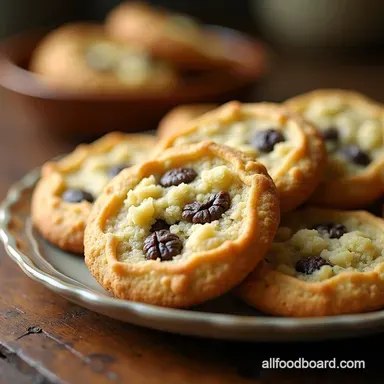
Golden Lace Florentine Cookies the Truly Chewy Nutty Classic
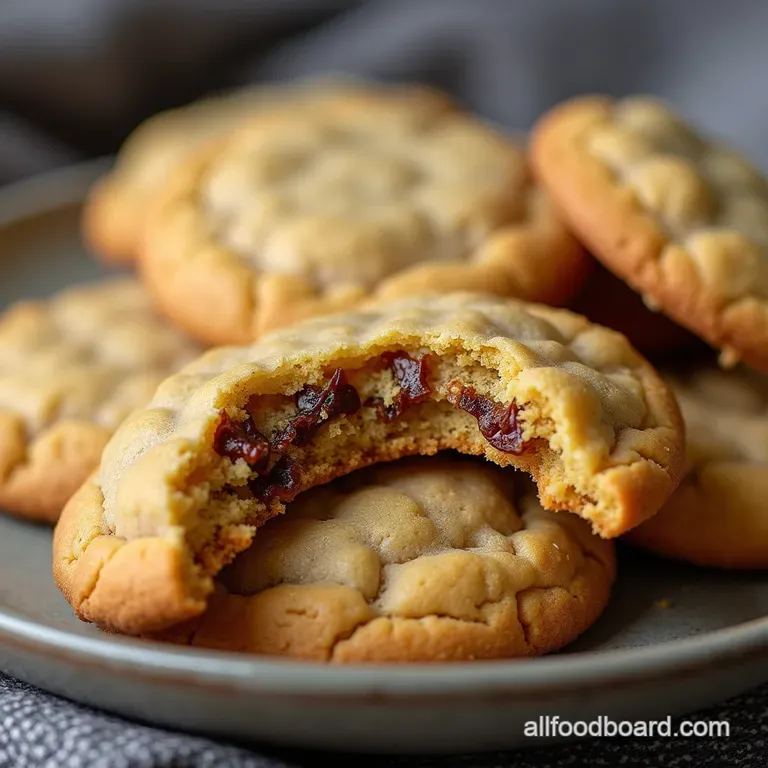
- Unveiling the Magic: Why Florentine Cookies Define Elegance in Baking
- Achieving That Signature, Delicate Golden Lace Texture
- Assembling Your Gold Dust: Essential Components for True Florentines
- The Alchemy of Melting: Mastering the Caramel Base
- Forming and Baking Your Lacy Masterpieces
- Troubleshooting & Pro Tips for Flawless Florentine Cookies
- Elevating Your Cookies: Dipping and Decoration Techniques
- Longevity Secrets: Storing Your Golden Laces
- Recipe FAQs
- 📝 Recipe Card
Unveiling the Magic: Why Florentine Cookies Define Elegance in Baking
There are biscuits, and then there are Florentine Cookies . These delicate, lace like creations feel like they belong under glass in a Parisian patisserie, yet they are entirely achievable right in your home kitchen.
As a baker who appreciates the balance between rustic flavour and refined presentation, I find that these cookies represent the pinnacle of confectionery art. They are wonderfully crisp around the edges, satisfyingly chewy in the centre, and possess a rich, deep flavour derived from perfectly caramelized butter and sugar.
Forget boring drop cookies; preparing these beauties elevates any dessert platter instantly.
Achieving That Signature, Delicate Golden Lace Texture
The defining characteristic of a true Florentine is its structure a network of golden caramel webbing studded with chopped nuts. This texture isn't accidental; it’s the result of a specific chemical reaction encouraged by the right balance of fat, sugar, and heat.
Understanding this process is the key to mastering the Lace Cookies Recipe .
The Allure of European Confectionery: A Brief Introduction
The Florentine Cookies Origin often points toward Italy, though similar thin, nut-based cookies are cherished across Europe. They stand apart because they require cooking a sugar syrup base before incorporating the nuts and flour, a technique that sets them apart from simpler cookie doughs.
This method ensures the nuts are suspended within a thin, brittle caramel matrix rather than just mixed into a dense batter. These aren't just sweet treats; they are edible architecture.
Why This Recipe Guarantees Perfect Chewiness Every Time
Many bakers struggle to find the sweet spot between brittle crunch and satisfying chew. In our Florentine Cookies Recipe , we carefully balance the ratio of heavy cream to butter and sugar.
The inclusion of a small, measured amount of heavy cream helps buffer the sugar, preventing it from crystallizing too quickly and ensuring that when cooled, the resulting cookie has a slightly softer, chewier interior layer, perfectly complementing the sharp crunch of the caramelized edges.
Beyond the Biscuit: Defining Florentine Cookies
What makes these cookies sometimes referred to as Grandmas Lace Cookies Recipe favorites so special? It’s the transformation. Starting as a sticky, complex mixture, the cookies bake down into thin, nearly translucent wafers.
They earn their name, "lace," because of the gorgeous, airy pattern created as the cooked mixture spreads out on the baking sheet. They are undeniably sophisticated, far removed from standard fare, making them worthy of any Blue Ribbon Cookies competition.
Assembling Your Gold Dust: Essential Components for True Florentines
Crafting these golden delights requires high-quality ingredients handled with precision. Because the base relies on a cooked syrup, there is very little room for error, making ingredient quality paramount.
Selecting The Perfect Mix: Nuts, Candied Fruit, and Sweeteners
For our classic take, we rely on Florentine Cookies with Chocolate often being paired with almonds. We use 150g of lightly toasted, sliced or flaked almonds. Toasting them first releases their essential oils and deepens their nutty flavour significantly.
To mimic traditional European complexity, we fold in 50g of finely chopped dried cherries or candied orange peel. The sugar used must be standard granulated white sugar, as brown sugar’s molasses content would drastically alter the caramel colour and flavour we are aiming for.
Butter Ratio Secrets: Ensuring Optimal Caramelization
The fat content dictates how thinly the cookies will spread and how richly they will caramelize. We use 115g of unsalted butter, melted down with the sugar and cream. This fat element is crucial; it lowers the overall boiling point just enough to allow the sugar to caramelize to a beautiful, amber hue before it scorches.
The exact measurement is vital here too little fat, and you get hard candy; too much, and they won't set properly.
Prep Station Essentials: What You Need Before You Begin Cooking
Before you even turn on the heat, your entire station must be ready. Since the cooked mixture thickens rapidly once removed from the burner, you need everything organized. Have your flour and salt measured out, your nuts ready, and your baking sheets lined ideally with silicone mats before the butter starts melting.
You will need a heavy bottomed saucepan, as thin pans create hot spots that lead to burnt sugar.
The Alchemy of Melting: Mastering the Caramel Base
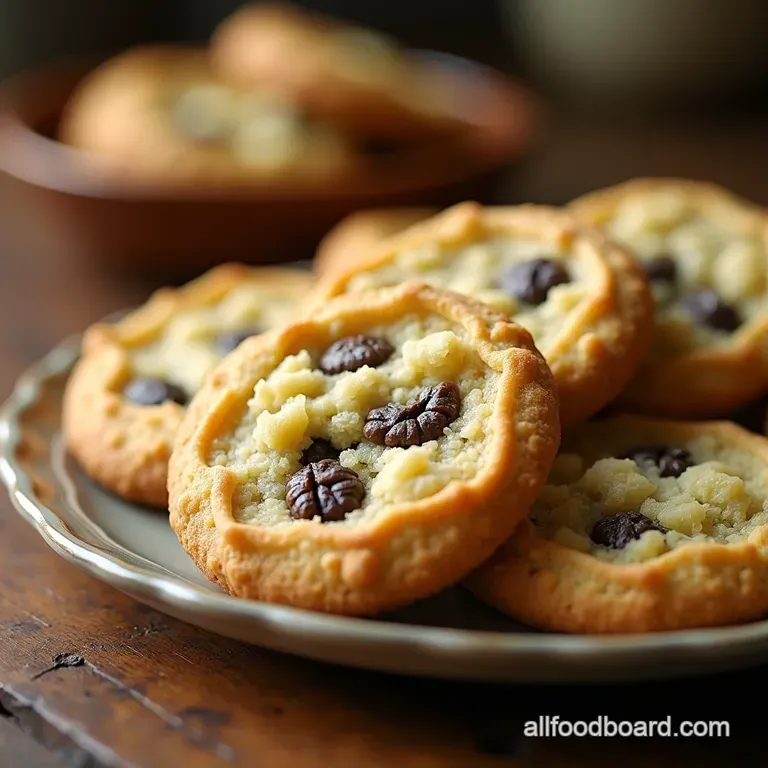
This is where the magic and the focus truly lies. We are not just melting ingredients; we are initiating the Maillard reaction and caramelization simultaneously.
Related Recipes Worth Trying
- The Best Soft Chewy Peanut Butter Cookies Recipe — Tired of dry biscuits This easy recipe delivers the softest chewiest homemade peanut butter cookies youve ever tasted Perfect for your biscuit tin
- Perfectly Chewy Peanut Butter Cookies Classic Fork Mark Recipe — Master the Best Peanut Butter Cookies This easy recipe yields perfectly chewy nostalgic treats ideal for any bake sale Get the foolproof technique now
- The Best Peanut Butter Cookies Chewy Foolproof — Learn how to make truly classic meltinyourmouth Peanut Butter Cookies with this foolproof recipe Get the perfect texture every time
Forming and Baking Your Lacy Masterpieces
Once the base is prepared and cooled slightly, the physical assembly and baking process demands swift, confident movements to achieve the airy texture typical of Florentine Cookies .
Step-by-step: Creating the Sticky, Buttery Syrup
In your heavy saucepan, combine the 115g of butter, 100g of granulated sugar, and 60ml of heavy cream. Heat this over medium heat, stirring until the butter is fully melted and the sugar grains have dissolved completely. The next phase is crucial: allow this mixture to come to a gentle boil.
You must monitor it closely as it cooks for about 3 to 5 minutes. You are looking for the mixture to transition from clear liquid to a light amber colour think the shade of weak iced tea. This indicates sufficient caramel development.
Incorporating the Nut Mixture Without Overcooking
Once that lovely amber colour is achieved, immediately remove the pan from the heat. Now, swiftly whisk in the 50g of flour and ¼ teaspoon of salt until just incorporated. Immediately fold in your toasted almonds and any dried fruit. The residual heat will finish the process.
If you continue heating the nuts, they risk becoming bitter. The mixture will be very sticky and thick. The next step is non-negotiable: cover this mixture and chill it for at least 30 minutes.
This chilling phase firms up the sticky caramel, making it scoopable rather than pourable, which is essential for controlling the spread.
The Crucial Drop: Spacing and Shaping on the Baking Sheet
Preheat your oven to 350° F ( 175° C). Once chilled, use a level teaspoon or a small cookie scoop to drop mounds of the mixture onto your prepared baking sheets.
Because these cookies are destined to spread widely this is what creates the lace you must grant them significant personal space. Leave a minimum of two inches between each mound. If you crowd them, they will merge into one single, enormous cookie sheet disaster.
Cooling and Setting: Preventing Breakage During Transition
Bake for 8 to 12 minutes. Watch them closely; the edges should turn a deep golden brown and look bubbly and airy, while the centre should appear set but still glossy. Do not attempt to move them immediately! When they emerge from the oven, they are molten and fragile.
Allow them to rest on the hot baking sheet for a critical 2 to 3 minutes. Only then, using a very thin, flexible spatula, can you gently lift them onto a wire rack to cool completely. This resting period allows the caramel structure to solidify just enough to hold its shape.
Troubleshooting & Pro Tips for Flawless Florentine Cookies
Even with the best intentions, sometimes sugar can be temperamental. Knowing how to recover from common mishaps ensures you can still achieve your Easy Florentine Cookies dream.
What To Do If Your Caramel Seizes or Burns
If your sugar mixture "seizes" (looks grainy or crystallized) while on the heat, immediately take it off the burner and whisk in a tablespoon of hot water or cream, then return it briefly to low heat, stirring gently until it dissolves again.
If it begins to smell acrid or turns dark brown/black, it’s burned discard and start over; sadly, burnt sugar cannot be rescued. If you are finding this level of cooking challenging, consider our gluten free Florentine Cookies variation (using almond flour instead of wheat flour) which sometimes simplifies the base handling slightly.
Nutritional Snapshot: Understanding the Makings of a Florentine
These cookies are rich due to the butter and nuts, making them satisfying in small quantities. They are relatively low in actual flour content, relying instead on the nuts for structure.
For an accurate understanding, remember the nutritional profile is heavily influenced by whether you add the chocolate topping, which adds richness and deep antioxidants if using high-quality dark chocolate.
Creative Swaps: Substituting Nuts and Citrus Zest
While almonds are traditional, feel free to experiment. Toasted pecans work wonderfully, offering a softer crunch. For a vibrant alternative flavour profile often found in high end baking, try adding the zest of one orange or lemon into the initial butter/sugar mix it brightens the entire flavour, turning them into fragrant citrus laced treats.
Elevating Your Cookies: Dipping and Decoration Techniques
Once the Florentine Cookies have cooled completely, they are ready for their finishing touch. While delicious plain, a chocolate coating adds a decadent counterpoint to the rich caramel.
Take 100g of high-quality dark chocolate (60 70% cacao works best) and melt it gently using a double boiler or short bursts in the microwave. Once smooth, you have two options: either drizzle thin, zig-zag lines across the top of each cookie using a fork, or, for a truly professional look, take half the cookies, spread a thin layer of chocolate onto the flat bottom surface, and gently press the remaining plain cookies on top, creating a chocolate sandwich.
Allow the chocolate to set fully at room temperature or briefly in the refrigerator before stacking them.
Longevity Secrets: Storing Your Golden Laces
The main enemy of a perfect Florentine is humidity, which causes that delicate lace structure to soften and become sticky.
Keeping Them Crisp: Optimal Storage Conditions
To maintain the perfect crunch, store your Florentine Cookies in an airtight container at cool room temperature. It is highly recommended to place a small square of paper towel or a small food safe desiccant packet inside the container; this will absorb any ambient moisture.
Properly stored, these cookies will maintain their signature texture for up to two weeks, though honestly, they rarely last that long!
Recipe FAQs
My Florentine Cookies spread way too much! How do I stop them from turning into a single giant sheet?
Ah, the dreaded biscuit sprawl! This usually happens for two reasons: either the caramel mixture wasn't cooked long enough, or you didn't chill the dough sufficiently. Make sure you're using a silicone baking mat (Silpat) as parchment lets them run a bit more.
Most importantly, ensure that chilled dough is firm before spooning it out a cold base resists spreading in the hot oven.
How can I get that perfect, delicate lace texture rather than a thick, chewy lump?
That lovely lace effect comes from the ratio of sugar/butter to flour and the baking time. Ensure you are portioning them quite small think about a teaspoon of the mixture as they need to spread thin.
Also, don't be shy when baking; they need to look quite dark brown on the edges when they come out; that crispness is what creates the airy lace structure.
Can I skip chilling the dough for these Florentine Cookies? I’m in a rush!
While you technically could try to scoop it straight away, I wouldn't recommend it unless you enjoy a bit of kitchen chaos! The mixture will be sticky as treacle, making it nearly impossible to portion neatly.
A good 30 minutes in the fridge firms up that buttery caramel base, making it behave more like a proper cookie dough for easier handling.
How should I store these cookies to keep them crunchy and not sticky?
Florentines are susceptible to humidity, which turns them soft faster than you can say "cuppa tea." Keep them in a completely airtight container at room temperature definitely not the fridge, as that can encourage moisture.
If you have used chocolate, place small squares of parchment paper between the layers to stop the chocolate from sticking to the nuts above it.
Are there any good substitutes for the almonds if I want to try a different nut or inclusion?
Absolutely! Feel free to swap the almonds for pecans, hazelnuts, or even slivered pistachios; just give them a good toast first. If you want to avoid nuts altogether, toasted shredded coconut works a treat, though you might need to reduce the amount slightly as it absorbs more moisture during baking.
My caramel mixture turned dark brown, almost black! Did I burn it, and can I save it?
If it’s gone dark brown or bitter, you’ve gone past caramel and straight into burnt territory, I'm afraid. You must start that sugar/butter stage again; burnt sugar tastes decidedly unpleasant.
Remember to pull the mixture off the heat right when it achieves that lovely amber hue it continues to cook slightly once you add the flour.
Chewy Florentine Cookies