Winter Citrus Salad with Fennel
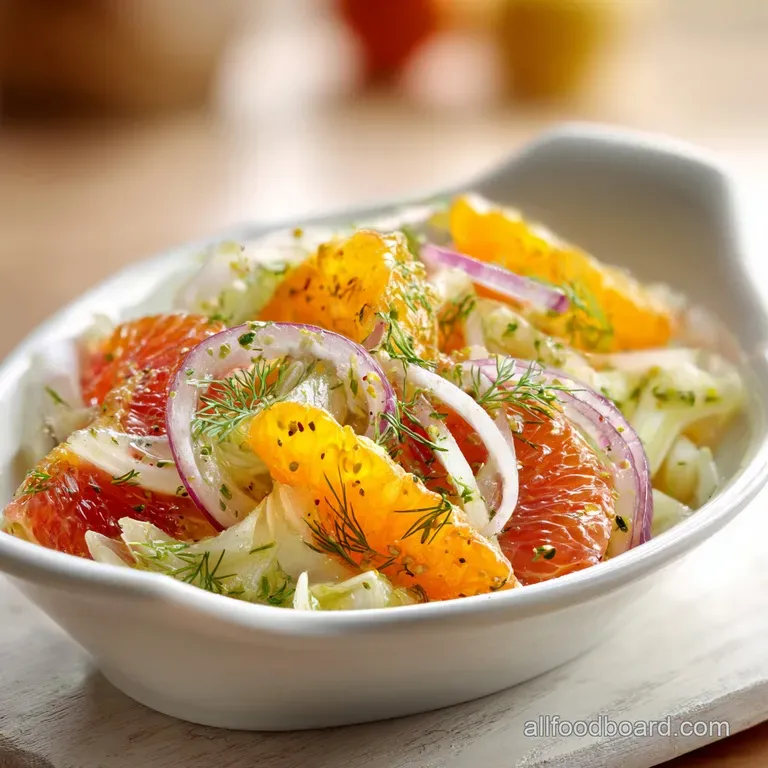
- Time: Active 15 minutes, Passive 0 minutes, Total 15 minutes
- Flavor/Texture Hook: Zesty, crunchy, and velvety
- Perfect for: Winter brunches, light lunches, or a sustainable weeknight side
- Forget the Lettuce for This Perfect Citrus Salad
- Bright Flavors and Quick Prep in 15 Minutes
- Essential Nutritional Numbers and Yield for Your Planning
- Selecting the Most Vibrant Produce for Your Plant Based Bowl
- The Necessary Toolkit for Slicing and Emulsifying Perfectly
- Mastering the Assembly of This Stunning Colorful Platter
- Preventing Common Textural Failures in Fruit Dishes
- Smart Plant Based Swaps for a Sustainable Flavor Profile
- Proper Storage and Zero Waste Tips for Citrus Scraps
- Ideal Pairings for a Refreshing Vegan Brunch Spread
- Kitchen Myths Debunked
- Recipe FAQs
- 📝 Recipe Card
Forget the Lettuce for This Perfect Citrus Salad
Forget everything you’ve been told about salads needing a base of wilted greens to be "real" food. Honestly, most of those sad bags of spring mix just get soggy the second they touch a vinaigrette anyway.
When the winter chill sets in and the produce aisle starts looking a bit bleak, that’s when the citrus starts to shine. I remember the first time I ditched the lettuce entirely the kitchen smelled like a sun drenched grove, and the floor was covered in sticky, fragrant juice.
It was a mess, but the result was a revelation of color and brightness that a bowl of kale could never achieve.
We are diving into a dish that celebrates the peak of citrus season without the filler. This Citrus Salad isn't just a pile of fruit; it’s a carefully constructed balance of sweetness, acidity, and healthy fats.
We’re talking about the deep crimson of Blood Oranges, the rosy hue of Ruby Red Grapefruits, and the sweet, low acid profile of Cara Caras. It’s a plant based dream that feels indulgent because of the textures, not because of heavy dressings.
You’re going to learn how to handle a knife like a pro to get those translucent, beautiful rounds and how to build a dressing that actually clings to the fruit instead of pooling at the bottom of the plate. We’re keeping things sustainable, light, and incredibly fresh.
Right then, let's get those knives sharpened and clear some space on the counter. Trust me, once you see these colors together on a chilled platter, you'll never look at a head of romaine the same way again.
Bright Flavors and Quick Prep in 15 Minutes
The beauty of this recipe lies in its speed, but don't mistake quickness for lack of technique. We often think that a 15 minutes dish can't be sophisticated, but that's a myth I’m happy to bust. The "cook" time is zero because we are relying on the natural chemistry of the ingredients.
The real work is in the prep the way you shave that fennel and how you emulsify the oil. It’s about being present with the ingredients and noticing the sensory triggers: the sizzle of the citrus oils as you zest the skin, and the aroma of fresh mint as it hits the cutting board.
We are creating a dish that feels like it belongs in a high end bistro but costs a fraction of the price if you shop seasonally. I’ve made the mistake of using dull knives before, and let me tell you, "squashed orange salad" is not a look we're going for. We want clean edges and distinct layers.
By using a mix of citrus varieties, we ensure every bite has a different level of tang and sweetness.
This approach is also remarkably sustainable. We’re using the whole fruit (minus the pith), and the leftover peels can be used for infusions or cleaning solutions. It’s a vibrant, plant based way to eat that feels good for your body and the planet.
We've got 15 minutes to turn a pile of fruit into a masterpiece, so let's crack on with the specifics.
Essential Nutritional Numbers and Yield for Your Planning
Before we start slicing, it helps to know exactly what we're working with in terms of volume. This recipe is designed to serve four people as a generous side or a light starter. It’s the kind of dish that scales beautifully, whether you're feeding a small family or prepping for a weekend brunch.
- Aromatic Balance
- The volatile oils in the citrus skins are highly fragrant but can be bitter if the white pith is left on.
- Texture Contrast
- Shaved fennel provides a structural "snap" that prevents the salad from feeling one dimensional or mushy.
- Emulsion Stability
- Using Dijon mustard as a natural bridge allows the oil and lemon juice to stay combined, coating the fruit evenly.
- Fat Integration
- Avocado and burrata (or a vegan alternative) provide a creamy mouthfeel that tempers the high acidity of the grapefruit.
| Servings | Citrus Count | Fennel Volume | Platter Size |
|---|---|---|---|
| 2 people | 3 Fruits (Mixed) | 1/2 Small Bulb | 10 inch round |
| 4 people | 6 Fruits (Mixed) | 1 Large Bulb | 14 inch oval |
| 8 people | 12 Fruits (Mixed) | 2 Large Bulbs | 2 Large Platters |
This table helps you visualize the scale. If you're hosting a larger group, I always recommend using two separate platters rather than one massive one. It keeps the fruit from being crushed under its own weight and ensures everyone gets a fair share of the toppings.
Selecting the Most Vibrant Produce for Your Plant Based Bowl
Choosing the right ingredients is 90% of the battle here. Since we aren't cooking anything, there’s nowhere for mediocre produce to hide. For the citrus, look for fruits that feel heavy for their size that’s a sign they are full of juice. The skin should be tight and thin.
If the fruit feels light or the skin is puffy and loose, it’s likely dry and pithy inside.
- 2 Large Ruby Red Grapefruits: These provide the essential bitter sweet baseline. Why this? The acidity cuts through the fats of the avocado perfectly.
- 2 Blood Oranges: These are the visual stars with their deep red interior. Why this? They offer a berry like sweetness that balances the grapefruit.
- 2 Cara Cara Oranges: These are lower in acid and have a beautiful pinkish orange hue. Why this? They provide a mellow, floral sweetness to the mix.
- 1 Large Fennel Bulb: Look for bright green fronds and a bulb without brown spots. Why this? It adds a necessary anise flavored crunch.
- 1/4 cup Extra virgin olive oil: Use the good stuff here, something peppery. Why this? It provides the lipid base needed to carry the dressing’s flavor.
- 1 tbsp Fresh lemon juice: Just a splash for extra brightness.
- 1 tsp Honey: I personally swap this for agave or maple syrup to keep it strictly plant based. Why this? It rounds out the sharp edges of the vinegar and acid.
- 1/2 tsp Dijon mustard: This is your emulsifier.
- 1/4 tsp Flaky sea salt: For texture and flavor pops.
- 1/8 tsp Cracked black pepper: Adds a subtle heat.
- 4.5 oz Fresh Burrata cheese: For my vegan friends, a homemade almond ricotta or a store-bought cashew based mozzarella works wonders.
- 1 Firm ripe Avocado: It must be firm enough to slice cleanly.
- 1/4 cup Toasted pistachios: For a salty, nutty shatter.
- 0.25 cup fresh mint leaves: For a cooling finish.
| Original Ingredient | Substitute | Why It Works |
|---|---|---|
| Honey (1 tsp) | Agave Nectar (1 tsp) | Similar viscosity and sweetness. Note: Keeps the dish strictly vegan. |
| Burrata (4.5 oz) | Cashew Mozzarella | Rich and creamy texture. Note: Provides that necessary fat balance without dairy. |
| Pistachios (1/4 cup) | Toasted Pumpkin Seeds | Nut free and provides a similar "shatter" crunch. |
When it comes to the dressing, I often find that people over complicate things. A simple vinaigrette like this is much more effective than a heavy bottled version. If you're interested in more dressing techniques, you can see how I handle greens in this Tangy Vinaigrette recipe.
The Necessary Toolkit for Slicing and Emulsifying Perfectly
You don't need a kitchen full of gadgets, but two specific tools will make your life significantly easier. First is a very sharp chef's knife or a serrated knife. Citrus skins can be slippery, and a dull blade is a recipe for a sliced finger. Second is a mandoline.
While you can slice fennel with a knife, a mandoline gives you that paper thin, translucent "shatter" that makes the salad feel professional.
Chef Tip: If you're nervous about the mandoline, use a cut resistant glove. It takes the fear out of the process and allows you to slice much faster.
You’ll also need a small glass jar with a lid for the dressing. Shaking a jar is much more efficient than whisking in a bowl if you want a tight, creamy emulsion. Finally, use a chilled platter.
Putting your serving dish in the fridge for 10 minutes before assembly helps keep the fruit crisp and prevents the juices from running too quickly.
Mastering the Assembly of This Stunning Colorful Platter
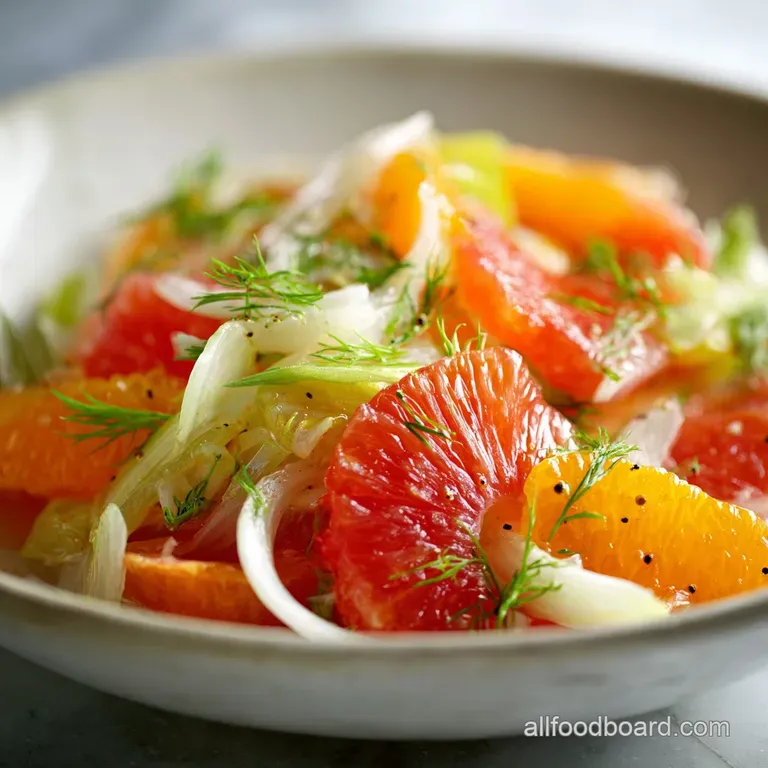
- Prep the citrus. Cut the top and bottom off each fruit so they sit flat. Carve away the peel and white pith following the curve of the fruit. Slice into 1/4 inch thick rounds. Note: Removing all the pith is crucial to avoid a bitter aftertaste.
- Shave the fennel. Using a mandoline, shave the bulb into paper thin slices. The fennel should be translucent and crisp.
- Prepare the dressing. Combine olive oil, lemon juice, honey (or agave), and mustard in a jar. Shake vigorously until thick and pale.
- Arrange the fruit. Lay the citrus rounds in an overlapping pattern on your chilled platter. The colors should be randomized for visual impact.
- Intersperse the veggies. Tuck the fennel shavings and avocado slices between the citrus rounds.
- Add the creamy element. Tear the burrata (or plant based sub) into bite sized pieces and scatter them across the top.
- Add the crunch. Sprinkle the toasted pistachios over everything. Ensure they are roughly chopped for variety in texture.
- The herbal finish. Tear the fresh mint leaves by hand and scatter them. Note: Tearing by hand prevents the edges from bruising and browning.
- The final drizzle. Pour the emulsified dressing over the entire platter. The dressing should cling to the fruit, not run off.
- Season. Finish with a generous pinch of flaky sea salt and cracked black pepper.
| Component Analysis | Science Role | Pro Secret |
|---|---|---|
| Citrus Rounds | Acid & Bulk | Chill the fruit before slicing to get cleaner, sharper edges. |
| Shaved Fennel | Cellulose Structure | Soak in ice water for 5 mins to make it extra curly and crisp. |
| Dijon Mustard | Emulsifier | Use room temp mustard; it blends into the oil much faster than cold. |
| Mint Leaves | Volatile Aromatics | Only tear them at the very last second to keep the scent punchy. |
Creating a salad with these layers reminds me of building a great Potato Salad recipe, where you balance the creamy elements with something sharp and acidic. It’s all about the interplay of textures.
Preventing Common Textural Failures in Fruit Dishes
The biggest enemy of a citrus salad is "soupiness." Citrus is mostly water, and as soon as you add salt and sugar (dressing), osmosis begins to pull the juice out of the cells. If you assemble this too early, you’ll end up with a puddle of juice and limp fruit.
This is why we serve it immediately or keep the components separate until the last second.
Preventing Bitter Aftertastes
The white pith (the albedo) is where most of the bitterness lives. If you are lazy with your knife work and leave it on, the salad will taste medicinal. Take the extra 30 seconds to carve deeply enough that you only see the vibrant flesh of the fruit.
Also, ensure your fennel is fresh; older bulbs can develop a tough, woody core that is unpleasant to chew.
Avoiding a Soggy Platter
If you find your salad is getting too watery, it’s likely because you’ve over dressed it or salted it too early. Use a platter with a slight rim to catch the juices, but don't drown the fruit. The goal is to coat, not soak.
If you're prepping for a party, keep the sliced fruit on paper towels in the fridge to wick away excess moisture before plating.
| Problem | Root Cause | Solution |
|---|---|---|
| Bitter flavor | Pith left on fruit | Use a sharper knife to carve away all white parts. |
| Watery base | Salt added too early | Add flaky salt only at the moment of serving. |
| Mushy avocado | Over ripe fruit | Choose an avocado that yields slightly to pressure but is still firm. |
Common Mistakes Checklist:
- ✓ Didn't peel deep enough (left pith on the oranges).
- ✓ Sliced the citrus too thin (they'll lose their shape and tear).
- ✓ Used pre ground pepper (the aromatic oils in fresh cracked pepper are vital here).
- ✓ Over mixed the platter (this is an assembly, not a tossed salad).
- ✓ Forgot to toast the pistachios (raw nuts lack the necessary crunch and depth).
Smart Plant Based Swaps for a Sustainable Flavor Profile
Since I focus on plant based eating, I’ve found that the fats are the most important part of this dish to get right. If you skip the burrata and don't replace it with something substantial, the salad feels like a snack rather than a meal.
A creamy macadamia nut "feta" or even a generous dollop of thick coconut yogurt (unsweetened!) can provide that cooling contrast.
| Method | Time | Texture | Best For |
|---|---|---|---|
| Chilled Platter | 15 mins | Crisp/Cold | Hot summer days or formal brunches. |
| Room Temp | 15 mins | Juicy/Soft | Quick weeknight dinners where flavor is priority. |
If you want a different vibe, try adding thin slices of radish for extra bite, or swap the mint for basil for a more savory, Italian inspired profile. This salad is a canvas; once you understand the ratio of acid to fat, you can play with whatever is in your fridge.
Proper Storage and Zero Waste Tips for Citrus Scraps
Citrus salads are best eaten immediately. However, if you have leftovers, they can be stored in an airtight container in the fridge for about 24 hours. Just know that the avocado will likely brown and the fennel will lose its snap.
I usually recommend eating the leftovers for breakfast over some overnight oats the juices act as a natural sweetener.
Sustainability Tip: Don't toss those peels! Citrus peels are packed with oils. You can toss them into a jar of white vinegar for two weeks to create a natural, powerful kitchen cleaner. Or, candy them in a simple syrup for a zero waste dessert garnish.
The fennel fronds (the feathery green bits) are also edible and make a beautiful, aromatic garnish that most people throw away.
Ideal Pairings for a Refreshing Vegan Brunch Spread
This salad is incredibly versatile. For a weekend brunch, I love serving it alongside some sourdough toast rubbed with garlic and drizzled with olive oil. The crunch of the toast is a perfect partner for the juicy fruit.
If you’re looking for a more substantial meal, it pairs beautifully with a protein rich grain bowl featuring quinoa or farro.
If you're keeping it light, a crisp glass of sparkling water with a splash of the leftover citrus juice is all you need. The goal is to keep the flavors clean and bright. Because it’s so visually stunning, it also works as a great starter for a dinner party, clearing the palate before a heavier main course.
Kitchen Myths Debunked
One common misconception is that you must "supreme" the citrus (cutting out individual segments between the membranes). While that’s fancy, it's incredibly wasteful and time consuming. Slicing into rounds, as we do here, is faster, produces less waste, and honestly looks more rustic and beautiful on a platter.
Another myth is that citrus salads are only for summer. In reality, citrus is at its absolute peak in the winter months. This is a winter salad through and through, providing a much needed dose of Vitamin C and brightness when the sun is hiding. Embrace the seasonality and use what's freshest at your local market!
Recipe FAQs
Are salads ok for diabetics?
Yes, this salad is a nutrient dense choice. The combination of fiber rich fennel, healthy monounsaturated fats from the avocado, and controlled portions of fruit provides sustained energy without causing rapid blood sugar spikes.
What are the 4 citrus fruits?
This recipe features Ruby Red Grapefruits, Blood Oranges, Cara Cara oranges, and lemon juice. Each variety is chosen for its specific acidity and color profile, creating the visual contrast that defines this dish.
What is the best salad for heart patients?
This citrus salad is an excellent heart healthy option. It relies on heart smart fats from extra virgin olive oil and avocado rather than heavy, saturated dairy based dressings, and if you nailed the stable emulsion in this dressing, use the same whisking method in our Caesar salad dressing.
What exactly is a citrus salad?
It is a sophisticated assembly of sliced citrus rounds, crisp aromatics, and rich toppings. Unlike traditional green salads, it focuses on the balance of sweet tart fruit juices and texture contrasts rather than leafy bases.
How to prep the citrus for this salad?
Cut the top and bottom off the fruits, stand them upright, and carve away the peel and white pith. Slice the remaining fruit into precise 1/4 inch thick rounds to ensure the best texture and visual presentation.
How to make the dressing creamy without cream?
Combine the olive oil, lemon juice, honey, and mustard in a jar and shake until emulsified. The mustard acts as a stabilizer, binding the oil and citrus juice together to create a thick, creamy consistency naturally.
Is it true the fennel needs to be cooked for this salad?
No, this is a common misconception. The fennel should be shaved paper thin on a mandoline until it is translucent and crisp, providing a refreshing, raw crunch that balances the velvety burrata and avocado.
Winter Citrus Salad
Ingredients:
Instructions:
Nutrition Facts:
| Calories | 467 kcal |
|---|---|
| Protein | 9.2g |
| Fat | 29.7g |
| Carbs | 48.1g |
| Fiber | 8.4g |
| Sugar | 33.8g |
| Sodium | 215mg |
