Vegan Buddha Bowl with Shatter Crisp Chickpeas
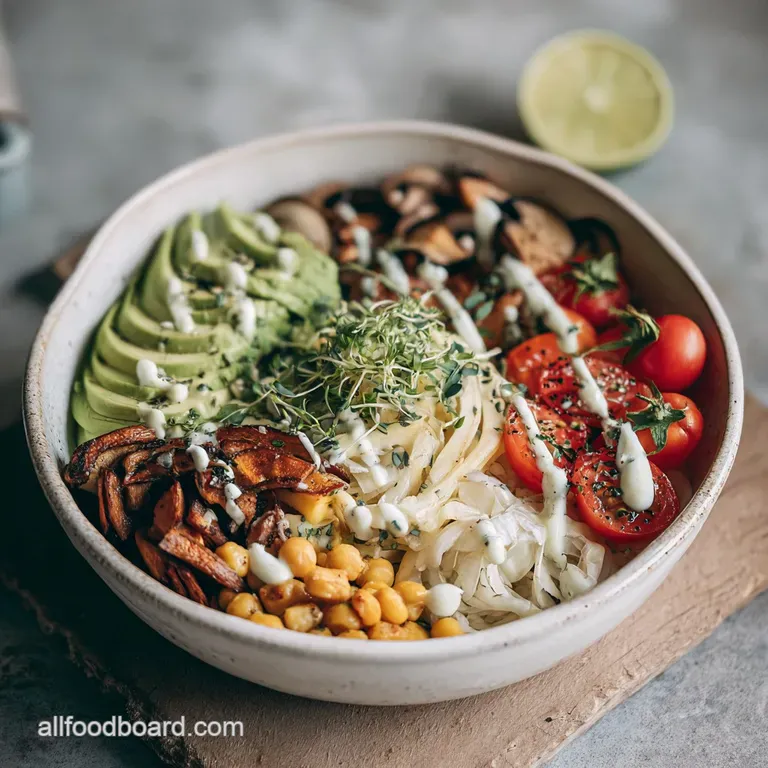
- Time: Active 15 minutes, Passive 25 minutes, Total 40 minutes
- Flavor/Texture Hook: Shatter crisp chickpeas and velvety lemon tahini
- Perfect for: High energy lunches or sustainable meal prep Sundays
- The Ultimate Guide to a Vibrant Vegan Buddha Bowl
- The Secret Logic Behind This Plant Based Bowl
- Understanding Every Element in Your Vibrant Bowl
- Simple Kitchen Essentials for a Stress Free Meal
- Detailed Preparation for Your Plant Based Bowl
- Expert Fixes for Common Prep Hurdles
- Creative Ways to Scale and Adapt Your Meal
- Proper Methods for Storing and Reviving Leftovers
- Polishing the Presentation and Serving Experience
- Recipe FAQs
- 📝 Recipe Card
The Ultimate Guide to a Vibrant Vegan Buddha Bowl
The first time I tried making a bowl at home, it was a literal disaster. I’d seen those gorgeous Instagram photos and thought, "How hard can it be to throw things in a bowl?" Well, hard enough that I ended up with mushy sweet potatoes and chickpeas that had the texture of wet sand.
It was a sad, gray Tuesday night, and I was standing over my sink eating cold quinoa because the flavor just wasn't there. It was a classic case of overcrowding the pan and underestimating the dressing.
But that disaster was the start of my obsession. I started experimenting with roasting temperatures, grain to liquid ratios, and the actual physics of a good tahini dressing. Now, my kitchen smells like smoky paprika and nutty toasted seeds every Sunday afternoon.
This isn't just a pile of vegetables; it's a carefully balanced ecosystem of textures that actually makes you feel good after eating it. We've all been there trying to eat "healthy" but ending up bored three bites in. This recipe changes that cycle.
We're talking about a base of fluffy tri color quinoa, sweet potatoes that are caramelized on the edges, and chickpeas that shatter when you bite them. It’s vibrant, it’s plant based, and most importantly, it’s sustainably easy for someone who has a life outside the kitchen.
Let’s get into how we make this happen without spending three hours at the stove. Trust me, once you nail the crunch on those chickpeas, you'll never go back to the soggy versions.
The Secret Logic Behind This Plant Based Bowl
Surface Area Evaporation: Cubing sweet potatoes into 1/2 inch pieces increases the surface area exposed to heat, ensuring they caramelize before the interior turns to mush.
The Maillard Effect: High heat (400°F) triggers the reaction between amino acids and reducing sugars in the chickpeas, creating that savory, browned crust we crave.
Emulsion Stability: Whisking lemon juice and maple syrup into tahini before adding ice water creates a stable suspension of fat and liquid, preventing the dressing from separating.
Grain Hydration: Using a 1:1.75 ratio of quinoa to broth ensures the seeds "pop" open without absorbing excess water, which leads to clumping.
| Method | Prep Time | Texture | Best For |
|---|---|---|---|
| Fast Sheet Pan | 40 minutes | Crispy & caramelized | Busy weeknights |
| Slow Roasting | 1 hours 10 mins | Soft & tender | Sensitive digestion |
| Raw/Cold Style | 15 minutes | Crunchy & fresh | Summer heatwaves |
The sheet pan method is the winner for this Vegan Buddha Bowl because it utilizes the circulating air of the oven to dry out the chickpeas while the natural sugars in the sweet potatoes concentrate. If you try to sauté these, you'll likely end up with a mess.
The oven is your best friend for achieving that specific "shatter" texture that makes this dish stand out.
Understanding Every Element in Your Vibrant Bowl
| Component | Science Role | Pro Secret |
|---|---|---|
| Chickpeas | Protein Structure | Pat them bone dry; any moisture left on the skin creates steam, not crunch. |
| Tahini | Fat Emulsifier | Use "runny" tahini from toasted seeds; if it’s thick like clay, the dressing will seize. |
| Sweet Potatoes | Complex Carbohydrate | Leave space between cubes; overcrowding leads to steaming instead of roasting. |
| Ice Cold Water | Temperature Control | Cold water forces the tahini fats to thicken into a pale, whipped cloud texture. |
Choosing the right sweet potato is more important than you think. I prefer the Garnet or Jewel varieties because they have a higher moisture content that translates into a creamy interior once the outside is browned.
If you use a drier variety like the Japanese sweet potato, reduce your roasting time by 5 minutes to prevent them from becoming chalky.
For the grains, we are using tri color quinoa. It isn't just about the aesthetics; the red and black grains hold their shape better than the white ones, providing a much needed "chew" to the base. If you're looking for a different vibe, you might enjoy the heartiness of my Vegetarian Enchiladas Recipe, which also highlights the versatility of the humble sweet potato in a plant based context.
Simple Kitchen Essentials for a Stress Free Meal
- Large Rimmed Baking Sheet: Essential for spreading out the vegetables. A standard 13x18 inch half sheet pan is your workhorse here.
- Medium Saucepan: For the quinoa. Ensure it has a tight fitting lid to trap the steam for that final fluffing stage.
- Small Glass Jar or Bowl: For whisking the Vegan Buddha Bowl dressing. I actually prefer a jar so I can shake it vigorously.
- Fine Mesh Strainer: You must rinse the quinoa to remove the saponin, which is a natural coating that can taste soapy or bitter.
Chef's Tip: Freeze your chickpeas for 5 minutes after patting them dry. This further removes surface moisture and helps the avocado oil and spices adhere better for a superior crunch.
Detailed Preparation for Your Plant Based Bowl
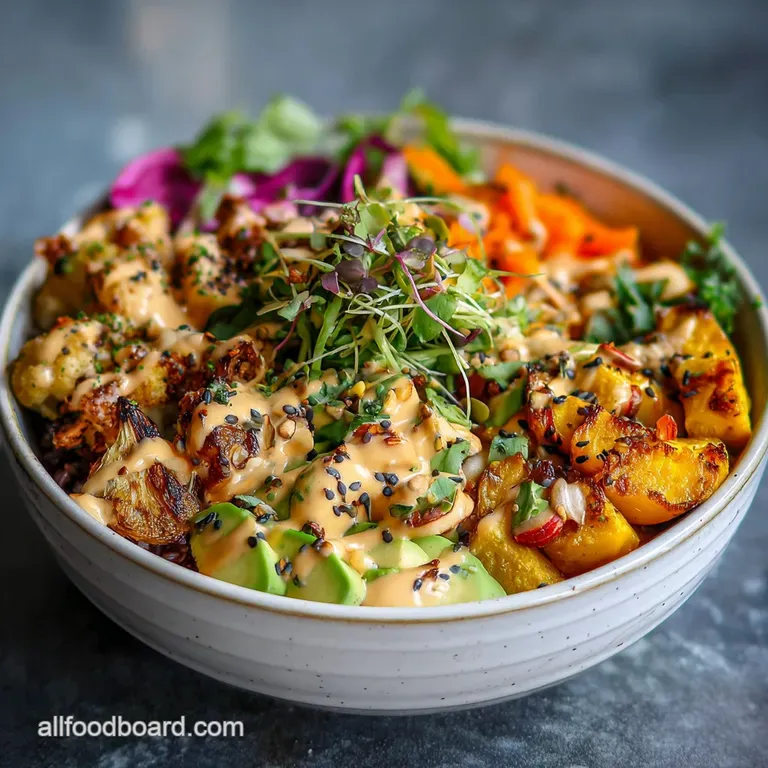
- Preheat the oven to 400°F (200°C). Note: A hot oven is non negotiable for the Maillard reaction.
- Prep the vegetables. Cube 2 medium sweet potatoes and pat 1 can (15 oz) chickpeas until they are bone dry.
- Season the roast. Toss the potatoes and chickpeas on the baking sheet with 2 tbsp avocado oil, 1 tsp smoked paprika, 1 tsp garlic powder, and 1/2 tsp sea salt.
- Roast 25 minutes until the potatoes are tender and chickpeas are crackling. Note: Give the pan a shake halfway through to ensure even browning.
- Cook the quinoa. Combine 1 cup rinsed tri color quinoa and 1 3/4 cups vegetable broth in a saucepan.
- Simmer 15 minutes until the liquid is fully absorbed. Remove from heat and let it sit, covered, for 5 minutes.
- Whisk the sauce. In a small bowl, combine 1/2 cup premium tahini, 1/4 cup lemon juice, 1 tbsp maple syrup, and 1 grated garlic clove.
- Emulsify with water. Add 4 tbsp ice cold water one tablespoon at a time, whisking until the dressing is pale and velvety.
- Prepare the greens. Shred 1 cup red cabbage and portion out 4 cups baby kale or spinach into four bowls.
- Assemble the bowls. Divide the quinoa, roasted veggies, sliced avocado, 1/4 cup pumpkin seeds, and 1 tbsp hemp seeds across the bowls, then drizzle generously with sauce.
Expert Fixes for Common Prep Hurdles
Why Your Chickpeas Aren't Crunchy
It’s almost always moisture. If you dump the chickpeas straight from the can onto the tray, they carry a film of aquafaba (the bean liquid) that acts as an insulator. This prevents the heat from reaching the skin directly. Another culprit is the oil.
Too much oil can actually fry the bean instead of roasting it, leading to a greasy, soft result. Use just enough to coat.
The Tahini Dressing is Bitter
Low quality tahini can have a harsh, acrid aftertaste. This usually happens when the sesame seeds are over roasted or the skins aren't fully removed. If your sauce tastes bitter, add an extra teaspoon of maple syrup or a pinch more salt. Salt is excellent at neutralizing bitter notes on the tongue.
| Problem | Root Cause | Solution |
|---|---|---|
| Soggy Sweet Potatoes | Overcrowded Pan | Use two pans or a larger sheet. |
| Mushy Quinoa | Too much broth | Stick to the 1:1.75 ratio exactly. |
| Seized Dressing | Water added too fast | Whisk intensely while drizzling water slowly. |
Common Mistakes Checklist
- ✓ Rinsing quinoa under cold water for at least 30 seconds (removes bitterness).
- ✓ Patting chickpeas with a clean kitchen towel, not just paper towels.
- ✓ Letting the roasted vegetables cool for 2 minutes before placing them on the greens.
- ✓ Using "ice cold" water for the dressing; room temp water won't fluff the tahini.
- ✓ Cutting avocado at the very last second to prevent oxidation and browning.
Creative Ways to Scale and Adapt Your Meal
Scaling this Vegan Buddha Bowl is straightforward because the components are mostly modular. If you're cooking for a crowd, you can double the roasted vegetables easily, but you must use two separate baking sheets. If you stack them on one, they will steam and you'll lose that exquisite texture.
For the grains, doubling the quinoa follows a slightly different rule. You don't quite double the water. For 2 cups of quinoa, use 3 1/4 cups of broth. Reducing the liquid by about 10% when doubling prevents the bottom layer from becoming waterlogged. If you're looking for a side dish to pair with a larger feast, consider the RestaurantStyle Chinese Green recipe for a hit of garlic and snap that complements the creaminess of the avocado.
- If you want a crunchier base, swap the kale for shredded romaine heart.
- If you want more protein, add some pan seared smoked tofu.
- If you want a sweeter profile, add a handful of dried cranberries or pomegranate arils.
Proper Methods for Storing and Reviving Leftovers
Storing a Vegan Buddha Bowl requires a bit of strategy if you want it to taste just as vibrant on day three. Keep the components separate. The roasted sweet potatoes and chickpeas should go in one airtight container, the quinoa in another, and the fresh greens in a third.
The dressing can be stored in a jar for up to a week.
In the fridge, the veggies will stay good for 4 days. When you're ready to eat, don't microwave the whole bowl. Instead, pop the sweet potatoes and chickpeas into a toaster oven or air fryer for 5 minutes at 350°F.
This restores the "shatter" to the chickpeas and the caramelization to the potatoes. The quinoa can be eaten cold or warmed with a splash of water to loosen the grains.
For a zero waste approach, don't toss the kale stems or the cabbage core. Finely mince them and sauté them with a bit of garlic and oil to use as a base for a future stir fry or to mix into the quinoa. Even the chickpea liquid (aquafaba) can be saved!
It’s a stellar egg replacer in baking or can be whipped into a vegan mousse.
Polishing the Presentation and Serving Experience
There's a myth that Buddha bowls are just "leftover bowls." While they can be, a true Vegan Buddha Bowl is an intentional balance of the five tastes: sweet (potatoes), salty (seeds/salt), sour (lemon), bitter (kale), and umami (chickpeas/tahini).
Another common misconception is that you need a lot of oil for roasting. In reality, the high heat does the heavy lifting; the oil is just a heat conductor.
When serving, think about the "scoop factor." You want every forkful to have a bit of the creamy dressing, a hit of the crunchy seeds, and the soft sweetness of the potato. Drizzle the sauce in a zigzag pattern rather than just dumping it in the center.
This ensures the greens are seasoned without becoming a soggy swamp at the bottom of the bowl.
If you find yourself craving a different type of plant based comfort after this, the Creamy Vegan Gnocchi recipe is a fantastic alternative for when you want something velvety and warm but still want to stay entirely plant based. This bowl is your foundation it’s the reliable, healthy habit that actually tastes like a treat every single time you make it. Stay vibrant and keep roasting!
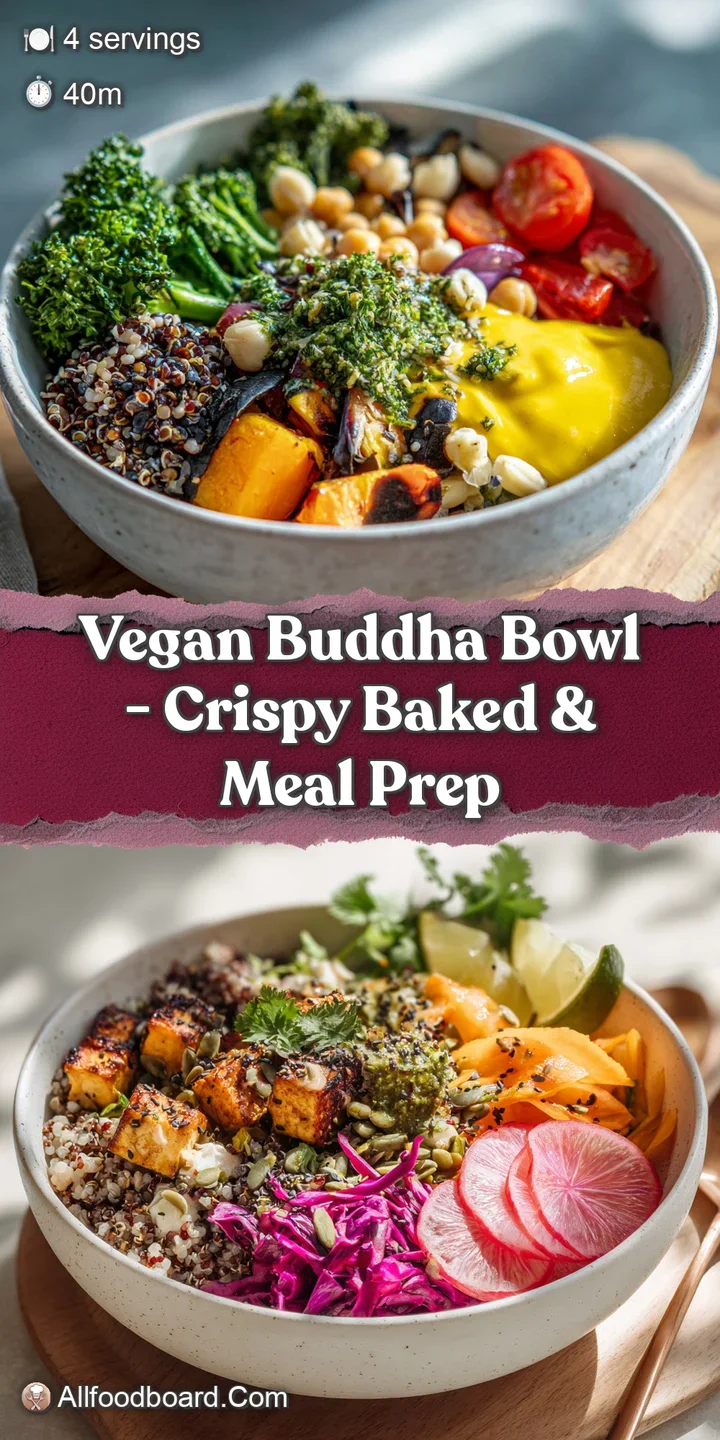
Recipe FAQs
What are the 5 components of a Buddha bowl?
The core five components are: Grain, Protein, Vegetable (Green), Vegetable (Starchy/Root), and Dressing. These elements create the necessary balance of macronutrients and texture profiles essential for a satisfying meal.
What is the vegan sauce for Buddha Bowls?
The best universal vegan sauce is Tahini Lemon Dressing. This involves whisking tahini with lemon juice, maple syrup, garlic, and ice-cold water until it emulsifies into a creamy, pourable consistency.
How to make a Buddha bowl vegan?
Ensure all standard components (grains, vegetables, nuts) are naturally vegan, then substitute dairy or meat products. Replace chicken or eggs with legumes like roasted chickpeas, tofu, or tempeh, and verify your dressing base uses no honey or dairy products.
Are Buddha bowls actually healthy?
Yes, they are inherently designed to be healthy and nutritionally dense. A well balanced bowl provides complex carbohydrates, fiber, healthy fats, and complete protein in one serving.
What is the secret to getting crispy roasted chickpeas in a Buddha bowl?
Pat the chickpeas completely dry and roast them at a high temperature, around 400°F. Any residual moisture creates steam, preventing the exterior from crisping; if you mastered this high heat dry-roasting technique, see how the same principles apply to achieving shatter crisp textures in our Homemade Breakfast Biscuits recipe.
Can I use a different grain besides quinoa?
Yes, alternative grains work well, though quinoa provides superior texture when cooled. Brown rice, farro, or millet are good substitutes, but remember that the way you cook the grain dictates its final fluffiness.
How do I prevent my creamy dressing from separating in the fridge?
Stabilize the emulsion by adding ice-cold water very slowly while whisking vigorously. This technique forces the fat in the tahini to bind tightly to the liquid components, creating a stable suspension you can store for days.
Vegan Buddha Bowl Assembly
Ingredients:
Instructions:
Nutrition Facts:
| Calories | 772 kcal |
|---|---|
| Protein | 24.1 g |
| Fat | 38.9 g |
| Carbs | 86.2 g |
| Fiber | 18.4 g |
| Sugar | 9.2 g |
| Sodium | 485 mg |
