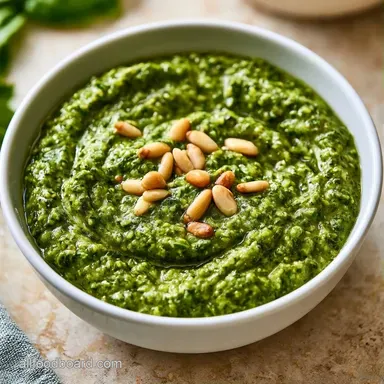
Failure-Proof Vegan Basil Pesto
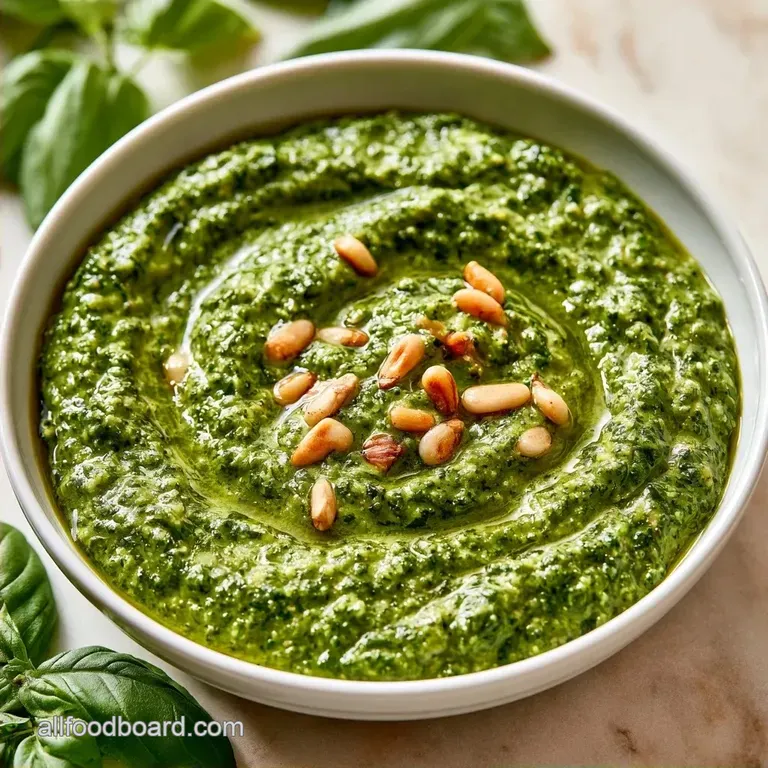
- Time: 10 min active + 5 min cooking
- Flavor/Texture Hook: Zesty, glossy, and herb forward
- Perfect for: Weeknight pastas, sandwich spreads, or quick appetizers
The smell of pine nuts hitting a hot skillet is one of my favorite things in the kitchen. That toasted, buttery aroma tells me the meal is actually going to taste like something. For a long time, I struggled with dairy-free alternatives that just tasted like blended grass or had a weird, gritty texture.
I wanted something that felt rich but stayed bright. This version of Vegan Basil Pesto is the result of tossing out the "just blend it all" method and focusing on temperature. When you control the heat, the greens stay vivid and the flavor stays sharp.
You can expect a sauce that clings to pasta perfectly and doesn't separate after ten minutes. It's budget friendly if you swap the nuts, and it's fast enough for a Tuesday night when you've got zero energy but still want something that feels fancy.
Making Vibrant Vegan Basil Pesto
Nutritional Yeast: This adds the savory, fermented richness typically associated with Parmesan, acting as a flavor link between the oil and fresh herbs.
Cold Processing: High temperatures cause basil to brown. To prevent the processor blades from heating the leaves, ensure toasted nuts are fully cooled and use short pulses.
Acidity Balance: Zest and fresh lemon juice prevent the profile from becoming overly rich. According to Serious Eats, this acidity slows oxidation to preserve a vibrant green hue, allowing this Vegan Basil Pesto to remain vivid longer than vinegar based recipes.
As a fresh sauce, it's perfect for utilizing a surplus of home grown basil. For a complete plant based Italian meal, pair it with a Tomato Basil Pasta.
| Approach | Texture | Flavor Profile | Best For |
|---|---|---|---|
| Fresh Made | Coarse & Bright | Sharp, punchy, aromatic | Immediate serving |
| Shortcut (Pre blended) | Smooth & Uniform | Muted, oily, salty | Fast sandwiches |
Recipe Quick Specs
This recipe is designed for a small batch that stays fresh for a few days. It's a fast win for anyone wanting a plant based condiment.
- Prep time
- 10 minutes
- Cook time
- 5 minutes
- Total time
- 15 minutes
- Yield
- 4 servings
Gathering Your Essentials
I opt for raw nuts so I can manage the roasting process myself. If you're watching your budget, don't be deterred by the price of pine nuts. Sunflower seeds or cashews are excellent, more affordable alternatives.
What Each Ingredient Does
| Ingredient | Role | If You Don't Have It |
|---|---|---|
| Fresh Basil | Primary taste and hue | Spinach (less intense) |
| Pine Nuts | Creaminess and structure | Cashews or Walnuts (bolder taste) |
| Nutritional Yeast | Umami, cheesy quality | Miso paste (saltier, fermented) |
| Lemon Juice | Zestiness and shelf life | Apple cider vinegar (stronger) |
The Full List
- 2 cups packed fresh basil leaves Why this? Crucial for a traditional peppery aroma
- 3 cloves garlic, peeled and roughly chopped Why this? Provides a pungent, aromatic kick
- 2 tbsp fresh lemon juice Why this? Balances the richness of the oil
- 1/3 cup raw pine nuts Why this? Traditional creamy consistency
- 1/2 cup extra virgin olive oil Why this? Premium oil avoids a bitter aftertaste
- 3 tbsp nutritional yeast Why this? The plant based substitute for cheese
- 1/2 tsp fine sea salt Why this? Brings out the depth of every ingredient
- 1/4 tsp freshly cracked black pepper Why this? Adds a touch of earthy spice
- 1 tsp lemon zest Why this? Intense citrus fragrance
Equipment Needed
No fancy equipment is required for this recipe. While a standard food processor is ideal, a high speed blender works just as well. Be sure not to over process the mixture, or you'll end up with a soup like consistency.
- Food processor or blender
- Small dry skillet (for toasting nuts)
- Rubber spatula
- Measuring cups and spoons
The Cooking Process
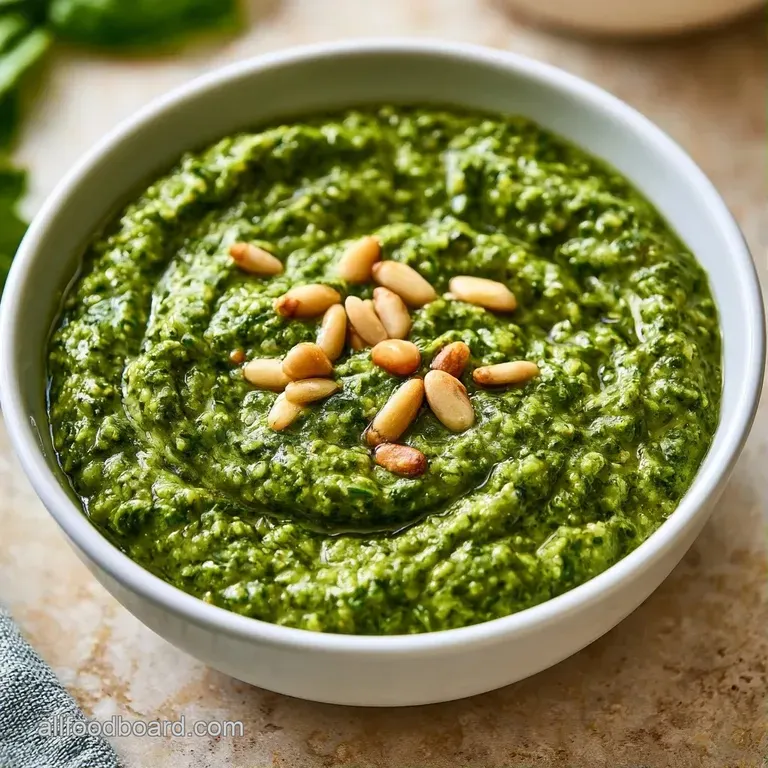
Let's start. Timing is key when it comes to the nuts; adding them while hot will cause the basil to wilt and turn a dull brown.
Phase 1: Preparing the Aromatics
Place the pine nuts in a dry skillet over medium heat. Toast for 3-5 minutes until they are golden and aromatic. Transfer them to a plate and allow them to cool completely.
Phase 2: Blending the Solids
Combine the basil, cooled nuts, garlic, nutritional yeast, lemon juice, salt, and pepper in the food processor. Pulse several times until a thick, coarse paste forms. Use a spatula to scrape the sides so no large chunks of garlic remain.
Phase 3: Emulsifying the Oil
Set the processor to low speed. Gradually pour in the olive oil in a steady stream. Process only until the Vegan Basil Pesto looks smooth and glossy. Stop as soon as it is fully integrated.
Chef Note: Be careful not to over process. If the blades run for too long, the oil can over emulsify, making the sauce feel heavy or "pasty" instead of fresh.
Common Mistakes & Troubleshooting
Even a simple Vegan Basil Pesto can go sideways if you're not watching the details. Most issues come down to heat or ratios.
Fixing a Brown Color
If your sauce looks dull, it usually means the basil oxidized. This happens if the processor runs too long or if you used hot nuts. To prevent this next time, use cold lemon juice and keep your pulsing short. If it's already brown, a squeeze of extra lemon can help brighten the taste, even if the color stays.
Reducing Garlic Bite
Sometimes garlic can be overpowering, especially if you have a "hot" bulb. If the raw garlic taste is too strong, you can lightly sauté the chopped cloves for 30 seconds before adding them to the processor. This mellows the sulfur and makes the Vegan Basil Pesto more balanced.
Stopping Oil Separation
If you see a layer of oil on top, it means the emulsion broke. This often happens if the oil was poured in too fast. Just give it a quick pulse or a vigorous stir with a fork to bring it back together. Trust me on this, a little stirring usually does the trick.
Make It Your Own
The beauty of a plant based sauce is how easy it is to swap things around. I often change the nut base depending on what's in my pantry.
Nut Free Options If you need a nut free Vegan Basil Pesto, swap the pine nuts for toasted sunflower seeds or pumpkin seeds. The flavor is slightly earthier, but the texture stays just as rich.
Changing the Greens You can replace half of the basil with fresh baby spinach or arugula. Arugula adds a peppery kick that works great on sandwiches. If you use spinach, add an extra teaspoon of lemon zest to keep it from tasting too flat.
Boosting the Heat For a little bit of a kick, stir in a pinch of red pepper flakes at the very end. Don't blend them in, or the heat will distribute too evenly and lose its punch.
| Goal | What to change |
|---|---|
| More Nutty | Increase pine nuts by 2 tbsp |
| Tangier | Add 1 tsp extra lemon zest |
| Thicker | Reduce olive oil by 2 tbsp |
Adjusting the Batch Size
Making a double batch of Vegan Basil Pesto is common because it's so versatile. But don't just double everything blindly.
Scaling Up (2x) When doubling, increase the salt and pepper to only 1.5x first. Taste it, then add more if needed. Too much salt in a large batch is hard to fix. I also recommend processing in two smaller batches to avoid overheating the motor and browning the basil.
Scaling Down (1/2) If you're just making a small amount for one person, use a small food processor or a mortar and pestle. Since the volume is lower, the blades might struggle to catch the ingredients. You may need to add a teaspoon of water or extra lemon juice to help things move.
Keeping It Fresh
Fresh herbs are quite delicate. If the sauce is left exposed to air, it will brown within hours.
Refrigeration Store your Vegan Basil Pesto in a glass jar. To keep the air out, simply cover the surface with a bit of olive oil. It will stay chilled for about 5 days. After using some, level the top and add another layer of oil.
Freezing This sauce freezes perfectly. I suggest using ice cube trays for easy portioning. Once frozen, transfer the cubes to a freezer bag. They stay fresh for 3 months. To prepare a quick meal, just thaw a cube in the microwave or a pan.
Sustainable Tip Save your basil stems, as they are full of flavor. Collect them in a freezer bag with various vegetable scraps (such as carrot peels and onion ends) to simmer a plant based broth later.
How to Serve and Enjoy
Pasta is the most natural fit, but this sauce is incredibly versatile. I enjoy using it as a topping for toasted sourdough along with radish and sliced avocado.
The Classic Pairing Stir it into hot pasta, but keep this secret in mind: do not cook the pesto. Fold it in after draining your pasta. Heating the sauce in a pan can cause the oil to separate and the basil to lose its fresh, vibrant taste.
Modern Appetizers Spoon some Vegan Basil Pesto over roasted cherry tomatoes or grilled polenta squares. It is a fantastic way to give simple roasted vegetables a burst of flavor. If you want a creamy alternative, my Pink Sauce Pasta provides a lovely contrast to the herbal notes here.
Sandwich Upgrade Instead of mayo, try a layer of this sauce in a veggie wrap or a caprese style sandwich using vegan mozzarella. The tanginess helps balance the richness of the cheese.
Recipe FAQs
What makes this pesto vegan?
Nutritional yeast replaces the traditional parmesan cheese to provide a salty, cheesy flavor. This plant based alternative maintains the savory profile without using dairy.
How to prepare the basil and nuts?
Toast pine nuts for 3-5 minutes in an ungreased pan on medium heat until golden. Allow them to cool entirely before pulsing them in a processor with the basil and other ingredients.
Is it true that only expensive oils work for pesto?
Surprisingly, no. Extra virgin olive oil is the gold standard for a glossy finish and rich, authentic taste.
Which oil is best for a smooth emulsion?
Extra virgin olive oil provides the best flavor and texture. If you enjoyed getting a smooth emulsion here, the same principle of slow streaming fat applies to our creamy pasta sauces.
Why does vegan pesto differ from regular pesto?
It swaps dairy cheese for nutritional yeast while keeping the fresh herbs and nuts. This modification makes the sauce entirely animal free without sacrificing the savory depth.
Can the sauce be made without a processor?
Use a mortar and pestle to crush the ingredients by hand for a chunkier, rustic texture. This traditional approach results in a different mouthfeel than the smooth processed version.
Vegan Basil Pesto in 15 Minutes