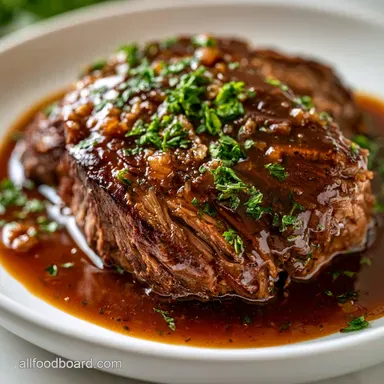
Slow Cooker Swiss Steak: Tender and Savory
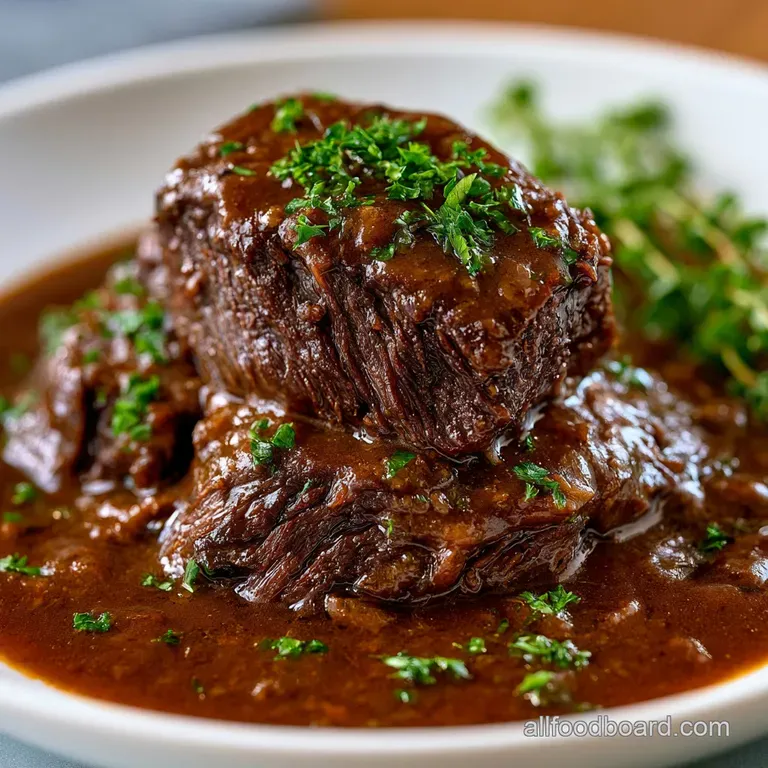
- Time:10 minutes active + 420 minutes cooking = Total 430 minutes
- Flavor/Texture Hook: Fork tender beef with a deep, savory brown gravy
- Perfect for: budget-friendly family dinners or meal prep
That loud, aggressive sizzle when the floured beef hits the hot oil is where the magic starts. If you aren't hearing that, your pan isn't hot enough. I remember the first time I tried this, I was in a rush and just threw everything in the crockpot raw. The result? A gray, boiled looking slab of meat that tasted like...
Well, nothing. It was a total letdown.
The trick is the sear. Once I started taking those extra few minutes to get a dark, crusty brown on the outside, the whole vibe changed. The house smells like a professional kitchen, and the beef actually tastes like beef.
It's the kind of meal that makes you feel like you've spent hours prepping when you actually just let the machine do the heavy lifting.
You can expect a dish that is hearty and comforting. This Slow Cooker Swiss Steak isn't about fancy techniques, it's about patience and a few smart moves. We're taking a budget cut and treating it with respect, which pays off in a gravy that's silky and meat that practically melts.
Slow Cooker Swiss Steak
The goal here is simple: take a piece of meat that would usually be like chewing a shoe and turn it into something you can eat with a spoon. It's a classic "set it and forget it" win, but the searing step is non negotiable if you want that deep flavor.
By using a slow cooker, we're essentially mimicking a very low temperature oven for hours. This allows the heat to penetrate the center of the steak without drying out the exterior. It's the ultimate way to handle tougher cuts like round steak or chuck, making them tender and juicy.
Since we're focusing on a budget smart approach, this recipe uses basic pantry staples. You don't need expensive wines or specialty oils. Just flour, broth, and some root vegetables to build a base of flavor that carries the whole meal.
The Secret to Success
I've spent a lot of time wondering why some braises end up watery and others end up rich. It comes down to a few simple things.
- Collagen Breakdown: Low heat over many hours turns tough connective tissue into gelatin, which gives the meat its velvety texture.
- The Flour Shield: Dredging the meat in flour doesn't just help with the sear, it actually thickens the sauce as it cooks.
- Vegetable Rack: Placing the veggies at the bottom prevents the meat from sticking to the bottom of the pot and adds a layer of aromatic flavor.
- Liquid Balance: Using a concentrated mix of beef broth and Worcestershire sauce provides the salt and acidity needed to penetrate the meat.
| Method | Time | Texture | Best For |
|---|---|---|---|
| Slow Cooker | 7-8 hours | Velvety/Falling apart | Busy workdays |
| Stovetop | 3 hours | Tender/Fibrous | Faster turnaround |
| Oven Braise | 4 hours | Rich/Concentrated | Weekend cooking |
Ingredient Deep Dive
Not every ingredient is just "filler." Each one plays a role in transforming the texture and taste of the beef.
| Ingredient | Science Role | Pro Secret |
|---|---|---|
| Round Steak | Protein Base | Look for "bottom round" for the best budget to tenderness ratio |
| All Purpose Flour | Thickening Agent | Shake off the excess to avoid a "pasty" gravy |
| Worcestershire | Acidity/Umami | Adds a fermented depth that mimics long aged beef |
| Beef Broth | Hydration | Use low sodium so you can control the salt yourself |
Equipment Needed
You don't need a professional kitchen for this, just a few basics. I use a standard 6 quart slow cooker, but any size that fits the meat without crowding will work.
For the searing, a heavy bottomed skillet is best. Cast iron is my go to because it holds heat better, meaning the meat doesn't drop the pan temperature when it hits the oil. If you don't have one, a stainless steel pan works fine, just keep an eye on the heat.
Finally, a shallow bowl for the flour dredge and a small whisk for the sauce. Trust me, whisking the broth and Worcestershire before pouring it in ensures the flavors are evenly distributed rather than pooling in one spot.
Ingredient Science Table
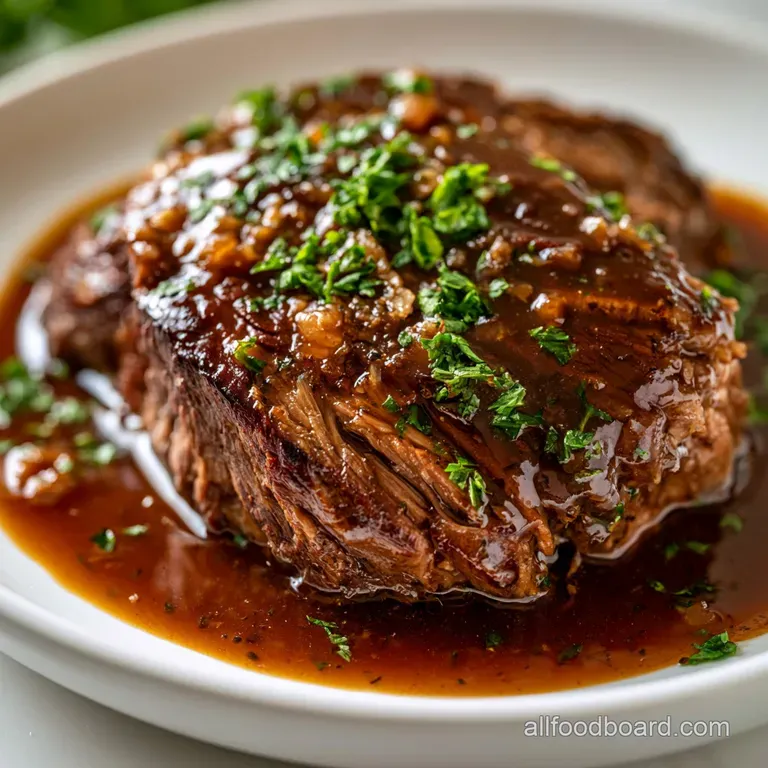
Since we're keeping this budget friendly, knowing what you can swap without ruining the dish is key.
| Original Ingredient | Substitute | Why It Works |
|---|---|---|
| Round Steak (2 lbs) | Chuck Roast (2 lbs) | Higher fat content. Note: Will be more tender but richer/greasier |
| Beef Broth (2 cups) | Beef Stock (2 cups) | More gelatinous. Note: Creates a thicker, more glossy gravy |
| Vegetable Oil (2 tbsp) | Canola or Grapeseed Oil | High smoke point. Note: Neutral flavor, works identically |
| Yellow Onion (1 med) | White Onion or Shallots | Similar sulfur profile. Note: Shallots add a slightly sweeter note |
Right then, let's get into the actual process. I've broken this down into phases so it doesn't feel overwhelming.
Bringing It Together
For the Beef & Coating
Combine the flour, salt, and pepper in a shallow bowl. Press each steak portion into the flour, ensuring every inch is covered. Shake off the excess you want a thin veil of flour, not a thick cake.
Phase 1: The Golden Sear
Heat vegetable oil in your skillet over medium high heat. Once the oil shimmers, add the steaks. Sear for 3-4 minutes per side until a deep brown crust forms. Don't crowd the pan; do it in batches if you have to, or the meat will steam instead of sear.
Phase 2: The Slow Simmer
Place the sliced onions, carrots, and celery at the bottom of the slow cooker. This creates a "vegetable rack" that keeps the meat from scorching. Lay the seared steaks directly on top of the vegetables.
In a small bowl, whisk together the beef broth, Worcestershire sauce, and minced garlic. Pour this mixture evenly over the beef. Cover the pot and cook on Low for 7-8 hours (or High for 4 hours) until the beef effortlessly pulls apart with a fork.
Phase 3: The Finishing Touch
If you find the gravy is too thin, don't panic. Remove the meat and vegetables with tongs. Turn the slow cooker to high and let the liquid simmer for another 30 minutes. This reduces the water and concentrates the flavor.
Chef's Note: If you're in a rush to thicken the sauce, you can whisk 1 tablespoon of cornstarch with a bit of cold water (a slurry) and stir it into the bubbling liquid for 5 minutes.
Pro Tips & Pitfalls
One mistake I once made was adding the carrots too early in a over high heat setting, and they turned into mush. Cutting them into thick rounds helps them hold their shape during the long cook. Also, don't be tempted to skip the garlic; it's the bridge between the sweetness of the carrots and the saltiness of the beef.
Troubleshooting Common Issues
| Issue | Solution |
|---|---|
| Gravy too thin | This usually happens if the meat released a lot of moisture or if the lid wasn't sealed properly. The solution is simple: reduce the liquid on high heat or use a cornstarch slurry. According to Dirty Rice recipe for a truly filling meal. |
Storage & Reheating
This is one of those dishes that actually tastes better the next day. The flavors have more time to meld, and the gravy often thickens naturally in the fridge.
In the Fridge
Store the beef and gravy in an airtight container for up to 4 days. Make sure the meat is fully submerged in the sauce to prevent it from drying out.
In the Freezer
You can freeze this for up to 3 months. Place it in a freezer safe bag or container. When you're ready to eat, thaw it in the fridge overnight before reheating.
Reheating Tips
The best way to reheat is on the stovetop over low heat. Add a splash of beef broth if the sauce has become too thick. Avoid the microwave if possible, as it can make the beef rubbery.
Zero Waste Tips
Don't toss those leftover veggie scraps! If you have leftover carrots or celery, toss them into a freezer bag for your next homemade stock. Also, any leftover gravy is a goldmine use it as a base for a poutine style topping for my Loaded Steak Fries.
What to Serve This With
Since the beef and gravy are so rich, you need something to balance the plate. I usually go for something starchy that can soak up every drop of that brown sauce.
Mashed potatoes are the gold standard here, but a bed of wide egg noodles or even some steamed cauliflower for a lighter option works great. If you want some greens, a simple side of roasted Brussels sprouts or a crisp salad with a lemon vinaigrette cuts through the heaviness.
For a more complete family meal, I love serving this with a side of crusty sourdough bread. Just toast it with a bit of garlic butter and use it to swipe the plate clean. It's simple, honest food that makes everyone feel welcome at the table. According to the USDA FoodData, beef round is a lean protein source, so adding a few nutrient dense vegetables makes this a balanced dinner.
Recipe FAQs
How do you cook Swiss steak in a slow cooker?
Dredge beef in flour, sear in oil, and place on a vegetable rack. Pour in broth, Worcestershire, and garlic, then cook on Low for 7-8 hours or High for 4 hours.
What cut of meat is best for Swiss steak?
Round steak or chuck roast. These tougher cuts contain connective tissue that breaks down during slow cooking, resulting in a tender texture.
How long does it take to cook Swiss steak?
Cook for 7-8 hours on Low or 4 hours on High. The beef is ready once it effortlessly pulls apart with a fork.
Can you cook this beef roast overnight in a crockpot?
Yes, using the Low setting. A 7-8 hour window allows the meat to tenderize slowly without overcooking.
Is it true that Swiss steak requires expensive cuts of meat?
No, this is a common misconception. This recipe specifically uses budget friendly cuts like round steak that become tender through the braising process.
How to thicken the gravy if it's too thin?
Simmer the liquid on high for an additional 30 minutes. Remove the meat and vegetables before reducing the sauce to prevent them from overcooking.
What are some good side dishes for this meal?
Mashed potatoes or steamed vegetables. If you enjoy hearty comfort foods, try our chicken and dumplings for your next family dinner.
Slow Cooker Swiss Steak