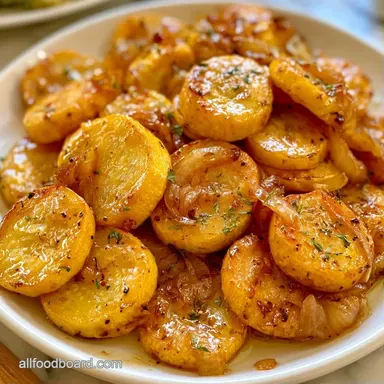
Sautéed Yellow Squash with Onions and Garlic
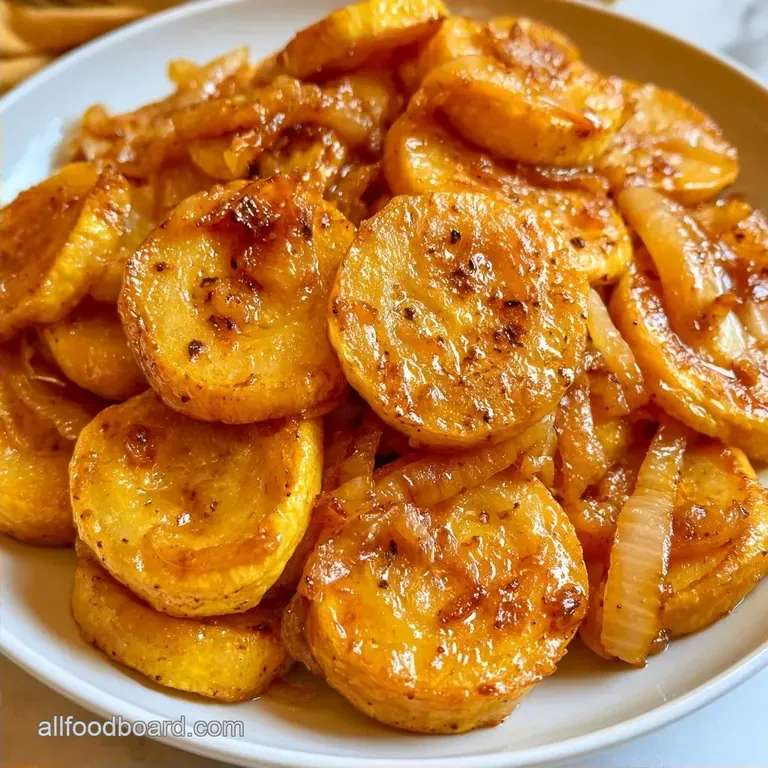
- Time: 5 min active and 15 min cooking
- Taste & Texture: A golden-brown sear with a zesty lemon finish
- Ideal for: Quick plant-based side dishes
Sautéed Yellow Squash
There is something satisfying about the sound of butter foaming in a hot skillet. In my early attempts, I often ended up with a pan of yellow soup. I had mistakenly dumped all the squash in at once, believing more was better, which only caused it to boil in its own juices.
The result was limp, pale, and frankly, a bit depressing.
The secret is allowing the vegetables room to breathe. When you crowd the pan, the temperature drops and the squash releases moisture that has nowhere to go. Instead of searing and browning, it simply steams.
I now use a high heat method that creates those beautiful brown edges while keeping the center tender. This Sautéed Yellow Squash is a vibrant, sustainable way to utilize summer garden harvests without spending an hour over the stove.
Why the Method Actually Works
- High Heat: Searing the squash quickly preserves its structure, ensuring it doesn't turn rubbery.
- Staged Cooking: Sautéing onions first creates a fragrant, sweet base that infuses the squash with flavor.
- Acid Finish: Adding lemon juice right before serving balances the rich butter and brightens the vegetable flavors.
What Each Ingredient Does
| Component | Purpose | Substitute Notes |
|---|---|---|
| Yellow Squash | Main bulk | Zucchini: Works well, but has a slightly milder taste |
| Yellow Onion | Sweetness | Shallots: Offers a more refined, delicate flavor |
| Plant Based Butter | Richness | Olive oil: Use extra oil; loses the creamy flavor |
| Lemon Juice | Brightness | Apple cider vinegar: More pungent, use slightly less |
Equipment Needed
Any basic kitchen setup will work for this. A large stainless steel or cast iron skillet is the best choice for steady heat retention. If your pan is small, just cook the squash in two batches. I also rely on a sharp chef's knife for cutting the rounds and a simple spatula for flipping.
How to Make It
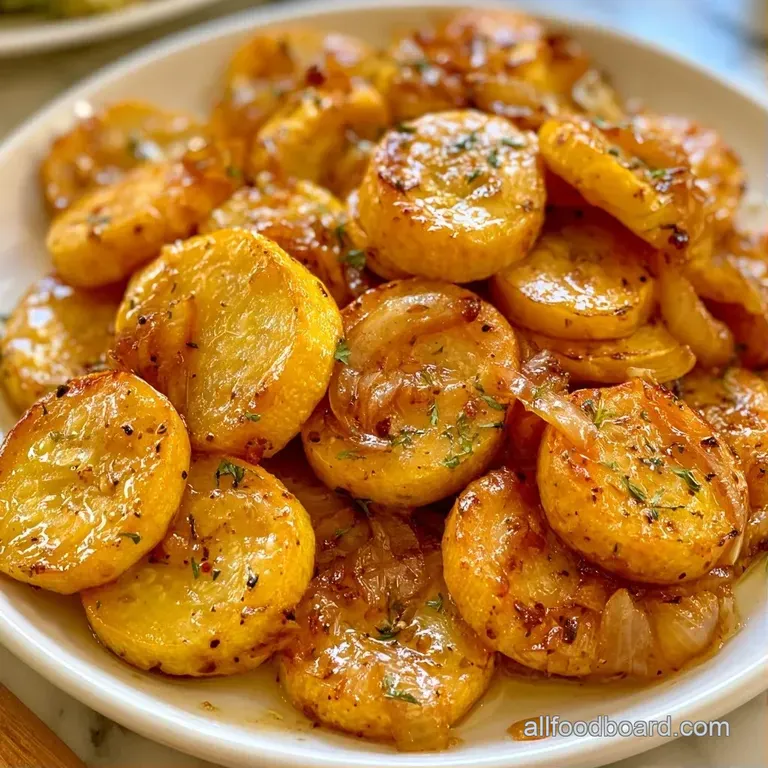
- Cut the yellow squash into even ¼-inch rounds. Note: Keeping the thickness uniform ensures they all finish cooking together.
- Heat the plant based butter and olive oil over medium high heat until the butter foams.
- Add the sliced onions and sauté for 3-5 minutes until they become translucent and golden.
- Slightly raise the heat and arrange the squash slices in a single layer.
- Let them sear undisturbed for 2-3 minutes until they develop a golden brown crust.
- Flip the slices and sauté for another 3-5 minutes until tender yet still firm.
- Mix in the minced garlic, salt, pepper, and garlic powder.
- Cook for 60-90 seconds until the garlic becomes aromatic.
- Take the pan off the heat immediately.
- Drizzle with fresh lemon juice to finish.
Solving Common Pan Problems
Preventing Watery Squash
This happens when the pan is too crowded or the heat is too low. Serious Eats' testing shows that overcrowding leads to steaming rather than searing. To fix this, leave a small gap between the slices. If your pan is small, just do two batches.
Avoiding Burnt Garlic
Garlic burns fast and turns bitter. I used to toss it in with the onions, but that was a mistake. Always add your minced garlic in the last 90 seconds of cooking. This keeps the flavor sweet and pungent without the burnt aftertaste.
Fixing Rubbery Texture
Overcooking the squash is the fastest way to ruin the dish. Stop cooking the moment the slices are tender. Remember that the residual heat in the pan will continue to soften the vegetables for a few minutes after you turn off the flame.
Changing Up the Flavors
For a Mediterranean twist, swap the garlic powder for a pinch of dried oregano and add a handful of halved cherry tomatoes during the last 3 minutes. If you're looking for other plant forward meals, my Vegetarian Enchiladas use a similar focus on fresh, bold produce.
Low Carb Twist
This recipe is already naturally low carb, but you can omit the onion and use scallions for a sharper, lighter taste.
Summer Squash Blend
Mix the yellow squash with an equal amount of zucchini. It adds a nice color contrast to the plate and keeps the dish feeling light.
Adding Heat
Stir in a pinch of red pepper flakes when you add the garlic. It gives the Sautéed Yellow Squash a subtle kick that pairs well with the lemon.
Right then, let's look at how this method compares to the slower way of doing things.
| Method | Cooking Time | Final Texture |
|---|---|---|
| Fast Sear | 15 minutes | Browned edges, tender crisp center |
| Slow Braise | 30 minutes | Soft, uniform, and jammy |
Storage and Waste Tips
Store any leftovers in a glass container in the refrigerator for approximately 3 days. To reheat, warm them in a skillet over medium heat for 2 minutes. I recommend skipping the microwave, as it often leaves the squash with a mushy texture.
To be more sustainable, save your onion skins and squash ends rather than discarding them. I store these in a freezer bag for homemade vegetable stock. Once the bag is full, simmer the contents with water and peppercorns to make a free, nutrient rich base for soups.
Best Pairing Ideas
Sautéed Yellow Squash is a versatile side. It pairs beautifully with a protein like grilled tofu or a hearty grain bowl with quinoa and chickpeas. If you're hosting a summer brunch, this goes great alongside a Southern Tomato Pie for a plate full of vibrant garden colors.
The Light Option
Serve it over a bed of fresh arugula with a sprinkle of toasted pine nuts. The heat from the squash slightly wilts the greens, creating a natural salad.
The Hearty Option
Toss the finished squash with some cooked farro or wild rice. It turns a simple side into a filling plant based meal.
The Key to Success
The real secret is the timing of the salt. If you salt the squash before it hits the pan, the salt pulls water from the cells, creating a pool of liquid that blocks browning. By waiting until the end to salt, you preserve the vegetable's texture.
The fat blend is also important. Using a mix of oil and plant based butter is intentional. Oil raises the smoke point, allowing for a high heat sear, while the butter provides a rich, nutty flavor that oil alone lacks.
Trust me, the lemon juice is essential. Without it, the butter can make the dish feel too heavy. That touch of acidity awakens the palate, making the Sautéed Yellow Squash taste fresh and bright.
Decision Shortcut
- Extra tang? → add 1 tsp lemon zest
- More depth? → add a splash of soy sauce
- Creamier feel? → stir in 1 tbsp nutritional yeast
Just remember to use a hot pan and thin slices. These minor details ensure you get a vibrant, summer inspired dish rather than something limp. This Sautéed Yellow Squash will quickly become your go-to for a healthy, fast weeknight side.
Recipe FAQs
What is the secret to preventing mushy yellow squash?
Cook the slices in a single layer over medium high heat. Let them sit undisturbed for 2-3 minutes to develop a crust before flipping.
What seasonings pair best with yellow squash?
Use a mix of garlic powder, salt, and black pepper finished with fresh lemon juice. These bright flavors complement a zesty classic chicken dish.
Is it true that you have to peel yellow squash?
This one's false: The skin is thin and tender enough to eat. Leaving it on helps the squash maintain its shape during sautéing.
How to prep yellow crookneck squash for the pan?
Slice the squash into consistent quarter inch rounds. This thickness ensures the pieces soften without disintegrating.
Sauteed Yellow Squash