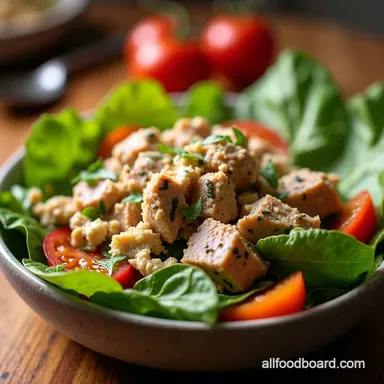
The Ultimate Protein Boost Lean Green Tuna Salad Cottage Cheese Bowl
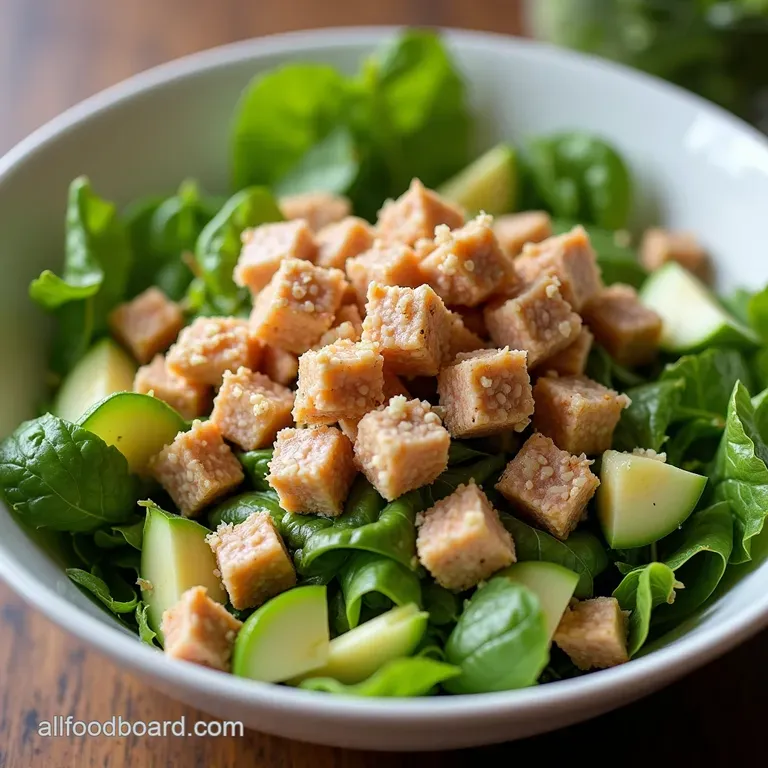
- Revolutionizing Lunch: Why This Tuna Salad Cottage Cheese Bowl Reigns Supreme
- The Secret to a Satisfying, Mayo-Free Protein Powerhouse
- Assembling the Elements for Your Signature Tuna Salad Cottage Cheese Bowl
- Essential Components: Beyond Just Tuna and Curds
- Crafting the Perfect Bowl: Step-by-Step Assembly
- Techniques for Optimal Texture and Flavor Integration
- Maximizing Enjoyment: Tips, Tricks, and Adaptations
- Recipe FAQs
- 📝 Recipe Card
Revolutionizing Lunch: Why This Tuna Salad Cottage Cheese Bowl Reigns Supreme
We’ve all been there: staring down the barrel of midday hunger, knowing that the usual suspects, a heavy sandwich or a sluggish, carb-laden plate, will only lead to an energy crash by 3 PM. It’s time to banish the midday slump and welcome a serious upgrade to your routine.
This recipe, which I proudly present as the Ultimate Protein Boost: Lean Green Tuna Salad Cottage Cheese Bowl , isn't just another lunch option; it’s a fundamental shift in how we approach quick, satisfying meals. Forget everything you thought you knew about tuna salad!
This dish masterfully swaps the traditional, heavy mayonnaise binder for creamy, protein-packed cottage cheese, resulting in a lighter, tangier, and significantly more sustaining experience.
It’s less like a heavy ploughman’s lunch and more like a sharp, refreshing salad, perfect for those seeking efficiency without sacrificing flavour complexity.
The Secret to a Satisfying, Mayo-Free Protein Powerhouse
This bowl represents the pinnacle of sensible eating because it targets satiety through quality protein. We are building a High Protein Tuna Salad that delivers an immediate punch of muscle fuel alongside essential nutrients.
The beauty of this particular creation lies in its simplicity and reliance on whole foods; it’s designed to be quick to assemble while offering robust flavour, making it an ideal candidate for your weekly rotation of Healthy Bowls Recipes .
Ditching the Downside: Understanding the Cottage Cheese Swap
The crucial element transforming this dish from standard fare to extraordinary is the switch from mayonnaise to cottage cheese. Mayonnaise, while delicious, often brings excessive saturated fats and calories without providing the same level of sustained energy.
Cottage cheese, on the other hand, is a nutritional powerhouse. It’s famous for being rich in casein protein, which digests slowly, keeping you feeling fuller longer. This substitution immediately elevates the dish into the realm of desirable Cottage Cheese Recipes Healthy believers seek out.
The slight tanginess of the cheese complements the fish beautifully, eliminating the need for excessive acidity elsewhere.
Meet Your New Go-To: The Lean Green Protein Power Bowl Concept
We are not just making a scoop of salad; we are constructing the Lean Green Protein Power Bowl . This structure ensures you get balanced macros in every bite.
By serving the rich, creamy tuna mixture over a generous bed of mixed greens, spinach and rocket work wonderfully, you build a substantial meal base. The addition of fresh components like cherry tomatoes and avocado provides healthy fats, fibre, and essential vitamins, cementing this dish’s status among the best Healthy High Protein Meals available for quick preparation.
Achieving Peak Freshness for Your Tuna Salad
Because this Tuna Salad Recipe relies on minimal cooking (zero, in fact!), the quality and freshness of your non-canned ingredients shine through. Since preparation time is a brief 10 minutes, you want to ensure every chop counts.
This means using vibrant, crisp celery and pungent, freshly minced red onion. Beyond that,, the choice of herbs is paramount; fresh dill adds a classic, slightly anise-like brightness that truly cuts through the richness of the cottage cheese and elevates the entire profile.
Assembling the Elements for Your Signature Tuna Salad Cottage Cheese Bowl
To create this truly satisfying lunch, we need to gather our core components and ensure we have the right tools on hand. The process is deceptively simple, requiring only basic kitchen equipment, but the outcome is incredibly flavourful.
This assembly process is what turns simple pantry staples into a fantastic Macro Meals Cottage Cheese foundation.
Related Recipes Worth Trying
- The Ultimate Gingerbread Man Cheesecake Recipe Festive Spice Cream — Get the recipe for this showstopping Gingerbread Man Cheesecake featuring a homemade spiced crust and creamy filling Perfect for your Festive Gingerbread...
- Foolproof Red Velvet Fudge Recipe with Cream Cheese Swirl — Whip up this incredibly rich Red Velvet Fudge that tastes just like the classic cake An easy homemade fudge recipe perfect for gifting or special occasions...
- Rich Espresso Dark Chocolate Swirl Coffee Cheesecake Recipe — Ditch the boring bake sale fare This gourmet Coffee Cheesecake recipe delivers deep espresso flavour and rich chocolate swirls Foolproof water bath tips...
Essential Components: Beyond Just Tuna and Curds
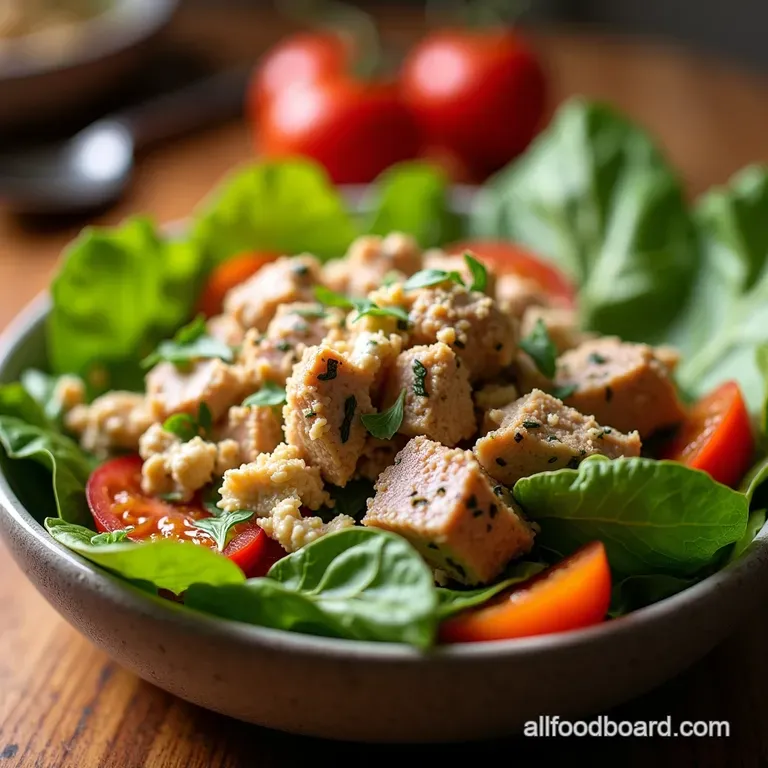
While tuna and cottage cheese form the bedrock, the supporting ingredients are what deliver texture and aromatic complexity to your finished Tuna Salad Cottage Cheese Bowl .
Curating the Core: Selecting the Finest Canned Tuna
Start with two 5-ounce cans of tuna packed in water. It is absolutely vital to drain these thoroughly. I recommend pressing the tuna firmly against the lid of the can or using a fine-mesh sieve to expel as much residual water as possible.
Any excess moisture will thin out your cottage cheese mixture, leading to a watery, unappealing texture. Whether you opt for skipjack or albacore, ensure it’s high quality, as this is the star protein.
The Creamy Foundation: Cottage Cheese Selection Guide
For the creamiest texture that mimics that desirable, rich mouthfeel of a classic salad, aim for a small curd cottage cheese, ideally 2% or 4% fat. While 0% is an option for ultra-lean goals, the slight fat content of the 2% or 4% variety contributes significantly to flavour and smoothness, blending seamlessly with the tuna without becoming gritty.
You will need about 1 cup (225g) to perfectly coat two cans of tuna.
Crunch & Color: Integrating Fresh Vegetable Accents
Texture contrast is key to enjoying any great salad. We introduce crunch through two medium celery stalks, finely diced, and about ¼ cup of very finely minced red onion. The celery provides clean, watery crispness, while the red onion offers a necessary, sharp bite.
On top of that,, the serving base should include 4 cups of mixed greens, providing a fresh, cool bed upon which to rest the rich salad. Don’t forget about those halved cherry tomatoes and slices of creamy avocado for topping!
Tools of the Trade: What You Need to Mix and Serve
Fortunately, you won’t need stand mixers or complicated gadgets. The essential tools are straightforward: a standard mixing bowl large enough to combine ingredients without spillage, a sharp knife for precise chopping of the celery and onion, and reliable measuring cups and spoons.
Having a can opener, of course, is non-negotiable!
Crafting the Perfect Bowl: step-by-step Assembly
This recipe moves quickly, clocking in at just 10 minutes of active preparation time. The assembly is less about rigorous cooking and more about careful layering and thoughtful mixing.
Techniques for Optimal Texture and Flavor Integration
The success of any salad hinges on how the ingredients are treated before they are brought together. A little finesse here prevents a sloppy final product.
Prepping the Protein Base: Flaking and Draining
First, open your well-drained tuna cans and flake the fish directly into your mixing bowl. Use a fork to gently break apart any large chunks. Remember, the goal is uniform texture, not dust. A slightly chunky flake is perfect for holding onto the creamy binder.
The Gentle Art of Folding in the Cottage Cheese
Next, add your liquid and creamy components: 1 cup of cottage cheese, 1 teaspoon of Dijon mustard for that essential tang, and 1 tablespoon of freshly squeezed lemon juice. Add these directly over the tuna. Now, gently fold these ingredients together using a spatula.
The key here is gentleness, we are coating the tuna, not whipping the cottage cheese into a uniform paste. We want to maintain some integrity in both the cheese curds and the tuna flakes.
Incorporating Brightness: Mixing in Herbs and Aromatics
Introduce the finely diced celery, minced red onion, and 2 tablespoons of chopped fresh dill. These aromatic elements are crucial for rounding out the flavour profile of this Healthy Tuna Salad . Season now with ½ teaspoon of freshly cracked black pepper and a small pinch of salt.
Always taste before adding too much salt, as cottage cheese already contains some sodium.
Final Presentation: Serving Your Vibrant Tuna Salad
To assemble the Lean Green Protein Power Bowl , divide your 4 cups of mixed greens between two shallow bowls. Spoon half of the prepared tuna mixture directly onto the greens in the centre of each bowl.
Then, strategically arrange your fresh toppings: scatter the halved cherry tomatoes around the edges and nestle slices of avocado alongside the mound of tuna salad. Serve immediately for maximum crispness.
Maximizing Enjoyment: Tips, Tricks, and Adaptations
Even a simple dish like this can be adapted to suit different palates or time constraints. Think of these suggestions as ways to customize your Cottage Cheese Recipes experience.
Elevating Your Tuna Salad: Creative Flavor Variations
If you crave warmth, incorporate ½ teaspoon of smoked paprika along with a dash of your favourite hot sauce for a smoky, fiery kick. For a distinctly bright, herbaceous twist, replace the dill with fresh oregano and stir in 2 tablespoons of finely chopped, drained sun-dried tomatoes.
For added crunch without breaking the macro goals, a tablespoon of toasted walnuts folded in at the very end adds a wonderful textural dimension.
Meal Prep Magic: Storing Your Cottage Cheese Tuna Salad
This mixture stores incredibly well, making it fantastic for batch prepping. Once mixed (but before serving over greens), transfer the tuna salad to an airtight container. It holds its texture beautifully in the refrigerator for up to three days, positioning it as an excellent option for efficient Macro Meals Cottage Cheese preparation.
Boosting the 'Best' Factor: Pairing Suggestions
While fantastic on its own in a bowl format, consider serving this alongside some crisp cucumber rounds or bell pepper strips if you are avoiding crackers or bread entirely. Alternatively, a light, clear vegetable broth served alongside helps make this a complete, comforting, yet light, supper.
Understanding the Macros in This High-Protein Meal
One of the greatest advantages of this bowl is its superior macronutrient profile. Per serving, you are looking at approximately 45–50 grams of quality protein, keeping you energized and supporting muscle maintenance.
The fat content is kept moderate and primarily derived from healthy sources like avocado, while the carbohydrates come mainly from the nutrient-dense vegetables, making this a truly balanced choice.
Recipe FAQs
Is this Tuna Salad Cottage Cheese Bowl really filling enough, or will I be hungry again before teatime?
Absolutely! Because we've swapped out the regular mayo for cottage cheese, you're getting a massive protein boost, we're talking nearly 50g per serving. This high protein content keeps you feeling fuller for much longer than a standard creamy salad, making it a truly satisfying meal.
Can I make the Tuna Salad Cottage Cheese Bowl ahead of time, or does it need to be eaten straight away?
You can certainly prepare the tuna salad mixture (the mixed part, not the assembled bowl) up to a day in advance. It’s actually brilliant if you chill it for about 30 minutes before serving, as the flavours have time to meld beautifully.
Just keep the fresh greens and avocado separate until you are ready to serve!
My cottage cheese is lumpy; how can I make this mixture smoother like traditional tuna salad?
That’s a very common query! If you prefer a smoother texture, opt for small curd cottage cheese next time, or you can briefly pulse your cottage cheese in a food processor or use an immersion blender before mixing it with the tuna. Just be careful not to blend it too long, or it might get too thin.
I'm not a fan of dill; what herbs can I use instead for this recipe?
Not to worry, we can easily swap out the green stuff! If dill isn't your cup of tea, fresh parsley is a fantastic, neutral substitute that brightens the flavour nicely. Chives will also work well if you want a mild oniony note, or you could try a pinch of dried oregano for a Mediterranean twist.
What's the best way to store leftovers of the tuna salad mixture?
Keep any leftover tuna salad mixture in an airtight container in the fridge, it should last happily for 3 to 4 days. Remember, the flavour often improves the next day! Just avoid storing it already mixed with the avocado, as that tends to brown quickly.
Healthy Tuna Salad Cottage Cheese Bowl Recipe No Mayo