Passover Potato Pie: Crispy and Traditional
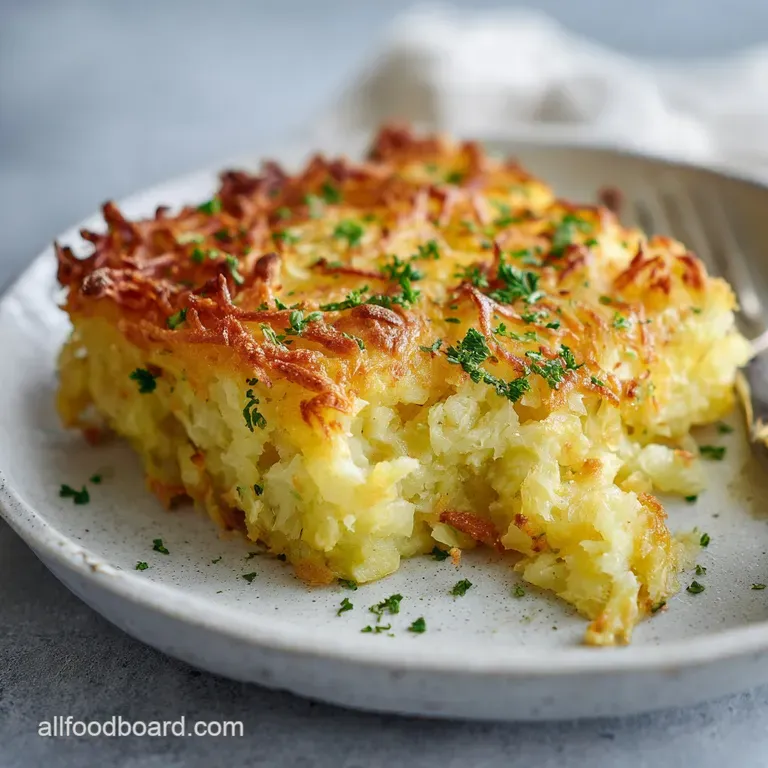
- Time: Active 25 minutes, Passive 65 minutes, Total 90 minutes
- Flavor/Texture Hook: Shatter crisp edges with a soufflé-like, savory interior
- Perfect for: Passover Seder, large family gatherings, or meal prep comfort food
A Passover Tradition We Love
This recipe is built on the foundations of Jewish holiday cooking, but it’s stripped of the fuss. We aren't just making a casserole; we are building layers of texture. Many people think the "pie" part comes from a crust, but in this delicious tradition, the potatoes themselves form their own crust against the hot oil.
It’s a bit of kitchen magic that happens when high heat meets high starch.
I remember my first year hosting Seder on my own. I was so worried about the brisket that I treated the potatoes as an afterthought. I didn't squeeze them enough, and the result was a heavy, soggy brick. It was a mistake I only made once.
Now, I prioritize the prep because I know that a well executed potato pie is often the most talked about item on the plate. It's the ultimate vehicle for soaking up gravy or simply standing alone with its salty, peppery crunch.
What makes this specific version work is the balance of simplicity and technique. We’re using basic ingredients potatoes, onions, eggs but treating them with a bit of scientific respect. By separating the eggs and whipping the whites, we introduce air into a dish that is traditionally quite heavy.
It transforms the pie from a leaden weight into something surprisingly light and airy, while the turmeric provides a sun drenched golden hue that looks stunning on a white tablecloth.
Why This Works
- Thermal Shock: Pouring cold batter into 400°F (200°C) oil creates an immediate sear, preventing the potatoes from sticking and ensuring a deep, fried like crust on the bottom and sides.
- Starch Reclamation: Saving the "sludge" from the potato water provides a natural, concentrated binder that holds the pie together better than matzah meal alone could ever dream of.
- Protein Aeration: Whipping the egg whites to stiff peaks creates tiny air pockets that expand in the oven, giving the interior a delicate, almost mousse like consistency.
- Oxidation Control: Grating the onions directly into the potatoes and working quickly keeps the mixture from turning that unappealing shades of grey.
| Method | Finish Time | Texture Result | Best For |
|---|---|---|---|
| Fast (Box Grater) | 90 minutes | Rustic, uneven shreds | Maximum crunch lovers |
| Classic (Processor) | 85 minutes | Uniform, smooth | A consistent, elegant look |
| Sheet Pan Style | 75 minutes | Thin and extra crispy | Those who only eat the edges |
The decision between a box grater and a food processor usually comes down to how much of a workout you want. Personally, I find the box grater gives a more "homemade" feel with varied textures, but if you're cooking for twenty people, let the machine do the heavy lifting.
Just remember to use the fine shredding disc for that classic, velvety interior.
Potato Pie Cooking Specs
When we look at the components of this dish, it's really about managing moisture and fat. The Russet potato is the king here because of its high starch content. Unlike waxy red potatoes, Russets break down just enough to create a cohesive middle while the exteriors crisp up beautifully.
If you try this with Yukon Golds, it will be tasty, but you won't get that same structural integrity.
| Ingredient | Science Role | Pro Secret |
|---|---|---|
| Russet Potatoes | Bulk and Starch | Squeeze until they feel like dry wool |
| Large Eggs | Structure and Lift | Always separate and whip the whites |
| Schmaltz | Flavor and Heat | Heat it in the pan before adding batter |
| Matzah Meal | Moisture Absorbent | Use just enough to bind, not to toughen |
Adding a little turmeric might seem like a small detail, but it's the difference between a pale, anaemic looking pie and one that looks like it was kissed by the sun. It doesn't add much flavor in this quantity, but the visual impact is massive.
I started doing this after seeing a professional chef use it for a "golden" kugel, and I’ve never looked back. It’s these little tweaks that turn a standard recipe into a family favorite.
Selecting The Right Ingredients
- 5 lbs Russet potatoes: These are non negotiable for the best texture. Why this? High starch ensures a fluffy interior and crispy exterior crust.
- 2 large yellow onions: They provide the moisture and sweetness. Why this? Yellow onions have a higher sugar content than white, aiding caramelization.
- 0.5 cup schmaltz or extra virgin olive oil: Schmaltz is traditional, but olive oil is a great parve/vegan friendly option. Why this? Provides the fat needed for the "frying" effect in the oven.
- 6 large eggs: Separated carefully. Why this? Yolks add richness; whites provide the essential lift and fluffiness.
- 0.25 cup matzah meal: A small amount goes a long way. Why this? Acts as a secondary binder to soak up any remaining potato juice.
- 2 tsp kosher salt: Essential for bringing out the potato flavor.
- 1 tsp freshly cracked black pepper: Provides a necessary bite.
- 0.5 tsp ground turmeric: For that iconic, deep golden color.
If you are looking for a side that's a bit more decadent for a non holiday meal, you might enjoy the techniques used in my Au Gratin Potatoes recipe. While that dish uses cream and cheese, the principles of potato starch management are very similar to what we are doing here with the "sludge."
Essential Kitchen Tools List
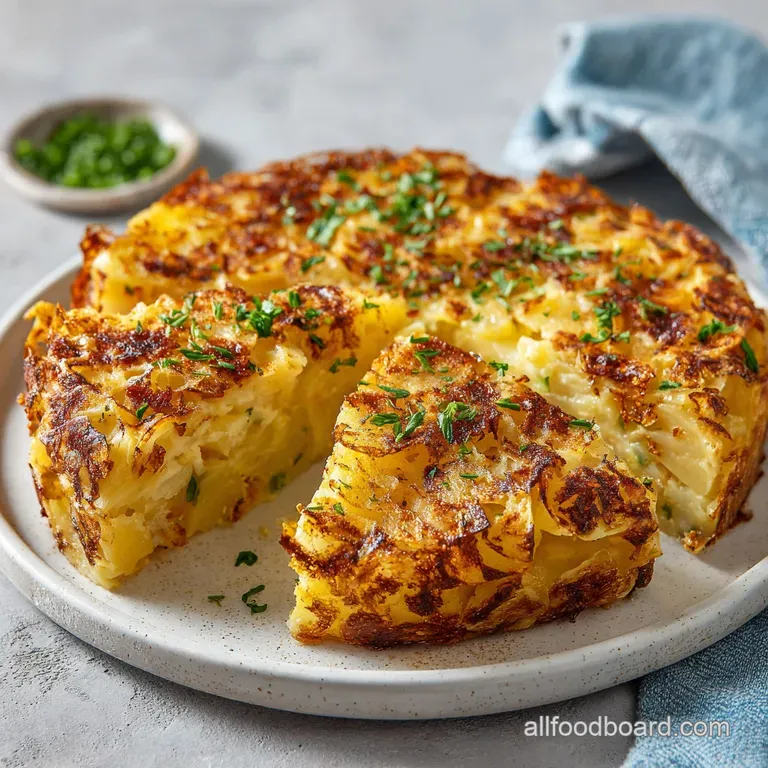
You don't need a lot of gear for this, which is the beauty of a minimalist approach. A large 9x13-inch baking dish is the standard. I prefer glass or ceramic because they hold heat evenly and allow you to peek at the sides to check for browning.
If you use a metal pan, be aware that it might brown the edges much faster, so you'll want to keep an eye on it toward the end of the 65 minutes.
A good box grater is my go to tool. It’s simple, easy to clean, and gives you full control over the shred size. If your hands get tired easily, a food processor is a lifesaver, but make sure you don't over process the potatoes into a liquid mush. You want shreds, not a smoothie.
Finally,, a clean kitchen towel or several layers of cheesecloth are vital for the squeezing process. Don't use a thin paper towel; it will disintegrate and leave you with a mess of lint in your holiday dinner.
Mastering The Recipe Steps
1. The Sizzle Prep
Preheat your oven to 400°F (200°C). Pour your 0.5 cup of schmaltz or olive oil into the 9x13-inch dish. Place the dish in the oven while it preheats. Note: You want the oil shimmering and hot so the batter fries instantly upon contact.
2. The Grate and Drain
Grate the 5 lbs of potatoes and 2 onions using the fine side of a grater or your processor. Immediately transfer the mixture to your cheesecloth. Squeeze with all your might over a bowl to collect the liquid. Work quickly until the potatoes feel significantly drier.
3. Reclaim the Starch
Set the squeezed potato/onion mix aside. Let the collected liquid sit for 2 minutes. Carefully pour off the brown water, leaving the thick, white "sludge" at the bottom of the bowl. This is pure potato starch.
4. Combine the Base
In a large bowl, mix the dry potatoes and onions, the reserved starch, 6 egg yolks, 0.25 cup matzah meal, salt, pepper, and turmeric. Stir until everything is evenly distributed.
5. Whip the Whites
In a separate, very clean bowl, whip the 6 egg whites until they form stiff peaks. They should hold their shape when you lift the whisk.
6. The Flavor Fold
Gently fold the egg whites into the potato base. Use a spatula to cut through the center and roll the mixture over. Continue until no white streaks remain, but don't over mix or you'll lose the air.
7. The Golden Pour
Remove the hot baking dish from the oven. Carefully pour the batter into the sizzling oil. It should hiss and bubble immediately. Smooth the top with your spatula.
8. The Final Bake
Bake for 65 minutes. The top should be a deep, dark golden brown and the edges should look pulled away from the sides and very crispy. Let it rest for 5 minutes before slicing.
Avoiding Common Kitchen Disasters
1. Fixing Soggy Centers
A soggy center is almost always caused by one of two things: either the potatoes weren't squeezed dry enough, or the oven temperature was too low. If you find your pie is browning on top but feels "mushy" in the middle, it's often too late to fix this batch perfectly, but you can save it by slicing it and pan frying the individual pieces in a little oil.
This turns the "mistake" into extra crispy potato cakes.
2. Preventing Grey Potatoes
Potatoes turn grey or even purple when they are exposed to air for too long (oxidation). The sulfur in the onions actually helps slow this down, which is why we grate them together. If you find your potatoes turning colors before you even get them in the oven, you’re working too slowly.
Have your bowls and eggs ready before you start grating.
| Problem | Root Cause | Solution |
|---|---|---|
| Grey Color | Oxidation from air | Grate onions and potatoes together; work fast. |
| Dense/Heavy | Egg whites deflated | Fold whites in gently; don't stir vigorously. |
| Sticking to Pan | Oil wasn't hot enough | Ensure oil is shimmering before adding batter. |
Common Mistakes Checklist
- ✓ Squeeze the potatoes until they are practically "thirsty" again.
- ✓ Never pour batter into a cold pan; the sizzle is your best friend.
- ✓ Don't discard the white starch at the bottom of the potato water.
- ✓ Ensure your egg white bowl is 100% grease free for maximum volume.
- ✓ Let the pie rest for 5 to 10 minutes before cutting to set the structure.
Personalize Your Potato Pie
If you want to deviate from the delicious tradition, there are plenty of ways to make this dish your own. I once added a cup of finely shredded zucchini to the mix (squeezed dry, of course), and it added a lovely sweetness and moisture that the kids really enjoyed.
It’s a great way to sneak in some greens while keeping the classic potato vibe.
Another fun variation is the "herbaceous twist." Adding a handful of fresh dill or parsley to the batter right before folding in the egg whites brightens the whole dish. It cuts through the richness of the schmaltz and pairs beautifully with roasted lamb. If you are looking for a meatier version of a potato based meal, you should definitely check out my Shepherds Pie recipe, which uses similar mashing and baking techniques but incorporates a savory lamb base.
- If you want it extra crispy: Use a larger, shallower pan (like a baking sheet with sides) to increase the surface area.
- If you want it richer: Use 100% rendered duck fat instead of schmaltz or oil.
- If you want it spicy: Add a teaspoon of smoked paprika or a pinch of cayenne to the dry seasonings.
Storage And Leftover Tips
Storing this pie is easy, but keeping the crunch is the real challenge. It will stay good in the fridge for up to 4 days if kept in an airtight container. However, the microwave is the enemy of the potato pie it will make the crust rubbery.
Instead, reheat slices in a 375°F (190°C) oven or toaster oven for about 10 minutes until the edges start to sizzle again.
For long term storage, you can freeze the baked pie. I recommend cutting it into squares first, wrapping them individually in foil, and then placing them in a freezer bag. They will last for up to 3 months.
To reheat from frozen, don't thaw them; just put the foil wrapped squares directly into a hot oven until warmed through, then open the foil for the last 5 minutes to crisp up the top.
Don't throw away any tiny leftover scraps! Those crispy bits at the bottom of the pan are gold. I like to crumble them over a salad the next day like giant, savory croutons. Or, fry a couple of eggs and serve them right on top of a reheated square for the best post holiday breakfast you've ever had.
Best Serving Pairings
This potato pie is a chameleon on the dinner table. It’s substantial enough to be a main dish for a vegetarian guest, but it truly shines next to a slow cooked brisket or a roasted chicken.
The savory, salty profile balances out the sweetness often found in holiday tsimmes (carrots and prunes) or cranberry relish.
If you're serving this as part of a larger spread, think about textures. Since the pie is crunchy and soft, a crisp green salad with a lemon vinaigrette provides a nice acidic counterpoint.
I also love serving it with a side of homemade applesauce or even a dollop of sour cream (if you aren't keeping a kosher meat meal). The cool creaminess against the hot, fried potato crust is a match made in heaven.
Whatever you pair it with, make sure you serve it hot. There is nothing quite like that first bite when the crust is still vocal and the center is steaming. It’s the kind of dish that doesn't just fill the stomach; it warms the soul and reminds everyone why these traditions are worth keeping.
Right then, let's get those potatoes grated!
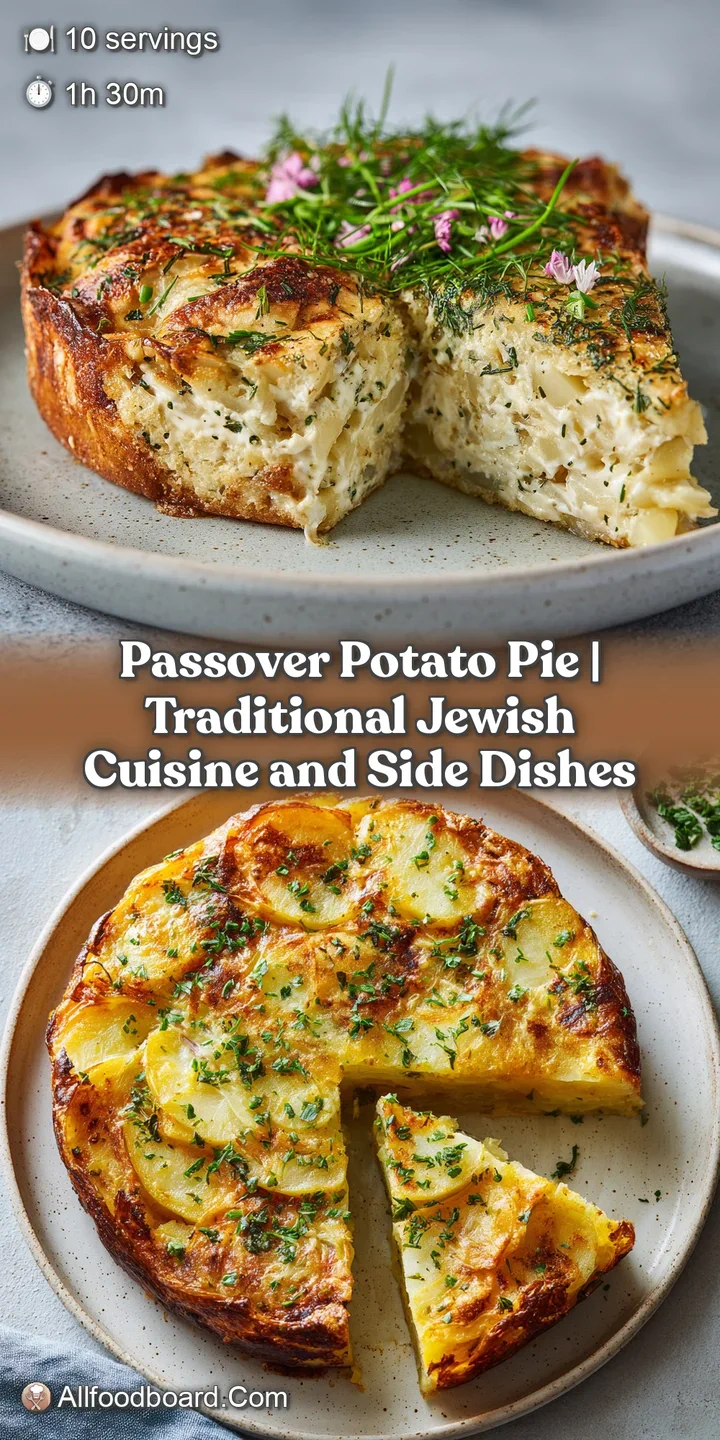
Recipe FAQs
What are some traditional Passover dishes?
Traditional staples include matzah based meals, brisket, and potato based sides. Many families serve potato kugel or pie, roasted vegetables, and chicken soup with matzah balls to observe the holiday dietary restrictions.
Can Jews eat potatoes on Passover?
Yes, potatoes are considered kosher for Passover. Unlike grains that can become chametz, potatoes are classified as kitniyot free or neutral, making them a primary starch source for the holiday.
Is potato kugel ok for Passover?
Yes, it is a classic choice provided you use matzah meal instead of flour. This recipe uses 0.25 cup of matzah meal to bind the 5 lbs of Russet potatoes and egg mixture, keeping it fully compliant.
Can I make potato kugel the day before?
Yes, you can prepare the mixture ahead of time, but bake it fresh if possible. If you must bake it early, store it in an airtight container and reheat in the oven at 375°F to restore that crispy texture.
How to get the perfect crispy crust?
Preheat your 9x13-inch dish with the fat inside until it is shimmering. Pouring the batter directly into the sizzling oil ensures the bottom crisps immediately upon hitting the oven at 400°F.
How to prevent a soggy potato pie?
Squeeze every drop of liquid out of your grated potatoes and onions using cheesecloth. If you enjoyed mastering the moisture control needed for a shepherd's pie, apply the same precision here by ensuring the potato starch is the only binder left after draining.
Is it true that I should use a microwave to reheat leftovers?
No, this is a common misconception. The microwave softens the potato starch and turns the crust rubbery; always use an oven or toaster oven set to 375°F for 10 minutes to maintain the crisp edges.
Passover Potato Pie Tradition
Ingredients:
Instructions:
Nutrition Facts:
| Calories | 341 kcal |
|---|---|
| Protein | 8.9 g |
| Fat | 14.3 g |
| Carbs | 45.2 g |
| Fiber | 3.6 g |
| Sugar | 2.1 g |
| Sodium | 485 mg |
