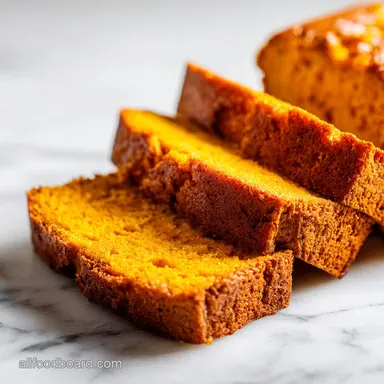
Pumpkin Bread: Moist and Velvety
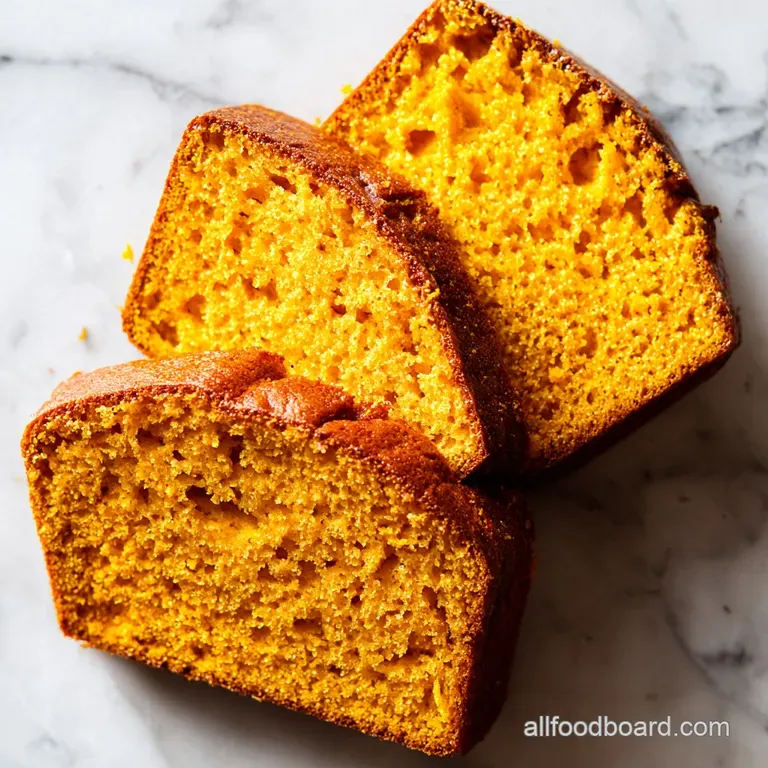
- Time: 10 min active + 60 min baking = Total 80 min
- Flavor/Texture Hook: Velvety crumb with a fragrant, spice forward aroma
- Perfect for: Cozy autumn mornings or a rustic holiday brunch
That sharp, nostalgic crackle of a cinnamon stick breaking in your hand, followed by the warm, earthy scent of nutmeg filling a flour dusted kitchen. It's the kind of smell that feels like a hug from a grandmother you haven't seen in years.
For me, baking this is less about the food and more about recreating that specific, golden hour feeling of a rustic October afternoon.
But here is a question that always bugs me: why do some loaves feel like a dense, damp cake while others have that classic, hearty bread texture? I spent a few years wondering why my loaves would sometimes sink in the middle or feel slightly underdone even when the timer went off.
It turns out, the secret isn't in the oven, but in how you handle the pumpkin itself.
Once I stopped treating this like a standard cake and started treating it like a rustic pastry, everything changed. This version of Pumpkin Bread is exactly what I crave - a velvety interior, a slightly crisp outer edge, and a spice profile that doesn't overpower the natural sweetness of the squash.
It's simple, honest, and honestly, the only way I'll make it now.
Pumpkin Bread
The magic of a great loaf happens when you stop over mixing. I remember one specific morning where I used a stand mixer and beat the batter into a smooth, glossy perfection. It looked beautiful, but the result was a tough, rubbery loaf that lacked any of that rustic charm.
I learned the hard way that a rubber spatula and a gentle hand are your best friends here.
When you fold the flour into the wet base, you're not looking for a perfectly smooth paste. You want to just barely incorporate the dry ingredients. This keeps the air bubbles intact, ensuring the bread rises evenly without becoming dense.
It's the difference between a loaf that feels heavy in your stomach and one that feels light and comforting.
Trust me on this: don't rush the cooling process. I've definitely tried to slice into a steaming loaf five minutes after it came out of the oven, only to have the center collapse and feel gummy. Giving it those ten minutes in the pan allows the internal structure to set, locking in that velvety texture we're after.
The Secret to the Texture
I've always been curious about why certain fats change the feel of a loaf. After playing around with different options, here is what actually makes this work:
- Oil over Butter: Oil remains liquid at room temperature, which keeps the crumb velvety and moist for days longer than butter would.
- Sifting the Spices: Mixing cinnamon and cloves directly into the flour prevents "spice pockets," ensuring a consistent, fragrant flavor in every slice.
- Baking Soda Reactivity: The natural acidity in the pumpkin puree reacts with the soda to create a lift that's more stable than baking powder alone.
- Sugar Hydration: Granulated sugar doesn't just sweeten; it binds with the water in the puree to create a tender, soft crumb structure.
| Method | Time | Texture | Best For |
|---|---|---|---|
| Canned Puree | 10 min prep | Consistent, velvety | Weeknight baking |
| Fresh Roasted | 45 min prep | Heartier, deeper flavor | Special occasions |
| store-bought Mix | 5 min prep | Spongy, overly sweet | Emergency desserts |
Component Analysis
Understanding what each part does helps you avoid those "why is this happening" moments in the kitchen.
| Ingredient | Science Role | Pro Secret |
|---|---|---|
| Pumpkin Puree | Structure & Moisture | Use a spoon to drain excess water for a denser loaf |
| Vegetable Oil | Tenderness | Use a neutral oil like avocado to let the spices shine |
| Baking Soda | Leavening | Fresh soda is non negotiable for a proper rise |
| Ground Cloves | Flavor Depth | A tiny bit goes a long way; don't overdo the cloves |
Essential Baking Tools
You don't need a professional kitchen to make this, but a few specific tools make the process much smoother. I personally love using a heavy duty 9x5 inch loaf pan. If you have a glass pan, be careful, as they sometimes distribute heat differently than metal, which can lead to slightly darker edges.
A rubber spatula is the real MVP here. Forget the whisk once the flour goes in. You want to "fold," not "beat." Also, parchment paper is a total lifesaver. I used to grease my pans with just butter, but the bread would still occasionally stick.
A parchment sling allows you to lift the entire loaf out of the pan without any stress.
Finally, a digital scale is great if you have one. While cups work, weighing your flour (210g) ensures you don't accidentally pack too much into the cup, which is the number one cause of dry Pumpkin Bread.
Step-by-step Baking Guide
Right then, let's get into the actual process. Keep your oven preheated and your ingredients at room temperature for the smoothest batter.
- Preheat your oven to 350°F (175°C). Grease your 9x5 inch loaf pan and line it with a parchment paper sling Note: this makes removal effortless.
- In a large bowl, whisk together the 1 1/2 cups pumpkin puree, 1 cup granulated sugar, 1/2 cup vegetable oil, 2 large eggs, and 1 tsp vanilla extract. Mix until the batter is smooth and glossy.
- Sift the 1 3/4 cups all purpose flour, 1 tsp baking soda, 1/2 tsp salt, 1 tsp cinnamon, 1/4 tsp nutmeg, 1/4 tsp ginger, and 1/4 tsp cloves directly into the wet mixture.
- Using a rubber spatula, gently fold the ingredients together. Stop as soon as no streaks of flour remainNote: over mixing creates a tough, rubbery texture.
- Pour the batter into the prepared pan and smooth the top with your spatula.
- Bake for 55–65 minutes until a toothpick inserted into the center comes out clean or with a few moist crumbs.
- Remove from the oven and let the bread cool in the pan for 10 minutes.
- Transfer the loaf to a wire rack to cool completely before slicing.
Chef's Tip: For an even more rustic look, sprinkle a pinch of coarse sugar or a dash of cinnamon on top of the batter before it goes into the oven. It creates a beautiful, sparkling crust that shatters slightly when you bite into it.
Troubleshooting Common Loaf Issues
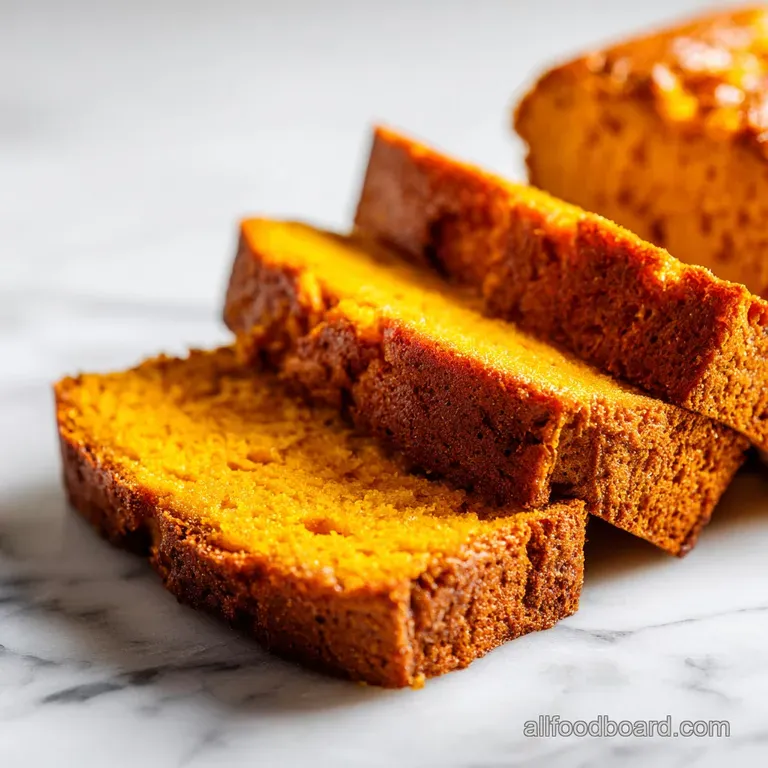
Even for those of us who bake all the time, things can go sideways. Most Pumpkin Bread issues come down to temperature or mixing.
| Issue | Solution |
|---|---|
| Why Your Loaf Is Gummy | A gummy center usually means the bread was pulled out too early or the oven temperature was off. If the outside looks golden but the inside is wet, it's likely a heat distribution issue. According to |
| Why the Bread Sinks | Sinking usually happens because of too much leavening or over mixing. When you beat too much air into the batter, it rises rapidly and then collapses because the structure isn't strong enough to hold |
| Why the Texture Is Dense | If your loaf feels like a brick, you probably used too much flour. Flour varies by brand and how you scoop it, which is why I always recommend weighing your ingredients. |
Common Mistakes Checklist:
- ✓ Did you sift the spices to avoid clumps?
- ✓ Did you stop mixing as soon as the flour disappeared?
- ✓ Is your baking soda fresh (less than 6 months old)?
- ✓ Did you let the loaf rest for 10 minutes before moving it?
- ✓ Did you use a parchment sling to prevent sticking?
Creative Twist Ideas
Once you've nailed the classic version, you can start playing with the flavors. I love adding a handful of semi sweet chocolate chips to make a pumpkin chocolate chip bread. The bitterness of the chocolate cuts through the sweetness of the pumpkin beautifully.
If you're looking for something with more crunch, try folding in 1/2 cup of toasted pecans or walnuts. I find that toasting the nuts first really brings out an earthy depth that complements the cinnamon. For those who want a different kind of holiday treat, this pairs wonderfully with a slice of Chocolate Peppermint Bundt Cake on a dessert platter.
For a healthier alternative, you can swap the granulated sugar for coconut sugar, though this will result in a slightly darker, more caramel like flavor. If you're going gluten-free, a 1:1 GF baking flour blend usually works, but I've found that adding an extra egg helps keep the structure from becoming too crumbly.
Adjusting the Batch Size
Sometimes you just want a small treat, or you're baking for a crowd. Here is how to handle the numbers.
Scaling Down (1/2 batch): Use a smaller loaf pan (like 8x4). Reduce the baking time by about 20%, but start checking at 40 minutes. For the egg, crack one into a bowl, beat it, and use exactly half by weight or volume.
Scaling Up (2x batch): Don't just double everything and put it in one giant pan. It's better to bake two separate loaves. Increase the salt and spices by only 1.5x instead of 2x, as these flavors can become overpowering in larger volumes.
If you're baking multiple loaves at once, lower the oven temp by 25°F and extend the time by 5-10 minutes to ensure the center of each loaf cooks through.
| If you want... | Do this... |
|---|---|
| A denser, fudgy loaf | Reduce flour by 2 tablespoons |
| A lighter, cakey feel | Add 1/2 tsp more baking soda |
| A more intense spice | Increase cinnamon to 1 1/2 tsp |
Storage and Zero Waste
Pumpkin Bread actually tastes better the next day. The flavors have time to meld, and the moisture redistributes, making the crumb even more velvety. Store your slices in an airtight container at room temperature for up to 3 days, or in the fridge for about a week.
If you have a half loaf left, it freezes beautifully. Wrap individual slices in parchment paper and then place them in a freezer bag. They'll stay fresh for up to 3 months. To reheat, just pop a slice in the toaster for a minute or microwave it for 15 seconds. It'll smell like a fresh batch all over again.
For zero waste, don't throw away the pumpkin puree remnants in the can. Use those last few scrapes to make a quick pumpkin spiced oatmeal or stir them into a smoothie. If you're roasting your own pumpkin for this recipe, save the seeds!
Toss them with a bit of oil and salt and roast them at 325°F for 15 minutes for a crunchy snack.
Plating and Pairing
Since I love the artistic side of baking, I always think about how the bread looks on the table. A rustic loaf is beautiful on its own, but a few tweaks can make it feel like a treat.
For a simple morning, a thick slice of toasted Pumpkin Bread with a slab of salted butter is unbeatable. If you're hosting a brunch, try the polished approach: toast the slice, drizzle it with warm maple syrup, and add a pinch of cinnamon dust on top.
For a restaurant style presentation, cut the bread into small cubes, toast them in butter until they are golden, and serve them as "pumpkin croutons" alongside a dollop of whipped mascarpone and a drizzle of spiced honey.
| Plating Level | Presentation | Key Addition |
|---|---|---|
| Simple | Thick slice | Salted Butter |
| Polished | Toasted & Drizzled | Maple Syrup + Cinnamon |
| Restaurant | Deconstructed | Whipped Mascarpone + Honey |
This loaf is the ultimate comfort food. It pairs perfectly with a strong cup of coffee or a glass of cold milk. If you're putting together a full autumn spread, I highly suggest serving this alongside some Homemade Breakfast Biscuits to give your guests a variety of rustic textures and flavors.
Common Baking Myths
There are a few things people tell you about Pumpkin Bread that just aren't true. First, the idea that adding more sugar makes a loaf "moister." While sugar does hold onto water, too much of it will actually cause the bread to collapse and become gummy, ruining the velvety crumb.
Another myth is that you must use "pumpkin pie filling" instead of "pumpkin puree." Pie filling has added sugar and spices, which will throw off the balance of this recipe. Always stick to 100% pure pumpkin puree to maintain control over the flavor and structure.
Finally, some say you should over mix the batter to get rid of all the lumps. As we've discussed, that's the quickest way to turn your bread into a rubbery brick. Keep it rustic, keep it gentle, and enjoy the process.
Recipe FAQs
What are common pumpkin bread mistakes?
Over mixing the batter or pulling the loaf out too early. Too much mixing creates a tough crumb, while under baking leaves the center wet and gummy.
Can I just add pumpkin puree to cake mix?
No, that will ruin the texture. Cake mix is balanced for specific moisture levels; adding puree without adjustments usually results in a dense, unbaked middle. If you want a similar spiced result, try a dedicated pumpkin cake.
Can a diabetic eat pumpkin bread?
Generally no, unless in very small portions. This recipe uses a significant amount of granulated sugar, which can cause blood glucose spikes.
What can I add to pumpkin loaf?
Stick to the listed blend of cinnamon, nutmeg, ginger, and cloves. These specific spices are carefully balanced to complement the pumpkin puree without overpowering the flavor.
How to prevent a gummy center?
Bake for the full 55 65 minutes. Ensure a toothpick inserted into the center comes out clean or with just a few moist crumbs before removing it from the oven.
Is it true that pumpkin bread tastes best immediately after baking?
No, this is a common misconception. The flavors meld and the moisture redistributes overnight, making the crumb even more velvety the next day.
How to store leftover pumpkin bread?
Keep slices in an airtight container. Store them at room temperature for 3 days, in the fridge for a week, or freeze individual slices for up to 3 months.
Pumpkin Bread: Velvety Crumb