Best Chocolate Cupcakes with Chocolate Buttercream
- Time: Active 72 mins, Passive 18 mins, Total 90 mins
- Flavor/Texture Hook: A velvety, fudgy crumb paired with silky buttercream
- Perfect for: Birthday celebrations, bake sales, or a weekend baking project
- Crafting the Best Chocolate Cupcakes with Chocolate Buttercream
- Why This Specific Recipe Works
- Essential Recipe Specifications
- Sourcing Your Quality Ingredients
- Necessary Baking Equipment
- Bringing the Batter Together
- Avoiding Common Baking Mistakes
- Creative Flavor Variations
- Scaling Your Batch Size
- Storage and Freshness Tips
- Serving Your Sweet Creation
- Recipe FAQs
- 📝 Recipe Card
Crafting the Best Chocolate Cupcakes with Chocolate Buttercream
The kitchen fills with an earthy, dark aroma the second that boiling coffee hits the cocoa powder. It’s a scent that stops you in your tracks, promising something much richer than your average box mix.
I remember the first time I tried this specific method for a friend's birthday; I was terrified the batter looked too thin, but the way they rose into domed, springy masterpieces was a total revelation.
We’ve all dealt with those "chocolate" cupcakes that are basically just brown colored sugar sponges. This isn't that. We are aiming for a texture that sits right between a light cake and a dense brownie.
It’s the kind of treat that leaves a little smudge of chocolate on your thumb and a lot of happiness in your soul.
You don't need a professional pastry kitchen to pull this off, just a bit of patience and some high-quality cocoa. We’re going to walk through how to keep that crumb moist for days and how to whip up a frosting so smooth it looks like satin.
Let’s get the oven preheated and dive into the details of this Best Chocolate Cupcakes with Chocolate Buttercream recipe.
Why This Specific Recipe Works
The Physics of the Bloom: Pouring boiling water or coffee over natural cocoa powder dissolves the solids and releases trapped flavor compounds. This "blooming" process ensures the chocolate notes are front and center rather than hidden behind the flour.
Acidity and Leavening: The reaction between 120ml buttermilk and 1 tsp baking soda creates instant carbon dioxide bubbles. This chemical lift is what gives the fudgy base its necessary structure without becoming a leaden brick.
Fat Sourcing Strategy: Using 60ml vegetable oil instead of butter in the cake keeps the crumb soft even when cold. Oil stays liquid at room temperature, which means these won't dry out or turn crumbly the day after you bake them.
Sugar and Moisture: The 200g granulated sugar doesn't just add sweetness; it’s hygroscopic, meaning it attracts and holds onto water molecules. This is the secret to that lingering moisture we all crave.
| Method | Time | Texture | Best For |
|---|---|---|---|
| Standard Mix | 15 mins | Traditional cake | Busy weeknights |
| Blooming Cocoa | 20 mins | Intense & fudgy | Special occasions |
| Reverse Creaming | 25 mins | Tight, velvet crumb | High stacking layers |
Choosing the blooming method is what truly sets this recipe apart from the rest. While it adds an extra five minutes to your prep, the depth of flavor is incomparable. If you are a fan of rich textures, you might also enjoy the technique used in my Chocolate Chip Cookie recipe.
Essential Recipe Specifications
When you're aiming for the Best Chocolate Cupcakes with Chocolate Buttercream, understanding the components is half the battle. We aren't just tossing things into a bowl; we are building a structure.
The 188g of all purpose flour provides the scaffolding, while the Dutch process cocoa in the frosting brings a mellow, dark hue that balances the sweetness.
To Ensure a Moist Crumb
The 120ml of full fat buttermilk is non negotiable for that classic tangy undertone. If you only have low-fat, it will work, but the full fat version adds a richness that complements the 60ml of oil perfectly. This combination ensures the cake feels substantial yet airy.
To Unlock Deep Aromatics
Don't skip the 1 tbsp vanilla extract. It might seem like a lot, but vanilla acts as a flavor enhancer for chocolate, much like salt does for savory food. It rounds out the bitterness of the cocoa and makes the whole cupcake taste "expensive."
| Component | Science Role | Pro Secret |
|---|---|---|
| Boiling Coffee | Cocoa Blooming | Use decaf if sensitive; flavor remains |
| Buttermilk | Acidic Tenderizer | Shake the carton first for consistency |
| Natural Cocoa | Structural Acid | Don't swap for Dutch in the cake base |
The interaction between the natural cocoa and the leavening agents is a delicate balance. Natural cocoa is acidic, which triggers the baking soda. If you swap it for Dutch process in the cake (which is neutral), you might end up with a flat, soapy tasting result.
Sourcing Your Quality Ingredients
- All purpose flour (188g): Why this? Provides the perfect protein balance for a soft but sturdy structure.
- Substitute: Cake flour (use 200g) for an even lighter, more delicate crumb.
- Granulated sugar (200g): Why this? Essential for sweetness and moisture retention in the sponge.
- Substitute: Light brown sugar for a more caramel like undertone.
- Natural cocoa powder (45g): Why this? Its acidity reacts with the soda for a perfect rise.
- Substitute: Cacao powder, though it may be slightly more bitter.
- Baking soda (1 tsp): Why this? The primary lifter that reacts with buttermilk and cocoa.
- Substitute: No direct swap; ensure it is fresh for the best rise.
- Baking powder (½ tsp): Why this? Provides a secondary lift to ensure the centers don't sink.
- Substitute: Omit if necessary, but the dome will be slightly flatter.
- Salt (½ tsp + ¼ tsp): Why this? Cuts through the sugar and intensifies the chocolate notes.
- Substitute: Sea salt flakes for a crunchier texture in the frosting.
- Large egg (1): Why this? Binds the ingredients and adds structure through protein.
- Substitute: 1/4 cup unsweetened applesauce for an egg free version.
- Full fat buttermilk (120ml): Why this? Softens gluten strands for a melt in-the mouth feel.
- Substitute: 110ml milk + 10ml lemon juice (let sit for 5 mins).
- Vegetable or canola oil (60ml): Why this? Guaranteed moisture that lasts longer than butter based cakes.
- Substitute: Melted coconut oil for a subtle tropical hint.
- Vanilla extract (1 tbsp): Why this? Elevates the cocoa and provides a floral aroma.
- Substitute: Vanilla bean paste for beautiful black speckles.
- Boiling water or hot coffee (120ml): Why this? Blooms the cocoa and thins the batter for a silky texture.
- Substitute: Boiling water works fine, but coffee adds incredible depth.
- Unsalted butter (225g): Why this? The base of the frosting; provides a creamy, rich mouthfeel.
- Substitute: high-quality vegan butter sticks for a dairy-free frosting.
- Powdered sugar (360g): Why this? Sweetens and stabilizes the buttercream to hold its shape.
- Substitute: store-bought is best; homemade can be too grainy.
- Dutch process cocoa (45g): Why this? Provides that dark, "Oreo like" color and smooth flavor to frosting.
- Substitute: Natural cocoa, though the frosting will be lighter and tangier.
- Heavy cream (45ml): Why this? Adjusts the frosting consistency to make it pipeable and smooth.
- Substitute: Whole milk, but use slightly less to prevent runniness.
Necessary Baking Equipment
You don't need a pantry full of gadgets, but a few tools make the process much smoother. A standard 12 cup muffin tin is essential, and if you have two, you can bake the full yield of 16 cupcakes at once.
I highly recommend using a digital scale for the flour and sugar it’s the only way to be 100% sure you aren't overpacking your measuring cups.
A stand mixer makes the buttercream a breeze, but a handheld electric mixer works perfectly well too. Just be prepared to give your arm a little workout during the frosting stage! For the batter, a simple balloon whisk is actually better than a mixer because it prevents you from overworking the gluten, which keeps things tender.
If you are looking to expand your dessert repertoire after this, you might find my Homemade Chocolate Cream recipe requires even fewer tools!
Bringing the Batter Together
Sift and Whisk Foundations
Start by sifting your 188g flour, 200g sugar, 45g natural cocoa, baking soda, baking powder, and 1/2 tsp salt into a large bowl. Note: Sifting prevents those tiny clumps of cocoa that never seem to dissolve. Whisk these together until the mixture is a uniform, pale sandy brown color.
Emulsify the Wet Ingredients
In a separate jug, whisk the egg, 120ml buttermilk, 60ml oil, and vanilla extract. Whisk until the egg is completely incorporated and no streaks of yellow remain. This ensures the fat is evenly distributed before it hits the dry ingredients.
The Boiling Liquid Bloom
Pour the wet ingredients into the dry and whisk gently. Now, slowly stream in the 120ml of boiling water or coffee. Note: The batter will be very thin don't panic! Whisk until the liquid is fully combined and the batter looks like dark, shimmering silk.
The Precision Baking Stage
Divide the batter into 16 liners, filling each about 2/3 full. Bake at 350°F (180°C) for 18 minutes. Bake until the tops spring back when lightly pressed and a toothpick comes out with just a few moist crumbs.
Let them cool completely in the pan for 10 minutes before moving to a wire rack.
Whipping the Fluffy Buttercream
Beat the 225g softened butter for 5 full minutes until it turns pale and voluminous. Add the 360g powdered sugar, 45g Dutch process cocoa, 1/4 tsp salt, and 45ml heavy cream. Beat on medium high until the frosting is velvety and holds a stiff peak.
If it feels too stiff, add a teaspoon more cream; if too soft, add a tablespoon more sugar.
Avoiding Common Baking Mistakes
One of the biggest hurdles with the Best Chocolate Cupcakes with Chocolate Buttercream is the temptation to overbake. Because the batter is so dark, you can't rely on "golden brown" cues. You have to trust the 18 minute mark and the spring back test.
If you leave them in too long, that fudgy moisture we worked so hard for will evaporate, leaving you with a dry, crumbly mess.
Another pitfall is frosting the cupcakes while they are still slightly warm. Even a hint of residual heat will turn your beautiful buttercream into a greasy puddle. Patience is your best friend here. If you're in a rush, pop the cupcakes in the fridge for 20 minutes to speed up the cooling process.
Why Your Cupcakes Sunk
If your cupcakes look great in the oven but collapse the moment you pull them out, you likely over mixed the batter or opened the oven door too early. Over mixing incorporates too much air, which expands and then bursts, leaving a crater in the center.
To Fix Grainy Frosting
Grainy buttercream usually happens if the powdered sugar wasn't sifted or if the butter was too cold. To fix it, keep beating! Sometimes it just needs another 3 minutes of high speed whipping to fully dissolve the sugar crystals into the fat.
| Problem | Root Cause | Solution |
|---|---|---|
| Dry Cake | Overbaking or too much flour | Check temp at 16 mins; use a scale |
| Greasy Frosting | Butter was too soft/melted | Chill frosting for 15 mins then re whip |
| Flat Tops | Expired baking soda | Test soda in vinegar; it should fizz |
Common Mistakes Checklist
- ✓ Always use room temperature eggs to ensure proper emulsification.
- ✓ Sift the cocoa powder to avoid bitter lumps in the finished cake.
- ✓ Don't fill the liners more than 2/3 full to prevent overflow.
- ✓ Let the boiling liquid sit for 30 seconds before whisking it into the batter.
- ✓ Use a piping bag for the frosting to get that professional finish.
Creative Flavor Variations
If you want to take the Best Chocolate Cupcakes with Chocolate Buttercream to a new level, consider a surprise filling. A small spoonful of raspberry jam or a dollop of peanut butter tucked into the center before frosting adds a wonderful contrast.
You can also experiment with the liquid; using a stout beer instead of coffee creates an incredibly earthy, malty profile that pairs perfectly with the dark chocolate.
For a Salted Surprise
Add a generous pinch of flaky sea salt on top of the frosting. This doesn't just look pretty; it heightens the perception of the chocolate and cuts through the richness of the buttercream. It turns a simple cupcake into something that feels like it came from a high end bistro.
For a dairy-free Option
You can successfully make these dairy-free by swapping the buttermilk for soy milk with a teaspoon of apple cider vinegar and using a high-quality vegan butter stick for the frosting. The oil based cake is already halfway there! Just ensure your cocoa powder doesn't have any hidden milk solids.
Scaling Your Batch Size
When you need to feed a crowd, doubling this recipe is straightforward. However, be careful with the leavening agents; for a double batch, use 1.5x the baking soda and powder to avoid an overly metallic taste. The liquids should also be reduced by about 10% to maintain the right viscosity in larger volumes.
If you're scaling down for a small date night, you can halve everything easily. Since the recipe calls for one egg, simply whisk the egg in a small bowl and use exactly half of it by weight or volume.
Use a smaller 6 cup muffin tin and keep an eye on the bake time, as smaller batches can sometimes cook 2-3 minutes faster.
| Servings | Flour | Sugar | Cocoa | Pan Size |
|---|---|---|---|---|
| 8 Cupcakes | 94g | 100g | 23g | 6 cup tin |
| 16 Cupcakes | 188g | 200g | 45g | 12 cup + 4 extra |
| 32 Cupcakes | 376g | 400g | 90g | Two 12 cup tins |
Storage and Freshness Tips
To keep these tasting like they just came out of the oven, store them in an airtight container at room temperature for up to 3 days. The oil in the batter keeps them remarkably moist. If you need to keep them longer, the fridge will extend their life to about 6 days, but the buttercream will firm up significantly.
Always bring refrigerated cupcakes back to room temperature for 30 minutes before serving so the frosting regains its silky texture.
For zero waste baking, if you happen to have leftover frosting, it freezes beautifully! Place it in a zip top bag and squeeze out all the air. It will stay fresh for up to 3 months. When you're ready to use it, let it thaw in the fridge overnight and give it a quick whip with a spoon to restore the fluffiness.
Leftover cupcake crumbs? Toast them in the oven and use them as a "dirt" topping for chocolate pudding or ice cream.
Serving Your Sweet Creation
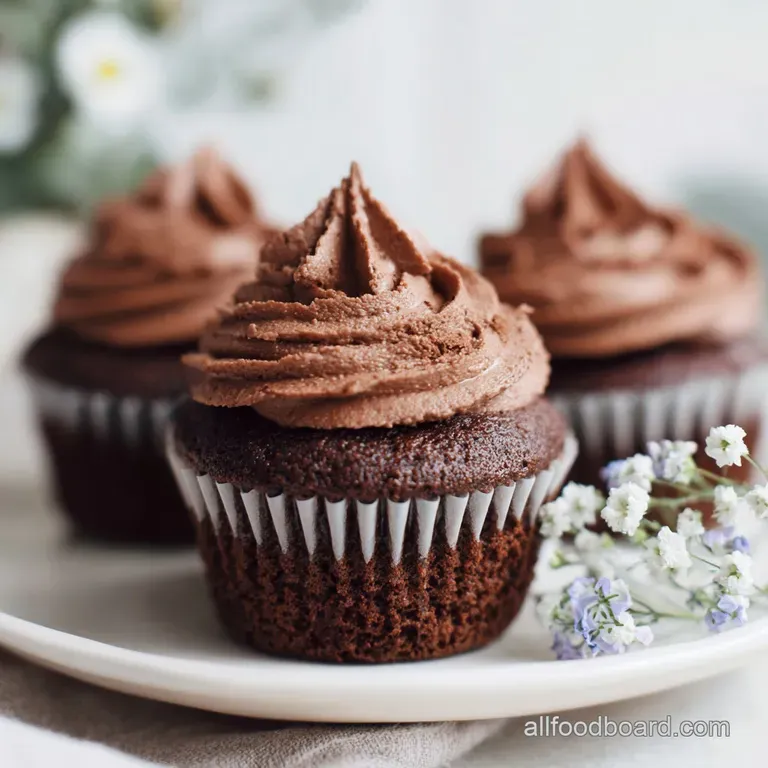
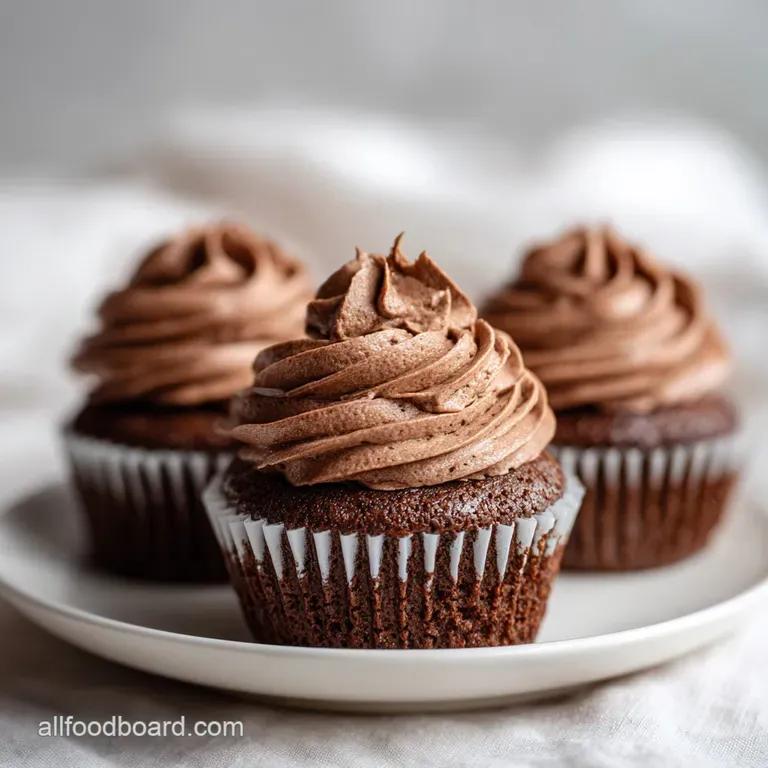
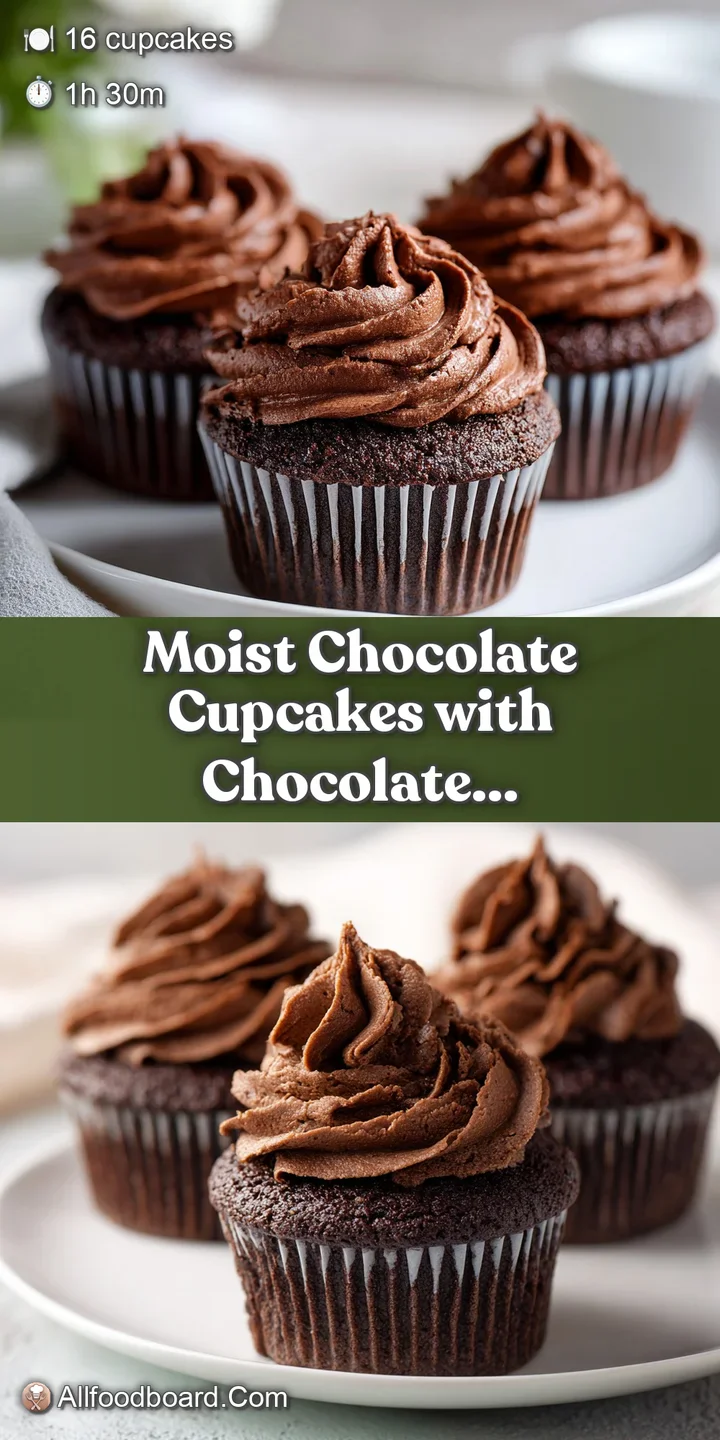
When it comes to the Best Chocolate Cupcakes with Chocolate Buttercream, presentation is the final touch. A large open star tip (like a Wilton 1M) creates those classic bakery swirls. Start in the center, spiral outward to the edge, and then come back up into a peak.
It’s easier than it looks and makes a huge impact.
If you’re serving these at a party, try pairing them with a cold glass of milk or a sharp espresso. The bitterness of the coffee or the creaminess of the milk perfectly complements the fudgy intensity of the cake.
Honestly, there is nothing better than seeing someone’s face light up when they realize these are homemade. Enjoy the process, and don't forget to lick the whisk that's the best part of being the baker!
Recipe FAQs
Can I substitute butter for the oil in the cake batter?
No, stick with oil for the best texture. Oil remains liquid at lower temperatures, which is the secret to keeping this crumb moist for days; butter will cause the cake to firm up quickly.
How to ensure the chocolate flavor is intense in the cake?
Bloom the natural cocoa powder with boiling coffee or water first. Pouring the hot liquid over the cocoa dissolves the solids and releases trapped flavor compounds, making the final product much richer.
Is it true that Dutch process cocoa is best for the frosting?
Yes, Dutch process is highly recommended for the buttercream. Its neutral pH yields a smoother, darker color without the tangy flavor that natural cocoa would impart when mixed with butter and sugar.
How to stop the chocolate cupcakes from sinking after baking?
Avoid opening the oven door prematurely and do not overmix the final batter. Overmixing develops too much gluten, leading to an unstable air structure that collapses when removed from the heat source.
What is the best way to achieve perfectly smooth chocolate buttercream?
Beat the softened butter alone for at least five minutes until it is very pale and fluffy. This incorporates maximum air before adding the powdered sugar, which prevents a grainy texture from undissolved sugar.
Can I use a different liquid instead of buttermilk in the cake?
Yes, you can substitute buttermilk with whole milk mixed with lemon juice. Mix 110ml of milk with 10ml of lemon juice and let it sit for five minutes to curdle, mimicking the acidity needed to activate the baking soda.
How long can these cupcakes be stored while maintaining moisture?
Store them airtight at room temperature for up to three days for optimal flavor. If you need longer storage, refrigeration works for up to a week, but allow them to come to room temperature for 30 minutes before eating.
Moist Chocolate Cupcakes Recipe
Ingredients:
Instructions:
Nutrition Facts:
| Calories | 342 calories |
|---|---|
| Protein | 3.1 g |
| Fat | 17.1 g |
| Carbs | 47.6 g |
| Fiber | 1.9 g |
| Sugar | 35.2 g |
| Sodium | 212 mg |
