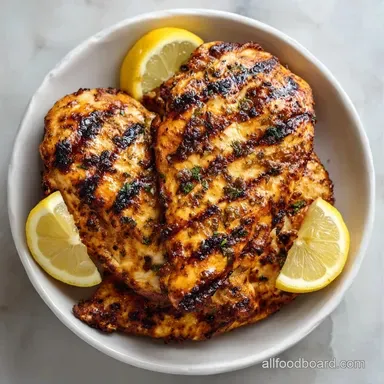
Marinated Grilled Chicken Breasts: Zesty and Juicy
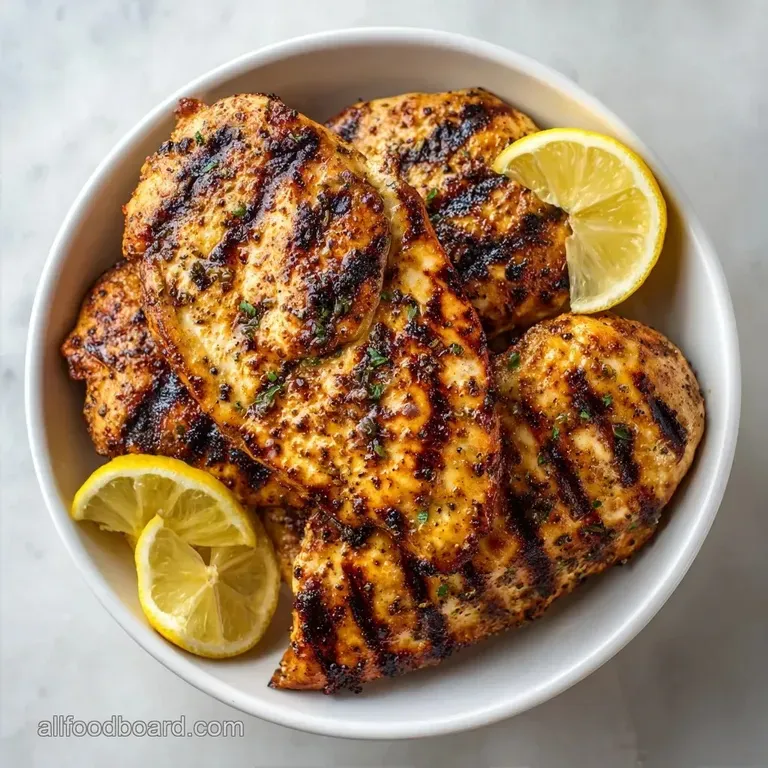
- Time: 15 min active + 2 hours chilling
- Flavor/Texture Hook: Zesty, charred, and juicy
- Perfect for: Weeknight dinner or meal prep
- Marinated Grilled Chicken Breasts
- Why This Combo Works
- What Each Ingredient Does
- Shopping List Breakdown
- Simple Tools You'll Need
- Bringing The Meal Together
- Fixing Common Grilling Issues
- Troubleshooting Common Issues
- Fresh Ways To Mix It
- Storage And Zero Waste Tips
- Great Sides For Chicken
- Very High in Sodium
- Recipe FAQs
- 📝 Recipe Card
That loud, aggressive sizzle when the meat hits the hot grates is the best part of summer. I used to think that to get deep flavor, you had to let meat soak in a marinade for twenty four hours.
I'd leave chicken in the fridge overnight, only to find it had a weird, mushy texture because the acid just sat there too long.
Forget that old advice. You don't need a full day of soaking to get a punchy flavor. Two hours is the sweet spot where the herbs penetrate the surface but the meat stays firm.
These Marinated Grilled Chicken Breasts are my go to because they don't require a fancy setup. You just need a grill and a zip top bag. It's a straightforward approach that gives you a browned crust and a juicy center every time.
Marinated Grilled Chicken Breasts
I've found that the biggest hurdle with chicken breasts is the "dry zone." You know the part where the edges are overcooked and rubbery while the middle is just barely done. The trick is using a consistent thickness and not touching the meat once it hits the grill.
If you leave the chicken alone for 6 to 7 minutes, it develops a proper sear. This creates a barrier that keeps the moisture inside. Trust me, resisting the urge to flip it early is the hardest but most important part of this recipe.
When you're planning your menu, this dish is incredibly flexible. It works as a main or as a sliced topping for salads. If you've tried my lemon garlic whole chicken, you'll recognize these same bright, zesty notes, but in a much faster format.
Why This Combo Works
Acid Balance: The lemon juice breaks down tough fibers without making the meat mushy if kept under 6 hours. Oil Barrier: Extra virgin olive oil carries the fat soluble flavors of paprika and oregano deep into the meat.
| Thickness | Temp | Rest | Cue |
|---|---|---|---|
| 1 inch (avg) | 400°F | 5 mins | Firm to touch |
| 1.5 inches | 375°F | 8 mins | 165°F internal |
| Pounded Flat | 425°F | 3 mins | Quick char |
What Each Ingredient Does
| Ingredient | What It Does | Best Swap |
|---|---|---|
| Lemon Juice | Tenderizes and brightens | Lime juice |
| Smoked Paprika | Adds color and woodsy scent | Sweet paprika |
| Garlic | Provides a sharp, savory base | Garlic powder |
| Olive Oil | Prevents sticking and adds richness | Avocado oil |
Shopping List Breakdown
Stick to fresh lemon juice here. The bottled stuff often has a metallic aftertaste that clashes with the fresh parsley. For the chicken, look for breasts that are similar in size so they all finish cooking at the same time.
- 1/3 cup extra virgin olive oil Why this? high quality oil tastes better raw
- 3 tbsp fresh lemon juice Why this? Fresh acid is more vibrant
- 3 cloves garlic, minced
- 1 tsp dried oregano
- 1 tsp onion powder
- 1 tsp kosher salt
- 1/2 tsp cracked black pepper
- 1/2 tsp smoked paprika
- 4 (6 oz) boneless, skinless chicken breasts Why this? 6oz is the standard juicy size
- 1 tbsp vegetable oil Why this? Higher smoke point for the grates
- fresh parsley, chopped
| Original Ingredient | Substitute | Why It Works |
|---|---|---|
| Kosher Salt | Sea Salt | Similar grain. Note: Use slightly less if using table salt |
| Fresh Parsley | Cilantro | Adds a more herbal, citrusy note |
| Smoked Paprika | Chili Powder | Adds a mild heat and earthiness |
Simple Tools You'll Need
You don't need a professional kitchen for this. A medium bowl for the marinade and a large zip top bag are the only essentials. Using a bag is better than a bowl because it forces the marinade to stay in contact with every inch of the meat.
I highly recommend a digital meat thermometer. Guessing based on the "juice color" is how you end up with dry chicken. A quick probe into the thickest part of the breast tells you exactly when to pull it off the heat.
Bringing The Meal Together
Phase 1: Infusing the Flavor
Whisk the extra virgin olive oil, lemon juice, minced garlic, dried oregano, onion powder, salt, pepper, and smoked paprika in a small bowl. Mix until the oil and juice combine.
Place the chicken breasts into a large zip top bag and pour the marinade over the meat. Press out as much air as possible, seal the bag, and massage it to ensure the chicken is evenly coated. Let it sit in the fridge for 2 hours, but don't go over 6 hours.
Phase 2: The Sear
Preheat your grill to medium high heat, which is around 400°F (200°C). Lightly brush the grill grates with vegetable oil. This stops the chicken from gripping the metal and tearing.
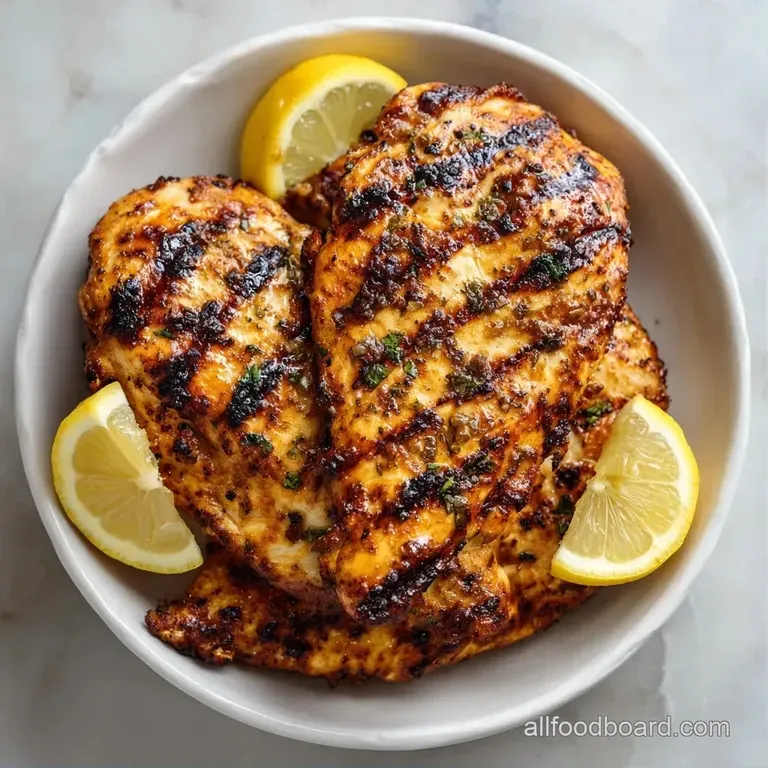
Place the chicken breasts on the grill and close the lid. Cook undisturbed for 6 to 7 minutes per side. You want to see a deep golden brown crust.
Phase 3: The Finish
Check the internal temperature with your thermometer. Pull the meat off the grill once it reaches 165°F (74°C).
Move the chicken to a plate and let it rest for 5 minutes. This lets the juices redistribute so they don't run out the moment you cut into it. Garnish with chopped fresh parsley before serving.
Chef Note: If your chicken breasts vary in thickness, use a meat mallet to pound the thickest part. This ensures the whole piece cooks evenly in those 6 to 7 minutes.
Fixing Common Grilling Issues
When chicken sticks to the grill, it's usually because the grates weren't hot enough or the meat was flipped too soon. If the meat doesn't release naturally, give it another minute. The proteins will naturally release from the metal once the sear is complete.
Troubleshooting Common Issues
| Issue | Solution |
|---|---|
| Chicken rubbery | Rubbery meat happens when you overcook it or marinate it too long. The acid in the lemon juice eventually breaks down the protein structure too much, turning it mushy or rubbery. |
| Why is the chicken sticking | This is usually a temperature issue. If the grill isn't at 400°F, the meat won't sear, and it will bond to the grates. Always preheat for at least 10 minutes. |
| Why did my marinade burn | Since this marinade is oil based and doesn't have high sugar content, it shouldn't burn easily. If it does, your heat is likely too high. Keep it at medium high. |
Fresh Ways To Mix It
If you want a different vibe, you can swap the oregano for thyme and the lemon for orange juice. This gives the dish a sweeter, more autumnal feel. You can also add a tablespoon of honey to the marinade for a bit of a sticky glaze, though this will cause the chicken to brown faster.
For those who prefer a more spicy kick, add a pinch of cayenne or a teaspoon of sriracha to the whisking stage. It doesn't change the cooking time, but it adds a nice heat that pairs well with the smoked paprika.
If you're looking for more grill ideas, a grilled shrimp bowl is a great companion for these chicken breasts if you're hosting a larger group.
Storage And Zero Waste Tips
Store leftover chicken in an airtight container in the fridge for up to 3 days. To reheat, I suggest a splash of water in a pan over medium heat. This steams the meat back to life rather than drying it out in the microwave.
You can freeze cooked chicken breasts for up to 2 months. Wrap them tightly in foil and then put them in a freezer bag. Thaw in the fridge overnight before reheating.
Don't toss the leftover marinade in the bag. While you can't use it as a sauce unless you boil it first, you can use it as a base for a potato salad dressing. Just whisk in a bit of Greek yogurt or mayo to thicken it up.
Great Sides For Chicken
Since these Marinated Grilled Chicken Breasts have a bright, citrusy profile, they need sides that can stand up to the acidity. A grilled corn on the cob with butter and salt is a classic choice. The sweetness of the corn balances the lemon perfectly.
A simple cucumber and tomato salad with a light vinaigrette also works well. The cool crunch of the vegetables provides a nice contrast to the hot, charred meat. If you want something heartier, try some roasted baby potatoes with rosemary.
Right then, you've got everything you need for a dinner that actually works. Just remember the two main rules: don't over marinate and don't flip too early. Let the grill do the hard work, and you'll have juicy, seasoned chicken every single time.
Very High in Sodium
1180 mg 1,180 mg of sodium per serving (51% 51% of daily value)
The American Heart Association recommends a daily sodium limit of 2,300 mg to reduce the risk of hypertension and heart disease.
Tips to Reduce Sodium
-
Reduce Kosher Salt-30%
Cut the kosher salt in half or replace it with a salt free seasoning blend to significantly drop the sodium content.
-
Increase Lemon Juice-10%
Add an extra tablespoon of fresh lemon juice; the acidity mimics the 'zing' of salt, allowing you to use less of it.
-
Amplify Garlic-5%
Increase the minced garlic to 5 cloves to build a deeper savory profile that compensates for reduced salt.
-
Enhance Smoked Paprika-5%
Increase the smoked paprika to provide a bolder, smokier flavor that distracts the palate from lower sodium levels.
-
Load Up on Fresh Herbs
Double the amount of fresh parsley and add more dried oregano to provide natural aroma and complexity.
Recipe FAQs
What should I marinate chicken breasts in before grilling?
Whisk together olive oil, lemon juice, garlic, oregano, onion powder, salt, pepper, and smoked paprika. This specific blend of acidity and savory spices tenderizes the meat while adding a deep, smoky flavor.
How do you grill chicken breasts without drying them out?
Cook to an internal temperature of 165°F and let the meat rest for 5 minutes. Resting allows the juices to redistribute throughout the breast instead of running out on the plate.
Is chicken breast good for diabetics?
Yes, it is an excellent choice. Lean proteins help stabilize blood sugar levels and provide necessary nutrition without adding harmful carbohydrates.
Is grilled chicken breast good for high cholesterol?
Yes, provided you use skinless breasts. Grilling is a heart healthy method that avoids the saturated fats found in frying.
How do you grill chicken breasts to ensure they don't stick?
Preheat the grill to 400°F and lightly brush the grates with vegetable oil. A hot sear prevents the meat from bonding to the metal, ensuring a clean release.
What goes well with grilled chicken breasts?
Pair them with roasted vegetables or a crisp green salad. This protein pairs perfectly with roasted fingerling potatoes for a balanced dinner.
Is it true that you should marinate chicken for 24 hours for the best flavor?
No, this is a common misconception. Marinating for more than 6 hours allows the lemon juice to over process the protein, which can make the texture rubbery or mushy.
Marinated Grilled Chicken Breasts