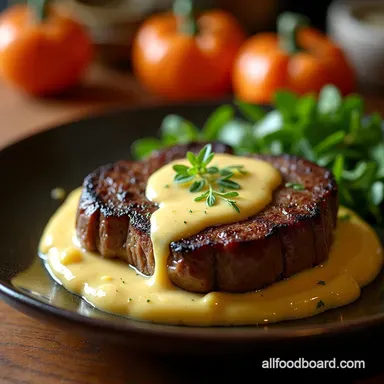
The Proper Sirloin Juicy Steak with Silky Garlic Cream Sauce
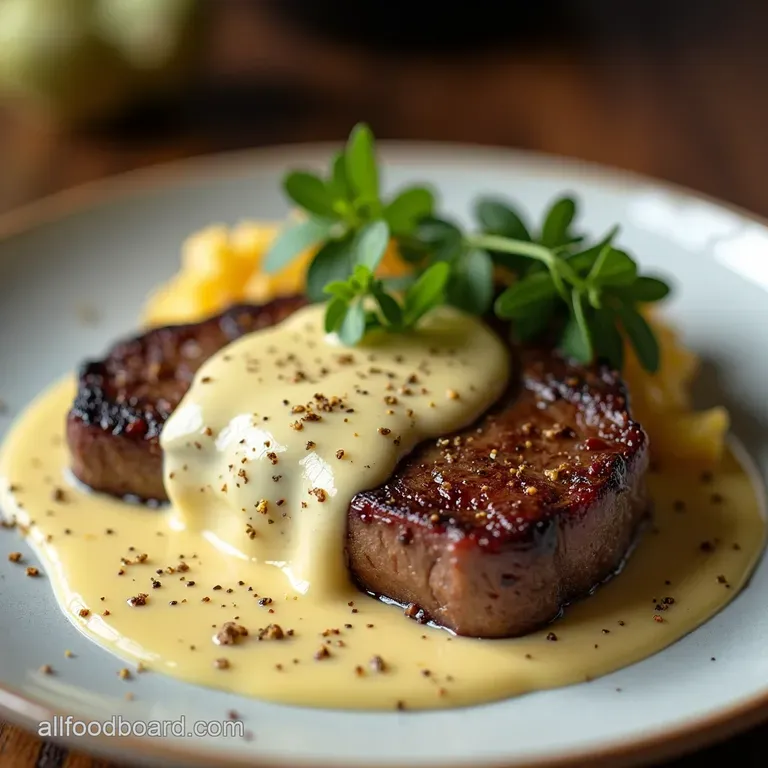
- Elevate Dinner: Achieving Restaurant-Quality Steak at Home
- The Secret to Phenomenal Juicy Steak with Creamy Garlic Sauce
- Gathering the Building Blocks for Flavor
- The Art of the Sear: Creating a Flavorful Crust
- Crafting the Decadent Creamy Garlic Sauce
- Bringing It All Together for Juicy Steak with Creamy Garlic Sauce
- Beyond the Basics: Variations and Troubleshooting
- Frequently Asked Questions
- 📝 Recipe Card
Elevate Dinner: Achieving Restaurant Quality Steak at Home
There is a distinct culinary magic that happens when a perfectly seared steak meets a velvety, rich sauce. It’s the kind of dish that feels indulgent, complex, and undeniably restaurant quality steak , yet the truth is, achieving this mastery in your own kitchen is far more accessible than you might think.
We are aiming for a truly unforgettable main course the kind of showstopper that cements you as the hero of any dinner party. Forget dry, grey disappointments; today, we are focusing on flavour extraction, precise temperature control, and creating the Juicy Steak with Creamy Garlic Sauce that dreams are made of.
This method, which utilizes the residual flavour from searing the meat to build the foundation of the sauce, is the key to transforming a simple piece of beef into a gourmet experience.
The Secret to Phenomenal Juicy Steak with Creamy Garlic Sauce
The success of this meal hinges on two key components working in perfect harmony: a flawlessly cooked piece of beef and a deeply flavourful, emulsified sauce. We are using a technique that ensures the steak retains all its internal moisture while developing an incredible, crunchy exterior crust.
The resulting juicy steak with garlic cream sauce is the epitome of steakhouse luxury, offering a contrast between the robust sear and the silken topping. This combination elevates standard Beef Dinner Recipes into something truly special.
Why This Cut of Beef Reigns Supreme
For this preparation, we are leaning towards the Sirloin or the Ribeye, both roughly 1.5 inches thick. The Sirloin offers a fantastic balance of deep beefy flavour and manageable tenderness, while the Ribeye brings superior marbling, meaning more intramuscular fat melts during cooking, leading to incredible flavour distribution.
The thickness is crucial; thinner steaks cook too quickly to develop a proper sear before overcooking internally. We want time to build that crust while maintaining a beautiful medium rare core, ensuring every bite of your steak in a creamy garlic sauce is tender.
Setting the Stage for Steak Perfection
Before any heat touches the pan, preparation is paramount. The enemy of a good sear is moisture. Therefore, the steaks must be tempered left out of the refrigerator for about 45 minutes prior to cooking to allow them to come close to room temperature.
This prevents the outside from burning while the centre remains frigid. Once tempered, pat them aggressively dry with paper towels. Seasoning should be generous, using coarse sea salt and freshly cracked black pepper applied right before they hit the high heat.
A Luxurious Sauce That Steals the Show
While the steak rests, we pivot to the creamy garlic sauce recipe for steak . This sauce is built directly in the skillet used for searing, capturing all those browned, flavourful bits the fonds —left behind by the beef.
We create a light roux base, deglaze with a sharp white wine to lift those flavour compounds, and then enrich it with heavy cream and Dijon mustard. This forms the best creamy garlic sauce for steak , offering complexity without overshadowing the beef itself.
It’s a Simple Steak Sauce Recipe that delivers profound flavour.
Gathering the Building Blocks for Flavor
A successful dish is built on quality ingredients, particularly when the components are so few. We need ingredients that will perform under high heat and those that will gently melt into a creamy texture.
Preparation time here is about 15 minutes, mostly focused on getting the aromatics ready and ensuring the steak has time to breathe.
The Core Components for the Silky Sauce
For the velvety finish, we rely on high-quality dairy. Heavy cream (at least 35% fat) is essential for achieving that thick, luscious coating that defines a great juicy steak with garlic cream sauce .
We’ll use a tablespoon of unsalted butter to begin the roux, a bit of flour for structure, and minced garlic about three cloves finely chopped to provide the primary aromatic punch. A splash of dry white wine, like a crisp Pinot Grigio, serves as our deglazing agent, introducing necessary acidity.
If you prefer a richer profile or are avoiding alcohol, low-sodium beef or chicken stock works beautifully as a substitute.
Selecting the Ideal Steak Cut and Thickness
As mentioned, we are targeting steaks approximately 1.5 inches thick. For two servings, two 8-ounce portions are ideal. If you find yourself with a leaner cut, like a thicker flank steak, you’ll want to slice it thinly against the grain post resting.
However, for the intended texture of this dish, Sirloin or Ribeye provides the fat content necessary to withstand the high heat sear while keeping the meat tender, making it perfect for keto creamy garlic sauce for steak enthusiasts looking to maximize fat intake.
Pantry Staples for the Perfect Sear
The sear demands fat capable of handling high temperatures without smoking excessively or breaking down. Grapeseed or avocado oil fits this bill perfectly, providing a neutral base that allows the Maillard reaction to take centre stage.
For the basting stage, unsalted butter (about 2 tablespoons), a few sprigs of fresh thyme, and a couple of smashed, unpeeled garlic cloves are added towards the end of the cook. This infuses the butter with aromatic depth that transfers directly onto the steak's surface.
Related Recipes Worth Trying
- The Ultimate Steak Sides Trio Mash Shallots Asparagus — Ditch the boring chips These perfect sides for steakcreamy horseradish mash and sweet balsamic shallotsupgrade your dinner tonight Easy steak sides packed...
- Creamy Garlic Dauphinoise The Best Side Dishes for Steak — Elevate your next steak night These decadent creamy garlic and thyme Dauphinoise potatoes are the perfect restaurantquality side dishes for steak
- Easy Viral TikTok Chicken Cobbler Recipe Creamy Comfort Bake — Skip the fuss This quick TikTok Chicken Cobbler Recipe delivers a rich savoury filling under a fluffy drop biscuit topping Ready in under an hour
The Art of the Sear: Creating a Flavorful Crust
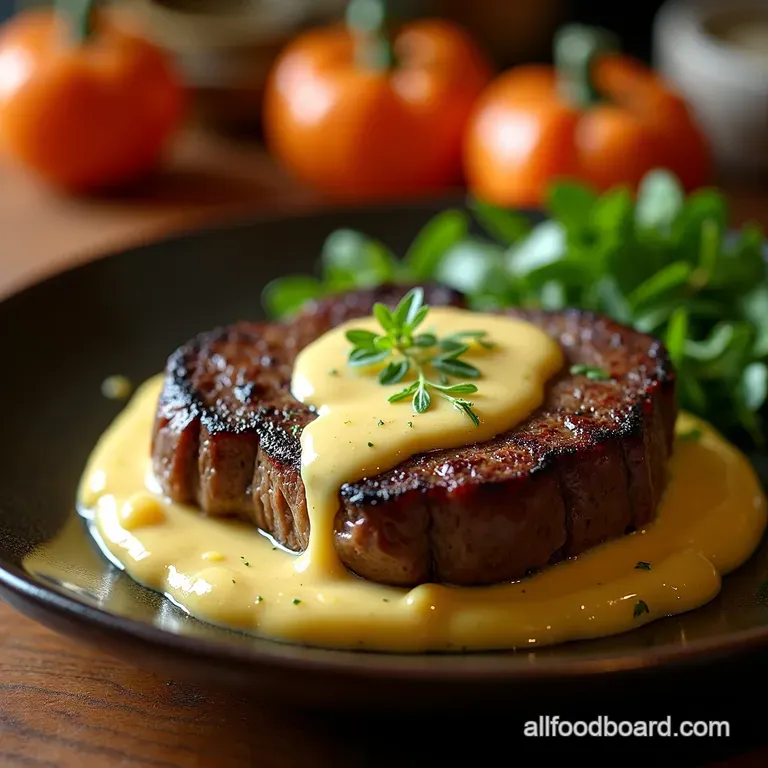
Achieving that coveted, crackling brown exterior is the single most important step in developing flavour for your steak in a creamy garlic sauce . We need a screaming hot, heavy bottomed skillet cast iron is non-negotiable here.
Add your high smoke-point oil and let it heat until it shimmers or just begins to smoke.
Carefully place your seasoned, dry steaks into the pan. Resist the urge to move them! Let them sit, undisturbed, for 3 to 4 minutes. This patience allows the crust to build without tearing. You are looking for a deep, mahogany colour this crust is flavour distilled.
Flip the steak and immediately introduce the basting element: drop in the 2 tablespoons of unsalted butter, the thyme sprigs, and the smashed garlic cloves. Tilt the pan slightly and, using a spoon, continuously baste the foaming, herbed butter over the top surface of the steak for another 1 to 2 minutes, depending on thickness.
Crafting the Decadent Creamy Garlic Sauce
Once the steaks have reached their target internal temperature (pull them about 5 degrees shy of your final goal!), remove them immediately to a clean cutting board to rest. Now, turn your attention to the skillet.
Reduce the heat to medium low we don't want to burn the aromatics and carefully pour off any excess oil, leaving behind only the browned fond clinging to the bottom.
Add the final tablespoon of butter to the pan. Once melted, toss in your finely minced garlic and sauté gently for just 60 seconds until fragrant. Do not let it brown! Immediately whisk in the tablespoon of flour, cooking this mixture the roux for one minute to cook out the raw flour taste.
Next, deglaze by pouring in the white wine, using your wooden spoon to aggressively scrape up all those magnificent browned bits. Let this liquid reduce by half. Finally, slowly whisk in the beef stock and the heavy cream. Stir in a teaspoon of Dijon mustard, which acts as an emulsifier and adds a subtle tang.
Let this simmer gently for 3 to 5 minutes until it thickens enough to coat the back of a spoon. Taste and adjust the seasoning for the best creamy garlic sauce for steak .
Bringing It All Together for Juicy Steak with Creamy Garlic Sauce
The final assembly requires precision, ensuring the steak’s internal temperature peaks perfectly during its crucial rest, and the sauce is ready the moment the meat is sliced.
Preparing the Steak for Maximum Maillard Reaction
As discussed, drying the surface is non-negotiable. The heavy seasoning of salt and pepper ensures that the flavour penetrates deeply and assists in drawing out moisture that creates the sear.
Temperature Control: Hitting That Rosy Pink Center
For the ideal result that pairs best with the rich sauce, aim to pull the steak off the heat when your instant read thermometer registers 125° F ( 52° C) for Medium Rare.
The residual heat will carry it up to about 130° F ( 54° C) while it rests. This is the golden rule for producing a truly juicy steak with garlic cream sauce .
Building the Sauce Base in the Skillet
The use of the same pan ensures a seamless flavour connection between the beef and the topping. By deglazing with wine, you are literally pouring the essence of the seared steak into the sauce, making it the Simple Steak Sauce Recipe that boasts maximum depth.
The Crucial Resting Period for Unbelievable Juiciness
This 10-minute rest is perhaps the most overlooked step in home steak cooking. As the steak cooks, the muscle fibres contract, squeezing moisture to the centre. Resting allows those fibres to relax and reabsorb those juices.
If you slice immediately, those precious liquids escape, resulting in a drier steak, no matter how perfectly cooked it was initially.
Beyond the Basics: Variations and Troubleshooting
Once you master the fundamentals of this rich Beef Dinner Recipes favourite, feel free to play with complementary additions and learn how to course correct if the cooking deviates from the plan.
Wine Pairings That Complement the Garlic Notes
The garlic and Dijon in the sauce beg for a pairing that can stand up to their richness. A full bodied Cabernet Sauvignon, with its dark fruit and tannic structure, complements the beef beautifully.
For white wine drinkers, a lightly oaked Chardonnay offers enough body and buttery notes to harmonize with the cream without clashing with the garlic.
Troubleshooting Common Steak Cooking Mistakes
If your sauce splits or looks grainy, it usually means it was overheated after the cream was added, causing the fats to separate. To save it, remove the pan from the heat immediately, add a teaspoon of cold stock or cream, and whisk vigorously off the heat until it smooths out again.
If your steak isn't searing, your pan was not hot enough, or the surface of the meat was damp; there’s no fixing a steamed steak, so focus on achieving that high heat next time.
Storing Leftover Steak and Sauce Safely
Leftover steak should be thinly sliced against the grain before storage. Store the steak and the keto creamy garlic sauce for steak (or traditional sauce) in separate airtight containers in the refrigerator for up to three days.
When reheating, gently warm the sauce on the stovetop over very low heat. Reheat the steak slices briefly in a dry, hot pan for just 30 seconds per side, or serve cold in a sandwich.
Frequently Asked Questions
How do I make sure my steak is actually juicy, not tough, when cooking this recipe?
The secret to a truly juicy steak with Creamy Garlic Sauce lies in two steps: letting the meat come fully to room temperature before searing, and resting it afterwards for a good 10 minutes.
Resting allows the juices, which concentrate in the centre under high heat, to redistribute throughout the muscle fibre, keeping every bite tender.
My sauce seems split after I added the cream. Is this fixable, and how can I prevent it next time?
A split sauce usually happens if the heat is too high when adding the dairy, causing it to curdle. If it splits, take the pan off the heat immediately and whisk in a tablespoon of cold stock or water vigorously this often brings it back together.
To prevent it, ensure the pan is on low-to-medium heat before adding the cream and bring it to a gentle simmer, not a rolling boil.
Can I use a different cut of beef instead of Sirloin or Ribeye for the Juicy Steak with Creamy Garlic Sauce?
Absolutely, feel free to experiment! New York Strip steak works just as brilliantly as it has good marbling for flavour. If you use a leaner cut like Filet Mignon, just be extra vigilant with your cooking time, as they dry out much faster.
I’m not a fan of wine; what's the best substitute for the white wine in the sauce?
If you’d rather skip the alcohol, a high-quality, low-sodium beef or chicken stock is a great stand-in for deglazing the pan. For an acidic lift that mimics the wine's sharpness, you can add a teaspoon of apple cider vinegar or lemon juice along with the stock, just don't add it too early.
How long can I store leftovers of the steak and the creamy sauce?
It’s best to store the steak and sauce separately in airtight containers in the fridge; they should keep well for up to 2 days. When reheating, gently warm the steak slices in a low oven or pan (don't blast it!) and reheat the sauce on the stovetop until just steaming, adding a splash of water if it has thickened too much.
RestaurantQuality Juicy Steak with Creamy Garlic Sauce