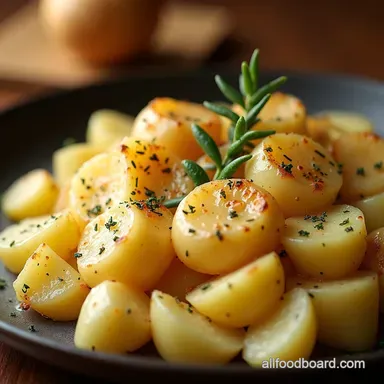
Velvet Dream Classic Creamy Dauphinoise Potatoes with Garlic Thyme
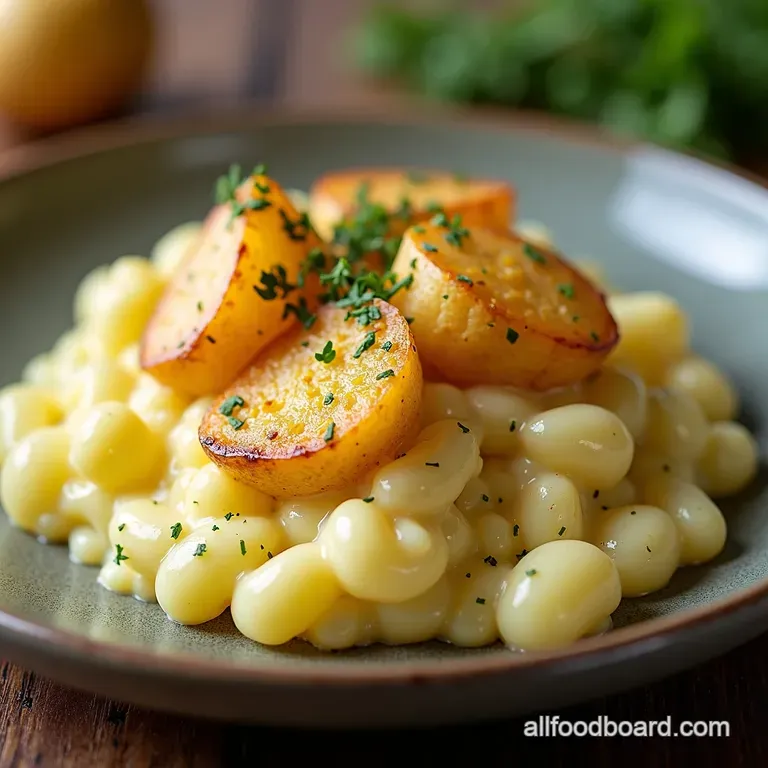
- Elevating Your Steak Night: Introducing the Ultimate Side Dishes for Steak
- Why Creamy Dauphinoise Reigns Supreme Alongside Ribeye
- Gathering the Essential Elements for Richness
- Precise Components for Unforgettable Side Dishes for Steak
- The Method: Transforming Humble Ingredients into Elegance
- Achieving Golden Perfection in the Oven
- Maximizing Flavor and Longevity: Pro Tips
- Frequently Asked Questions
- 📝 Recipe Card
Elevating Your Steak Night: Introducing the Ultimate Side Dishes for Steak
When the butcher hands over a prime cut of ribeye or a magnificent fillet, the main event is clearly established. However, any seasoned chef knows that a truly memorable steak dinner relies heavily on its supporting ensemble.
The best Side Dishes for Steak shouldn't merely fill space on the plate; they must harmonize with the richness of the beef, provide textural contrast, and offer flavour notes that elevate the entire meal.
Moving beyond the obligatory baked potato, we’re looking at dishes that offer refinement, comfort, and that undeniable wow factor that turns a simple meal into an occasion. Exploring what to serve with steak requires a balance: something robust enough for a smoky, grilled flavour profile, yet elegant enough for a pan-seared masterpiece.
We’re setting the stage for culinary success by diving deep into a recipe that embodies this perfect marriage of decadence and tradition.
Why Creamy Dauphinoise Reigns Supreme Alongside Ribeye
Forget your run-of-the-mill mash; this is potatoes doing what they do best being utterly decadent. Hailing from the Dauphiné region of France, these thinly sliced potatoes are slow baked in a rich bath of cream, garlic, and fresh thyme until they form a meltingly tender, golden crusted masterpiece.
This Velvet Dream: Classic Creamy Dauphinoise Potatoes with Garlic & Thyme is the ultimate comfort side, robust enough to stand up to the juiciest steak, yet refined enough for a sophisticated setting.
Achieving this level of perfection requires attention, earning it a Medium difficulty rating, primarily due to the precision needed in slicing and timing, but the effort is undeniably worth the result.
With about 30 minutes of active prep and 75 minutes of cooking, you’ll have enough of this velvety creation to serve 6 to 8 discerning guests.
The Supporting Star: A Rich and Fragrant Potato Profile
The magic of Dauphinoise lies in the slow infusion of flavour into the humble spud. Unlike simple roasted vegetables, this dish becomes creamy not through added thickeners, but through the precise marriage of starch, cream, and time.
When paired with a beautifully charred steak, the richness of the dairy cuts through the fat of the meat, providing a necessary counterpoint. These are certainly among the finest Great Sides For Steak available, demanding centre stage when planning your full Side Dishes for Steak Dinner .
Setting the Stage for a Flawless Main Course
When considering Steakhouse Vegetable Sides , potatoes often take the lead, but Dauphinoise offers textural complexity that few others can match. You get a soft, yielding interior contrasted by that beautifully caramelized, bubbling top crust.
This layered structure means it pairs equally well with steaks cooked over high heat on the grill (consider these fantastic Side Dishes for Steak on the Grill ) or those beautifully seared on a flat top like the Blackstone, making them excellent Steak Sides On Blackstone .
Moving Beyond Simple Sides: True Culinary Partnership
These potatoes are designed to be partners, not just accessories. If you are pondering What To Serve With Steak And Potatoes when you want to elevate the potato component beyond the usual, this recipe is your answer.
It ensures that every mouthful of beef is accompanied by a fragrant, savoury counterpoint, confirming its place as a superior Vegetable With Steak option.
Gathering the Essential Elements for Richness
To achieve this classic French texture and deep, satisfying flavour, we need high-quality core components. The foundation demands potatoes that break down beautifully, paired with dairy that carries aromatic compounds effectively.
For this signature side, we require 3 lbs (1.4 kg) of Russet or Yukon Gold potatoes, peeled for the cleanest presentation, alongside 2 cups (475 ml) of heavy cream and 1 cup (240 ml) of whole milk full-fat dairy is non-negotiable here, as it lends the necessary body to the sauce.
Related Recipes Worth Trying
- Easy Viral TikTok Chicken Cobbler Recipe Creamy Comfort Bake — Skip the fuss This quick TikTok Chicken Cobbler Recipe delivers a rich savoury filling under a fluffy drop biscuit topping Ready in under an hour
- Golden Crusted Chicken Biscuit Cobbler Recipe Easy Comfort Bake — Need a quick family dinner This Southern Chicken and Biscuit Cobbler recipe tops tender chicken in a creamy sauce with fluffy golden biscuits So cosy
- Ultimate Creamy Broccoli Rice Casserole Recipe Homemade Comfort — Ditch the canned soup This Easy Broccoli Rice Casserole uses a homemade cheddar sauce for pure comfort Guaranteed silky texture Get the recipe now
Precise Components for Unforgettable Side Dishes for Steak
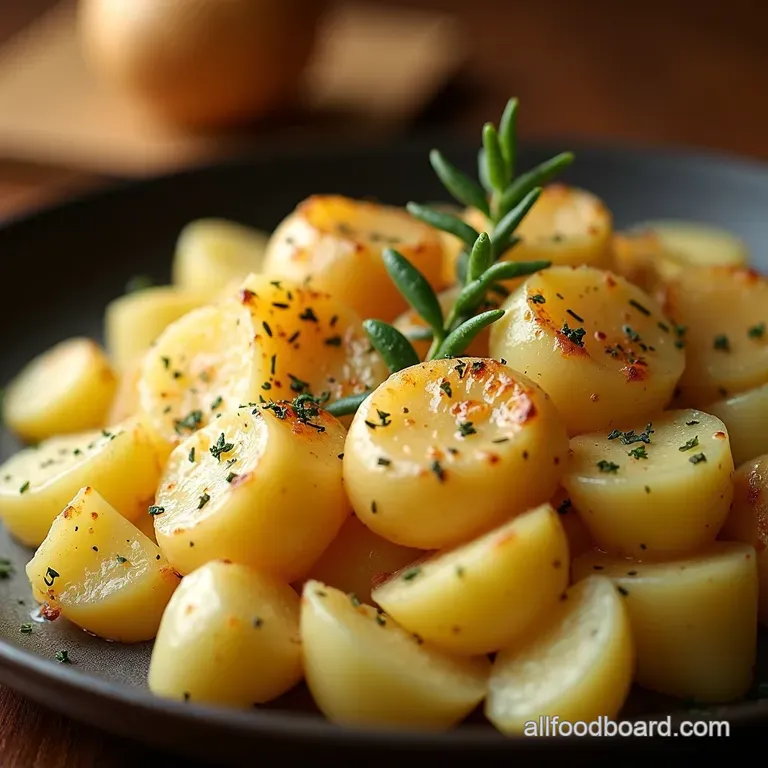
The aromatic profile separates the good Dauphinoise from the truly exceptional. We rely on simplicity executed perfectly, ensuring that when you consider Steak Side Vegetables , the flavour profile remains focused.
Selecting the Best Potatoes for Layering
For the best results, choose a high starch potato like Russet, or the slightly waxier Yukon Gold. The starch released during the slow baking process is what naturally thickens the cream into a luxurious sauce, binding the layers together. We need about 3 lbs (1.4 kg) of these, carefully peeled and prepared.
The Dairy & Aromatics Trio: Cream, Garlic, and Thyme
The infusion stage is critical. We use 2 cups of heavy cream and 1 cup of whole milk, warming them gently. Into this blend goes 3 large cloves of finely minced fresh garlic and 1 tablespoon of fresh thyme leaves.
Crucially, we add 1/4 teaspoon of freshly grated nutmeg; this spice provides an irreplaceable warmth that complements the beef perfectly. Finally, season generously with 1 teaspoon of Kosher or Sea Salt and 1/2 teaspoon of black pepper.
Essential Equipment for a Flawless Bake
While a sharp knife works, achieving the thin, uniform slices needed for even cooking is best done with a mandoline slicer. You will also require a heavy bottomed saucepan for gently heating the cream mixture and a 9x13 inch (23x33 cm) baking dish, generously greased with 1 tablespoon of unsalted butter to prevent sticking and encourage a gorgeous golden base.
The Method: Transforming Humble Ingredients into Elegance
This recipe hinges on patience; we are not aiming for speed, but for luxurious texture. The total time commitment, including resting, settles around 1 hour and 45 minutes, ensuring we respect the slow cooking process required for tender potatoes.
Prepping the Potatoes: Thin Slicing Technique
After peeling, the potatoes must be sliced very thinly aiming for about 1/8 inch (3mm) thick. Uniformity is paramount; if some slices are significantly thicker than others, they will not cook at the same rate, leading to soft spots next to crunchy ones.
This precision is what makes this one of the most revered Steak Side Vegetables .
Infusing the Cream Base: The Aromatic Steep
In your saucepan, combine the cream, milk, garlic, thyme, nutmeg, salt, and pepper. Bring this mixture only to a bare simmer over medium heat it should just start steaming gently then immediately remove it from the heat.
Allowing this to steep for 10 minutes lets the garlic and thyme fully perfume the dairy without curdling it. For the smoothest final product, it’s best to strain this mixture afterwards, discarding the solids, though leaving the thyme in for a more rustic texture is an option.
The Assembly: Layering for Maximum Flavor Distribution
Take your buttered baking dish and begin laying down your first thin, overlapping layer of potato slices. Sprinkle this layer lightly with salt and pepper. Ladle about a quarter of the warm cream mixture evenly over the potatoes.
Continue this process layer, season, pour until all potatoes and liquid are incorporated. The liquid should nearly cover the final layer of potatoes at the top.
Baking Schedule: Low and Slow for Tenderness
Cover the dish tightly with foil and place it into a preheated oven at 375° F ( 190° C). This initial 45 minutes of covered baking creates a steamy environment, forcing the heat deep into the core of the potatoes, ensuring they become utterly tender.
Achieving Golden Perfection in the Oven
Once the potatoes have steamed adequately, it’s time to develop that irresistible crust and ensure the top layer caramelizes beautifully.
Removing the Foil and Browning the Top
After the initial 45 minutes covered, carefully remove the foil. If you desire an extra layer of luxury, this is the moment to sprinkle 1 cup of freshly grated Gruyère or Comté cheese evenly across the surface.
Increase the oven temperature to 400° F ( 200° C), or switch to the broiler if your oven maintains heat well, baking uncovered for another 15 to 20 minutes.
Watch this final stage closely; you are looking for a deep, bubbling, golden brown hue.
Maximizing Flavor and Longevity: Pro Tips
To ensure your Dauphinoise reaches its potential as a premier choice among Side Dishes for Steak , a few expert techniques can be employed.
Troubleshooting: Avoiding Watery Results
The primary reason Dauphinoise becomes watery is using potatoes that have been rinsed, or by adding too much liquid relative to the starch content. Remember: do not rinse the slices . The starch coating must remain to thicken the sauce naturally.
On top of that,, ensure your cream mixture is heated enough to start the cooking process before it enters the oven, rather than relying solely on oven heat to warm up cold liquid.
Storage Solutions and Reheating the Dauphinoise
Leftover Dauphinoise is fantastic often better the next day as the flavours meld further. Store leftovers in an airtight container in the refrigerator for up to three days. Reheat gently, covered with foil, at 350° F ( 175° C) for about 20 minutes.
For a crisp top, uncover for the final five minutes. This makes planning Side Dishes for Steak Dinner for a crowd remarkably simple.
Optional Additions: Cheese Inclusions and Spice Swaps
While the classic recipe relies on just cream and herbs, feel free to mix in grated hard cheese like Parmesan into the liquid mixture for an extra salty kick, or incorporate it into the middle layers.
If you find yourself preparing Steak Side Vegetables during autumn, swap the thyme for finely chopped fresh rosemary and a pinch of ground sage for a distinctly different, woodsy aroma that pairs beautifully with heavier cuts of beef.
Frequently Asked Questions
What are the best healthy alternatives for these Creamy Garlic Dauphinoise Potatoes?
If you're looking to keep things lighter than the full cream version, swap out half the heavy cream for unsweetened evaporated milk or even use low-sodium vegetable broth mixed with a touch of cornstarch to mimic the thickness.
For extra nutrients, try layering in some finely sliced celeriac or sweet potato amongst the white potatoes.
I don't have a mandoline! How thin do the potatoes need to be for the best Side Dishes for Steak?
Don't fret if your gadget drawer is lacking; a very sharp knife will do the trick, though it takes patience! You really want them about 1/8 inch thick (roughly 3mm). If they are much thicker, they won't soften evenly in the cream bath, leaving you with hard bits right in the middle of that luxurious side dish.
Can I prepare these potatoes ahead of time? My guests are arriving late on Saturday!
Absolutely, this is a brilliant make-ahead side dish! You can assemble the entire layered dish (Steps 1 through 5), cover it tightly, and keep it refrigerated for up to 24 hours. Just remember to allow an extra 15-20 minutes of covered baking time before you take the foil off, as it will be cold going into the oven.
My cream mixture looks a bit grainy after simmering have I gone wrong?
It’s quite common if you’ve used too high a heat, though usually only slightly. The trick here is to keep the heat low; you only want a bare simmer, not a rolling boil, to infuse the garlic and thyme flavours.
For a guaranteed velvety finish, always strain the cream mixture through a fine mesh sieve before pouring it over the potatoes, removing any solids.
What’s the absolute quickest alternative side dish that goes just as well with steak?
If you're short on time, you can't beat quick roast garlic green beans or some seriously flavourful chips. For the beans, toss them with olive oil, salt, and pepper, then blast them in a very hot oven (220°C/425°F) for about 12 minutes until slightly charred they offer a lovely fresh crunch to contrast the rich steak.
Creamy Steakhouse Potato Sides