The Great British Pubstyle Turkey Burger Never Dry
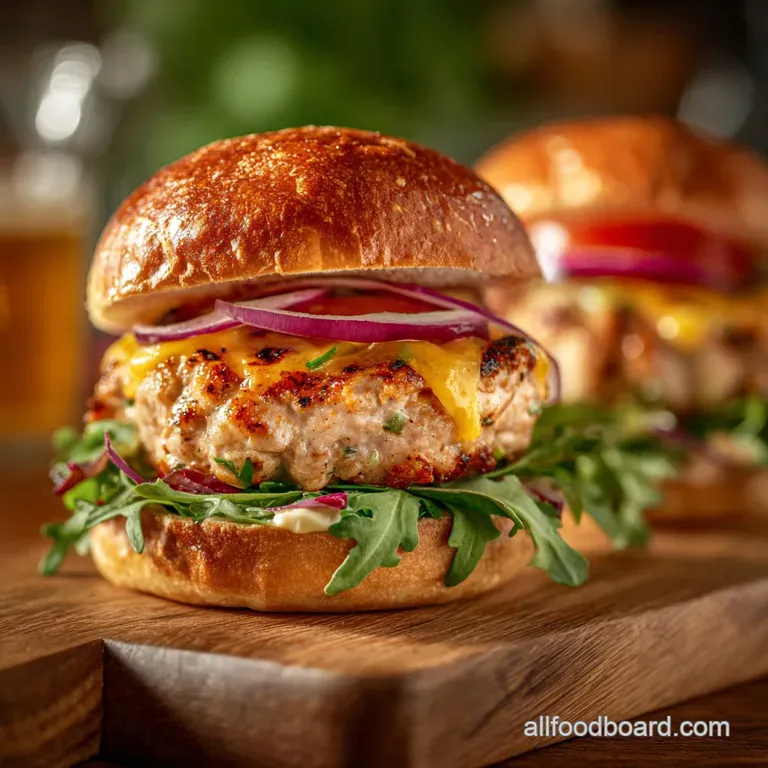
Elevating the Humble: Achieving Juicy Turkey Burgers Every Time
If you’ve ever had a turkey burger that tasted like dry, sad cardboard, you are not alone. For years, I avoided making them at home because I thought it was impossible to achieve that perfect, satisfying juiciness we expect from a beef patty.
The truth is, turkey is inherently lean, but we can absolutely work around that if we understand the science of moisture retention. My secret? A classic pub-style preparation that focuses on building both moisture and deep, savoury flavour right into the patty itself.
The Secret to Succulence: Mastering the Moist Binder
The reason turkey tends to dry out is simple: it lacks the dense, marbled fat of ground beef. Our solution is creating an internal moisture barrier, and for this, we rely on the magical combination of breadcrumbs soaked in milk. This is our binder.
When the Panko soaks up the liquid, it creates little pockets of moisture that won't evaporate quickly under heat. As the burger cooks, these pockets steam internally, keeping the meat fibres soft and tender.
Why Pub-Style Flavours Make the Best Turkey Patties
We aren't just focusing on moisture; we want flavour that jumps off the grill. I love leaning into comforting, robust pub flavours, which means bringing in deep, savoury notes that contrast nicely with the mildness of the turkey.
A good splash of Worcestershire sauce gives us a hit of umami (that deep, meaty flavour), while finely minced sage or thyme adds an earthy warmth that feels instantly familiar and welcoming. This isn't just seasoning; it's a foundation.
Essential Tools for Shaping the Perfect Burger
You don’t need a complicated gadget drawer to make great burgers, but a few key items will genuinely improve your results, particularly when working with soft ground turkey.
- Box Grater: Absolutely essential for pulverizing the onion so it disappears into the mix, releasing flavour without leaving chunks.
- Kitchen Scale: If you want uniformly sized burgers that finish cooking at the exact same time, dividing the mixture by weight is the best way.
- Instant Read Thermometer: Non-negotiable for poultry. It ensures your turkey is safe (165°F) without being overcooked by a single degree.
The Full Pantry: Components for the Ultimate Pub Turkey Burger
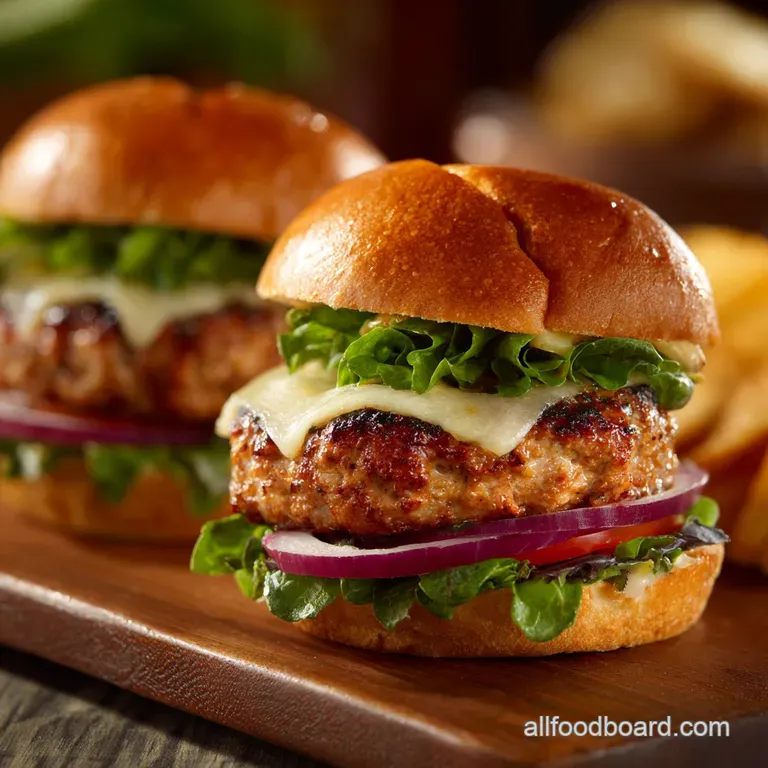
When dealing with a mild protein like turkey, every single ingredient needs to pull its weight. We are building complexity from the ground up, starting with careful selection and preparation of our aromatics and seasonings.
Unlocking Depth: Key Aromatics and Worcestershire Umami Boost
This is where technique meets flavour. We're grating the onion, not chopping it. Why? When you grate the onion, it breaks down the cell walls completely, releasing intense flavour and incorporating so finely that the meat mixture stays smooth.
If you chop the onion, the chunks retain water and prevent the patty from binding properly. The Worcestershire sauce acts as our flavour bridge; it’s fermented, acidic, and wonderfully salty, adding a profound depth that takes these turkey burgers out of the diet aisle and onto the gourmet plate.
Choosing Your Grind: Why Lean Turkey isn't Always Best
When buying ground turkey, I know the impulse is to reach for the 99% fat-free option. Resist! That ultra lean meat is the fastest way to get a dry, tough burger. To ensure enough inherent moisture, I always recommend looking for 90% lean ground turkey.
That 10% fat melts slowly during cooking, contributing directly to the final juicy texture.
| Grind Type | Fat Percentage | Best Use | Why it matters |
|---|---|---|---|
| Ultra Lean | 99% | Meatballs, chilli | Quick drying, poor burger texture |
| Lean | 90% | Burgers, loaf | Ideal balance for juiciness and stability |
| Standard | 85% | Turkey sausage, heavy frying | Rich flavour, holds moisture well |
Beyond the Bun: Recommended Toppings and Condiments
Since our patty is savoury and slightly earthy, we want toppings that offer tang and texture. I find a sharp cheese, like an aged white Cheddar, melts perfectly and cuts through the richness.
Instead of plain mayo, try mixing your mayonnaise with a pinch of smoked paprika or a squeeze of lemon and some finely chopped chives. Toasting the bun is non-negotiable it provides structural integrity and that satisfying crunch when you take a bite.
Related Recipes Worth Trying
- Juicy Olive Oil Roast Turkey Mediterranean Lemon Herb — Ditch dry turkey This roast turkey with olive oil recipe is bursting with Mediterranean flavor Lemon garlic herbs create crispy skin juicy meat Get the easy...
- Ground Turkey Taco Bowls with Cauliflower Rice Fiesta — Ditch the tortillas These Ground Turkey Taco Bowls with Cauliflower Spanish Rice are a healthy flavourpacked fiesta Easy quick and lowcarb Get the recipe
- Autumn Cannelloni Turkey Sweet Potato Kale Delight — Craving comfort Try my Turkey Sweet Potato and Kale Cannelloni This autumn twist on a classic is surprisingly easy delish Get the recipe now
step-by-step Blueprint for Preparing and Cooking These Turkey Burgers
The preparation of turkey patties requires a little more finesse than beef, mainly because we need to treat the delicate protein structure gently. These steps ensure your burgers are perfectly formed and cooked through without losing their precious moisture.
The Gentle Art of Blending: Avoiding Overworking the Meat
When you introduce all the flavour builders the soaked Panko, the grated aromatics, and the spices to the ground turkey, you need a light hand. Use cold hands, and mix the ingredients just until everything is combined.
If you knead or squeeze the mixture too forcefully or for too long, you are developing the protein strands (gluten) in the meat, which results in a dense, springy, and ultimately tough burger. Think of yourself as folding ingredients together, not making bread dough.
Pro Technique: Creating the Burger Dimple for Even Cooking
This is a professional trick I rely on whether I'm grilling turkey or beef. When meat cooks, the outer edges set first, and the centre expands and bulges. This creates a dome shaped patty that throws off your bun-to-burger ratio and prevents toppings from sitting flat.
Use your thumb to create a shallow, quarter inch depression directly in the centre of the raw patty. This dimple accounts for the central expansion, ensuring the burger cooks into a flat, level disc.
The Searing Stage: Achieving that Crisp Pub-Style Exterior
For a fantastic burger, we need that crust that wonderful, crisp, caramelised exterior that screams flavour. To achieve this, we need high, dry heat at the beginning. Place the patties on a hot, oiled skillet or grill, and resist the urge to move them for the first five minutes.
That time is dedicated to the Maillard reaction, the chemical process that gives us that deep, mahogany colour and complex, savoury taste. Once you flip them, reduce the heat slightly to allow the inside to finish cooking without burning the crust you just built.
The Critical Five Minutes: Why Resting the Turkey Patties Matters
Once the turkey burger hits 165°F (74°C) internal temperature, immediately pull it off the heat and transfer it to a cutting board or plate. Tent it loosely with foil and let it rest for five minutes before serving. This step is vital.
During cooking, the muscle fibres contract and push the internal juices to the centre. Resting allows those juices to redistribute evenly throughout the patty. Skip this step, and the moment you bite down, all that hard won moisture will simply run out onto the plate.
Troubleshooting, Storage, and Global Variations on Turkey Burgers
A great recipe is flexible and forgiving. Here are my best tips for planning ahead and making these burgers work for any dietary need or international flavour profile.
Prep Ahead: Safe Freezing and Thawing of Uncooked Patties
These patties freeze beautifully, making them perfect for meal prepping or unexpected BBQ gatherings. After forming the patties and creating the dimple, stack them between small squares of parchment paper. Place the stack in a freezer safe bag or air-tight container. They can be frozen for up to three months.
To cook, thaw them overnight in the refrigerator, then proceed with the chilling and searing steps outlined above. Never thaw poultry on the counter.
Making it Your Own: gluten-free and Low-Carb Swaps
If you need to make these turkey burgers gluten-free, simply swap the Panko breadcrumbs for a gluten-free breadcrumb alternative, or use a tablespoon of psyllium husk mixed with water as your binder.
For a low-carb option, skip the bun entirely and serve the patty wrapped in large leaves of butter lettuce, or sliced over a large salad with plenty of avocado and vinegar based dressing.
Quick Flavour Swaps: From Spiced Thai to Mediterranean Feta
While I love the pub flavour profile, the base turkey patty is a blank canvas. Here are two easy ways to dramatically change the direction of your burger:
- Spiced Thai: Swap the Worcestershire and sage for 1 tablespoon of red curry paste, the zest and juice of half a lime, and a tablespoon of fresh cilantro. Top with a peanut sauce.
- Mediterranean Feta: Mix in 1/4 cup of crumbled feta cheese, 1 teaspoon of dried oregano, and 2 tablespoons of finely chopped sundried tomatoes (drained well). Serve with tzatziki.
Doneness Guaranteed: Checking the Internal Temperature
I cannot stress this enough: for food safety and optimal texture, a meat thermometer is your friend. Turkey needs to reach an internal temperature of 165°F (74° C) .
Stick the thermometer into the side of the patty, aiming for the dead centre, avoiding any cheese you might have melted on top. As soon as you hit that target, pull them off. This guarantees a safe, moist, and perfectly cooked turkey burger every time.
Recipe FAQs
My turkey burgers always end up drier than the Sahara! How do I keep them juicy?
The key is the soaked Panko binder and the finely grated onion used in this recipe, which work together to lock moisture inside the patty; crucially, ensure you pull the burger off the heat the moment it hits 165°F (74°C).
I'm hosting a BBQ; can I prep these Turkey Burgers ahead of time, or even freeze them?
Absolutely, you can prep the patties up to 24 hours in advance and keep them chilled, or freeze the uncooked patties individually wrapped for up to three months just ensure they are defrosted thoroughly in the fridge before cooking.
I haven't got a meat thermometer. Is there a safe way to tell if poultry is cooked through?
While a thermometer is best practice for poultry, the juices should run completely clear when you pierce the thickest part of the burger; however, if the meat still looks even slightly pink inside, pop it back on the heat better safe than sorry, eh?
I need to cater for gluten-free guests. Can I skip the Panko breadcrumbs in the mix?
Yes, you can substitute the Panko with a tablespoon of psyllium husk mixed with three tablespoons of water, or simply use 1/4 cup of finely grated Parmesan cheese, which also helps bind the mixture beautifully.
What's a quick way to give these turkey burgers a more exciting, British inspired topping?
For a proper pub lunch feel, try adding a spoonful of Branston Pickle or a dash of HP sauce to your mayo, and always top the cooked patty with a thick slice of mature vintage Cheddar.
Juicy Pubstyle Turkey Burgers
Ingredients:
Instructions:
Nutrition Facts:
| Calories | 1339 kcal |
|---|---|
| Protein | 9.3 g |
| Fat | 28.3 g |
| Carbs | 21.1 g |
| Fiber | 2.1 g |
| Sugar | 7.3 g |
| Sodium | 265 mg |
