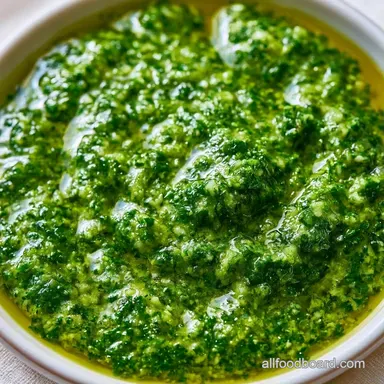
Pesto Dressing in 10 Minutes
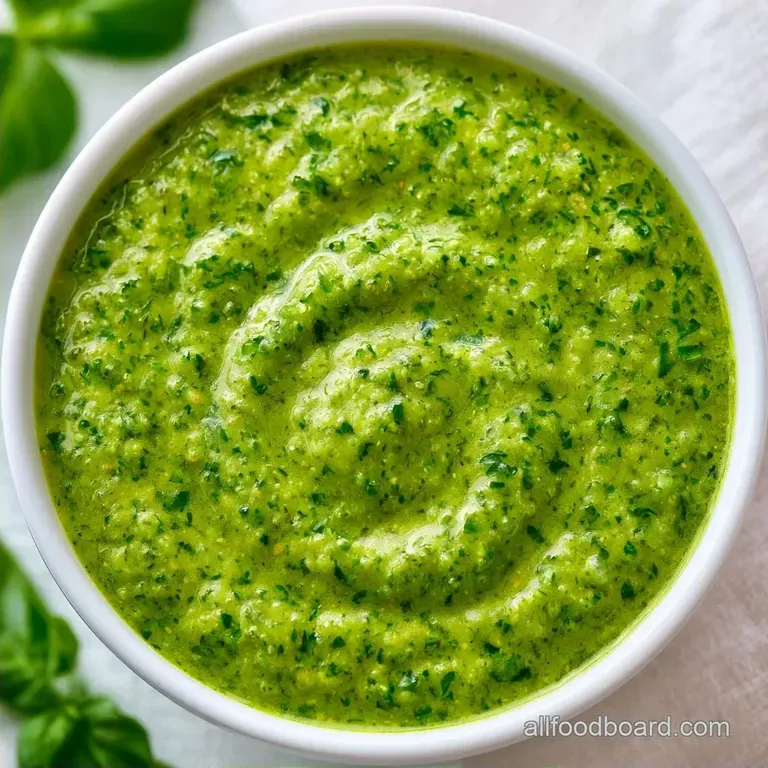
- Time:10 minutes active
- Flavor/Texture Hook: Zesty, herbaceous, and smooth
- Perfect for: Cold pasta salads, meal prep, or weeknight greens
The aroma of fresh basil instantly evokes the feeling of summer. I once attempted to whip up a fast sauce for a garden salad by simply mixing jarred pesto with olive oil, but it was a total failure. The oil wouldn't emulsify, leaving the leaves greasy and the taste overwhelmed by salt and raw garlic.
After spending a few weekends testing various acids and stabilizers, I discovered that balance is key. To get a dressing that actually sticks to the ingredients, you need a binder rather than just adding more oil. This version achieves that perfect grip, delivering a vibrant, punchy taste without any heaviness.
It's an affordable way to transform simple greens into a bistro quality meal. Regardless of whether you opt for a premium basil pesto or a convenient store-bought jar, the touch of lemon and maple syrup helps smooth out the flavors.
Why This Version Works
The Mustard Glue: Dijon mustard contains natural stabilizers that keep the oil and pesto from splitting. Serious Eats' testing shows that using a mustard base helps create a stable blend that won't separate in the fridge.
Acid Balance: Fresh lemon juice provides a sharp contrast to the heavy Parmesan and pine nuts. If you're making the base from scratch, my Classic Basil Pesto Recipe is a great starting point to ensure the flavors are balanced before you turn it into a dressing.
Sweetness Note: A tiny bit of maple syrup isn't meant to make it taste like pancakes. It just cuts the bitterness of the raw basil and the sharp tang of the lemon.
| Approach | Prep Time | Texture | Best For |
|---|---|---|---|
| Fast (Jarred) | 5 mins | Thicker, consistent | Quick weeknight salads |
| Classic (Fresh) | 15 mins | Brighter, coarser | Special guests, fresh herbs |
Making a Fresh Pesto Dressing
This version is designed for efficiency. Most people think they need a blender or a food processor for a Pesto Dressing, but a simple mason jar does the job better. Shaking the ingredients by hand allows you to feel the texture change as the oil incorporates.
I usually make a double batch of this Pesto Dressing because it's so versatile. It doesn't just sit on salads. I've used it as a dip for raw vegetables or as a quick marinade for shrimp. Because we're using simple ingredients, it stays affordable even if you're feeding a crowd.
Ingredient Deep Dive
| Ingredient | What It Does | Best Swap |
|---|---|---|
| Basil Pesto | Provides the herb and garlic base | Walnut pesto (adds earthiness) |
| Olive Oil | Adds richness and body | Avocado oil (neutral taste) |
| Dijon Mustard | Binds the oil and acid | Whole grain mustard (adds texture) |
| Lemon Juice | Cuts the fat and adds brightness | White wine vinegar (sharper tang) |
Tools for the Job
No special equipment is required here. While a small bowl and whisk get the job done, I highly suggest using a mason jar with a secure lid. It speeds up the process and makes cleanup nearly instant.
If you are preparing a larger batch, a handheld frother can help remove any lumps from the pesto. Just ensure your jar is large enough to leave some headspace, otherwise you won't have enough room to shake the Pesto Dressing vigorously.
How to Make It
Combining the Base
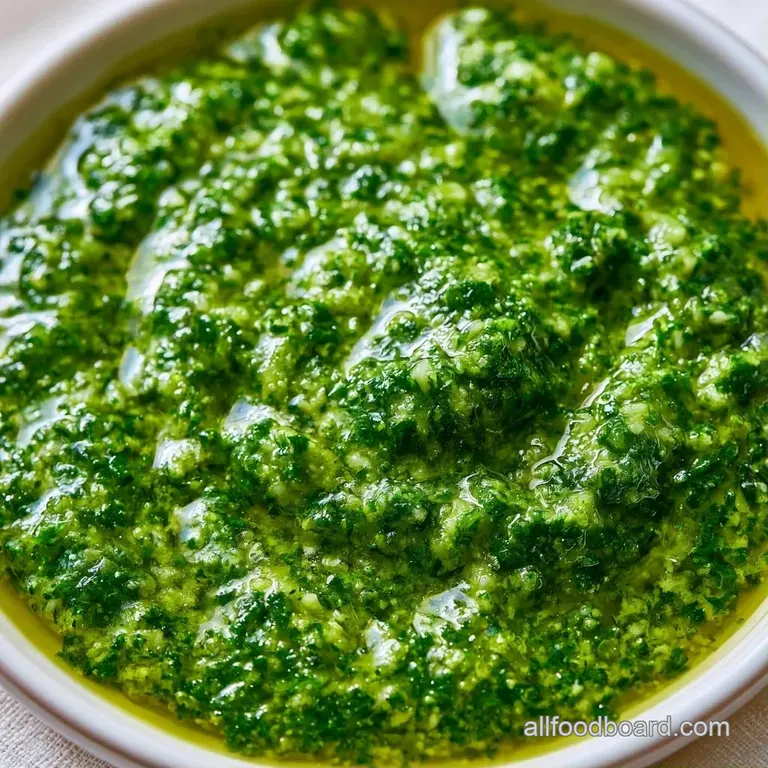
Combine the basil pesto, Dijon mustard, and maple syrup in a mason jar or small mixing bowl. Stir these together until a thick, uniform paste forms. Note: Getting a smooth paste now prevents clumps of mustard in the final sauce.
Emulsifying the Oil
Slowly pour in the extra virgin olive oil. If using a jar, seal the lid and shake vigorously for 30 seconds; if using a bowl, whisk rapidly in one direction until the Pesto Dressing is smooth and velvety.
Adjusting the Flavor
Stir in the fresh lemon juice, salt, and cracked black pepper. Taste with a salad leaf until the flavor is bright and balanced. Note: Always taste with a leaf rather than a spoon to get a real sense of how it interacts with the greens.
Fixing Common Issues
Should your Pesto Dressing appear separated, there's no need to worry. This typically occurs when the oil is added too quickly or when the ingredients are at vastly different temperatures. You can usually rescue the sauce by whisking in a small amount of warm water to help the fats re-emulsify.
If the garlic in the pesto is too intense, it can drown out the lemon. I've found this to be common with certain store-bought brands. A little extra salt or another squeeze of lemon typically helps neutralize the harshness.
Fixing a Split Sauce
If oil droplets are floating on the surface, the emulsion has broken. Simply add one teaspoon of warm water and whisk or shake again.
Taming Strong Garlic
If the garlic punch feels too aggressive, stir in a tiny bit more lemon juice or maple syrup.
| Problem | Fix |
|---|---|
| Separated oil | Whisk in 1 tsp warm water |
| Too salty | Add 1 tbsp more olive oil |
| Too tart | Add 1/2 tsp maple syrup |
Serving Suggestions
This Pesto Dressing is a fantastic match for a cold pasta salad with cherry tomatoes, mozzarella pearls, and sliced olives. The oil in the Pesto Dressing coats the pasta and prevents it from sticking together as it cools.
It's also a killer spread for a Chicken Pesto Panini. Instead of using plain mayo, brush this on the inside of the bread before grilling. The lemon juice in the sauce cuts through the melted cheese beautifully.
For a lighter option, drizzle the Pesto Dressing over grilled asparagus or roasted cauliflower. It adds a punch of flavor without needing a heavy cream sauce.
Decision Shortcut: Thicker texture? → skip 1 tbsp oil More tang? → add 1 tsp lemon zest Sweeter profile? → add 1/2 tsp maple syrup
Storage Guidelines
Store your Pesto Dressing in a sealed jar and keep it chilled for 5 days maximum. The fresh lemon juice and oil provide stability, though the basil may lose its bright green color over time. This is simply oxidation and doesn't affect the taste.
Before serving, give the jar a vigorous shake, as some separation is typical after a few days in the cold. To reduce waste, top off any remaining pesto jars with this dressing to keep the leftovers fresher and ensure you use every drop. Additionally, freeze your lemon rinds in a bag for future zesting.
Dietary Adaptations
To make a vegan version of this Pesto Dressing, simply use a vegan pesto (typically one without parmesan). Since the other ingredients are already plant based, no further modifications are needed.
If you have nut allergies, try a pesto made with pumpkin or sunflower seeds. This preserves the creamy texture of the Pesto Dressing while removing pine nuts or walnuts from the equation.
You can also replace the basil with spinach or arugula pesto. A Pesto Dressing based on arugula offers a peppery, bitter flavor that pairs beautifully with goat cheese or sliced pears.
Substitution Guide:
| Original Ingredient | Substitute | Why It Works |
|---|---|---|
| Maple Syrup (1 tsp) | Honey (1 tsp) | Similar sweetness. Note: Honey is thicker and slightly more floral |
| Olive Oil (1/4 cup) | Grapeseed Oil (1/4 cup) | Very neutral. Note: Lacks the fruity notes of olive oil |
| Lemon Juice (2 tbsp) | Apple Cider Vinegar (2 tbsp) | Same acidity. Note: Adds a slightly fermented, fruity tang |
This Pesto Dressing is an easy way to incorporate Italian inspired flavors into your daily meals. It's quick, budget friendly, and tastes significantly fresher than anything in a plastic bottle. Once you try this homemade version, you'll find it far superior to any store-bought alternative.
Recipe FAQs
How to turn pesto into a dressing?
Whisk basil pesto, Dijon mustard, and maple syrup before slowly adding olive oil. Shake or stir the mixture until it becomes smooth and velvety, then finish with lemon juice, salt, and pepper.
What exactly is pesto salad dressing?
A lighter, pourable version of traditional pesto. It incorporates acidity from fresh lemon juice and an emulsifier like Dijon mustard to make it suitable for tossing with greens.
Which secret ingredient balances the flavor?
Maple syrup. A small amount cuts through the sharp acidity of the lemon and the saltiness of the basil pesto for a more rounded taste.
Is it true that only basil, garlic, and oil are needed for a dressing?
Not true. While those ingredients make a great paste, a dressing requires an acid like lemon juice and an emulsifier to prevent separation and add tang.
Can this dressing be a healthy option?
Yes, by relying on heart healthy extra virgin olive oil. The recipe uses fresh herbs and citrus, avoiding the processed sugars found in store-bought versions.
Do leftover dressings work elsewhere?
Drizzle it over a fresh salad or use it as a marinade. If you enjoyed the vibrant profile here, it pairs beautifully with Caprese stuffed chicken.