Homemade Chicken Soup: Velvety and Tender
- Time: Active 15 minutes, Passive 70 minutes, Total 85 minutes
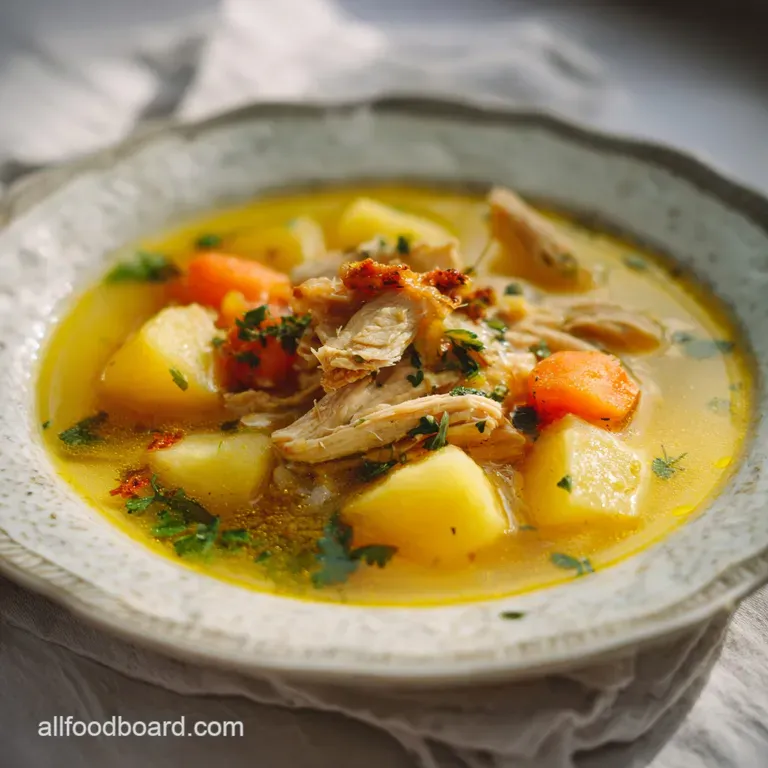
- Flavor/Texture Hook: Silky golden broth with tender shredded chicken and bright citrus notes
- Perfect for: Cold weather recovery, family Sunday dinners, or batch prep wellness meals
- Making the Best Chicken Soup Recipe
- Why This Golden Broth Works
- Picking the Best Fresh Ingredients
- Using the Right Kitchen Tools
- Easy Step by Step Instructions
- How to Fix Common Errors
- Tasty Twists and Recipe Variations
- Scaling for Large Families
- Debunking Old Broth Myths
- Storage and Leftover Care Tips
- Best Sides for Soup Night
- Very High in Sodium
- Recipe FAQs
- 📝 Recipe Card
Making the Best Chicken Soup Recipe
Long before it was a staple in plastic containers at every deli, chicken soup was known across many cultures as "Jewish Penicillin" or the ultimate restorative tonic. In Eastern Europe, grandmothers would spend hours hovering over wood fired stoves, watching for the very first bubble to break the surface of the pot.
It wasn't just a meal; it was a slow motion extraction of everything good minerals from bones, sweetness from root vegetables, and the comforting warmth of a home that smells like simmering thyme.
When you make a chicken soup recipe from scratch, you aren't just boiling water and meat. You are conducting a gentle thermal exchange. I remember the first time I rushed it, turning the heat to a rolling boil because I was hungry and impatient.
The result was a cloudy, greasy liquid and chicken that felt like chewing on dry string. That mistake taught me the most valuable lesson in the kitchen: heat is a tool, not just a setting.
This version skips the fancy techniques in favor of what actually works in a busy home kitchen. We're using bone in thighs for maximum flavor and a few humble root vegetables that hold their shape.
The addition of a parsnip often the forgotten cousin of the carrot adds a subtle peppery sweetness that makes people ask, "What is that hidden flavor?" It’s simple, reliable, and tastes like someone actually cares about your well being.
Why This Golden Broth Works
Understanding the physics of the pot helps you avoid the most common pitfalls of a bland or greasy soup. It’s not about being a scientist; it’s about watching how the ingredients react to the water.
- Collagen Extraction: Using bone in, skin on thighs allows the connective tissue to break down into gelatin over the 70 minutes of cooking, giving the broth a velvety mouthfeel that lean breast meat simply can't provide.
- The Cold Start: Beginning with cold chicken stock or water allows the proteins in the meat to dissolve and then coagulate slowly as the heat rises. This makes it easier to skim off the gray foam, resulting in a crystal clear liquid.
- Osmotic Balance: By salting the water at the beginning, we ensure the seasoning penetrates deep into the chicken fibers rather than just sitting on the surface of the broth.
- Acid Brightness: Adding lemon juice at the very end doesn't make the soup sour; it acts as a flavor anchor that "wakes up" the heavy fats and earthy root vegetables.
| Method | Time | Texture | Best For |
|---|---|---|---|
| Stovetop | 85 minutes | Silky, clear broth | Controlling tenderness |
| Slow Cooker | 6 hours | Deep, dark color | Set and forget days |
| Pressure Cooker | 35 minutes | Very soft veggies | Last minute cravings |
Choosing the right method depends on your schedule, but the stovetop version remains the gold standard for clarity. If you are looking for a slightly different texture profile, you might want to see how this compares to a Garlic Noodle Soup which uses a faster infusion method. Both are incredible, but the Dutch oven allows for better skimming of impurities.
Picking the Best Fresh Ingredients
The soul of this chicken soup recipe lives in the quality of your aromatics. Since we aren't using a cabinet full of spices, each vegetable has to pull its weight.
For the Aromatic Foundation
The "holy trinity" of Western cooking onion, carrot, and celery forms the base. I prefer a large yellow onion because its higher sugar content caramelizes slightly even in simmering liquid.
Keeping the onion halved rather than diced during the initial broth building phase allows it to release flavor without clouding the water with tiny bits of onion fiber.
For the high-quality Protein
We are using 2 lbs of bone in, skin on chicken thighs. Thighs are the hardworking muscles of the bird, meaning they have more myoglobin and fat than the breasts. This fat is where the flavor lives.
As the chicken simmers for 70 minutes, the skin releases its oils, creating those beautiful golden "eyes" on the surface of your soup.
For the Finishing Touches
Fresh Italian parsley and lemon juice are non negotiable. Dried parsley tastes like nothing, and bottled lemon juice lacks the volatile oils found in fresh zest and juice. These two ingredients transform a heavy, savory dish into something vibrant and fresh.
| Ingredient | Science Role | Pro Secret |
|---|---|---|
| Chicken Thighs | Gelatin & Fat source | Keep skin on during simmer for richer body |
| Parsnip | Complex sweetness | Adds a woody, honey like depth that carrots lack |
| Lemon Juice | pH Balancing | Cuts through the heaviness of the chicken fat |
The parsnip is my secret weapon. While carrots provide a straightforward sugar hit, the parsnip offers an earthy, almost spicy undertone. If you’ve never cooked with them, they look like white carrots but have a much denser, creamier texture once simmered.
Using the Right Kitchen Tools
You don't need a pantry full of gadgets to master this chicken soup recipe, but the quality of your pot matters. A 6 quart heavy bottomed Dutch oven, like one from Lodge or Le Creuset, is the ideal vessel because it distributes heat evenly.
Thin stainless steel pots often have "hot spots" at the bottom where the vegetables might scorch if the heat is even a fraction too high. A heavy lid is also crucial; it keeps the evaporation to a minimum, ensuring your 8 cups of stock don't turn into 4 cups of salty concentrate.
Aside from the pot, a fine mesh skimmer is your best friend. As the chicken reaches that first simmer, a gray, cloudy foam will rise to the top. These are just denatured proteins, and while they won't hurt you, they make the soup look muddy.
A quick skim every few minutes during the first quarter of the cook time is the difference between a "good" soup and a "chef level" soup.
Easy step-by-step Instructions
- Place the 2 lbs of chicken thighs, the halved yellow onion, 4 cloves of smashed garlic, 1 bay leaf, and 1 tsp of peppercorns into your Dutch oven.
- Pour 8 cups of cold chicken stock over the ingredients, ensuring the chicken is fully submerged. Note: Starting cold is the secret to a clear broth.
- Set the heat to medium high and watch closely. As the liquid reaches a gentle simmer, you will see gray foam surfacing.
- Use your fine mesh skimmer to remove that foam. Do this for about 5 minutes until the surface stays mostly clear.
- Drop in your 3 sliced carrots, 3 stalks of celery, the diced parsnip, and 2 tsp of sea salt.
- Turn the heat down to low. You want a "lazy simmer"—until you see only one or two bubbles surfacing every few seconds.
- Simmer uncovered for 35–45 minutes until the chicken reaches 165°F (74°C) and the vegetables are tender when pierced with a fork.
- Lift the chicken thighs out into a bowl and let them cool for 5 minutes.
- Shred the meat with two forks, discarding the bones and skin. The meat should pull apart effortlessly.
- Stir the shredded meat back into the pot with 0.5 cup of chopped parsley and 1 tbsp of lemon juice. Taste and add salt until the flavors pop.
Chef's Tip: Don't boil the chicken! If the water is boiling aggressively, the muscle fibers will seize up and become tough. Keep it at a "lazy simmer" where the surface barely ripples.
How to Fix Common Errors
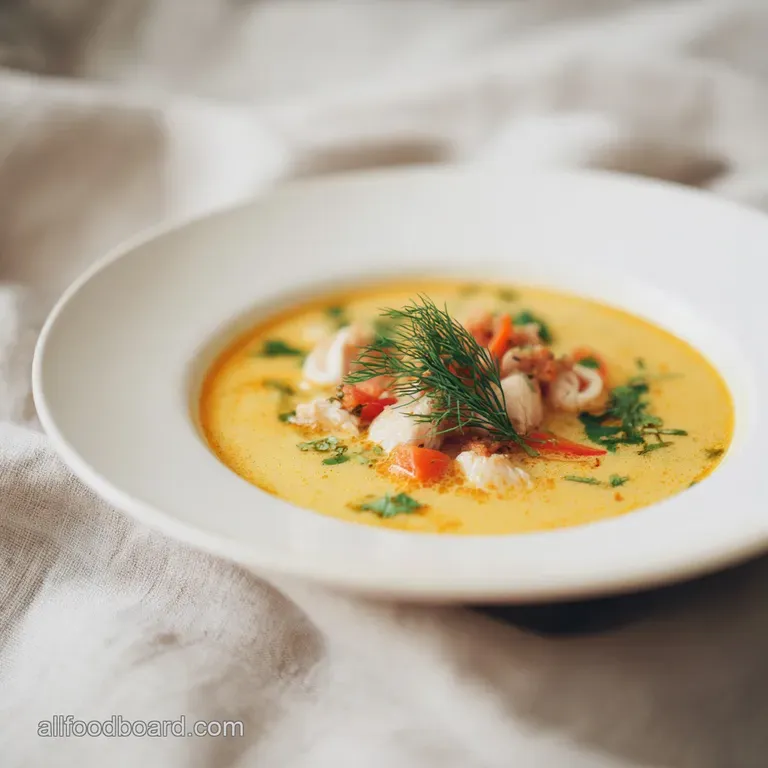
Even with a simple chicken soup recipe, things can go sideways. The most frequent complaint I hear is that the broth tastes "thin" or like "hot vegetable water." This usually happens if you didn't use enough salt or if the chicken wasn't simmered long enough to release its gelatin.
If Your Broth Looks Clouded
Cloudy broth is usually the result of a rolling boil. When the water moves too fast, it emulsifies the fat and proteins into the liquid. It still tastes fine, but it lacks that jewel like clarity. To fix this next time, keep the heat lower.
If it's already cloudy, you can try straining it through a coffee filter, though that’s a lot of work for a weeknight!
If Flavor Feels Flat
If you follow the recipe and it still feels like it's missing "something," it’s almost always salt or acid. Add another half teaspoon of salt and another squeeze of lemon. Salt doesn't just make things salty; it unlocks the aromas of the thyme and garlic. If you want a more substantial meal with a similar base, try making Hearty Chicken and Dumplings which uses a thicker, creamier base to carry the flavors.
| Problem | Root Cause | Solution |
|---|---|---|
| Greasy surface | Too much skin/fat | Chill soup and scrape off the hardened top layer |
| Mushy vegetables | Added too early | Add carrots/celery only after the first foam skim |
| Tough chicken | Boiled too hard | Maintain a "lazy simmer" (approx. 190°F / 88°C) |
Common Mistakes Checklist:
- ✓ Never skip the "cold start" with your stock or water.
- ✓ Pat the chicken dry only if you were searing (we aren't here, so skip it!).
- ✓ Don't use a lid during the initial foaming stage; it makes skimming harder.
- ✓ Keep the heat low enough that you could count the bubbles.
- ✓ Always add the fresh herbs at the very end to preserve their bright color.
Tasty Twists and Recipe Variations
The beauty of this chicken soup recipe is its flexibility. Once you have the golden broth down, you can pivot in several directions depending on what's in your fridge.
- The Ginger Defense: If you’re feeling under the weather, add 2 inches of sliced fresh ginger at the beginning. It adds a gentle heat that clears the sinuses.
- Green Goddess: Five minutes before serving, stir in two handfuls of baby spinach or chopped kale. The residual heat will wilt them perfectly without turning them to mush.
- Grainy Goodness: If you want it heartier, add 1 cup of cooked pearl barley or ditalini pasta at the end. Note: Always cook your grains or pasta separately so they don't soak up all your precious broth.
If you are looking for a version that is even more hands off, many people adapt this into an easy crockpot chicken soup. You simply put everything (except the lemon and parsley) into the slow cooker for 6 hours on low.
The broth will be darker and the vegetables softer, but it’s a lifesaver for busy workdays.
Scaling for Large Families
Scaling this recipe up is fairly straightforward, but there are a few "volume traps" to watch out for. If you are doubling the recipe to 12 servings, do not simply double the salt and liquid immediately.
- Downscaling (1/2 batch): Use a smaller 3 quart pot. You can still use 2 thighs, but reduce the stock to 4 cups. The cook time remains roughly the same because the chicken still needs that time to break down.
- Upscaling (Double batch): Use a 10 quart stock pot. Use 4 lbs of chicken and 16 cups of stock. However, only start with 1.5x the salt (3 tsp). You can always add more at the end, but you can't take it out once the liquid reduces.
- The Liquid Rule: If you scale up, the surface area of your pot increases, which means more evaporation. Keep the pot partially covered if you notice the liquid level dropping too fast.
When cooking for a crowd, remember that more ingredients in the pot mean it will take longer to reach that initial simmer. Don't be tempted to crank the heat to high and walk away; you still need to be there to skim that foam once it starts.
Debunking Old Broth Myths
There are so many "rules" about chicken soup that just aren't true. Let’s clear the air so you can cook with confidence.
- Myth: You must brown the chicken first. While searing adds a deeper color, it also tightens the muscle fibers and can lead to a tougher shredded texture in a long simmer. For a classic, clear soup, browning is unnecessary.
- Myth: Bone in breast is just as good. Breast meat has almost zero collagen. If you use breasts, the broth will feel "thin" on the tongue. Thighs are the secret to that rich, lip smacking quality.
- Myth: Adding cold water to a hot pot "shocks" the soup. Actually, adding more cold water is a classic French technique to help more impurities rise to the surface for skimming. It’s a helpful tool, not a mistake.
Storage and Leftover Care Tips
Chicken soup is famous for being better the next day. As it sits in the fridge, the flavors of the thyme, garlic, and parsnip continue to meld and penetrate the chicken meat.
- Fridge: Store in an airtight container for up to 3 days. A layer of yellow fat will form on top this is "schmaltz." You can scrape it off if you want a leaner soup, or stir it back in when reheating for extra flavor.
- Freezer: This soup freezes beautifully for up to 3 months. Leave about an inch of headspace in your container as the liquid will expand when frozen.
- Reheating: Always reheat on the stovetop over medium low heat. Avoid the microwave if possible, as it tends to explode the pieces of chicken and makes the carrots rubbery.
- Zero Waste Tip: Don't throw away those herb stems! If you have leftover parsley or thyme stems, tie them with a string and throw them into your next batch of stock. You can also save the onion skins to add a deep amber color to homemade bone broths (just strain them out before eating).
Best Sides for Soup Night
While this chicken soup recipe is a complete meal on its own, the right side dish can turn it into a feast. Because the soup is light and salty, you want something with texture or a bit of crunch.
A thick slice of sourdough bread slathered in salted butter is the classic choice. The acidity of the sourdough mimics the lemon in the soup, creating a lovely flavor loop. If you want something more substantial, a simple grilled cheese sandwich with sharp cheddar provides a fatty, crispy contrast to the silky broth.
For a lighter option, a crisp arugula salad with a balsamic vinaigrette works wonders. The peppery bite of the greens cuts through the richness of the chicken thighs. Whatever you choose, make sure it’s something that can stand up to being dipped because let’s be honest, everyone wants to dip their bread in that golden liquid.
Whether you're serving this to a sick friend or a hungry family, this recipe is the baseline of comfort that never goes out of style.

Very High in Sodium
1180 mg 1180 mg of sodium per serving
(51% 51% of daily value)
The American Heart Association recommends limiting sodium intake to no more than 2,300mg per day, ideally aiming for a lower limit of 1,500mg for most adults.
Tips to Reduce Sodium
-
Choose Low-Sodium Chicken Stock-30%
Replace the 8 cups of high-quality chicken stock with low-sodium or no-salt added chicken stock. This is the most significant sodium contributor.
-
Halve the Added Salt-25%
Reduce the 2 tsp of sea salt to 1 tsp. You can always add more salt at the table if needed.
-
Boost Flavor with Herbs and Spices
Maximize the use of fresh Italian parsley, thyme, bay leaf, and black peppercorns. Consider adding other sodium free aromatics like rosemary or a pinch of red pepper flakes.
-
Enhance with Citrus-5%
The fresh lemon juice adds brightness. You could also add a bit of lemon zest during cooking for an extra flavor boost without sodium.
Estimated Reduction: Up to 60% less sodium
(approximately 472 mg per serving)
Recipe FAQs
How to ensure a clear, professional grade broth?
Use a fine mesh skimmer to remove the gray foam as the pot reaches a gentle simmer. This removes impurities that cloud the liquid, leaving you with a crystal clear result.
Is it true I must boil the soup hard to extract the most flavor?
No, this is a common misconception. A rapid boil breaks down proteins too quickly and clouds your broth. Always maintain a "lazy simmer" to keep the liquid clean and the chicken succulent.
How to achieve the perfect texture for the chicken meat?
Remove the chicken once the internal temperature reaches 165°F (74°C). If you enjoyed learning how to achieve this specific level of doneness, the same logic of temperature precision applies when making our Classic Comfort Homemade Chicken Pot Pie.
Can I store this soup in the freezer?
Yes, it freezes well for up to 3 months. Just ensure you leave about an inch of headspace in your container, as the liquid will expand while it freezes.
Should I remove the yellow layer of fat that forms on top in the fridge?
It depends on your preference. This layer is known as schmaltz and is packed with flavor, so you can stir it back in during reheating or scrape it off if you prefer a leaner meal.
How to tell if the soup is finished simmering?
Check that the chicken reaches 165°F (74°C) internally, which typically occurs after 35 45 minutes of simmering. Using a digital thermometer is the only way to guarantee the meat is cooked through without becoming over boiled.
How to brighten the flavor before serving?
Stir in the fresh lemon juice and chopped parsley immediately after returning the shredded chicken to the pot. This final hit of acid and herbs cuts through the richness of the bone-in chicken thighs.
Homemade Chicken Soup

Ingredients:
Instructions:
Nutrition Facts:
| Calories | 315 kcal |
|---|---|
| Protein | 29 g |
| Fat | 16 g |
| Carbs | 12 g |
| Fiber | 3 g |
| Sugar | 4 g |
| Sodium | 1180 mg |
