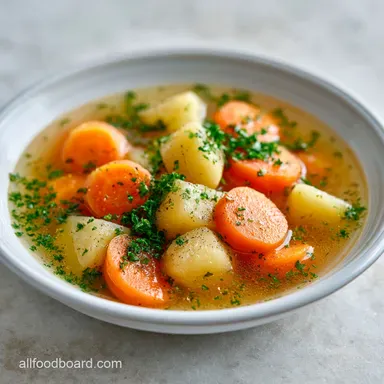
Vegetable Soup: Hearty and Plant-Based
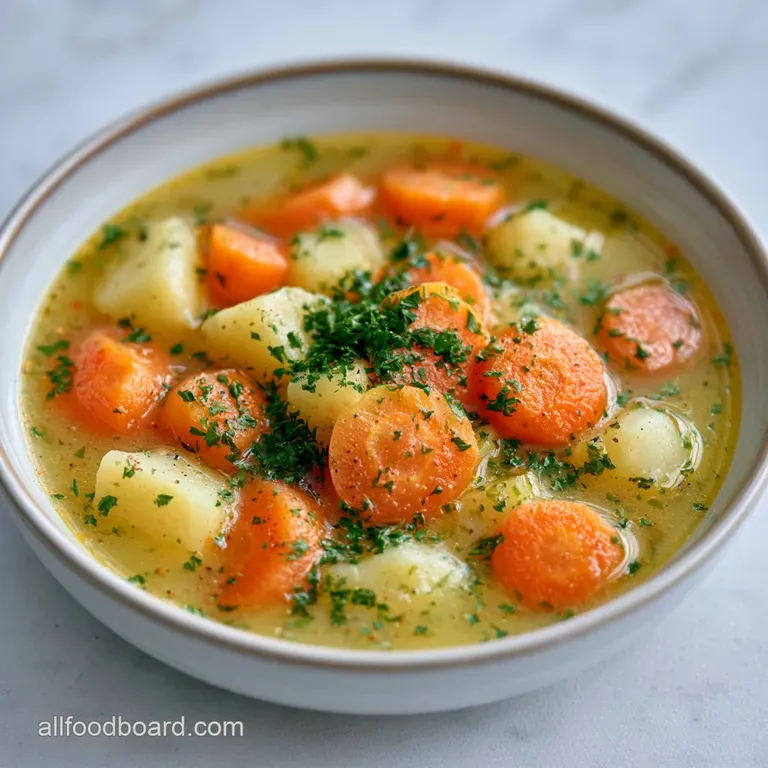
- Time:15 minutes active + 30 minutes cooking = Total 45 minutes
- Flavor/Texture Hook: Savory, velvety broth with tender crisp vegetables
- Perfect for: Sustainable weeknight dinners or healthy meal prep
The scent of sautéing onions and carrots hitting hot olive oil is, for me, the official smell of a cozy home. There's something about that specific sizzle that just settles the nerves.
For a long time, I believed the myth that a truly hearty soup had to bubble on the stove for half a day to taste "real." I spent years following those slow simmer recipes, only to end up with a pot of brown, mushy vegetables that all tasted exactly the same.
It turns out, that's the biggest mistake you can make with a Vegetable Soup. When you overcook your greens and roots, you lose the vibrant colors and the distinct snap of each ingredient. I learned the hard way that the secret isn't more time, it's better timing.
By adding the ingredients in stages, we keep the carrots tender but firm and the cabbage from turning into a flavorless rag.
This recipe is all about efficiency and sustainability. We're using minimal tools and focusing on plant based ingredients that pack a punch. You'll get a bowl that's rich, filling, and surprisingly quick to pull together.
Trust me on this: you can get a complex, layered flavor in 45 minutes if you treat your vegetables with a bit of strategy.
Vegetable Soup Made Simple
Right then, let's look at why this specific approach works. Most people just dump everything in a pot and pray for the best, but that's how you get a watery result. To make this Vegetable Soup actually taste like something, we focus on building layers of flavor from the bottom up.
The Secret to Deep Flavor
- Aromatic Base: Sautéing the "holy trinity" of onion, carrot, and celery creates a savory foundation. This process releases natural sugars that give the broth a richer body.
- Paste Caramelization: Cooking the tomato paste until it turns mahogany removes the raw, metallic taste. It adds a concentrated umami depth that mimics a long simmered stock.
- Staggered Entry: Adding potatoes first, then greens and peas last, ensures nothing overcooks. This preserves the structural integrity of the vegetables.
- The Acid Finish: A splash of lemon juice or vinegar at the very end cuts through the starch. This "awakens" the other flavors, making the whole pot taste more vibrant.
- Starch Release: Using gold potatoes allows a small amount of starch to leach into the broth. This creates a slightly velvety texture without needing any cream or flour.
Since I'm all about minimal tools, I usually stick to a single heavy pot. But some people wonder if popping this in the oven would change things.
| Method | Time | Texture | Best For |
|---|---|---|---|
| Stovetop | 45 mins | Bright, crisp veg | Quick weeknight meals |
| Oven | 2-3 hours | Mellow, soft veg | Set it and forget it days |
If you're looking for something with a bit more bite, you might enjoy a garlic noodle soup for a different kind of comfort.
Essential Component Breakdown
When you're making a plant based Vegetable Soup, every ingredient has a job. It's not just about filling the pot; it's about balancing the taste.
| Ingredient | Science Role | Pro Secret |
|---|---|---|
| Tomato Paste | Umami booster | Sauté it until it darkens to deepen the color |
| Gold Potatoes | Natural thickener | Cut into uniform cubes for even cooking |
| Lemon Juice | Flavor brightener | Add it off the heat to keep the zest fresh |
| Vegetable Broth | Liquid base | Use a low sodium version to control the salt |
I've found that the quality of your broth makes or breaks the dish. If you're using a store-bought cube, it can sometimes taste a bit synthetic. I prefer a liquid broth, and if you have time, making your own from scraps is the most sustainable way to go. According to guidelines on food safety and nutrition, using a variety of colorful vegetables ensures you're getting a wider spectrum of micronutrients.
Vegan Pantry Ingredients
Here is everything you'll need. I've kept this list simple so you don't have to run to three different stores.
- 2 tbsp olive oil Why this? High smoke point and heart healthy fats
- 1 medium onion, diced (Substitute: Shallots for a milder taste)
- 3 medium carrots, sliced into rounds (Substitute: Parsnips for a sweeter, earthier vibe)
- 3 stalks celery, sliced (Substitute: Bok choy stems for a bit of crunch)
- 4 cloves garlic, minced (Substitute: Garlic powder, though fresh is far superior)
- 2 medium gold potatoes, cubed Why this? They hold their shape better than Russets (Substitute: Sweet potatoes for extra vitamins)
- 2 cups chopped cabbage or kale (Substitute: Spinach, but add it at the very end)
- 1 cup frozen peas or corn Why this? Frozen keeps the color bright and pops in the mouth (Substitute: Edamame for more protein)
- 1 can (14.5 oz) diced tomatoes, with juices (Substitute: Fresh chopped tomatoes)
- 8 cups vegetable broth Why this? The backbone of the flavor profile (Substitute: Water + extra bouillon)
- 2 tbsp tomato paste (Substitute: Extra diced tomatoes, though you'll lose some thickness)
- 1 tsp dried thyme (Substitute: Dried rosemary)
- 1 tsp dried oregano (Substitute: Dried basil)
- 1 tbsp lemon juice or apple cider vinegar Why this? Essential for balancing the earthiness (Substitute: Lime juice)
- salt to taste
- black pepper to taste
Let's talk about those substitutions. If you use spinach instead of kale in your Vegetable Soup, be careful. Spinach wilts in seconds, so if you stir it in during the 5 minute cook time, it'll vanish. Just stir it in right before serving.
Minimal Tool Kit
You don't need a kitchen full of gadgets for this. Honestly, most "professional" tool lists are overkill. For this Vegetable Soup, I use one thing: a large soup pot or a Dutch oven.
A heavy bottomed pot is key because it distributes heat evenly. If you use a thin pot, the tomato paste tends to scorch at the bottom, which gives the whole batch a burnt taste. If you don't have a Dutch oven, a large stainless steel stockpot works just fine.
You'll also need a sturdy wooden spoon or a silicone spatula for stirring and a sharp chef's knife for the chopping. That's it. No blenders, no food processors, no fancy strainers.
Step-by-step Cooking Process
Now, let's get into the actual making of the Vegetable Soup. Keep an eye on those sensory cues - they're more important than the timer.
- Heat the olive oil over medium heat in your large pot. Add the diced onion, sliced carrots, and sliced celery. Stir occasionally for 5-7 minutes until the onions are translucent and carrots have softened slightly. Note: Don't rush this; you're building the flavor base.
- Add the minced garlic and tomato paste to the pot. Stir for 60 seconds until the garlic is fragrant and the paste turns a deep mahogany color. Note: This is where that rich, savory depth comes from.
- Pour in the vegetable broth and diced tomatoes with their juices. Stir in the dried thyme and dried oregano. Bring the mixture to a rolling boil, then immediately reduce heat to low.
- Add the cubed potatoes to the simmering broth. Simmer for 10-12 minutes until the potatoes offer a slight resistance when pierced with a fork. Note: If they're too soft now, they'll disintegrate in the next step.
- Stir in the chopped cabbage (or kale) and frozen peas (or corn). Cook for an additional 5 minutes until the greens are vibrant and tender.
- Remove the pot from heat and stir in the lemon juice or apple cider vinegar.
- Season with salt and black pepper to taste. The broth should taste bright and balanced, not just salty.
Chef's Note: If you want a slightly thicker broth, take a fork and mash a few of the cooked potato cubes against the side of the pot. Stir them back in to naturally thicken the liquid without adding flour.
Fix Common Soup Issues
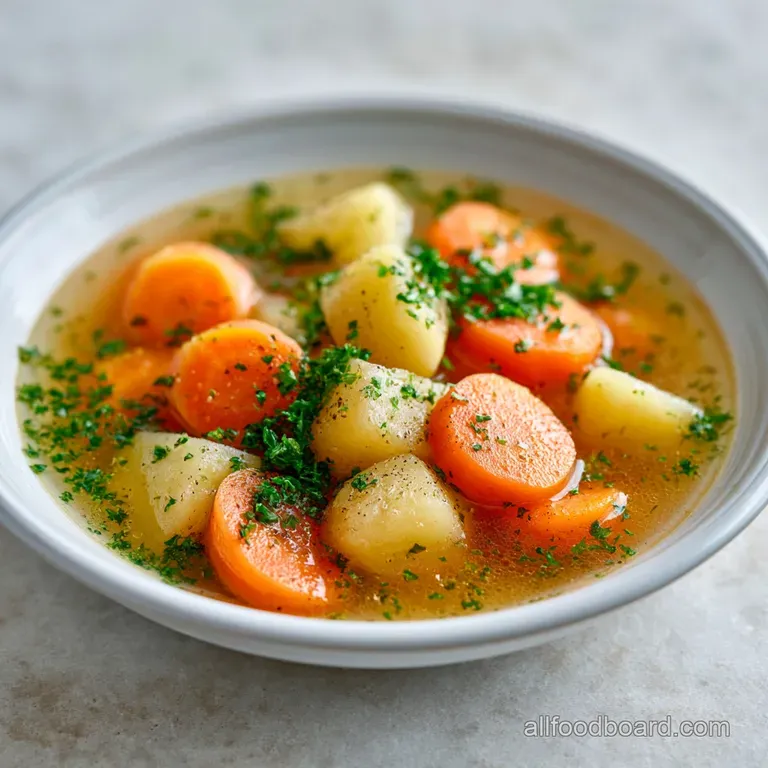
Even the best home cooks run into snags. When it comes to Vegetable Soup, most problems happen because of heat management or seasoning timing.
The Soup is Too Thin
If your broth feels like flavored water, it's usually because the vegetables weren't sautéed long enough or you added too much liquid. You can fix this by simmering it uncovered for another 10 minutes to reduce the volume or by using the potato mashing trick I mentioned earlier.
The Vegetables are Still Hard
This usually happens if the pot didn't reach a proper simmer before the potatoes went in, or if the potato chunks were cut too large. Ensure your cubes are about 1/2 inch for consistent cooking.
It Tastes Bland
If you've added salt but it still feels "flat," you're missing acid. This is the most common mistake. A teaspoon more of lemon juice or apple cider vinegar often does more for the flavor than another tablespoon of salt.
| Problem | Root Cause | Solution |
|---|---|---|
| Watery Broth | Too much liquid/low starch | Simmer uncovered or mash 2-3 potatoes |
| Mushy Veggies | Overcooked/wrong order | Follow the staggered simmer timing |
| Dull Flavor | Lack of acidity | Add 1 tsp lemon juice or apple cider vinegar |
Common Mistakes Checklist
- ✓ Did you sauté the tomato paste until it darkened?
- ✓ Are the potatoes cut to a uniform size?
- ✓ Did you add the greens at the very end?
- ✓ Did you taste for acidity before serving?
- ✓ Did you avoid boiling the soup on high for too long?
Tasty Flavor Twists
One of the best things about a homemade Vegetable Soup is how easy it is to tweak. Once you've got the base down, you can play around with the profile.
Make it a Creamy Vegetable Soup
If you want a velvety texture without using dairy, take 2 cups of the finished soup (including some potatoes) and blend them in a blender or with an immersion blender. Stir that puree back into the main pot. It gives you that creamy mouthfeel while staying completely vegan.
Hearty Vegan Vegetable Soup
To make this a full meal that keeps you full for hours, add a can of rinsed cannellini beans or chickpeas during step 4. For extra bulk, you can stir in some cooked quinoa or farro at the end. This turns a light soup into a protein packed dinner.
Vegetable Soup Instant Pot Method
If you're using a pressure cooker, sauté the aromatics and paste using the "Sauté" function. Add everything except the greens and lemon juice. Seal and cook on high pressure for 5 minutes.
Quick release the pressure, stir in the greens and lemon juice, and let them wilt in the residual heat.
The Seasonal Swap
In the winter, swap the peas for parsnips and the cabbage for hearty collard greens. In the summer, use fresh zucchini instead of potatoes and stir in fresh baby spinach and basil at the end. It keeps the recipe feeling fresh all year round.
Adjusting the Batch Size
Sometimes you're just cooking for yourself, and other times you're feeding a crowd. Scaling a Vegetable Soup isn't always a direct multiplication.
Scaling Down (Half Batch) If you're cutting this in half, use a smaller pot to prevent the liquid from evaporating too quickly. Reduce the simmering time for the potatoes by about 2-3 minutes, as smaller volumes of liquid heat and cool faster. For the garlic, use 2 cloves instead of 4.
Scaling Up (Double or Triple Batch) When doubling the recipe, be careful with the salt and dried herbs. I recommend starting with 1.5x the spices and tasting before adding the full amount. Liquids can be reduced by about 10% because you'll have less evaporation in a larger, crowded pot.
If you're making a massive batch, work in stages when sautéing the onions so they actually brown instead of steaming.
Since we're talking about making more than we need, let's look at how to handle the leftovers.
Storage Guidelines
This Vegetable Soup actually tastes better the next day because the flavors have more time to meld.
Fridge and Freezer Keep your soup in airtight containers in the fridge for up to 5 days. If you're freezing it, I recommend leaving out the potatoes if possible, as they can sometimes get a grainy texture after thawing. However, if you've already made it, it'll still be fine - just give it a good stir.
It stays great in the freezer for up to 3 months.
Zero Waste Tips Don't throw away your veggie scraps! Keep a bag in your freezer for onion skins, carrot tops, celery ends, and herb stems. Once the bag is full, simmer them in water for an hour to make your own sustainable vegetable broth.
Also, if you have leftover cabbage or kale, you can massage it with a bit of lemon juice and olive oil to make a side salad that pairs perfectly with the soup.
Serving and Enjoying
The way you serve your Vegetable Soup can change the whole experience. Since this is a light but flavorful dish, it's all about the pairings.
I love serving this with a thick slice of toasted sourdough rubbed with a raw garlic clove. The crunch of the toast against the velvety broth is a great contrast. If you want something with a bit of a kick, a dollop of vegan pesto on top adds a fresh, herby note.
For those who love a bit of spice, a sprinkle of red pepper flakes or a dash of hot sauce works wonders.
If you're looking for a refreshing side to balance the warmth, try a homemade salsa with some corn chips. The acidity and cold temperature of the salsa contrast beautifully with the savory, hot soup.
Right then, you've got a recipe that's healthy, sustainable, and doesn't require you to spend your whole Saturday in the kitchen. This Vegetable Soup is proof that with a little bit of timing and a splash of acid, you can create something vibrant and filling.
It's a reliable, one pot meal that makes the most of simple plant based ingredients. Now, go grab your pot and get cooking!
High in Sodium
850 mg 850 mg of sodium per serving (37% 37% of daily value)
The American Heart Association recommends a daily sodium limit of no more than 2,300 mg for most adults to maintain heart health.
Tips to Reduce Sodium
-
Swap the Broth-30%
Replace standard vegetable broth with low-sodium or no-salt added broth to drastically lower the primary sodium source.
-
Omit Added Salt-25%
Skip the 'salt to taste' entirely and rely on the natural savoriness of the vegetables and tomato paste.
-
Choose No-Salt Tomatoes-20%
Use no-salt added diced tomatoes or rinse canned tomatoes thoroughly to remove excess brine.
-
Low-Sodium Paste-15%
Check the label of your tomato paste and select a no-salt added version to minimize processed sodium.
-
Enhance with Herbs
Double the amount of dried thyme and oregano or add fresh parsley to increase flavor depth without adding salt.
Recipe FAQs
What is the secret to a good vegetable soup?
Sautéing the aromatic base properly. Cooking the onion, carrots, and celery for 5 7 minutes ensures the flavors are fully developed before adding liquids.
What is the secret ingredient in vegetable soup?
A splash of acid at the end. Adding lemon juice or apple cider vinegar after removing the pot from heat brightens the earthy flavors of the vegetables.
What can I put in my vegetable soup to give it more flavor?
Caramelize the tomato paste. Stirring the paste with garlic for 60 seconds until it turns a deep mahogany color adds a rich, savory depth to the broth.
What are the ingredients for vegetable soup?
Fresh vegetables, broth, and aromatic seasonings. This recipe uses olive oil, onion, carrots, celery, garlic, gold potatoes, cabbage or kale, frozen peas or corn, diced tomatoes, vegetable broth, tomato paste, thyme, oregano, and lemon juice or apple cider vinegar.
How to keep the potatoes from overcooking?
Simmer for only 10 12 minutes. Add them after the broth boils and reduce heat, cooking just until they offer a slight resistance when pierced with a fork.
Is it true that vegetable soup must simmer for hours to develop flavor?
No, this is a common misconception. By properly sautéing the aromatics and using tomato paste, you can achieve a rich taste in just 30 minutes of cooking time.
How to store leftover soup for the longest freshness?
Keep in airtight containers. Store in the fridge for up to 5 days or the freezer for up to 3 months. If you enjoyed building flavors with a savory base here, see how we use a similar approach in our spicy sausage pasta.
Vegetable Soup in 45 Minutes