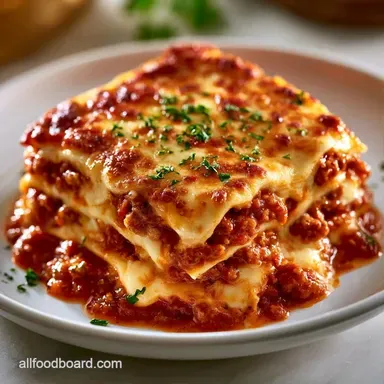
Freezer Lasagna with No Boil Noodles
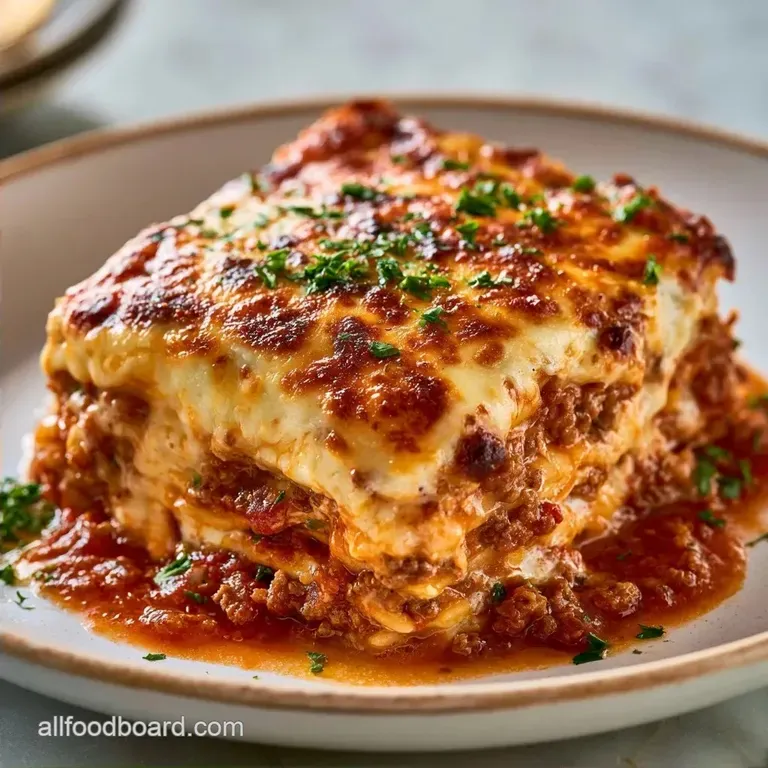
- Time: 120 minutes of prep + 2 hours to set
- The Draw: Rich, melted cheese and a thick, savory meat sauce
- Perfect for: Low-stress weekday dinners and meal prep
Planning Your First Freezer Lasagna
Nothing beats the feeling of sliding a frozen pan into the oven after a grueling day. I recall a drizzly Tuesday last November when I was so drained that even chopping one onion seemed like an impossible task.
I grabbed a tray I'd prepped two weeks prior, popped it in, and suddenly my whole home smelled like a kitchen in Naples.
Many worry that a freezer lasagna will turn out soggy or stay icy in the center. I've been there, staring at a pool of undercooked, watery noodles. However, once you refine your approach to moisture and cooling, this becomes the most dependable meal in your arsenal.
This method relies on a logical process that allows the flavors to deepen while the dish chills. You'll achieve those distinct layers and a golden, bubbly crust that actually browns instead of just steaming.
Why This Works
Moisture Management: No boil noodles act like sponges. They soak up the liquid from the sauce during the bake, which prevents the common soggy center found in many Freezer Lasagna attempts.
The Cooling Gap: Letting the assembly chill for 2 hours before freezing stops steam from getting trapped. This prevents ice crystals from forming, which is what usually causes that grainy texture in frozen pasta.
According to Serious Eats, managing the hydration of pasta is the biggest hurdle in make-ahead bakes. By using a thicker sauce and no boil sheets, we control exactly how much water enters the noodle. You can find more inspiration for your base in my Lasagna Beef Sauce guide.
| Fresh Method | Shortcut Method | Texture | Best For |
|---|---|---|---|
| Boiled Noodles | No Boil Sheets | More Al Dente | Freezing |
| Fresh Ricotta | Mixed Blend | More Consistent | Meal Prep |
| Fast Bake | Slow Thaw/Bake | More Unified | Large Groups |
Essential Recipe Specs
Here is the breakdown to help you schedule your day. While this makes a large quantity and requires a bit of initial effort, it pays off significantly later on. Honestly, the preparation is the only challenging bit.
Note that the total time accounts for the essential chilling period. Be sure to let it cool in the fridge; otherwise, heat will linger in the middle of the pan, compromising the texture of the Freezer Lasagna.
- Prep time: 120 minutes
- Cook time: 45 minutes
- Total time: 285 minutes
- Yield: 8 servings
The Basic Ingredients
For a Freezer Lasagna, you need ingredients that hold their structure. I don't bother with low-fat cheeses here. They don't melt the same and can make the dish feel thin.
The lean ground beef provides the backbone, while the tomato paste adds a concentrated depth that doesn't water down the layers. The egg in the ricotta is a binder. Without it, the cheese layers can slide apart when you slice into the frozen block.
The nutmeg is a small touch, but it cuts through the richness of the dairy. It doesn't make it taste like a dessert, it just makes the cheese taste more "expensive."
Ingredients & Substitutes
- 1 lb lean ground beef Why this? Keeps excess grease from pooling in the frozen pan
- 2 tbsp extra virgin olive oil
- 1 medium yellow onion, finely chopped
- 3 cloves garlic, minced
- 28 oz crushed tomatoes
- 6 oz tomato paste Why this? Thickens the sauce for better freezing results
- 1 tsp dried oregano
- 1 tsp dried basil
- 1 tsp salt
- ½ tsp black pepper
- 1 cup beef broth or water
- 15 oz whole milk ricotta cheese Why this? Ensures a creamy and stable layer
- 1 large egg, lightly beaten
- ¼ cup fresh parsley, chopped
- ½ tsp salt
- ¼ tsp freshly grated nutmeg
- 12 to 15 no-boil lasagna noodles Why this? Absorbs sauce to prevent the dish from becoming soggy
- 3 cups shredded mozzarella cheese
- ½ cup grated Parmesan cheese
| Original Ingredient | Substitute | Why It Works |
|---|---|---|
| Whole milk ricotta | Cottage cheese | Comparable texture. Note: Higher moisture can make layers softer |
| Lean ground beef | Ground turkey | Lower fat. Note: More subtle flavor; requires extra salt |
| Mozzarella | Provolone | Melts similarly. Note: Offers a punchier, sharper taste |
If you can, avoid using pre-shredded cheese. The cornstarch added to prevent clumping stops it from melting into the smooth, gooey blanket we all want on our Freezer Lasagna.
Necessary Kitchen Gear
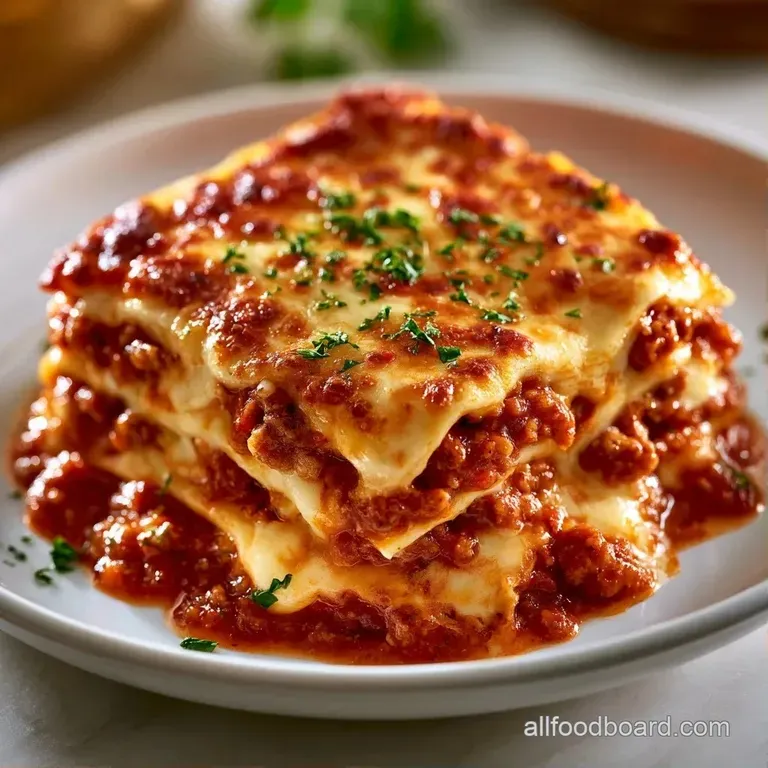
Any basic home kitchen will work perfectly for this. Just ensure you use the correct pan size to prevent the layers from becoming too thin and drying out.
- 9x13 inch baking pan (glass or aluminum)
- Large pot for the sauce
- Medium mixing bowl
- Whisk or fork
- Heavy duty aluminum foil
- Plastic wrap
The Assembly Process
Time to get started. The process is as follows: sauce, cheese, layering, chilling, and freezing.
Simmering the Meat Sauce
- Set a large pot over medium high heat and add olive oil. Brown the ground beef until no longer pink, breaking it into small crumbles.
- Sauté the diced onion for roughly 5 minutes until translucent. Stir in the minced garlic and cook for 1 minute until fragrant.
- Mix in the tomato paste, crushed tomatoes, oregano, basil, salt, pepper, and water.
- Lower the heat and simmer uncovered for 30 minutes until the sauce thickens and looks deep red. Note: Let the sauce cool to room temperature before using it in the Freezer Lasagna assembly to avoid mushy noodles.
Mixing the Cheese
- In a medium mixing bowl, combine the ricotta cheese, beaten egg, chopped parsley, salt, and nutmeg.
- Whisk the ricotta mixture until smooth and velvety. Note: The egg keeps the layers from separating during the thaw.
Layering the Pasta
- Pour ½ cup of meat sauce into the base of a 9x13 inch pan to prevent sticking.
- Arrange a layer of no-boil noodles over the sauce, allowing them to overlap slightly.
- Spread 1/3 of the ricotta mixture over the noodles, then top with 1/3 of the remaining meat sauce and a handful of mozzarella.
- Repeat the layering sequence (Noodles, Ricotta, Sauce, Mozzarella) two more times.
- Finish with a final layer of noodles, topped with the remaining meat sauce, mozzarella, and a sprinkle of Parmesan.
Freezing the Pan
- Allow the assembled Freezer Lasagna to cool completely in the fridge for 2 hours.
- Cover tightly with plastic wrap, then wrap a layer of heavy duty aluminum foil over the top.
- Label the dish with the date and place it in the freezer.
Fixing Common Issues
The biggest struggle with a Freezer Lasagna is usually moisture. If you notice water pooling at the edges, it means your sauce was too thin or you didn't let it cool before layering.
Another issue is the "frozen core," where the edges are burnt but the middle is still an ice cube. This happens if you bake it straight from the freezer without adjusting the time or temperature.
Managing Noodle Texture
If the noodles feel hard after baking, you didn't use enough sauce. No boil noodles need liquid to hydrate. If you're using a very thick sauce, add a splash of water to the corners of the pan before sealing.
Solving Frozen Centers
Avoid this by thawing your Freezer Lasagna in the fridge for 24 hours before baking. If you must bake from frozen, lower the oven temperature by 25°F and increase the time by 30-45 minutes.
Preventing Ice Crystals
Ice crystals form when air hits the food. This is why I use both plastic wrap and foil. The plastic creates a seal, and the foil provides a thermal barrier.
| Problem | Fix |
|---|---|
| Mushy noodles | Simmer sauce longer; chill pan before freezing |
| Hard noodle edges | Add 2 tbsp water to pan corners before freezing |
| Watery cheese layer | Use a binder (egg) and full fat ricotta |
| Frozen middle | Thaw in fridge for 24 hours before baking |
Switching Up Ingredients
This Freezer Lasagna is easy to adapt to your dietary needs. To make it vegetarian, replace the beef with a blend of sautéed mushrooms and spinach. Ensure the vegetables are cooked down thoroughly to prevent excess water from releasing in the freezer.
If you're gluten-free, there are excellent no-boil GF sheets available now. They function similarly, though I recommend adding an extra 1/4 cup of sauce since GF pasta absorbs more liquid. For a more traditional approach, check out my Classic Lasagna and adapt the freezing process accordingly.
You might also enjoy Freezer Lasagna Roll Ups. Instead of layering, spread the ricotta on a noodle, roll it up with meat sauce, and freeze them individually using small foil containers or muffin tins.
Quick Adjustments:
- More brightness? → stir 1 tsp lemon zest into the ricotta
- Extra heat? → add 1 tsp red pepper flakes to the meat sauce
- Earthier notes? → use fresh basil instead of parsley in the cheese
| Premium | Budget | Impact | Savings |
|---|---|---|---|
| Fresh Parsley | Dried Parsley | Less brightness | $1.50 |
| Fresh Garlic | Garlic Powder | Less pungent | $0.50 |
| Parmesan Reggiano | Shaker Parm | Grittier texture | $4.00 |
When preparing a larger batch for guests, avoid simply doubling the spices. Salt and dried herbs can easily become too intense. Use 1.5x the spices for a double batch, but go ahead and double the cheese and meat.
Storing and Freezing
Your Freezer Lasagna will stay good in the freezer for about 3 months. After that, the quality starts to dip, and you might notice a bit of freezer burn on the cheese.
For fridge storage, a freshly baked lasagna lasts about 4 days. Store it in a shallow container so it reheats evenly.
Zero Waste Tips:
- Onion scraps: Save the skins and ends in a freezer bag to make vegetable broth.
- Leftover ricotta: Stir it into scrambled eggs or use it as a spread for toast with honey.
- Pasta scraps: If you have broken noodle pieces, toss them into the meat sauce during the simmer.
What to Serve
A Freezer Lasagna is heavy, so you need something to cut through that richness. I always go for a crisp arugula salad with a sharp lemon vinaigrette. The bitterness of the greens balances the creamy ricotta.
If you want something more substantial, garlic bread is the obvious choice. But for a twist, try roasted broccolini with red pepper flakes. The char from the oven matches the toasted cheese on top of the lasagna.
For drinks, a medium bodied red wine like a Chianti or a Merlot works best. If you're avoiding alcohol, a sparkling water with a squeeze of lime cleanses the palate between bites of cheesy pasta.
Why This Recipe Works
The Ricotta Shield: Layering the cheese directly on the pasta acts as a barrier. This stops the sauce from absorbing too quickly and keeps the noodles from getting mushy.
Temperature Gradient: By refrigerating the lasagna before it goes in the freezer, we ensure the whole dish is at a consistent temperature. This allows it to thaw and bake evenly, eliminating pesky cold spots.
- 1. Sauce thickness
- It should be thick enough to cling to a spoon instead of running off immediately.
- 2. Chilling time
- Exactly 2 hours in the fridge before the foil goes on.
- 3. Final Temp
- Bake until the center reaches 165°F (74°C).
Recipe FAQs
Is it better to freeze lasagna cooked or uncooked?
Freezing it uncooked is generally better for texture. This prevents the noodles from becoming mushy during the second bake.
Can you freeze cooked lasagna with ricotta cheese?
Yes, ricotta freezes well when mixed with eggs and parsley. If you enjoyed creating this velvety cheese blend, see how we use a similar ricotta base in our pizza bianca.
Which pan works best for freezing lasagna?
Use a 9x13 inch pan for the best results. This size ensures even heating and fits the standard layering proportions.
How to prepare a lasagna for the freezer?
Assemble the layers and cool the dish in the fridge for 2 hours. Cover it tightly with plastic wrap and heavy duty aluminum foil before freezing.
Does lasagna need to be boiled before freezing?
Not true. No-boil noodles absorb moisture from the sauce during baking, making the process faster.
What is the maximum storage time in the freezer?
Store the lasagna for up to 3 months. Beyond this window, the quality dips and you may notice freezer burn on the cheese.
Freezer Lasagna Meal Prep