Drunken Noodles: Charred & Velvety
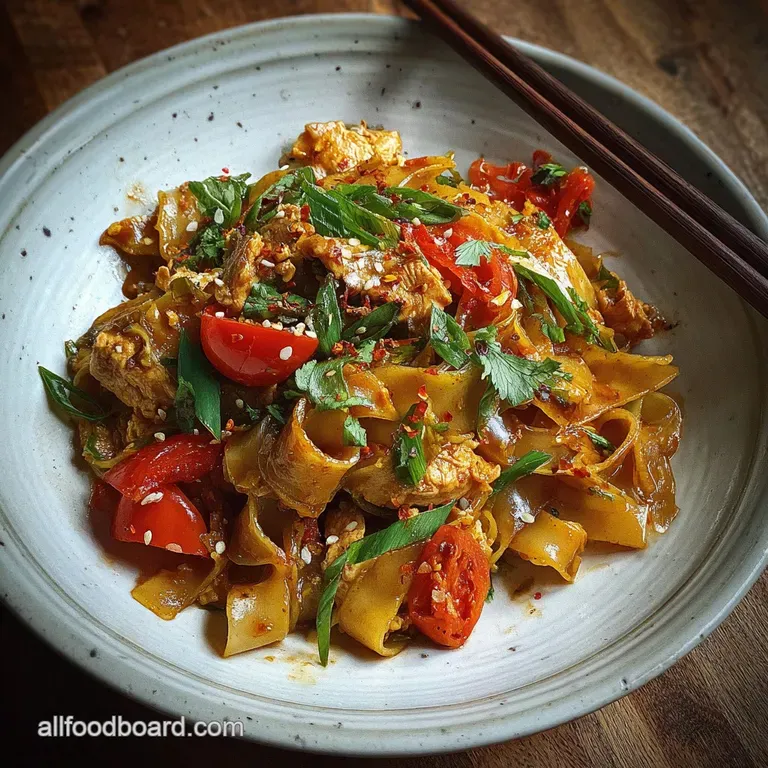
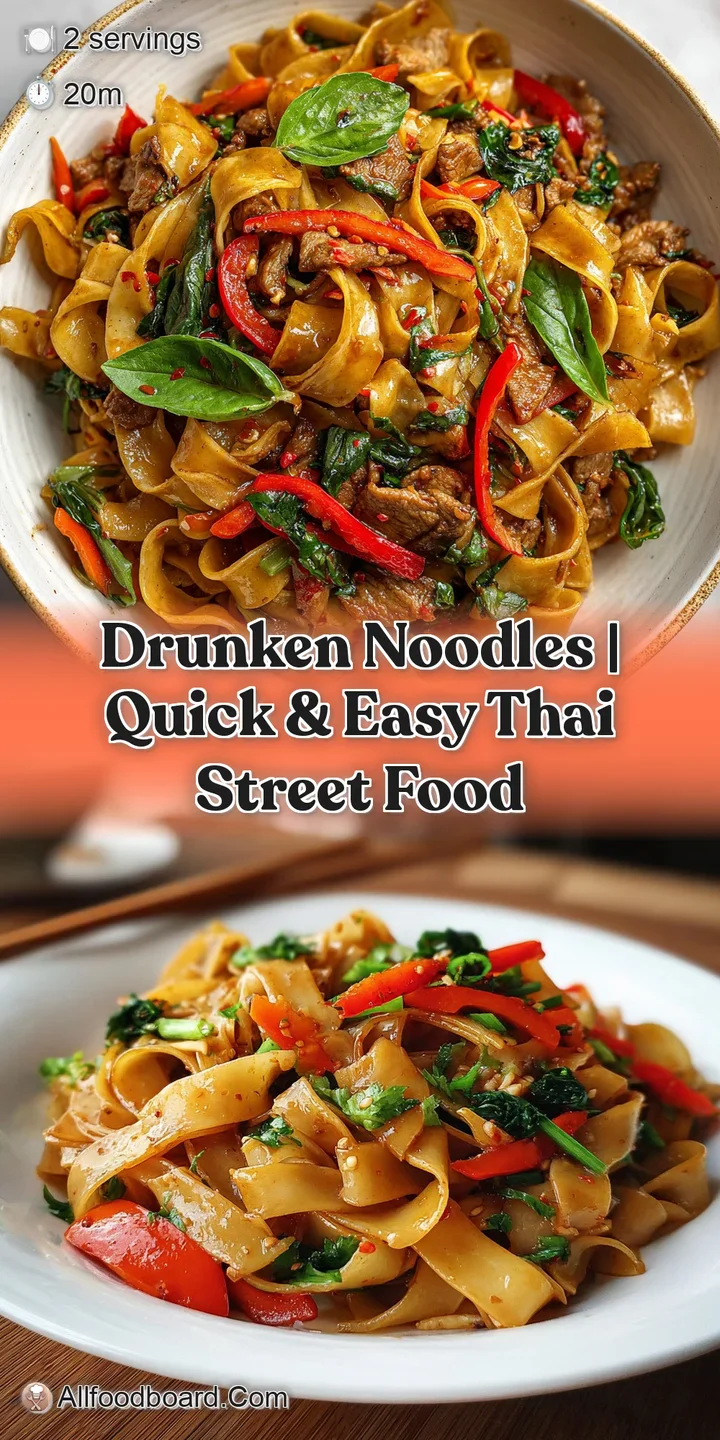
- Time: Active 10 minutes, Passive 10 minutes, Total 20 minutes
- Flavor/Texture Hook: Charred edges and velvety sauce
- Perfect for: Bold weeknight dinners or late night cravings
- Essential Specs for Crafting This Street Food Staple
- The Secret Chemistry Behind That Iconic Smokiness and Char
- Selecting the Right Components for Dynamic Layered Flavors
- Tooling Your Kitchen for High Heat Street Food Success
- Executing the Sizzle Step by Step for Best Results
- Solving Common Problems Before They Ruin Your Stir Fry
- Scaling the Recipe for Crowd Pleasing Dinner Parties
- Debunking Old Tales About This Classic Late Night Dish
- Preserving Your Leftovers and Reducing Food Waste at Home
- Finishing Touches to Bring Out the Boldest Fragrances
- Very High in Sodium
- Drunken Noodles FAQs
- 📝 Recipe Card
Can you hear that? The high pitched sizzle the second the cold sauce hits a screaming hot pan it's a sound that instantly transports me back to a humid night in Bangkok. I remember standing by a street cart, mesmerized by the blue flame of the burner, watching the cook toss noodles with a rhythmic clank of the spatula.
The air was thick with the scent of searing garlic and that sharp, floral punch of Thai basil that makes your nose tingle in the best way possible.
I tried to recreate that feeling for years, but my noodles always ended up as a gummy, beige mess. It wasn't until I stopped being afraid of the smoke that I finally cracked the code. You need that intense heat to get the "breath of the wok," or wok hei, which gives the dish its soul.
This isn't just a stir fry; it’s a high speed chase where the prize is a plate of wide, chewy noodles slicked in a savory, fiery glaze.
We are going for bold, nostalgic flavors here, avoiding the muted tones of takeout that’s been sitting in a plastic container for too long. I’ve made every mistake from over soaking the noodles to using the wrong basil so you don't have to.
Right then, let’s get the wok screaming and dive into the mechanics of what makes this specific version of Drunken Noodles absolutely sing.
Essential Specs for Crafting This Street Food Staple
When you’re aiming for that authentic street food vibe, precision with your heat and timing is everything. This isn't a "slow and steady" recipe; it's a sprint that requires you to have every single ingredient prepped and within arm's reach before you even think about turning on the stove.
The over High heat Dance of Wok Hei: This mechanism involves the partial combustion of oil droplets and the caramelization of sugars at temperatures exceeding 400°F. It creates a complex, smoky aroma that defines the flavor profile of the dish.
| Cooking Method | Active Time | Resulting Texture | Best For |
|---|---|---|---|
| Carbon Steel Wok | 8 minutes | Maximum char and smoky "breath" | Authentic street food flavor |
| Cast Iron Skillet | 10 minutes | Heavy browning and even sear | Home cooks without high output burners |
| Non Stick Pan | 12 minutes | Soft, velvety noodles with less char | Beginner friendly, low oil cooking |
The choice of vessel changes how the heat interacts with the 8 oz wide dried rice noodles. While a wok is the gold standard, a heavy cast iron skillet is a brilliant runner up because it retains enough thermal mass to prevent the pan from cooling down when you add the cold chicken. If you want a deeper dive into noodle techniques, my Authentic Pad Kee recipe covers the nuances of different regional variations.
The Secret Chemistry Behind That Iconic Smokiness and Char
Understanding the "why" behind these ingredients helps you manipulate the final result. We aren't just tossing things in a pan; we are building layers of umami and controlling starch behavior.
| Ingredient | Science Role | Pro Secret |
|---|---|---|
| Dark Soy Sauce | Maillard Catalyst | Use specifically for the deep mahogany color and molasses like sweetness. |
| Thai Bird’s Eye Chilies | Capsaicin Delivery | Mince them with the seeds to release oils that emulsify into the sauce. |
| Oyster Sauce | Emulsifier & Thickener | Provides the "gloss" that helps the sauce cling to the slick rice noodles. |
The interaction between the fish sauce and the brown sugar is where the magic happens. The salt in the fish sauce enhances the perception of sweetness, while the sugar tempers the fermented funk of the anchovies.
When these hit 400°F, they undergo a rapid Maillard reaction, creating that savory crust on the chicken and noodles.
Chef’s Tip: Freeze your chicken breast for 15 minutes before slicing. This firms up the muscle fibers, allowing you to get those paper thin, restaurant style strips that cook in under 60 seconds without drying out.
Selecting the Right Components for Dynamic Layered Flavors
You need the right players on the field for this to work. Substituting regular basil for Thai basil is a common move, but it completely changes the fragrance of the dish.
- 8 oz wide dried rice noodles: These are the backbone. Look for "XL" or "Wide" on the package. Why this? The surface area allows for maximum sauce cling and better charring.
- 0.5 lb chicken breast: Sliced thinly against the grain. Why this? Slicing against the grain ensures the meat remains tender after a over high heat sear.
- 1 cup fresh Thai basil leaves: Do not chop these; leave them whole. Why this? Whole leaves withstand the heat better and release oils gradually.
- 3 Thai bird's eye chilies: These provide the heat. Why this? They offer a sharp, clean spice that cuts through the rich oyster sauce.
- The Sauce Blend: 2 tbsp oyster sauce, 1 tbsp light soy sauce, 1 tbsp dark soy sauce, 1 tsp fish sauce, 1 tbsp brown sugar, and 1 tbsp water.
If you find yourself out of rice noodles, you might be tempted to use wheat based ones. While not traditional, you could look at the texture of the Egg Noodles for recipe to see how different doughs react to stir frying, though the chew will be significantly different.
| Original Ingredient | Substitute | Why It Works |
|---|---|---|
| Thai Basil | Holy Basil | Closest flavor match with a peppery, clove like finish. |
| Bird's Eye Chilies | Serrano Peppers | Similar heat level but with a more vegetal, "green" flavor profile. |
| Dark Soy Sauce | Light Soy + Molasses | Mimics the viscosity and color, though slightly more bitter. |
Tooling Your Kitchen for High Heat Street Food Success
You don't need a professional kitchen, but you do need tools that won't melt or warp under intense heat. I once used a plastic spatula that started to soften mid stir fry honestly, don't even risk it.
- A heavy bottomed pan: Either a 14 inch carbon steel wok or a 12 inch cast iron skillet.
- Metal wok spatula: The curved edge helps you scrape the bottom of the wok to prevent the sugar in the sauce from burning.
- Large mixing bowl: For soaking the noodles. Never boil them! We want them pliable, not cooked.
- Mortar and pestle: This is the secret for the aromatics. Smashing the garlic and chilies together releases far more essential oils than dicing them with a knife.
Chef’s Tip: If you don't have a mortar and pestle, use the side of your chef's knife to smash the garlic and chilies into a paste with a pinch of coarse salt before mincing.
Executing the Sizzle step-by-step for Best Results
This process moves incredibly fast. Ensure your exhaust fan is on high we are going to create some smoke.
- Soak the rice noodles. Place the 8 oz wide dried rice noodles in a bowl of very warm (not boiling) water for about 10 minutes until they are flexible but still have a firm "bite". Note: They will finish cooking in the wok.
- Prepare the aromatics. Mince the 4 cloves of garlic and 3 Thai bird's eye chilies together.
- Mix the sauce. In a small jar, whisk the 2 tbsp oyster sauce, both soy sauces, fish sauce, sugar, and water until the sugar is fully dissolved.
- Heat the oil. Add 2 tbsp neutral oil to the wok and heat until it just begins to shimmer and smoke.
- Sear the chicken. Add the 0.5 lb chicken breast in a single layer. Let it sit for 45 seconds until a golden brown crust forms, then toss.
- Sauté aromatics. Push chicken to the side; add the garlic chili paste. Stir for 20 seconds until the fragrance hits your nose and the garlic turns pale gold.
- Add vegetables. Toss in the 0.5 red bell pepper and 2 stalks of green onion. Stir fry for 1 minute until the peppers are slightly softened but still crisp.
- Char the noodles. Drain the noodles and add them to the wok. Pour the sauce over them immediately.
- Toss and emulsify. Use high heat to toss the noodles constantly for 2 minutes until the sauce thickens and the noodles turn dark and glossy.
- The Basil Finish. Turn off the heat. Fold in the 1 cup fresh Thai basil leaves. Toss until the leaves wilt from the residual heat and turn bright green.
Solving Common Problems Before They Ruin Your Stir Fry
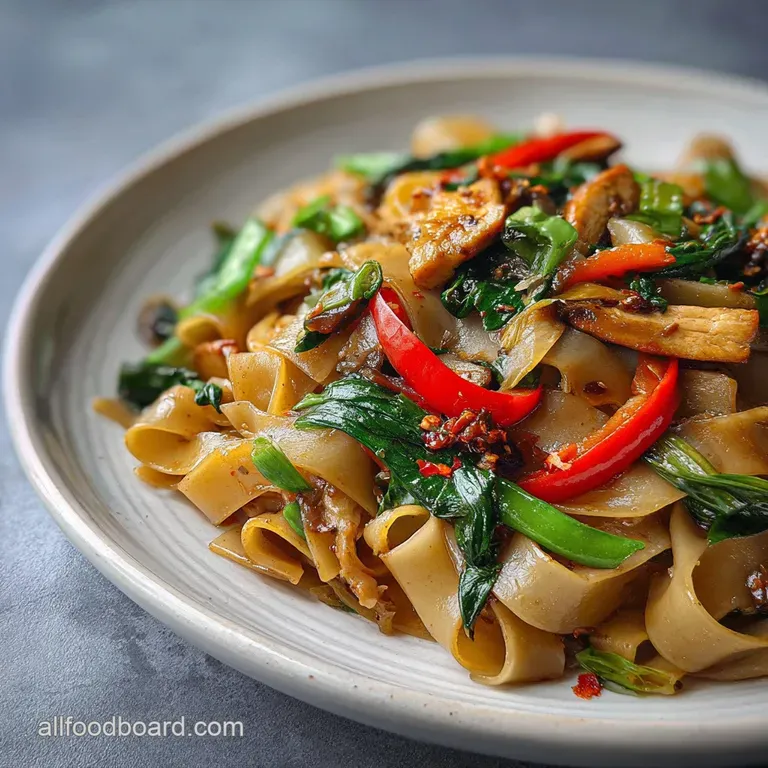
The most frequent heartbreak with this dish is the "noodle clump." It happens when there's too much moisture or not enough heat.
The Solution to Sticky or Broken Noodles
If your noodles are breaking into small pieces, you likely over soaked them. They should feel like stiff leather when they go into the pan, not soft pasta. If they are clumping, you might be using too little oil or a pan that isn't hot enough.
The oil acts as a barrier, preventing the starches from bonding to each other.
Managing the Intensity of the Heat
Thai bird's eye chilies are no joke. If you want the flavor without the fire, deseed them or use a milder pepper. But remember, the "drunken" in the name refers to the spicy kick being a legendary cure for a night of drinking it's supposed to wake you up!
| Problem | Root Cause | Solution |
|---|---|---|
| Soggy/Mushy Noodles | Over soaking in water | Soak for less time; ensure water is warm, not boiling. |
| Bland Flavor | Lack of Maillard reaction | Increase heat until the oil smokes before adding ingredients. |
| Burned Garlic | Added too early | Add garlic after the meat has already started to brown. |
Common Mistakes Checklist:
- ✓ Pat the chicken dry with a paper towel before adding it to the wok to ensure it sears instead of steams.
- ✓ Don't double the recipe in one pan; the temperature will drop, and you'll end up with boiled noodles.
- ✓ Use a neutral oil with a high smoke point, like grapeseed or canola, not olive oil.
- ✓ Wait until the very last second to add the basil so the delicate oils don't evaporate.
- ✓ Ensure the noodles are fully drained; excess water is the enemy of a good sear.
Scaling the Recipe for Crowd Pleasing Dinner Parties
If you’re cooking for a group, you cannot simply double the ingredients in one wok. Most home burners don't have the BTU output to keep a large volume of ingredients at the necessary temperature.
Scaling Down (1 Serving): Cut everything exactly in half. Use a smaller 10 inch skillet to ensure the sauce doesn't evaporate too quickly before the noodles can absorb it.
- The Batch Rule
- Cook in batches of 2 servings maximum.
- Preparation
- Prep all the chicken and vegetables at once, but keep them in separate bowls.
- Sauce
- You can make a large jar of the sauce (multiply by the number of batches) and use about 5-6 tablespoons per batch.
- Timing
- Keep the first batch in a warm oven (200°F) while you flash fry the second.
| Servings | Chicken Amount | Noodle Amount | Pan Size | Cook Time |
|---|---|---|---|---|
| 2 People | 0.5 lb | 8 oz | 14" Wok | 10 mins |
| 4 People | 1.0 lb | 16 oz | Cook in 2 Batches | 20 mins |
| 6 People | 1.5 lb | 24 oz | Cook in 3 Batches | 30 mins |
Debunking Old Tales About This Classic Late Night Dish
One of the biggest myths is that Drunken Noodles (Pad Kee Mao) actually contains alcohol. It doesn't. The name likely comes from the fact that it's a popular late night street food for those who have had a few too many drinks, or because the heat level is so intense it makes you feel "drunk" from the endorphin rush.
Another misconception is that you must use a wok to get good results. While a wok provides a specific shape for tossing, a heavy bottomed stainless steel or cast iron pan can achieve a similar level of caramelization if you keep the heat high and don't overcrowd the surface.
The heat source matters more than the shape of the metal.
Finally, people often think the "black" color comes from burning the sauce. It actually comes from the dark soy sauce, which is aged longer and often contains molasses. If your noodles are pale, you likely used regular light soy sauce instead of the dark variety.
Preserving Your Leftovers and Reducing Food Waste at Home
Rice noodles are notorious for hardening in the fridge, but you can definitely save them if you’re smart about it.
- Fridge: Store in an airtight container for up to 3 days. To reheat, don't use the microwave if you can avoid it it makes the noodles rubbery. Instead, splash a little water into a pan, add the noodles, and cover with a lid for 2 minutes to steam them back to life.
- Freezer: I don't recommend freezing this dish. Rice noodles lose their structural integrity when frozen and thawed, turning into a grainy mush.
- Zero Waste Tip: Don't throw away the Thai basil stems! While they are too woody to eat in the stir fry, you can toss them into a pot of chicken stock or rice water to infuse it with a subtle, peppery aroma. Also, if you have leftover sauce, it makes a killer marinade for grilled shrimp or tofu.
Finishing Touches to Bring Out the Boldest Fragrances
Presentation is part of the experience. The contrast between the dark, charred noodles and the vibrant green basil is what makes this dish look as dynamic as it tastes.
I like to serve this immediately and I mean immediately. The texture of the noodles changes by the minute as they continue to absorb the residual sauce. Slide the noodles onto a wide, flat plate rather than a deep bowl; this prevents the bottom layer from steaming and getting soggy.
For a final flavor layer, serve with a side of Prik Nam Pla (fish sauce with sliced chilies and a squeeze of lime). It adds a bright acidity that cuts through the salty richness of the oyster sauce. If you want a more substantial meal, this pairs beautifully with a light, crunchy salad. I often serve it alongside my Zesty Zucchini Noodles recipe if I'm doing a multi course Thai inspired dinner, as the textures provide a refreshing contrast to the heavy, chewy rice noodles.
If you're feeling adventurous, a squeeze of fresh lime juice right before eating can elevate the herbaceous notes of the basil. Just don't add it in the wok, or the acidity will turn the basil brown.
Trust me on this that last minute hit of freshness is the secret to making your homemade version taste exactly like the streets of Bangkok.
Very High in Sodium
1840 mg mg of sodium per serving (80% % of daily value)
The American Heart Association recommends limiting sodium intake to no more than 2,300mg per day for most adults.
Tips to Reduce Sodium in Your Pad See Ew:
-
Reduce/Replace Soy Sauces-30%
Significantly reduce the amount of light and dark soy sauce used. Replace with low-sodium soy sauce or coconut aminos. This substitution can dramatically lower the sodium content.
-
Limit Oyster Sauce-25%
Oyster sauce is very high in sodium. Reduce the amount of oyster sauce by half or consider substituting with a homemade alternative using mushroom broth and a touch of molasses for a similar flavor profile.
-
Minimize Fish Sauce-20%
Fish sauce is another concentrated source of sodium. Use only a small amount, or try to omit it entirely, enhancing the dish with other umami flavors like dried shiitake mushrooms soaked in water (use the soaking liquid too!).
-
Dilute Sauces with Water-10%
Dilute the combined sauces with an extra tablespoon or two of water. This will help to reduce the concentration of sodium without significantly altering the overall flavor.
-
Skip the Brine-5%
Avoid brining the chicken breast, or using any pre-seasoned chicken, as this will drastically increase the sodium content. Use fresh, unseasoned chicken.
-
Flavor with Herbs & Spices
Enhance the flavor of your Pad See Ew with fresh herbs and spices like ginger, garlic, chili flakes, and black pepper to compensate for the reduced sodium.
Drunken Noodles FAQs
What is the secret to good Drunken Noodles?
High heat and speed. The key is searing the noodles over intense heat to achieve char and smoky "wok hei." This technique is crucial, similar to how controlled heat impacts texture in our Authentic Pad Kee Mao recipe.
What makes them Drunken Noodles?
The name is a myth; the spice is real. They aren't made with alcohol; the name likely refers to their popularity as a late night, spicy, hangover cure. The intense heat from chilies is a defining characteristic.
What is drunken noodle sauce made of?
A savory sweet and spicy blend. The core ingredients include oyster sauce, light and dark soy sauces, fish sauce, and brown sugar, often with minced garlic and chilies for heat and aromatics.
What noodles are best for Drunken Noodles?
Wide, flat dried rice noodles are best. Look for "XL" or "Wide" varieties. Their large surface area allows for maximum sauce adhesion and benefits from the high heat charring.
Can I substitute Thai basil?
Yes, but with a slight flavor shift. Holy basil is the closest substitute, offering a similar peppery, clove like finish. Regular basil will change the fragrance profile significantly.
What kind of oil should I use?
Use a neutral oil with a high smoke point. Oils like grapeseed, canola, or vegetable oil are ideal for the intense heat required. Avoid olive oil as it can burn and impart an undesirable flavor.
How do I prevent noodles from sticking together?
Ensure sufficient heat and oil. Make sure your pan is screaming hot before adding noodles and that there's enough oil to coat them. Draining the noodles thoroughly before adding them also prevents excess moisture from causing clumping.
Drunken Noodles Recipe
Ingredients:
Instructions:
Nutrition Facts:
| Calories | 734 kcal |
|---|---|
| Protein | 31 g |
| Fat | 17.7 g |
| Carbs | 104 g |
| Fiber | 3.2 g |
| Sugar | 9 g |
| Sodium | 1840 mg |
