French Toast Sticks: Golden Dippable Brioche Soldiers
- The Joy of Dunking: Why French Toast Sticks Reign Supreme
- Achieving the Perfect Bite: Science Behind the Golden Crust
- Essential Components for Your Brioche French Toast Soldiers
- Mastering the Dunk: Step-by-Step Guide to French Toast Sticks
- Prepare Ahead: Storage and Freezing Your Golden Toast Sticks
- The Perfect Finish: Syrups, Sauces, and Topping Pairings
- Recipe FAQs
- 📝 Recipe Card
The Joy of Dunking: Why French Toast Sticks Reign Supreme
There is truly nothing better than waking up to the smell of butter and cinnamon mingling in the air. That rich, sweet warmth signals that breakfast isn't just a meal; it's an event.
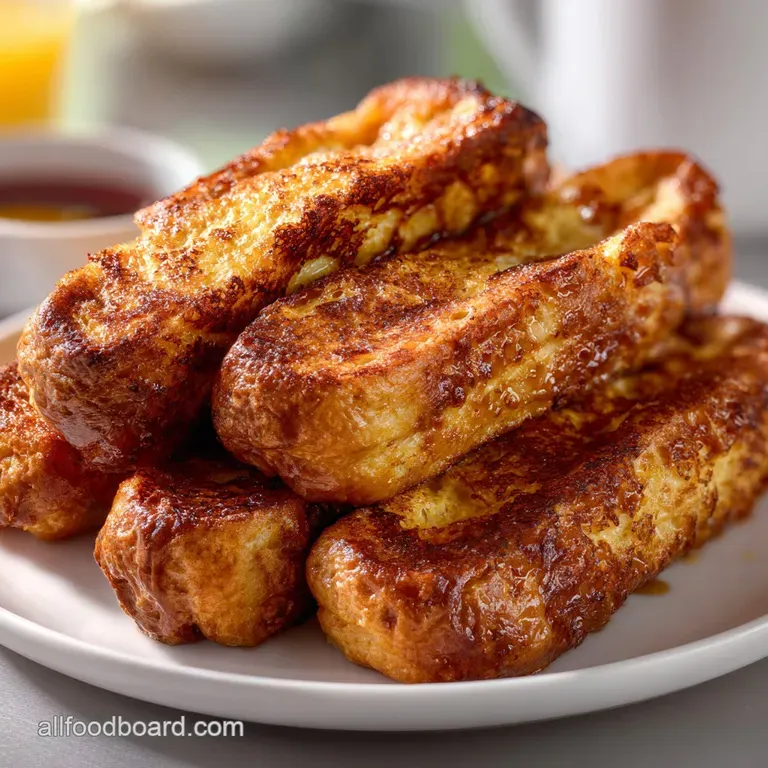
And when we talk about optimized breakfast enjoyment, nothing beats the convenience and pure dunkability of French Toast Sticks . They deliver that perfect trifecta: a slightly crisp, golden exterior giving way to a wonderfully fluffy, custardy interior.
Forget the oversized, floppy slices you have to attack with a knife and fork. These are individually portioned, ergonomic, and frankly, a lifesaver on busy weekday mornings. They are incredibly easy to batch cook, freeze perfectly, and cost next to nothing to whip up, making them one of the easiest breakfast options.
Plus, kids love anything you can eat with your hands.
This specific French Toast Sticks recipe is the result of years of testing and failing at achieving that perfect, structurally sound 'soldier' ready for dipping. I've figured out the trick to preventing sogginess and guaranteeing they stay crisp until the last bite.
Let’s crack on and make some magic happen.
Achieving the Perfect Bite: Science Behind the Golden Crust
The Soldier vs. The Slice: Why Shape Matters for Breakfast
When you make a massive slice of French Toast, the heat has to travel a long way to cook the center, which means the edges often burn before the middle is fully set. But when you cut the bread into long, skinny sticks our glorious French Toast Soldiers you minimize that distance.
This allows the heat to penetrate quickly, setting the custard in the center faster while simultaneously creating a crisp crust on the outside.
Engineering the Perfect Breakfast: The Brioche Choice
The science of success here hinges entirely on the bread. Brioche is loaded with butter and eggs, giving it a tighter, richer crumb structure than standard white bread. This density means it holds its shape better than cheap sandwich slices, even when drenched in custard.
We're aiming for saturation on the surface, not dissolution throughout the stick.
A Quick Overview of the Method
We use a two-step fat approach butter for flavor, oil for smoke point and a quick soak that’s more of a dip than a bath. This prevents the dreadful soggy middle that plagues so many homemade attempts at French Toast Sticks .
The combination of careful soaking and controlled heat results in a perfectly cooked, golden brown stick every single time.
The Importance of Day-Old Brioche
I learned this the hard way: fresh bread is your enemy here. Fresh brioche has high moisture content, and the second it hits the custard, it collapses into a gummy mess. You need a slightly dried out base to act like a sponge.
Always use day-old bread , or if you're desperate, slice fresh bread and leave it on a rack for an hour to dry slightly.
Balancing the Custard Soak: Preventing Soggy Sticks
The custard mix itself needs balancing. You need enough egg for structure and enough milk for moisture, plus a pinch of salt to amplify the vanilla and cinnamon. The golden rule: soak the stick for just 20 seconds per side.
If you get distracted by your phone, you might end up with sadness instead of magnificent French Toast Sticks .
Low and Slow: Achieving an Internal Fluff
If your pan is too hot, the exterior custard will burn instantly, leaving the inside raw and gooey. We start the cooking process on medium heat to get color, then quickly transfer the sticks to a warming oven. This ensures the custard inside completely sets while the exterior stays wonderfully crisp.
Essential Components for Your Brioche French Toast Soldiers
Ingredient Notes: Selecting the Best Bread Base
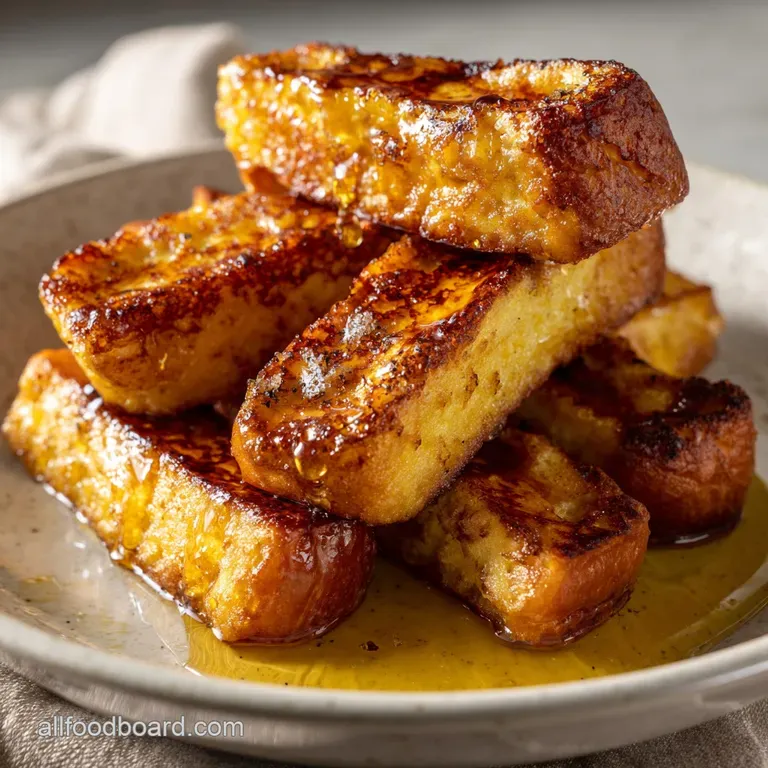
I am utterly devoted to Brioche for this recipe. However, Challah is a wonderful substitution due to its similar rich, eggy composition. You want a loaf that’s robust enough to hold its shape when sliced into thick soldiers.
Dairy Choices and Achieving Maximum Richness
Whole milk provides the right level of richness without making the custard feel heavy. If you want truly decadent French Toast Sticks , swap half of the whole milk for half and half or heavy cream.
Plant based milks like cashew or oat milk work well, too, though they tend to be thinner, so reduce the soaking time slightly.
Spice Substitutions for Vanilla and Cinnamon
If you’re out of vanilla extract, almond extract is a surprisingly delicious swap, but use half the amount it’s powerful stuff! No cinnamon? Nutmeg or even a pinch of cardamom can add warmth.
A secret trick I love: adding a tiny swirl of pure maple syrup directly into the custard mix for deeper flavor.
Metric and US Customary Measurements
Always measure your ingredients precisely. Baking is chemistry, after all!
| Ingredient | US Customary | Substitute Notes |
|---|---|---|
| Day-old Brioche | 6 thick slices (1 inch) | Challah, Texas Toast, or sourdough. |
| Large Eggs | 4 | Essential for binding and puffiness. |
| Whole Milk | 1/2 cup | Half and Half for richness; oat milk for dairy-free. |
| Vanilla Extract | 1 teaspoon | Almond extract (use 1/2 tsp) or bourbon. |
| Cinnamon | 1/2 teaspoon | Nutmeg or Cardamom for warmth. |
Mastering the Dunk: step-by-step Guide to French Toast Sticks
Preparation: Slicing the Bread into Uniform Sticks
First, slice your brioche loaf into slices that are exactly 1 inch thick. Trust me on the measurement. Then, cut each slice into three or four uniform sticks. Uniformity matters so they cook evenly in the pan. If they are uneven, some will burn while others are still pale.
The Custard Bath: Optimal Soaking Technique
In a shallow dish wide enough to lay the stick flat, whisk the eggs, milk, sugar, vanilla, cinnamon, and salt until smooth. Lay the sticks flat and flip them almost immediately. We are aiming for a quick dip, maybe counting to 20 for the first side and 15 for the second.
The goal is a saturated exterior with a dense, dry center.
Pan-Frying for Maximum Crispness and Color
Heat your heavy bottomed skillet over medium heat. This is where the magic fat combo comes in. Add 1 tablespoon each of butter and neutral oil. When the butter melts and stops foaming, the pan is ready. The kitchen should start smelling nutty and incredibly tempting right now!
Chef’s Note: Using a neutral oil like grapeseed or canola alongside butter is the key to preventing burned sticks. The oil raises the smoke point, giving the butter flavor a fighting chance against the heat.
Optional: Finishing the Sticks in the Oven (Ensuring Center Cook)
Cook the sticks in batches, ensuring they don't crowd the pan. Cook for about 2- 3 minutes per side until they achieve a deep, beautiful golden color. As soon as they are done, use tongs to transfer them to a wire rack set over a baking sheet and keep them warm in a 215°F (100°C) oven.
This low heat finishes the internal cook without drying them out.
Common Mistake: Soggy Centers (The Fix)
The number one error in making Fryer French Toast Sticks (whether you pan-fry or air-fry) is over soaking. If the center is mushy, you soaked too long, or your bread was too fresh.
Fix: If it’s already soggy before cooking, press the sticks gently between two paper towels to wick away excess liquid before they hit the heat.
How to Prevent the Sticks from Sticking to the Pan
Crowding the pan causes sticking because it instantly drops the temperature. Use enough fat for each batch you should hear a continuous, gentle sizzle when the sticks land. If they stick, the pan was either too cold initially, or you need more of that butter/oil combination.
Add a fresh tablespoon of each for every new batch.
Prepare Ahead: Storage and Freezing Your Golden Toast Sticks
Refrigerator Prep: Can You Soak Brioche Overnight?
Technically, yes, you can, but I really don't recommend it for French Toast Sticks . Because they are cut so thin, they will become completely waterlogged and fall apart when you try to cook them.
If you must prep ahead, cut the sticks and store them in an airtight container, and whisk the custard and keep it separate in the fridge. Combine them right before cooking.
The Best Way to Flash Freeze Cooked Sticks
These make fantastic French Toast Sticks frozen for quick grab and go mornings! Once the sticks are fully cooked and completely cooled, lay them in a single layer on a parchment lined baking sheet. Flash freeze them for about an hour until solid.
Then, transfer them to a heavy duty freezer bag or container. They will last beautifully for up to two months.
Reheating Methods: Oven vs. Toaster Oven for Best Texture
Avoid the microwave unless you enjoy chewy, sadness inducing breakfast. The best way to reheat frozen Fryer French Toast Sticks is in a toaster oven or standard oven at 350°F (175°C) for 8– 10 minutes. This crisp the exterior again.
Or, if you prefer the convenience of quick Air Fryer French Toast Sticks , reheat them in the air fryer at 375°F (190°C) for about 5 minutes until crispy and hot throughout.
The Perfect Finish: Syrups, Sauces, and Topping Pairings
Elevated Dipping Sauces (Beyond Maple Syrup)
While quality maple syrup is divine, sometimes you need to shake things up. Try a rich cream cheese glaze, or a simple caramel sauce. If you want something unique and incredibly rich, whip up a batch of homemade Cashew Butter: Silky Smooth Homemade Recipe Toasting Is Key and thin it slightly with milk until it’s dippable!
Fresh Fruit and Cream Garnishes
Dusting the golden soldiers with icing sugar using a fine sieve makes them look professionally done. Serve with fresh seasonal berries strawberries, blueberries, or sliced bananas and a dollop of whipped cream or crème fraîche. The tartness cuts through the richness beautifully.
Protein Pairings to Complete the Meal
Since these French Toast Sticks are quite decadent, a savory side is a must to complete the meal. Crispy bacon or thick cut ham steak provides that perfect salty contrast. For a truly hearty brunch, these pair beautifully alongside your favorite savory protein.
This French Toast Sticks recipe is guaranteed to become a family favorite. They are easy, inexpensive, and engineered for maximum dunking joy. Enjoy!

Recipe FAQs
How do I store and freeze leftover French Toast Sticks?
Cooked sticks can be refrigerated in an airtight container for up to 3 days. To freeze, first lay the cooled sticks on a baking sheet and freeze until solid, which prevents them from clumping together.
Transfer them to a zip-top freezer bag, separating layers with parchment paper, and they will keep well for up to 2 months.
My sticks turned out soggy inside but burnt outside. What went wrong?
This result usually means your pan temperature was too high, cooking and scorching the exterior before the rich custard interior had time to set. Ensure you are cooking over a consistent medium low heat with a small amount of butter or oil, allowing 3 4 minutes per side for the heat to penetrate the thick brioche fully.
Using less oil and a heavy bottomed pan also helps regulate the heat.
Can I make these French Toast Sticks dairy-free or vegan?
For a dairy-free recipe, simply substitute cow's milk and butter with oat milk or almond milk and a plant based butter spread for frying. Achieving a vegan version is more complex, requiring you to substitute the eggs with a binder like a mixture of ground flaxseed (flax egg) or cornstarch whisked vigorously with the milk alternative and a touch of maple syrup.
Note that vegan French toast requires firmer bread and very careful handling.
Can I use Texas toast or standard sandwich bread instead of brioche?
Yes, you can substitute the bread, but brioche is highly recommended because its high fat and density prevent it from disintegrating during soaking and frying. If using standard white bread or Texas Toast, reduce the soaking time significantly to just a few seconds per side, as softer bread absorbs liquid much faster.
Thicker slices (about 1 inch) always yield the best, fluffiest results.
How long should I soak the brioche sticks in the custard mixture?
Because brioche is dense and we want a fluffy interior, aim for about 20 30 seconds per side, allowing the custard to penetrate about halfway through the bread. Over soaking will result in mushy sticks that fall apart when you transfer them to the pan.
You want the exterior saturated while the core retains some of its original structure.
What is the best way to reheat frozen or refrigerated French Toast Sticks?
For optimal texture, avoid the microwave, which tends to make them rubbery and soft. Reheat refrigerated sticks in a toaster oven or air fryer at 350°F (175°C) for 5 7 minutes until they are crispy and heated through.
Frozen sticks can be reheated the same way, but increase the cooking time to 10 12 minutes, flipping halfway through.
My custard mixture is too thin; what can I add to thicken it slightly?
If your custard mixture seems overly thin, it means the ratio of eggs to milk is unbalanced, which can lead to soggy sticks. Whisk in one extra egg yolk to add richness and binding power, or add a teaspoon of cornstarch to the mixture before soaking.
Remember that the consistency should resemble a light cream, not skim milk.
Dippable French Toast Sticks
Ingredients:
Instructions:
Nutrition Facts:
| Calories | 237 kcal |
|---|---|
| Protein | 7.7 g |
| Fat | 18.7 g |
| Carbs | 9.0 g |
