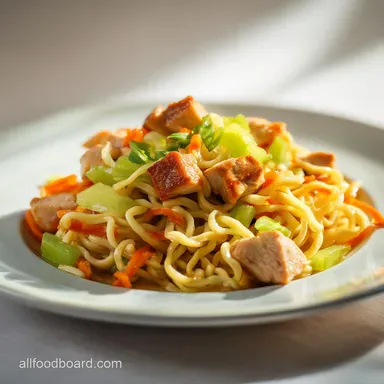
Chicken and Noodles: Creamy and Stovetop
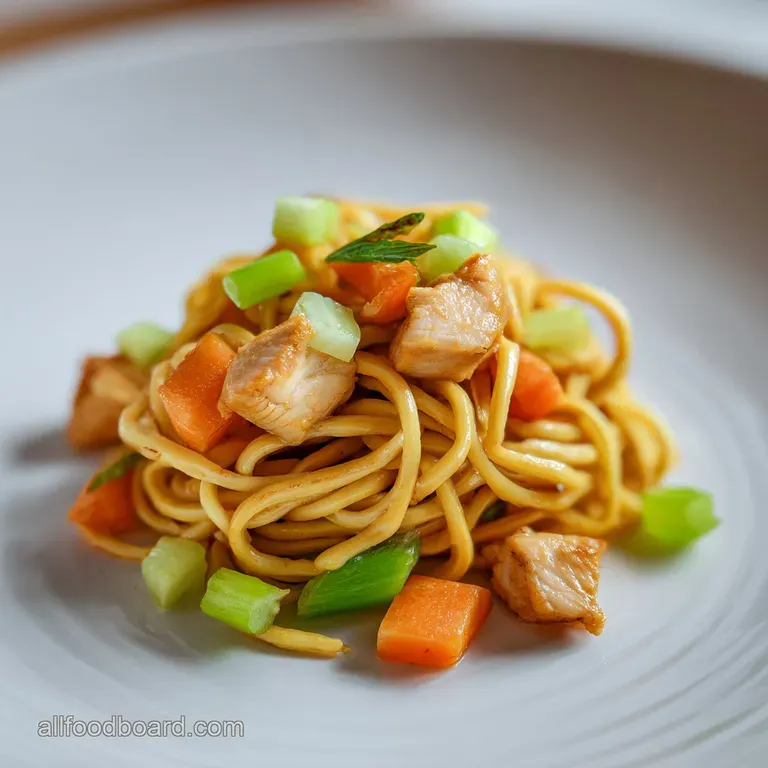
- Time:15 minutes prep + 20 minutes cook = Total 35 minutes
- Flavor/Texture Hook: Silky, cream based sauce with tender, golden brown chicken
- Perfect for: Cold weeknights, Budget-Friendly family dinners, or comforting meal prep
- Hearty One Pot Chicken and Noodles for Rainy Days
- Logic Behind the Texture
- The Ingredient Deep Dive
- Everything You'll Need
- The Essential Gear
- Making the Meal
- Fixing Common Issues
- Adjusting the Batch
- Adapting for Everyone
- Keeping Leftovers Fresh
- The Best Pairings
- High in Sodium
- Recipe FAQs
- 📝 Recipe Card
Hearty One Pot Chicken and Noodles for Rainy Days
That first sizzle of butter hitting the pot is the sound of a rainy Tuesday finally turning around. I remember one November evening when the wind was practically rattling the windows and the kids were restless.
I didn't have an hour to spend hovering over the stove, but I had a few basic staples in the pantry and a desire for something that felt like a warm hug in a bowl.
I've tried the fancy versions with hand-cut noodles and slow simmered stocks, but honestly, those aren't for a Tuesday. This version is about speed and smart shortcuts. It's the kind of meal that makes the whole house smell like a cozy kitchen, filling the air with a scent of thyme and sautéed onions that practically drags everyone to the dinner table without a fight.
You can expect a dish that isn't just a soup, but something closer to a creamy pasta bake, only made entirely on the stove. It's thick, comforting, and has just enough richness from the heavy cream to make it feel special, even though it uses the most basic ingredients you probably already have in your fridge.
Logic Behind the Texture
Starch Release: The egg noodles release starch directly into the broth as they simmer, which naturally thickens the liquid. This means we don't need to make a separate flour paste to get that heavy, comforting consistency.
Fat Emulsion: Combining butter and heavy cream at the end creates a stable emulsion. This binds the savory chicken juices to the noodles, ensuring the sauce clings to every bite rather than pooling at the bottom.
Protein Searing: Searing the chicken first creates a brown crust. This doesn't just add a nutty flavor, but it also prevents the meat from tasting "boiled" once it's reintroduced to the liquid.
| Method | Time | Texture | Best For |
|---|---|---|---|
| Stovetop | 35 mins | Silky and cohesive | Quick weeknights |
| Slow Cooker | 6 hours | Very tender, thinner | Set and forget days |
| Oven Bake | 45 mins | Slightly crusty top | Sunday family lunch |
Right then, let's talk about why we choose these specific ingredients. It's not just about taste, it's about how they behave under heat.
The Ingredient Deep Dive
| Ingredient | Science Role | Pro Secret |
|---|---|---|
| Egg Noodles | Thickening Agent | Use wide noodles for more surface area to hold sauce |
| Heavy Cream | Mouthfeel | Stir in at the very end to prevent splitting |
| Chicken Broth | Flavor Base | Low sodium allows you to control the salt balance |
| Butter | Flavor Carrier | Searing in butter and oil prevents the butter from burning |
Now, let's get into the actual shopping list. I've kept this budget smart, focusing on things that provide the biggest flavor punch for the lowest cost.
Everything You'll Need
The Main Elements 1.5 lbs boneless skinless chicken breast, cubed into 1 inch pieces Why this? Fast cooking and lean 2 tbsp unsalted butter Why this? Adds a rich, nutty depth 1 tbsp olive oil Why this? Raises the
Smoke point of the butter 1 medium yellow onion, finely diced Why this? Balanced sweetness 2 medium carrots, sliced into coins Why this? Natural sweetness and color 2 stalks celery, diced Why this? Essential savory
Base 4 cups low sodium chicken broth Why this? Prevents the dish from becoming too salty 1 cup heavy cream Why this? Creates the velvety finish 1 tsp garlic powder Why this? Even distribution of flavor 1/2 tsp onion
Powder Why this? Layers the aromatic profile 1 tsp dried thyme Why this? Earthy, classic pairing with chicken 12 oz wide egg noodles Why this? Sturdy enough to hold the sauce 1 tbsp fresh parsley, chopped Why
This? Adds a hit of freshness Salt to taste Black pepper to taste
Budget-Friendly Substitutions
| Original Ingredient | Substitute | Why It Works |
|---|---|---|
| Heavy Cream (1 cup) | Whole Milk + 1 tbsp Butter | Lighter result. Note: Sauce will be thinner |
| Fresh Parsley | Dried Parsley | Similar look. Note: Less punchy flavor |
| Chicken Breast | Chicken Thighs | Higher fat content. Note: More flavor, slightly more calories |
| Wide Egg Noodles | Rotini or Penne | Holds sauce well. Note: Changes the "classic" feel |
Since we're doing this in one pot, you don't need a mountain of gear. Just a few basics will do.
The Essential Gear
You'll want a large Dutch oven or a heavy bottomed pot. I prefer a Dutch oven because the thick walls distribute heat evenly, which prevents the cream from scorching on the bottom during the final stir. If you don't have one, a deep stainless steel pot works just fine.
A sharp chef's knife is key for the "coin" cut on the carrots. You want them uniform so they all soften at the same time. I also suggest using a silicone spatula or a wooden spoon to scrape the bottom of the pot. Those brown bits left over from searing the chicken are where the real flavor lives.
Making the Meal
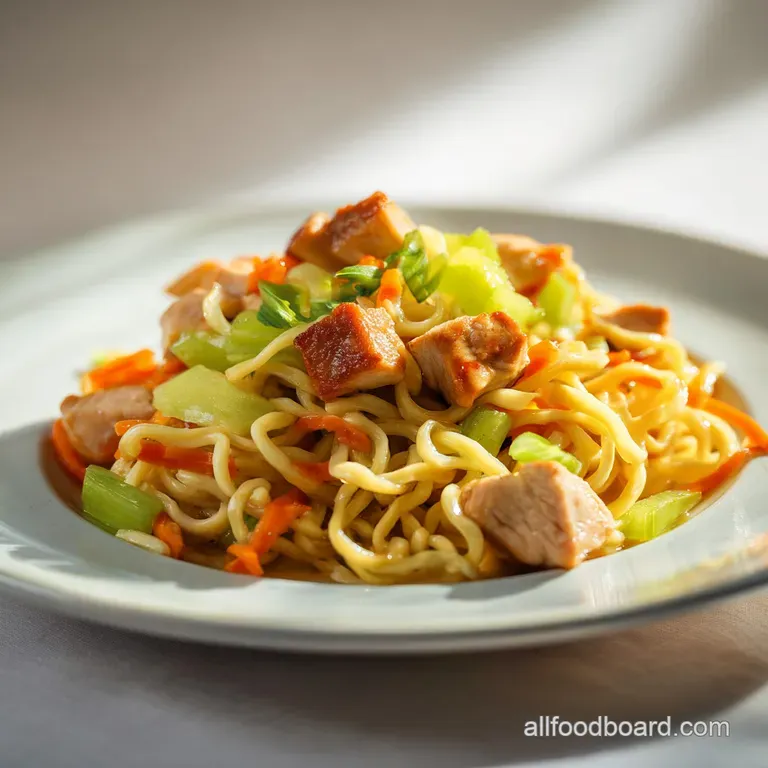
Let's crack on. Follow these steps and keep an eye on the visual cues so you know exactly when to move to the next phase.
- Heat the olive oil and 1 tablespoon of butter over medium high heat in your Dutch oven. Note: Using both prevents the butter from browning too quickly.
- Add the cubed chicken, season with salt and pepper, and cook until the edges are golden brown, about 5 minutes. Remove the chicken and set it aside on a plate.
- In the same pot, add the remaining butter, onion, carrots, and celery. Sauté until the onions are translucent and the carrots have softened slightly.
- Pour in the chicken broth and scrape the bottom of the pot to release the brown bits (fond). Note: This "deglazing" step is what makes the sauce taste deep and savory.
- Stir in the garlic powder, onion powder, and dried thyme. Bring the liquid to a rolling boil.
- Stir in the egg noodles, reduce heat to medium low, cover, and simmer for 7-9 minutes until noodles are al dente.
- Stir the seared chicken and any juices that collected on the plate back into the pot.
- Pour in the heavy cream and stir gently over low heat for 2-3 minutes until the sauce is velvety.
- Garnish with chopped fresh parsley before serving.
Precision Checkpoints
- Searing: Chicken should be golden on the outside (5 mins) but not fully cooked through yet.
- Simmering: Noodles should have a slight bite (al dente) at 8 minutes.
- Finishing: The cream should be fully integrated and shimmering, not separated.
Fixing Common Issues
Sometimes things go sideways in the kitchen, but it's usually an easy fix. The most common complaint with this dish is the consistency. If the sauce is too thin, you might have used too much broth or didn't simmer the noodles long enough to release their starch.
If the noodles turn out mushy, it's almost always because the heat was too high during the simmer or they were left in the pot too long after the heat was turned off. Remember that the noodles continue to cook in the residual heat of the sauce.
Why Your Sauce Is Too Thin
| Problem | Root Cause | Solution |
|---|---|---|
| Watery Sauce | Too much broth | Simmer uncovered for 3 mins to reduce |
| No Thickness | Undercooked noodles | Stir in 1 tsp cornstarch slurry |
| Split Cream | Heat too high | Remove from heat and whisk vigorously |
Common Mistakes Checklist
- ✓ Pat chicken completely dry before searing to ensure a golden crust.
- ✓ Don't skip scraping the brown bits from the pot; that's your flavor base.
- ✓ Use a lid during the noodle simmer to keep the moisture balanced.
- ✓ Add the cream over low heat to avoid curdling the dairy.
- ✓ Taste for salt only after adding the broth and cream.
Adjusting the Batch
If you're cooking for a crowd, you can easily double this. But trust me on this, don't just double the salt and spices. I've found that doubling spices often overpowers the dish. Go for 1.5x the seasonings first, then taste and adjust.
For the liquids, if you double the recipe, reduce the total broth by about 10% (use roughly 7 cups instead of 8). A larger pot holds more heat and evaporates liquid slower, so you don't want to end up with a soup.
If you're making a smaller batch, say for two people, use a smaller pot so the liquid doesn't evaporate too quickly.
If you're looking for other ways to use your chicken, my homemade garlic noodle soup is another fantastic way to get that comfort food fix using similar ingredients.
| Batch Size | Chicken | Noodles | Broth | Cook Time Change |
|---|---|---|---|---|
| Half (2 servings) | 0.75 lb | 6 oz | 2 cups | Reduce simmer by 1-2 mins |
| Double (8 servings) | 3 lbs | 24 oz | 7 cups | Extend sauté time by 5 mins |
Adapting for Everyone
Depending on who is sitting at your table, you might need to tweak a few things. I've tested a few versions of this, and while the classic is great, these swaps work well without ruining the vibe.
The dairy-free Version
Replace the heavy cream with full fat canned coconut milk. It's surprisingly neutral once mixed with the thyme and broth, though it adds a very slight tropical note. I'd recommend using a bit more black pepper to balance the sweetness of the coconut.
The Low Carb Swap
Instead of egg noodles, use spiralized zucchini or cauliflower florets. Since these don't release starch, your sauce won't thicken naturally. You'll need to stir in a teaspoon of xanthan gum or a small amount of cream cheese to get that creamy texture.
The gluten-free Option
Swap the egg noodles for a high-quality brown rice pasta or chickpea noodles. Be careful here: gluten-free noodles often overcook and turn to mush much faster than wheat noodles. Check them 2 minutes before the timer goes off.
The "Old Fashioned" Twist
For a more traditional, rustic feel, use hand-cut noodles (flour and egg). If you prefer a lighter broth, skip the cream entirely and finish with a squeeze of fresh lemon juice and a knob of butter. This tastes more like a classic Chicken and Egg Noodle dish.
Keeping Leftovers Fresh
This dish is actually great the next day, but there's a catch: the noodles act like sponges. By morning, they'll have absorbed almost all the sauce, leaving you with a thick mass. Don't panic, it's an easy fix.
Fridge Storage: Store in an airtight container for up to 3 days. When reheating, add a splash of chicken broth or milk to loosen the sauce back up.
Freezing: I generally don't recommend freezing the finished dish because the cream can separate and the noodles can get grainy. However, you can freeze the seared chicken and sautéed vegetables together. Just thaw and add the broth, noodles, and cream fresh when you're ready to eat.
Zero Waste Tips: If you have leftover carrot and celery scraps, toss them in a freezer bag. Once the bag is full, boil them with an onion and some peppercorns to make your own homemade chicken broth for the next time you make this.
The Best Pairings
Since this is such a rich, creamy dish, you want something on the side that cuts through the heaviness. A crisp, acidic salad is the way to go. A simple arugula salad with lemon vinaigrette or some roasted balsamic Brussels sprouts provide the perfect contrast.
If you're feeling extra hungry, a piece of toasted sourdough or a buttery garlic baguette is essential for mopping up the last bits of that velvety sauce. Honestly, don't even bother with fancy sides, the simplicity of this meal is its biggest strength.
Decision Shortcut
- Want it creamier? Add an extra 1/4 cup of heavy cream at the end.
- Want it zestier? Stir in 1 tsp of Dijon mustard with the broth.
- Want more veg? Add frozen peas during the last 2 minutes of simmering.
A Quick Note on Shortcuts
I often get asked if canned "cream of chicken" soup works here. You can do it, but it changes the flavor profile completely. The homemade version using broth and cream is cleaner and tastes more "homemade," whereas the canned version can taste a bit metallic and overly salty.
Stick to the broth and cream for a result that feels a bit more special.
Fresh vs. Shortcut Comparison
| Element | Fresh Approach | Shortcut Approach | Result |
|---|---|---|---|
| Broth | Homemade Stock | store-bought Carton | Fresh is deeper; store-bought is consistent |
| Noodles | Hand rolled | Dried Wide Egg | Hand rolled is chewier; dried is faster |
| Aromatics | Fresh Mirepoix | Frozen Onion/Carrot Mix | Fresh has a brighter, sweeter taste |
High in Sodium
815 mg 815 mg of sodium per serving (35% 35% of daily value)
The American Heart Association recommends a daily limit of 2,300 mg of sodium to maintain heart health and lower blood pressure.
Personalized Sodium Reduction Tips
-
Swap the Broth-30%
Replace low-sodium chicken broth with homemade sodium-free stock or water infused with fresh aromatics to significantly cut salt.
-
Skip the Added Salt-25%
Eliminate the 'salt to taste' and instead add a squeeze of fresh lemon juice at the end to brighten the flavor profile.
-
Low-Sodium Noodles-10%
Choose low-sodium or fresh homemade egg noodles, as commercially processed dried noodles often contain hidden salt.
-
Boost the Aromatics
Double the amount of fresh parsley and dried thyme to add depth and savory notes without needing extra salt.
Recipe FAQs
What is the best way to cook chicken for chicken and noodles?
Sear cubed pieces in olive oil and butter. Cook over medium-high heat for 20 minutes until the edges are golden brown, then remove the meat from the pot to prevent overcooking.
Can a person with diabetes eat chicken noodle soup?
Consult a physician first. The egg noodles and heavy cream in this recipe provide carbohydrates and fats that may impact blood sugar levels.
What can I make with chicken and pasta easily?
Experiment with different creamy sauces. If you enjoyed the one-pot approach here, you can apply a similar technique to a creamy lemon sauce.
What spices pair well with chicken and noodles?
Garlic powder, onion powder, and dried thyme. These three seasonings create a savory, earthy base that complements the heavy cream and chicken broth.
Why did my cream curdle in the pot?
The heat was too high. Stir in the heavy cream over low heat for 2–3 minutes to ensure the dairy incorporates smoothly without separating.
Is it true that I should boil the noodles separately before adding them?
No, this is a common misconception. Simmering the egg noodles directly in the chicken broth allows them to absorb the savory flavors of the liquid.
How to prevent the chicken from becoming tough?
Remove the seared chicken from the pot. Set the meat aside after the initial 5-minute sear and only stir it back in once the noodles are al dente.
Chicken and Noodles One-Pot: Silky and Creamy in 35 Min