Spaghetti Squash Bake with Brown Butter, Crispy Sage Parmesan
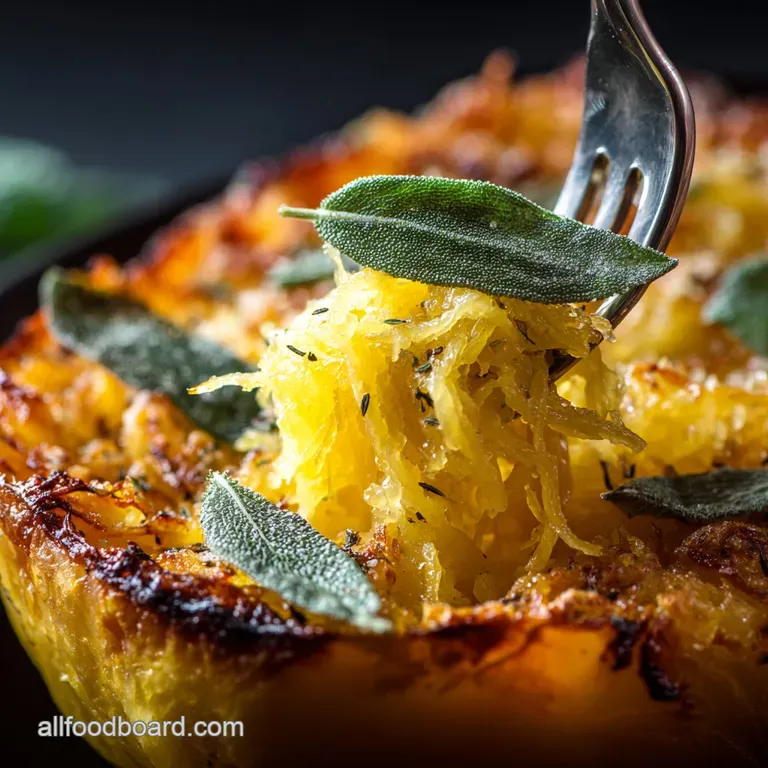
- The Ultimate Low-Carb Swap: Brown Butter Spaghetti Squash Bake
- Flavor Dynamics: Why Brown Butter and Sage is the Perfect Pairing
- Essential Components for the Best Spaghetti Squash Bake
- From Prep to Plate: Mastering the Spaghetti Squash Method
- Pro Tips for Troubleshooting Your Spaghetti Squash Bake
- Planning Ahead: Storage, Reheating, and Make-Ahead Notes
- Perfect Pairings: What to Serve Alongside Brown Butter Spaghetti Squash
- Recipe FAQs
- 📝 Recipe Card
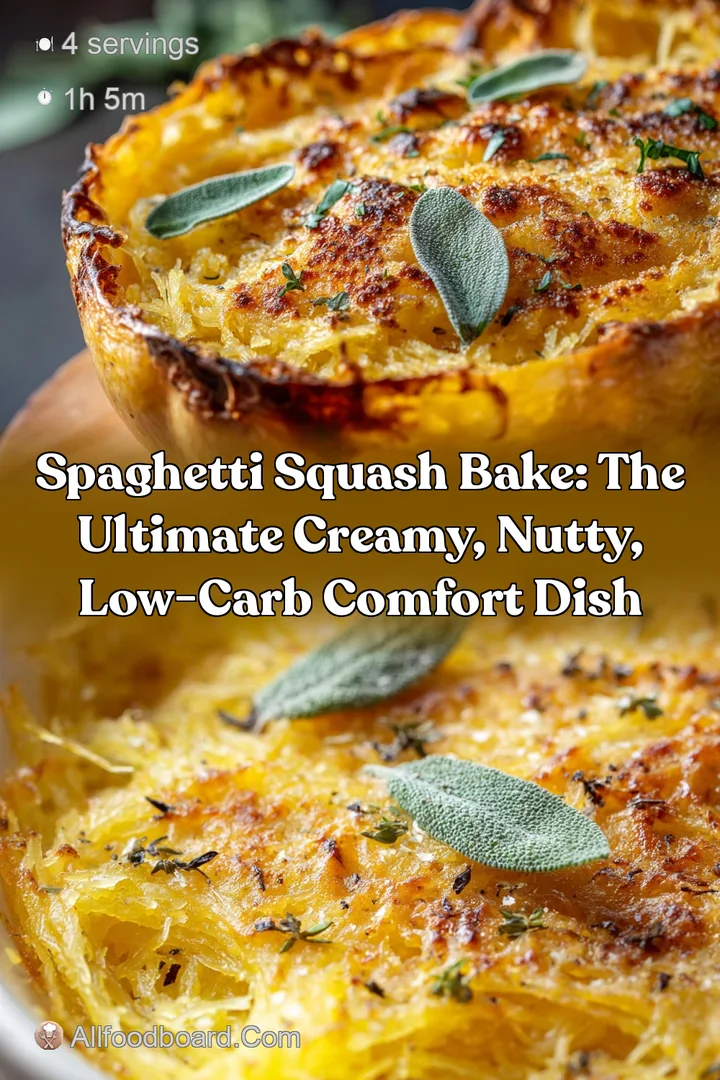
The Ultimate Low-Carb Swap: Brown Butter Spaghetti Squash Bake
Are you ready for the best smell ever to come out of your oven? This isn't just baking; it's aromatherapy. The scent of sweet, nutty squash mingling with sage leaves turning golden in foaming butter is deeply comforting and instantly signals autumn dinner perfection.
When you pull the squash out and scrape out those delicate, vibrant strands, you realize this isn't some pale imitation of pasta; it's a star in its own right.
Spaghetti squash used to intimidate me, honestly. I thought it was fussy and required special tools, but I was wrong. It’s an incredibly easy, hands off recipe that delivers maximum flavor for minimal effort.
If you need a gorgeous low-carb dinner or a stunning holiday side dish that won't require stirring for an hour, this Spaghetti Squash Bake is truly a lifesaver.
Forget boiling water or fussing with heavy sauces. We are giving this beautiful vegetable the treatment it deserves: a rich, simple brown butter sauce infused with garlic and crisp sage, finished with salty Parmesan. This is the Easy Holiday Recipe Low Carb dream come true.
Let's crack on and make this magic happen.
Flavor Dynamics: Why Brown Butter and Sage is the Perfect Pairing
Why Spaghetti Squash is the Underrated Pasta Alternative
We don't need to try and fake Italian night, we just need to appreciate the natural structure of the squash. Spaghetti squash has a slightly sweet, mild flavor and naturally separates into those delightful, firm strands.
Unlike zucchini noodles (zoodles) that get instantly soggy, the roasted squash maintains a lovely, springy texture. This structure makes it the ultimate vehicle for savory, concentrated flavors like brown butter.
A Deep Dive into Brown Butter: Flavor Science of Nutty Perfection
Browning butter is the culinary secret weapon that turns basic fat into an elixir that tastes like toasted hazelnuts and caramel. This transformation happens because of the Maillard Reaction , which is what browns the milk solids.
Those tiny brown flecks at the bottom of the pan are pure flavor bombs. They add an insane depth and complexity to the simple squash strands that plain melted butter simply cannot match.
Quick Glance: Prep Time, Cook Time, and Difficulty Level
This recipe is beautifully balanced in its timing. The active prep takes just 15 minutes, mostly just wrestling the Spaghetti Squash into submission. The bulk of the work is passive roasting, giving you plenty of time to set the table or pour yourself a glass of wine.
Achieving the Perfect 'Al Dente' Squash Strands
The biggest mistake people make is overcooking the squash until it's mushy and wet. We are aiming for tender yet still firm strands think of it like achieving that perfect al dente bite.
Roasting the squash cut-side down traps the moisture, ensuring even cooking and allowing the squash to steam itself just right, leading to maximum strand separation when shredded.
The Maillard Reaction: Browning Butter for Depth of Flavor
As I mentioned, the Maillard reaction is your friend here. We aren't just melting the butter; we are intentionally cooking out the water content and lightly scorching the milk proteins. Keep your heat medium and stir often. You want a rich, amber hue and that distinctive nutty aroma.
That scent is the signal that you have unlocked the best flavor possible for your Brown Butter Sage Spaghetti Squash .
Balancing the Richness: The Role of Garlic and Salty Parmesan
Brown butter is incredibly rich, and if left unchecked, the dish can feel heavy. That’s where the counter ingredients come in. The quick sautéed garlic adds a sharp, pungent bite, and a squeeze of fresh lemon juice at the end cuts through the fat beautifully.
Finally, the Parmesan contributes a salty, umami depth that pulls the entire dish together into a comforting Spaghetti Squash Casserole feeling.
Essential Components for the Best Spaghetti Squash Bake
Selecting the Right Spaghetti Squash: What to Look For
When picking your star vegetable, look for a squash that feels heavy for its size. The skin should be smooth and hard, with no soft spots or blemishes. A deep, consistent yellow color usually indicates good maturity and maximum flavor.
I aim for one in the 3 pound range; it provides generous servings without being overwhelmingly enormous.
Clarified Butter vs. Brown Butter: Ingredient Nuances
You might be tempted to use clarified butter (ghee) because it’s already pure fat, but don't do it! While ghee is shelf stable and great for over high heat searing, it lacks the milk solids necessary for browning.
Brown Butter relies entirely on those milk solids to create that signature nutty flavor and crispy flecks. It truly makes the dish.
Herb Heroes: Fresh Sage and Thyme Swaps
Fresh sage is the quintessential fall herb and pairs magically with the rich butter. We crisp the leaves first, which mellows their pungent flavor and gives them a wonderful texture for garnish.
| Ingredient | Substitute | Why it Works |
|---|---|---|
| Unsalted Butter | Ghee or high-quality Olive Oil | Provides fat, but skips the nutty flavor. |
| Fresh Sage | Fresh Thyme (2 tsp) or Rosemary (1 tsp) | Thyme is earthy; Rosemary is sharper, both handle heat well. |
| Parmesan Reggiano | Grated Pecorino Romano | Sharper and saltier profile. Use slightly less! |
| Garlic | Shallot (finely minced) | Milder, sweeter aroma that softens the garlic punch. |
Dairy Options: Keeping it Cheesy (and potential non-dairy substitutes)
This recipe is simple, so use the absolute best cheese you can afford. The saltiness and texture of freshly grated Parmesan are critical to the final bake. If you need a non-dairy option, a good quality nutritional yeast mixed with a little sea salt and garlic powder can provide a decent cheesy flavor, although it won't give you the same beautiful golden crust when baked.
From Prep to Plate: Mastering the Spaghetti Squash Method
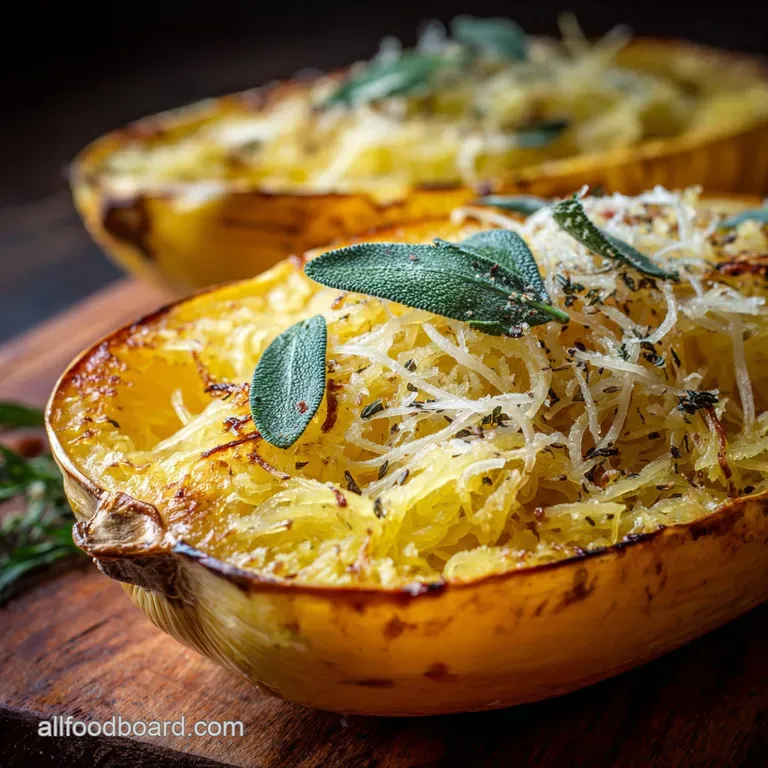
This Spaghetti Squash Cooking Time is perfect for a busy weeknight. Just follow these four phases for a dish that tastes like you spent hours on it.
Phase I: Safe and Efficient Prepping of the Whole Squash
This is the only dangerous part, so be careful! Take your time when halving the hard squash. My biggest mistake when I started was trying to cut through the stem; don't bother, it's too tough.
Hold the squash securely on a thick kitchen towel to prevent slipping, then slice lengthwise from tip to tip, avoiding the stem end if possible. Scoop out the seeds they are easy to remove with a sturdy metal spoon.
Chef's Note: If your squash is rock hard and fighting back, pierce it 5 6 times all over with a fork, then microwave it for 3 minutes. This softens the outer shell, making it infinitely safer and easier to slice.
Phase II: Roasting the Squash for Maximum Strand Separation
Brush the cut sides with oil, salt, and pepper. Place the halves cut-side down on the baking sheet. Roasting at 400°F (200°C) for 45 to 50 minutes is usually the sweet spot, guaranteeing that tender texture. It's done when the skin is easily pierced with a fork.
Let it cool slightly about ten minutes is enough before you attempt to shred it.
Phase III: Infusing the Brown Butter and Sage Sauce
This is where the flavor profile explodes. First, crisp the sage in the initial amount of butter until it's delicate and shatteringly crisp; set those leaves aside. Then, add the remaining butter and continue cooking until those gorgeous milk solids turn amber and the kitchen smells nutty.
Immediately remove the pan from the heat, then stir in your minced garlic and red pepper flakes. The residual heat cooks the garlic perfectly, preventing that acrid, burnt flavor.
Phase IV: The Final Bake and Golden Crust Finish
Pour that incredible sauce over the Spaghetti Squash strands in a large bowl and toss it all together with the Parmesan and lemon juice. I love finishing this dish back inside the cleaned out squash shell, creating a beautiful presentation and feeling more like a Spaghetti Squash Casserole .
Top it with the remaining Parmesan and give it just 5 minutes in the oven until the cheese is melted, golden, and bubbling.
Pro Tips for Troubleshooting Your Spaghetti Squash Bake
Mistake Alert: How to Prevent Watery Spaghetti Squash
This is the number one issue people face, making their low-carb creation sad and soggy. Squash naturally holds a lot of water. After shredding the strands, spread them on a baking sheet or place them in a colander.
Let them sit for five minutes, then gently press down with a paper towel or clean dish towel to wick away excess moisture. This simple step makes a HUGE difference in the final texture.
Maximizing Strands: Scraping Techniques for Long, Uniform Noodles
Instead of scraping randomly, use your fork to rake the squash flesh perpendicular to the lines created by the roasting process. Start from the edges and scrape towards the middle. This technique ensures you get those lovely, long strands the Spaghetti Squash Recipes Easy way! If you want to dive even deeper into creamy squash perfection, you might try my Fall Instant Pot Recipes UltraCreamy Butternut Squash Risotto sometime soon.
Temperature Matters: Getting the Roasting Heat Just Right
Roasting at 400°F (200°C) works because it balances the need for internal tenderness with the need for slight external caramelization. If you roast too low, the squash steams excessively and gets mushy. If you roast too high, the outside can burn before the inside is fully cooked into strands.
Planning Ahead: Storage, Reheating, and make-ahead Notes
Refrigerating Leftovers: Keeping the Strands Firm
Cooked and sauced Spaghetti Squash will keep beautifully in an airtight container in the fridge for up to 4 days. However, be aware that the strands will naturally soften and release a bit more moisture as they sit.
If you planned on reheating this in the oven, it's best to scrape out the strands and store the shells separately.
Freezing Cooked Spaghetti Squash: Best Practices
But does it freeze well? You bet, but here's the trick: Freeze the strands plain. Shred the cooked squash, gently press out all the excess moisture, and flash freeze it in a single layer on a sheet pan before transferring it to a freezer bag or container. It lasts 3 4 months.
When ready to use, thaw completely in the fridge, pressing out any released water before adding the brown butter sauce.
Reviving the Dish: Reheating Without Sacrificing Texture
Avoid the microwave if possible, as it adds too much internal steam. For best results, spread the leftovers in a single layer on a parchment lined baking sheet and reheat in the oven at 350°F (175°C) for 10– 15 minutes.
This warms it through while drying the strands slightly, keeping them from turning mushy. You can also quickly toss it in a skillet over medium heat.
Perfect Pairings: What to Serve Alongside Brown Butter Spaghetti Squash
Because this Low-Carb Spaghetti Squash Bake is so rich and savory, you need something light and bright to contrast it.
- Simple Protein: A quick seared scallop or a pan-fried trout fillet keeps the meal light.
- Green Salad: A vibrant salad with crisp apples, walnuts, and a sharp apple cider vinaigrette cuts through the richness beautifully.
- More Squash? Absolutely. If you’re like me and can’t get enough of seasonal gourds, this pairs wonderfully with the sweetness of my Crockpot Caramelized Butternut Squash and Apples with Maple Sage if you're serving a crowd that needs a blend of sweet and savory side dishes. If you prefer a full bodied savory option, try this amazing Fall Crockpot Recipes Velvety Butternut Squash Curry as a main, served with the spaghetti squash on the side.
Recipe FAQs
What is the safest way to cut a hard spaghetti squash in half?
Spaghetti squash can be tough, so pre-softening is key for safety. Puncture the squash several times with a fork and microwave it for 3 to 5 minutes to slightly soften the exterior.
Then, use a large, sharp knife, cutting vertically from stem to end while stabilizing the squash on a cutting board placed over a damp towel.
Why are my spaghetti squash strands crunchy or watery after roasting?
Crunchiness indicates the squash was under roasted; ensure it is easily pierced with a fork before removing it from the oven. If the squash is watery, it likely needs draining; after shredding the strands, place them in a colander for five minutes to allow excess moisture to drip away before combining with the sauce.
My brown butter burned instead of turning nutty. What did I do wrong?
Brown butter requires constant attention and medium heat, as it transitions very quickly from golden to scorched. Ensure you use a light colored pan so you can clearly monitor the color of the milk solids as they cook.
Once the foam subsides and the solids turn an amber color, remove the pan immediately from the heat to stop the cooking process.
Can I make this Brown Butter & Sage bake dairy-free or vegan?
Yes, you can easily adapt this dish. Substitute the butter with a high-quality neutral oil, like avocado oil, or a vegan butter substitute to create the base sauce. For the Parmesan, use a generous amount of nutritional yeast which provides a remarkably savory, cheesy flavor profile.
Can I roast the squash ahead of time to save dinner prep?
Absolutely; prepping the squash in advance is a great time saver. You can roast, cool, and shred the strands up to three days ahead, storing them in an airtight container in the refrigerator. When ready to use, gently warm the strands before tossing them with the freshly prepared brown butter and sage sauce.
How should I store leftovers, and does this dish freeze well?
Store baked leftovers in an airtight container in the refrigerator for up to 4 days, reheating them gently in the oven or microwave. While the flavor holds up, freezing is not recommended as the spaghetti squash contains a high water content and will likely become overly mushy and icy upon thawing.
Can I use different herbs instead of sage?
Yes, feel free to experiment with the aromatics based on preference. Thyme is an excellent alternative that pairs beautifully with the brown butter’s nutty flavor. You could also try finely chopped rosemary, but use it sparingly as its flavor is quite strong and pungent.
Brown Butter Sage Spaghetti Squash Bake
Ingredients:
Instructions:
Nutrition Facts:
| Calories | 274 kcal |
|---|---|
| Protein | 11.8 g |
| Fat | 23.9 g |
| Carbs | 3.0 g |
