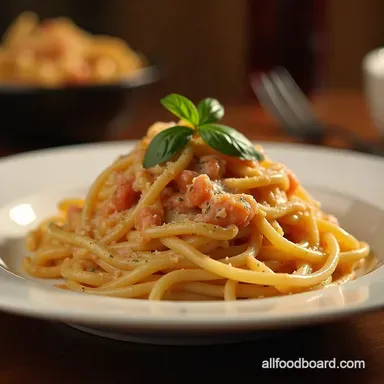
The Purists Guide to Classic Spaghetti Carbonara Authentic Roman Style
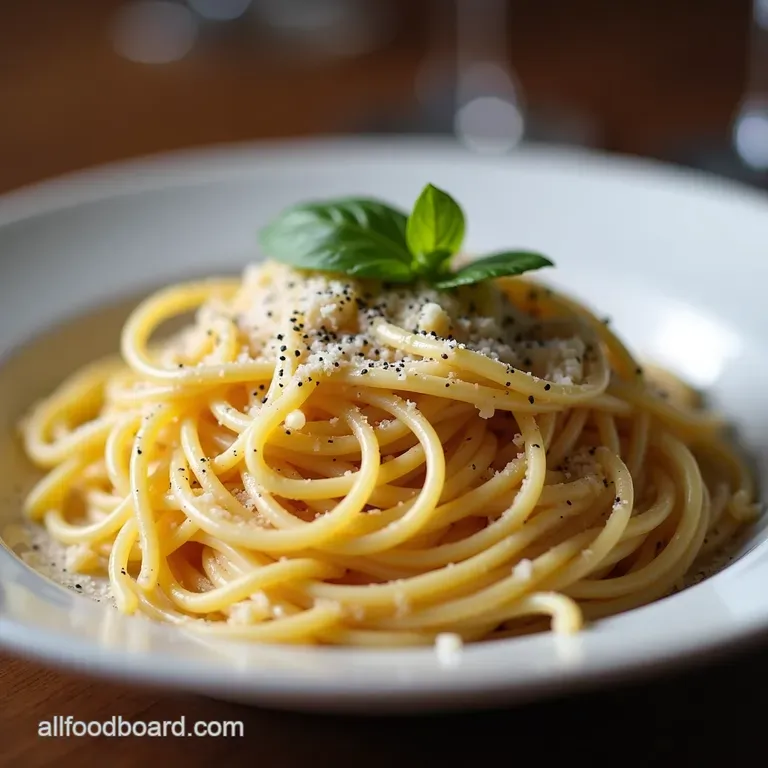
- The Unadulterated Truth: Why This Classic Carbonara Recipe Matters
- Busting the Myth: Understanding True Roman Pasta Alchemy
- The Sacred Five: Sourcing Components for Perfect Carbonara
- Essential Toolkit: Preparing Your Station for Success
- Phase One: Rendering the Guanciale Fat (The Flavor Foundation)
- The Art of Tempering: Creating the Velvety Egg Mixture (The Magic Step)
- Final Assembly: Combining Heat, Pasta, and Sauce Without Scrambling
- Troubleshooting Common Errors in Your Homemade Carbonara
- Beyond Rome: Exploring Acceptable (But Minor) Variations
- Recipe FAQs
- 📝 Recipe Card
The Unadulterated Truth: Why This Classic Carbonara Recipe Matters
Welcome to the definitive guide to one of Italy’s most cherished, yet most misunderstood, pasta dishes: the Classic Carbonara . This is not a quick weeknight meal built around convenience; it is a culinary manifesto.
When prepared correctly, this Authentic Carbonara Recipe transforms five humble components into a silken, richly savoury experience that defies its short ingredient list.
Forget the heavy, cream laden imitations you might have encountered; we are diving deep into the technique required to achieve the true Roman standard. Understanding why each step matters is the key to unlocking the perfect Carbonara Sauce Recipe that clings lovingly to every strand of pasta.
Busting the Myth: Understanding True Roman Pasta Alchemy
The beauty of the Classic Carbonara Ingredients lies in their scarcity. In Rome, the power of this dish comes entirely from technique, relying on the heat of the freshly cooked pasta and the starchy cooking water to emulsify the rich egg and cheese mixture.
The goal is absolute luxury on the palate without adding any dairy fat beyond what is naturally rendered. This process, which takes mere moments, separates a masterpiece from a mediocre attempt.
For those seeking the Best Carbonara Pasta Recipe , patience in preparation and speed in assembly are your two best allies.
What Makes This Recipe Non-Negotiable for Purists?
For the purist, the non-negotiable elements are guanciale (cured pork jowl), Pecorino Romano cheese, eggs, black pepper, and pasta. If you substitute guanciale with bacon, or Pecorino with standard Parmesan, you are making a delicious pasta dish, but you are not making genuine Classic Carbonara Pasta .
The sharp salinity of the Pecorino and the distinct flavour profile of the rendered pork jowl fat are foundational. On top of that,, we rely solely on the yolks (plus one whole egg for structure) to ensure a deeply coloured, luxurious finish, sidestepping the need for fillers entirely.
Setting the Stage: The Deceptive Simplicity of Authentic Flavor
The ingredient list for this Easy Carbonara Recipe is short: 6 ounces of guanciale , 1 pound of spaghetti or rigatoni, 4 egg yolks plus 1 whole egg, 1 cup of Pecorino Romano, and plenty of black pepper. This simplicity is deceptive.
Because there are so few components, the quality of each one shines through or, conversely, any flaw is magnified. We aim for a total cooking time of about 35 minutes, but the final two minutes of assembly demand intense concentration.
Why Cream is a Cardinal Sin in Genuine Carbonara Preparation
The concept of adding cream to Carbonara is, frankly, an insult to Roman culinary tradition. The term "creamy" when describing this dish refers exclusively to the texture achieved through perfect emulsification, not the addition of heavy cream.
Our velvety texture is created when the hot, starchy water mixes with the fat from the guanciale and the egg mixture, creating a stable suspension. Adding cream introduces unnecessary bulk, muffles the sharp notes of the cheese, and fundamentally alters the mouthfeel, resulting in a heavy, flat sauce.
We are making Carbonara No Cream , and loving every authentic minute of it.
The Sacred Five: Sourcing Components for Perfect Carbonara
Since this dish relies on the alchemy of only five main ingredients, quality control starts here. Sourcing correctly ensures that when you cook, you are merely combining perfect elements rather than trying to cover up subpar ones.
The proper preparation for four servings requires precision in measurement, but more importantly, precision in selection.
Essential Toolkit: Preparing Your Station for Success
Before any heat touches the pan, your mise en place must be flawless. Because the final mixing stage happens so quickly, you cannot afford to be chopping or grating while the pasta is cooling down.
Having a large skillet ready to receive the pasta and a bowl pre-mixed with the eggs is paramount for success in creating that stable emulsion.
Guanciale Gold: Why Cured Pork Jowl Reigns Supreme
While bacon offers a smoky flavour and pancetta is closer in texture, neither delivers the specific melt and flavour profile of guanciale . This cured pork jowl has a higher fat-to-meat ratio than bacon, and crucially, its fat renders out clean and sweet, forming the flavour base for the entire dish.
Dice your 6 ounces into uniform 1/2 inch cubes for even cooking.
Pecorino Romano vs. Parmesan: Achieving the Right Salinity and Texture
Pecorino Romano, made from sheep’s milk, is essential. It offers a sharp, tangy, and intensely salty flavour that cuts through the richness of the egg yolks and pork fat. We use a full cup (about 100 grams) of this cheese, finely grated, mixed directly into the egg base.
If you find the flavour too strong, you can cheat slightly by substituting about 25% of the Pecorino with Parmigiano Reggiano, but keep Pecorino as the dominant profile.
The Crucial Role of Egg Yolks in Emulsification (No Whole Eggs Allowed)
For a truly rich and thick Carbonara Sauce Recipe , we use four large egg yolks supplemented by only one whole egg. The yolks provide the necessary fat and lecithin to create a stable emulsion when heated gently.
Using only yolks prevents the sauce from becoming too thin or watery, which can happen if too much white (albumen) is introduced.
Selecting the Ideal Pasta Shape for Maximum Sauce Adherence
While Spaghetti is the most iconic choice for Classic Carbonara Pasta , thicker, bronze die-cut pasta shapes are arguably even better because their rougher surface texture grabs onto the sauce more effectively.
Rigatoni or bucatini are fantastic alternatives that ensure no precious sauce is left behind in the bowl. Ensure your pasta is cooked until very al dente —about one minute less than the package suggests.
Related Recipes Worth Trying
- The Ultimate Silky Smooth Classic Hummus Recipe — Forget grainy dips This is the Best Ever Hummus Recipe for truly authentic velvety Mediterranean creaminess using simple steps See our easy technique
- The Quintessential Classic House Salad with Tangy Vinaigrette — Forget limp lettuce This Classic House Salad recipe delivers unbeatable crispness and my foolproof tangy vinaigrette The perfect easy side salad idea for...
- The Perfect Classic House Salad Tangy Vinaigrette — Master the authentic Classic House Salad This easy recipe pairs crisp iceberg and romaine with a bright punchy dressingthe perfect simple garden salad for...
Phase One: Rendering the Guanciale Fat (The Flavor Foundation)

Place your diced guanciale into a cold, large, heavy bottomed skillet. Turn the heat to medium low. This slow rendering process is crucial; you want the fat to melt out slowly, crisping the meat without burning it. This might take 10 to 12 minutes.
Once the cubes are golden brown and crisp, use a slotted spoon to transfer them onto a side plate, leaving every drop of the golden, flavourful rendered fat in the skillet. This fat is the backbone of the dish.
The Art of Tempering: Creating the Velvety Egg Mixture (The Magic Step)
While the guanciale is rendering, dedicate time to preparing your egg mixture in a separate medium bowl. Vigorously whisk the 4 yolks and 1 whole egg with the finely grated Pecorino Romano and a generous 2 teaspoons of freshly ground black pepper.
You are looking for a thick, almost paste like consistency. In a flavourful side step, you can briefly toast half of your black pepper in a small dry pan until fragrant before mixing it in this elevates the resulting aroma considerably.
Final Assembly: Combining Heat, Pasta, and Sauce Without Scrambling
This final assembly happens rapidly. Have your pot of salted, boiling water ready, and ensure the skillet with the rendered fat is off the heat source. Speed and constant motion are key to achieving a beautiful, glossy Carbonara Sauce Recipe without scrambling the eggs.
Step-by-step: Achieving Crispy Edges on Your Guanciale
As mentioned, the guanciale must be cooked slowly until it releases its fat and achieves a deep, mahogany colour and crisp texture. Set these aside immediately after rendering. They will be sprinkled on top at the very end to maintain their satisfying crunch.
How Much Pasta Water is Necessary to Perfect the Emulsion?
Before draining your al dente pasta, reserve at least 1.5 cups of the starchy cooking water. This cloudy, salty water is liquid gold; it contains starch molecules that help bind the fat and the egg proteins together. We will use it strategically, a splash at a time, to control the final consistency.
The Critical 'Off-Heat' Mixing Technique for Creamy Results
Transfer the al dente pasta directly into the skillet containing the warm (but not sizzling) rendered guanciale fat. Toss quickly to coat the strands. Now, remove the skillet completely from the heat source .
Slowly stream in about 1/2 cup of the reserved hot pasta water while tossing constantly. This begins to create a thin, emulsified coating around the pasta. Next, immediately pour the egg and cheese mixture over the pasta while tossing continuously and vigorously with tongs.
The residual heat of the pasta cooks the egg just enough to thicken it into a smooth cream, not scramble it. If the sauce looks too tight, add more pasta water, one tablespoon at a time, until it reaches a luscious, coating consistency.
Plating and Immediate Serving: Timing is Everything in Making Carbonara
Serve immediately in warmed bowls. Stir most of the crispy guanciale pieces back into the pasta just before plating. Top each portion with a final flourish of extra grated Pecorino, the remaining crunchy guanciale bits, and one last, coarse grind of black pepper.
This dish suffers immediately if left to sit; the heat required for the emulsion to hold dissipates quickly.
Troubleshooting Common Errors in Your Homemade Carbonara
The most common failure point is scrambling the eggs. If your sauce looks clumpy or grainy, the pan was too hot when the eggs were added, or you paused tossing for too long. Conversely, if the sauce is too runny after mixing, it means the emulsion hasn't fully stabilized toss more rapidly while adding another small splash of hot pasta water until it thickens.
Beyond Rome: Exploring Acceptable (But Minor) Variations
While true adherence to the five ingredients is the goal, home cooks sometimes face ingredient scarcity.
What To Do If Your Sauce Looks Too Thick or Too Runny
If the sauce thickens beyond your liking often happening because the pasta continues to absorb liquid after plating add reserved hot pasta water a tablespoon at a time while vigorously stirring the pasta until the glossy sheen returns.
If it is runny, it usually means the pan was too cool when the eggs were added. Unfortunately, this is harder to fix, but continuous aggressive tossing over very low residual heat may help tighten it slightly without curdling.
Storing Leftovers (A Warning on Texture Changes)
Classic Carbonara is truly a make and-eat dish. If refrigerated, the egg and fat components will seize and separate, forming a hard, nearly inedible block. If you must store leftovers, reheat very gently in a saucepan over the absolute lowest heat, thinning aggressively with fresh milk or cream (ironically, using cream only for reheating) or a little fresh pasta water until it loosens into something resembling a sauce again.
Nutritional Snapshot: Decoding the Richness of Real Carbonara
This Family Style Pasta Dish is intensely flavourful, which means a little goes a long way. Be aware that due to the high content of cured pork and Pecorino cheese, this dish is naturally high in sodium and saturated fats.
It is a dish to be savoured in moderation, appreciating its complexity rather than seeking volume.
A Note on Pepper: Toasting for Maximum Aromatic Impact
Do not rely on pre-ground pepper here. Use whole, high-quality peppercorns and grind them coarsely just before use. For an added dimension of flavour, take about half of the required pepper and toast it lightly in the rendered guanciale fat for 30 seconds before you scoop out the meat.
This gentle heating releases volatile aromatic oils, ensuring your Classic Carbonara has a deep, spicy fragrance that perfectly complements the sharp cheese.
Recipe FAQs
What is the absolute key to stopping my Classic Carbonara sauce from turning into scrambled eggs?
This is the million dollar question! The trick is heat management. You must take the pan completely off the hob before adding the egg and cheese mixture. The residual heat from the freshly drained, piping hot pasta and the warm rendered pork fat is just enough to gently cook the eggs into a silky sauce, not scramble them.
Think gentle warming, not frying!
Can I really not use cream in a Classic Carbonara? What is the magic replacement for creaminess?
Absolutely no cream allowed if you’re aiming for authentic Roman style it’s sacrilege, quite frankly! The "magic" is pure culinary alchemy achieved through emulsification.
It's the perfect combination of the starchy, hot pasta water, the melted pork fat from the guanciale, and the grated Pecorino cheese that whips together to create that luscious, velvety coating.
My recipe calls for guanciale, but I can only find bacon or pancetta. What should I use?
Ideally, stick to the script and find guanciale (cured pork jowl); it renders a uniquely sweet and fragrant fat that is essential to the flavour profile. If you are in a real pickle, unsmoked pancetta is the next best bet.
If you use bacon, be aware that the smoky flavour will change the dish quite significantly it will taste good, but it won't be the true Carbonara you were aiming for.
How far in advance can I prepare the egg and cheese mixture?
You can happily prepare the egg/cheese/pepper paste about an hour or so ahead of time and keep it covered in the fridge. However, for the best texture, take it out about 15 minutes before you plan to use it so it’s not ice cold when you introduce it to the hot pasta.
Remember, the colder the mixture, the more likely the pasta needs extra starchy water to loosen the sauce during tossing.
Is this dish suitable for freezing or reheating?
Oh, I’m afraid not, mate. Carbonara really hates being stored. The emulsion of egg, fat, and starch breaks down rapidly once cooled, and reheating it almost guarantees a dry, clumpy mess or scrambled eggs.
This dish must be cooked fresh and served immediately it’s a feast meant to be devoured piping hot!
Authentic Classic Carbonara