Authentic Thai Steamed Dumplings
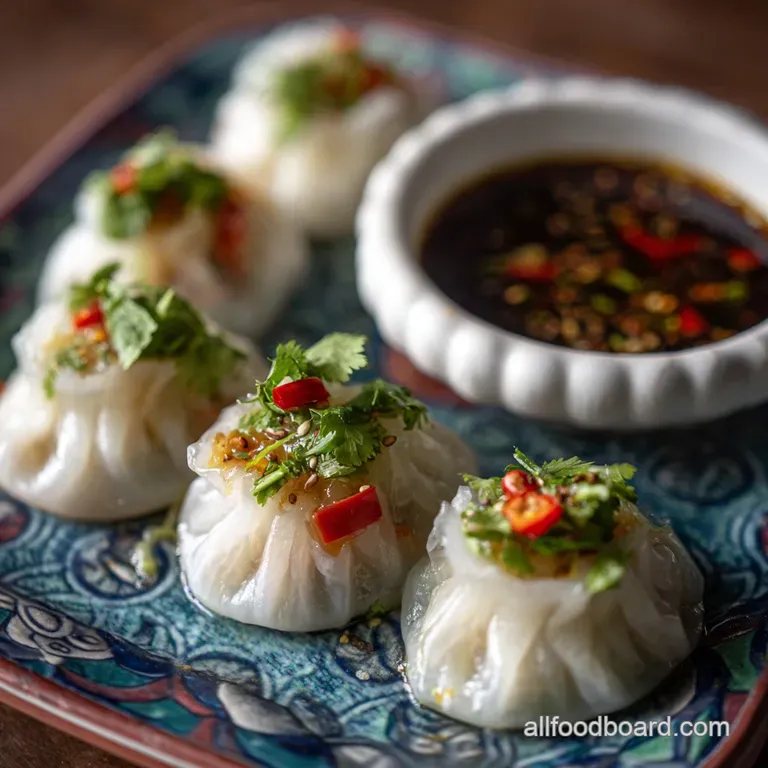
- Time: Active 40 minutes, Passive 12 minutes, Total 52 minutes
- Flavor/Texture Hook: Velvety filling with a bouncy bite and a shatter crisp garlic topping
- Perfect for: Impressive appetizers or a weekend dim sum project
- A Bold Flavor Guide to Thai Steamed Dumplings
- Essential Specs for Dumpling Success
- Selecting Elements for the Filling
- Tools for Street Food Perfection
- Mastering the Art of Folding
- Solving Common Texture Problems
- Dynamic Twists on Pork Filling
- Keeping Your Dumplings Fresh
- Creating a Street Food Experience
- Recipe FAQs
- 📝 Recipe Card
A Bold Flavor Guide to Thai Steamed Dumplings
The second you lift that bamboo lid, a dynamic cloud of white pepper and toasted garlic hits your face like a warm embrace from a Bangkok night market. I remember standing on a street corner in Sukhumvit, watching a vendor flick these little parcels into a steamer with mesmerizing speed.
The aroma wasn't just "food" it was a punchy, fragrant promise of the umami bomb to come. That’s what we’re recreating today: the legendary Kanom Jeeb, a dish that defines the bold, nostalgia soaked soul of Thai street food.
We aren't aiming for a subtle, quiet snack here. These dumplings are about high contrast textures the velvety, springy interior meeting the delicate slip of a wonton wrapper, all crowned with garlic bits that shatter between your teeth.
If you've ever felt like your homemade dumplings were missing that "restaurant bounce," you’ve likely been skipping the emulsification step. We’re going to fix that right now.
Forget the timid, under seasoned versions you might find in a frozen aisle. We are using coriander roots, heavy hitting white peppercorns, and a specific mixing technique that transforms ground meat into a cohesive, snappy masterpiece.
By the time you're done, your kitchen will smell like the best hidden alleyway in Thailand, and you'll never look at a plain pork bun the same way again.
Essential Specs for Dumpling Success
The Physics of the Protein Bounce: Aggressive mixing of cold pork with salt and tapioca starch develops actomyosin, a protein network that creates a snappy, springy texture rather than a crumbly meatball.
This emulsification process is the secret to that signature "bouncy" bite found in professional dim sum.
| Method | Time | Texture | Best For |
|---|---|---|---|
| Classic Steamed | 12 minutes | Silky, translucent, juicy | Authentic street food texture |
| Pan Sear & Steam | 15 minutes | Crispy bottom, tender top | Fusion "Potsticker" style |
| Air Fry (Flash) | 8 minutes | Crunchy, firm, drier | Quick snacks with bold crunch |
Making these for a crowd? It's easier than you think to scale up, but the key is keeping your wrappers covered. If they dry out, the edges won't seal, and you'll lose all that precious juice to the steamer water.
I’ve learned that lesson the hard way so you don't have to trust me, a damp paper towel is your best friend here.
Selecting Elements for the Filling
| Ingredient | Science Role | Pro Secret |
|---|---|---|
| 300g Ground Pork | Fat provides the "juiciness" and binds the lean shrimp proteins. | Use a 20% fat blend; lean pork makes for a rubbery dumpling. |
| 200g Raw Shrimp | High myosin content creates the distinctive "snap" when bitten. | Roughly chop instead of pulsing to preserve texture chunks. |
| 2 tbsp Tapioca Starch | Acts as a moisture locking agent to prevent the filling from drying. | Never swap for flour; starch keeps the filling translucent and tender. |
| 4 Coriander Roots | Provides a deep, earthy citrus base that leaves don't have. | Scrub the roots thoroughly; the dirt hides in the crevices. |
For the most authentic flavor, you really want to source those coriander roots. If you can only find cilantro with the stems, use the bottom most stems, but the roots are where the aromatic gold lives. I usually grab an extra bunch at the market just to ensure I have enough for that pungent base.
- 300g ground pork (lean blend): Substitute with ground chicken thighs Why this? Maintains fat content for juice.
- 200g raw shrimp (chopped): Substitute with minced shiitake mushrooms Why this? Provides a similar earthy umami.
- 35 round wonton wrappers: Substitute with square wrappers trimmed into circles Why this? Prevents thick, doughy corners.
- 1/2 cup water chestnuts: Substitute with jicama Why this? Provides that essential crunch.
- 1 tbsp white peppercorns: Substitute with 2 tsp ground white pepper Why this? Freshly toasted peppercorns are sharper.
- 1 tbsp oyster sauce: Substitute with mushroom sauce Why this? Offers the same viscous saltiness.
- 1 tsp sesame oil: Substitute with toasted walnut oil Why this? Adds a similar nutty depth.
Tools for Street Food Perfection
You don't need a professional kitchen, but a few specific tools make the assembly line move much faster. A bamboo steamer is the gold standard because the wood absorbs excess moisture, preventing the "soggy bottom" syndrome that plagues metal steamers.
If you're using metal, you'll need to wrap the lid in a kitchen towel to catch the condensation drips.
A mortar and pestle is non negotiable for the "Three Friends" (garlic, pepper, coriander root). You want to bruise the fibers and release the oils, not just chop them. This creates a paste that perfumes the meat from the inside out. If you're looking for more vibrant flavors to round out your meal, this peppery base is a great precursor to the bright notes in my Thai Chicken Lettuce recipe.
Chef's Tip: Use a small cookie scoop (about 1 tablespoon) to portion the filling. This ensures every dumpling cooks at the exact same rate and looks uniform on the plate.
Mastering the Art of Folding
1. Create the Aromatic Foundation
Pound the 5 garlic cloves, 4 coriander roots, and 1 tbsp white peppercorns into a smooth paste. Smell Check: The aroma should be sharp, pungent, and slightly spicy.
2. Emulsify the Filling for Maximum Bounce
In a large bowl, combine the 300g pork, 200g chopped shrimp, water chestnuts, and the aromatic paste. Add the egg white, 2 tbsp tapioca starch, oyster sauce, soy sauce, sugar, and sesame oil. Mix vigorously in one direction for 5 minutes until the meat becomes tacky and pale.
Note: This mechanical action develops the "springy" texture.
3. Assemble with Precision
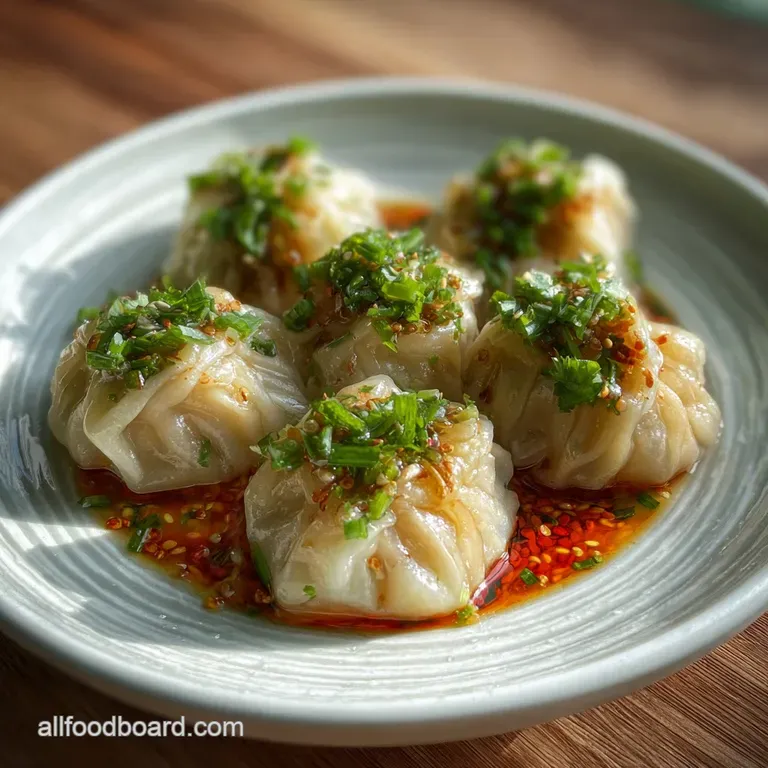
Place 1 tbsp of filling in the center of a wonton wrapper. Moisten the edges with water. Pleat the edges upward, leaving the top open like a little crown. Note: Squeeze the "waist" of the dumpling gently to ensure the filling is packed tight.
4. The Gentle Steam
Line your steamer with perforated parchment or cabbage leaves. Arrange the 35 dumplings so they don't touch. Steam for 12 minutes until the wrappers are translucent and the pork is firm. Note: Over steaming will make the wrappers mushy.
5. The Golden Finish
While steaming, prepare the topping. If you aren't using pre made garlic oil, sizzle minced garlic in neutral oil until it turns a pale straw color. Smell Check: The garlic should smell nutty and toasted, not burnt.
6. Whisk the Dipping Sauce
Combine the black soy sauce, light soy sauce, rice vinegar, and chili oil. Note: The sweetness of the black soy balances the heat of the chili oil.
7. The Final Garnish
Brush the hot dumplings generously with the garlic oil and top with the fried garlic bits. Note: The oil prevents the dumplings from sticking together as they cool.
8. Serve Immediately
Plate the dumplings while the steam is still rising. The contrast between the hot, juicy interior and the cool, tangy dipping sauce is the hallmark of stellar Kanom Jeeb.
Solving Common Texture Problems
Why Your Dumplings Fall Apart
The most common culprit is a lack of binding. If you skip the "vigorous mixing" step or forget the egg white and starch, the meat will cook as separate grains rather than a cohesive mass. Think of it like making a sausage; you need that protein bond to hold everything together.
Why the Wrappers are Gummy
This usually happens when the steam isn't hot enough or there is too much condensation dripping from the lid. Ensure your water is at a rolling boil before adding the steamer basket, and never peek during the 12 minutes!
Each time you lift the lid, the temperature drops and the steam turns into heavy water droplets.
| Problem | Root Cause | Solution |
|---|---|---|
| Dry, grainy filling | Using too much lean pork | Ensure a 20% fat ratio in the pork blend. |
| Hard, dry edges | Wrappers dried during assembly | Keep unused wrappers under a damp cloth. |
| Soggy bottoms | Trapped moisture in the steamer | Use perforated liners or a bamboo steamer. |
Common Mistakes Checklist
- ✓ Don't over process the shrimp into a paste; chunks are essential for texture.
- ✓ Always mix the filling in one direction to align the protein fibers.
- ✓ Ensure the water chestnuts are minced finely so they don't pierce the wrappers.
- ✓ Never crowd the steamer; leave 2cm of space between each dumpling.
- ✓ Brush with garlic oil immediately after steaming to lock in moisture.
Dynamic Twists on Pork Filling
If you want to move away from the classic pork and shrimp, you can easily adapt this base. For a lighter version, ground chicken thighs work brilliantly, though you may need to add an extra teaspoon of sesame oil to compensate for the lower fat content. This "bouncy" technique is actually quite similar to the one used in my Heavenly Homemade Dumplings recipe, though the flavor profile here is much more aggressive on the pepper.
- For a Spicy Kick: Fold 1 tsp of finely minced bird's eye chilies directly into the pork mixture before assembly.
- For a Lighter Bite: Replace half the pork with minced firm tofu, but double the tapioca starch to help with binding.
- For an Umami Blast: Add 1 tbsp of finely minced dried shrimp (soaked and drained) to the "Three Friends" paste.
Keeping Your Dumplings Fresh
Storing these is a breeze if you do it right. If you have leftovers, let them cool completely before placing them in an airtight container. They’ll stay vibrant in the fridge for up to 3 days. To reheat, don't even think about the microwave it will turn the wrappers into rubber.
Instead, re steam them for 3-4 minutes until they are heated through.
For long term storage, these dumplings are better frozen raw. Place the assembled dumplings on a tray, making sure they aren't touching, and freeze until solid. Once they're like little rocks, toss them into a freezer bag. They'll keep for 2 months.
You can steam them directly from frozen; just add 4-5 minutes to the total cooking time.
Zero Waste Tip: Don't throw away the cilantro stems if you didn't use them in the paste. Finely mince them and add them to your dipping sauce for a fresh, herbal pop. If you have leftover filling but no wrappers, form them into small patties and sear them in a pan for "Dumpling Sliders."
Creating a Street Food Experience
In Thailand, these are often served as part of a larger spread. I usually serve these before a bowl of Thai Coconut Chicken Soup recipe to keep the aromatic theme going. The richness of the coconut milk in the soup plays beautifully against the peppery bite of the dumplings.
If you're going for a full on feast, consider pairing these with a cooling cucumber salad or some pickled radishes. The acidity helps cut through the fatty pork filling. And honestly, don't be afraid to double the dipping sauce you'll want to drizzle it over everything on the plate.
The Truth About Steaming
Many people believe you must have a fancy bamboo setup to get good results. While it helps with moisture control, a simple metal steamer with a clean tea towel wrapped around the lid works perfectly.
The towel acts as a sponge, preventing water from "raining" down on your delicate dumplings and making the wrappers mushy.
The Myth of low-fat Dumplings
One thing I've learned from years of making these: don't even bother with 95% lean pork. You need that fat to carry the flavors of the garlic and pepper. Without it, the filling feels like a dry sponge. If you're worried about the fat content, just eat one fewer dumpling but make the ones you do eat count!
Recipe FAQs
Where does Kanom Jeeb originate from?
Thailand, influenced by Chinese cuisine. While often considered a pure Thai dish today, Kanom Jeeb evolved from Chinese Shui Mai brought by early immigrants to Thailand, adapting local herbs like coriander root.
Is Kanom Jeeb supposed to be steamed or fried?
Steamed is the authentic method. Steaming yields the silky, tender wrapper and juicy filling texture that defines this dish.
Can I freeze Kanom Jeeb?
Yes, freezing them raw is highly recommended. Arrange the assembled dumplings on a tray until frozen solid, then transfer them to a bag; this prevents sticking and preserves the wrapper integrity.
What is the most popular Chinese dumpling?
Har Gow (steamed shrimp dumpling) is arguably the most popular. Kanom Jeeb shares ancestry with Shui Mai, another incredibly popular and recognizable Chinese dumpling style.
How do I achieve the signature "bouncy" texture in the filling?
Vigorously mix the filling in one direction until tacky. This mechanical action develops the protein network (actomyosin) in the meat and shrimp, creating that crucial springy bite. If you enjoyed mastering that controlled protein development here, see how the same principle applies when creating a stable emulsion in our Best Slow Cooker Thai Coconut Chicken Soup Tom Kha Style.
What are the key aromatics in traditional Kanom Jeeb?
The "Three Friends": garlic, white pepper, and coriander root. These are traditionally pounded together into a paste to deeply perfume the pork and shrimp mixture.
How should I reheat leftovers for the best texture?
Steam them again for 3 to 5 minutes. Avoid the microwave entirely, as it destroys the wrapper's texture by turning it tough or rubbery.
Authentic Thai Steamed Dumplings
Ingredients:
Instructions:
Nutrition Facts:
| Calories | 62 kcal |
|---|---|
| Protein | 3.9 g |
| Fat | 2.3 g |
| Carbs | 6.1 g |
| Fiber | 0.3 g |
| Sugar | 0.5 g |
| Sodium | 105 mg |
