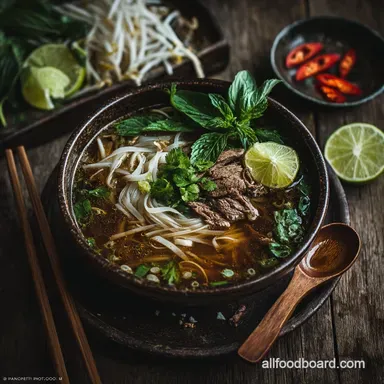
The Ultimate Homemade Phở Bò Vietnamese Beef Noodle Soup
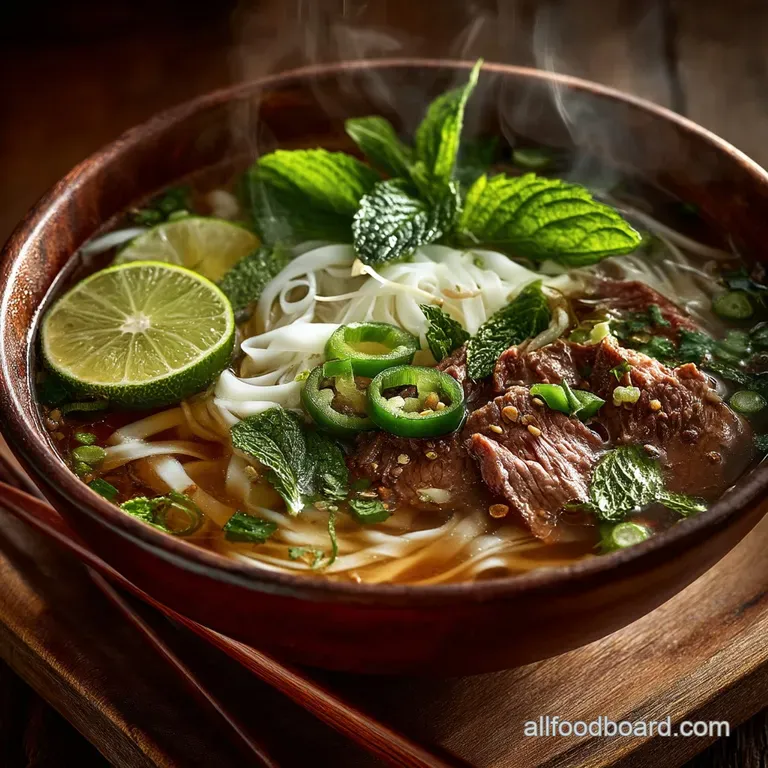
- Embracing the Slow Simmer: Why Homemade Phở is Always Superior
- Anatomy of the Perfect Bowl: Ingredients for the Ultimate Vietnamese Pho
- The Broth Ritual: Simmering for Clarity and Deep Flavor
- Final Assembly: Combining Noodles, Meat, and Garnishes
- Expert Tips for Flavor Depth and Troubleshooting Common Broth Issues
- Beyond the Bowl: Creative Uses for Leftover Pho Brisket
- Recipe FAQs
- 📝 Recipe Card
Embracing the Slow Simmer: Why Homemade Phở is Always Superior
True mastery of the kitchen often involves respecting time, and nowhere is this more evident than in the creation of authentic Vietnamese Pho . While many restaurant kitchens offer serviceable versions, producing this iconic noodle soup at home allows you complete control over the depth, clarity, and richness of the broth elements that define the dish.
This undertaking requires patience; we are looking at a four-to-six-hour commitment to the stove, but the resulting pure, aromatic stock is infinitely superior to any quick fix solution.
Dedicating the necessary time ensures you extract maximum flavour from the beef bones and aromatics, culminating in a deeply satisfying meal that transcends standard soup recipes.
Defining Phở: More Than Just a Soup
Phở is not merely a dish; it’s a cultural institution rooted in Vietnamese history, primarily perfected in the north. At its heart, it is a culinary exercise in balance.
The successful completion of this Vietnamese Pho Recipe depends on achieving a broth that is savoury, slightly sweet, highly aromatic, and absolutely pristine.
It is traditionally served with chewy, flat rice noodles (the "phở" size), accompanied by thin cuts of beef (Phở Bò) and a generous array of fresh herbs and condiments.
Unlike many other global soup traditions, the key flavour drivers here come not from heavy sauces or fat, but from a precise combination of toasted spices and essential umami provided by quality fish sauce, making it one of the most revered Vietnamese Noodle Soup Recipes .
Essential Tools for Mastering the Beef Broth
Due to the sheer volume of bones and water necessary to achieve that characteristic deep flavour, the right equipment is non-negotiable. The single most important item is a Large Stockpot , ideally a 12-quart minimum capacity.
Attempting to fit four pounds of bones and nearly ten quarts (9.5 L) of water into a smaller vessel will compromise the slow simmer process and reduce the final yield. On top of that,, achieving a crystal clear Rich Beef Pho Broth necessitates a Large Fine Mesh Chinois or Colander for the final straining, paired with a dedicated Mesh Strainer for the frequent skimming required during the initial hours.
Finally, to ensure your spices infuse the broth without clouding it, a secure Cheesecloth or Muslin Bag is essential.
Anatomy of the Perfect Bowl: Ingredients for the Ultimate Vietnamese Pho
The ingredient list for true Phở is surprisingly simple, yet every component plays a specific, vital role. The goal is to create synergy, ensuring that the base stock and the fresh components complement each other without any single flavour dominating the rest.
Building the Foundation: Bones, Brisket, and Meat Selection
The backbone of this recipe rests squarely on Beef Knuckle and Marrow Bones —we require four pounds (1.8 kg) of them which provide the collagen and rich, deep flavour necessary for the stock.
For added complexity and texture within the finished dish, a one-pound piece of Flank Steak or Brisket is included during the latter half of the simmer, removed when tender, sliced, and served alongside the noodles.
For the highly desired Phở Tái component the raw beef that flash cooks upon contact with the boiling broth we use one pound (450 g) of Beef Fillet or Eye of Round , selected for its tenderness and lean quality.
The Spice Packet Roster: Anise, Cinnamon, and Cardamom
The signature perfume of this Vietnamese Pho Soup Recipe comes from a carefully curated spice blend. This aromatic profile is dominated by Star Anise (eight pods), Cinnamon Sticks (two large sticks, Cassia preferred), and whole Black Cardamom Pods (three, lightly crushed).
The black cardamom is crucial as it imparts a smoky, earthy note that distinguishes this broth from sweeter alternatives. This is rounded out with smaller amounts of whole cloves, fennel seeds, and coriander seeds.
Crucially, these must all be briefly toasted in a dry pan before being bundled, intensifying their fragrance and ensuring they release maximum flavour during the hours long simmer.
Preparing the Garnishes: Herbs, Lime, and Chili Essentials
The tableside garnishes are what transform the hot, savory broth into a vibrant, multi layered experience. These ingredients must be meticulously prepped and served fresh alongside the bowl, never cooked into the soup.
Essential elements include generous handfuls of Thai Basil, Mint, and Cilantro/Coriander , providing high contrast to the rich broth. Freshly rinsed Bean Sprouts add a necessary textural crunch, while Lime Wedges and thinly sliced Bird’s Eye Chillies or jalapeños provide acidity and heat, allowing each diner to personalize their bowl of Authentic Vietnamese Pho .
The Broth Ritual: Simmering for Clarity and Deep Flavor
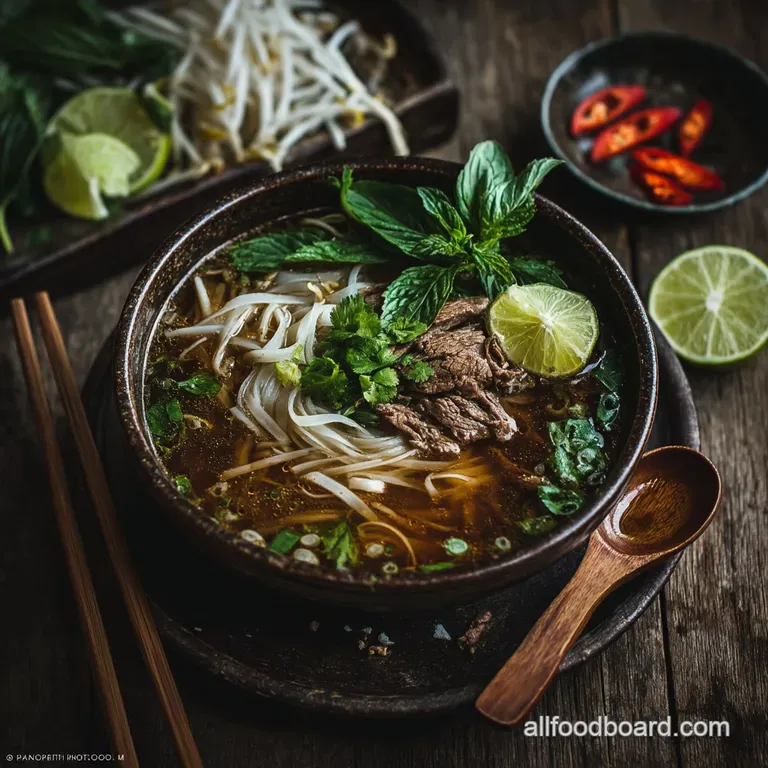
The preparation of the stock is where we invest the majority of our time. It starts with the meticulous cleaning of the bones, moves through the flavour building steps of charring and seasoning, and concludes with the long, slow extraction phase.
The ultimate goal is to create a broth that is both intensely flavoured and beautifully transparent. The 10 quarts (9.5 L) of cold, filtered water must be brought gently to a boil, then immediately reduced to the lowest possible setting the broth must only "shiver," never aggressively boil, as this emulsifies the fat and creates a cloudy final product.
After the initial six hours of simmering, we season the resulting stock with two tablespoons of fine sea salt, one tablespoon of rock sugar for balancing sweetness, and a quarter cup of high-quality fish sauce to integrate the deep umami notes.
Related Recipes Worth Trying
- Crab Stuffed Mushrooms My Seaside Symphony Appetizer — Craving an elegant appetizer My Crab stuffed mushrooms recipe is easy delicious and perfect for any occasion Creamy crab filling meets earthy portobellos...
Final Assembly: Combining Noodles, Meat, and Garnishes
Once the rich stock is finalized, the remaining steps move swiftly. The cooked rice noodles are briefly boiled until al dente, rinsed with cold water to halt cooking and prevent stickiness, and placed into the serving bowls alongside the prepped meat.
Charring the Aromatics: The Smoke Kissed Secret
Before the bones even touch the simmering water, we must perform the crucial step of charring the aromatics. This involves taking the large, halved onion and the four inch piece of ginger root and placing them directly under the grill (broiler) or on a scorching dry skillet until the skins are visibly blackened and the air is filled with a smoky perfume.
This smoke kissed preparation removes the raw, sharp edge from the onion and ginger, transforming them into soft, sweet elements that deepen the colour and complexity of the Vietnamese Pho broth.
The Critical Step: Blanching and Cleaning the Beef Bones
This is a step non-negotiable for achieving perfect clarity in the broth. The four pounds of beef bones must first be placed in the stockpot, covered with cold water, and brought to a rapid, rolling boil for a full ten minutes. The resulting dirty, grey foam and scum must then be aggressively drained.
The bones themselves must be rinsed thoroughly under cold running water to remove all residual impurities before they are reintroduced to a clean pot with fresh, cold water for the long simmer.
Skimming for Purity: Achieving Crystal Clear Stock
Maintaining purity is paramount to this How to Make Pho process. During the first sixty to ninety minutes of the gentle simmer, fat and impurities will rise to the surface. It is vital to actively skim this off using a fine mesh strainer.
If left untouched, these residues will re-incorporate into the liquid, leading to a dull, cloudy, and oily broth. Constant monitoring during this stage ensures the final product lives up to its elegant reputation.
Slicing the Beef for Drowning (Raw Beef Preparation)
To create a proper Phở Tái Soup , the raw Eye of Round must be sliced paper thin. This is achieved most easily by placing the beef fillet in the freezer for 45 to 60 minutes until it is very firm, but not frozen solid.
Using a razor sharp knife, slice the meat across the grain as thinly as possible. These delicate slices, along with the pre-cooked brisket, are arranged over the noodles just before serving. The boiling hot broth is then immediately ladled over the top, flash cooking the raw beef perfectly upon contact.
Expert Tips for Flavor Depth and Troubleshooting Common Broth Issues
Achieving the perfect bowl of Vietnamese Pho Soup Recipe requires attention to minor details that yield major flavor dividends. If you're looking for an alternative to stovetop simmering, many home cooks find that adapting this process for a Crockpot Pho Broth allows for even easier, overnight extraction, though the initial charring and blanching steps remain mandatory.
Adjusting the Salt and Sweetness Balance
The final seasoning step is crucial. The broth should taste robustly seasoned, as the rice noodles and raw beef will dilute the flavour slightly. The balance relies on high-quality fish sauce for salt and umami, and rock sugar for a subtle sweetness.
Always add these components incrementally at the very end, tasting frequently until the savory, salty, and sweet notes are perfectly harmonious. If your broth is too salty, adding a small amount of water or an extra piece of rock sugar can help rebalance it.
Freezing and Storing Your Homemade Vietnamese Pho Broth
Given the substantial time investment, it is highly recommended to make a large batch. This recipe yields six to eight generous servings. The finished Rich Beef Pho Broth , once cooled completely, can be stored in airtight containers and frozen for up to three months.
When ready to use, thaw the broth and bring it back to a rolling boil immediately before serving to ensure the safety and proper flash cooking of the raw beef.
Beyond the Bowl: Creative Uses for Leftover Pho Brisket
If you opted to use brisket or flank steak in your simmering process, you might find yourself with tender, flavorful meat leftover after the soup is consumed. This cooked meat has absorbed hours of spice and savory flavor and is far too good to waste.
Transforming Brisket into Quick Sandwiches or Salad Toppings
The cooked, sliced brisket or flank steak is exceptionally versatile. Try shredding it slightly and tossing it with a touch of lime juice, chili sauce, and cilantro for a quick filling in a Vietnamese style Bánh Mì sandwich, or chop it finely and use it as a hearty protein topper for a cold noodle salad (Bún).
Variations on the Classic: Adding Oxtail or Chicken
While Phở Bò is the classic rendition, the broth ritual can be adapted. Adding Oxtail to the initial bone mixture provides an extra layer of gelatinous body and deep, rich mouthfeel to the broth.
Alternatively, you can pivot entirely to Phở Gà (Chicken Pho) by substituting the beef bones with whole chicken carcasses, requiring a shorter simmer time (2.5 to 3 hours) and using shredded chicken breast or thigh for the final assembly.
Recipe FAQs
Crikey, that simmer time is long! Why do I need 6 hours for this Vietnamese Pho broth?
It's like brewing a proper cup of tea you can't rush quality! The long, slow simmer is absolutely critical for extracting the deep, complex collagen and minerals from the beef bones, which gives the broth its velvety mouthfeel and rich savoury depth (umami).
This patient approach is the fundamental difference between a nice soup and a truly soulful bowl of Vietnamese Pho.
Is there a secret to getting that broth perfectly clear, like at a proper Pho restaurant?
Achieving crystal clear broth is the culinary equivalent of keeping a stiff upper lip it takes discipline! The secret is two-fold: first, the mandatory vigorous blanching of the bones to remove impurities, and second, maintaining the heat at the absolute lowest 'shiver' (no rolling boil) throughout the long cook time.
Also, religiously skimming the scum and fat during the first hour will prevent cloudiness.
The recipe calls for charring the ginger and onion. Is that really essential, or just faff?
It is absolutely essential; this is not faff! Charring the aromatics caramelises the natural sugars in the onion and ginger, removing their harsh raw notes while adding the signature smoky depth and golden colour that defines a classic Pho broth.
Skipping this step would result in a lighter, less complex stock so crack out the grill or dry pan and get them blackened.
What are the best meat variations if I don't fancy raw beef, and what about noodles?
If the rare beef isn't your cup of tea, you can use thin slices of the flank steak or brisket you cooked in the broth, ensuring they are fully done. For a change, try Phở Gà (Chicken Pho) by swapping beef bones for chicken carcasses and using shredded chicken breast.
Remember that traditional Phở requires flat rice noodles (Bánh Phở), which should always be rinsed after cooking to stop them clumping together.
I've got loads of leftover broth; what's the best way to store or freeze it?
Absolutely, this broth freezes brilliantly! Once fully cooled, transfer the broth to airtight containers, leaving a little headroom, and it will keep happily in the freezer for up to three months perfect for a rainy day or a quick weekday supper.
Crucially, always store the prepared noodles, herbs, and meat separately in the fridge for 3 4 days; never store them submerged in the broth.
The Ultimate Vietnamese Pho Recipe Clear Rich Broth Phở Bò