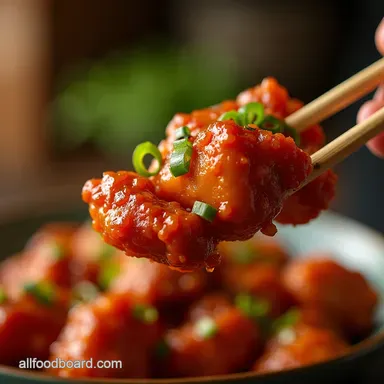
The Real Deal Fiery Sichuan Kung Pao Chicken
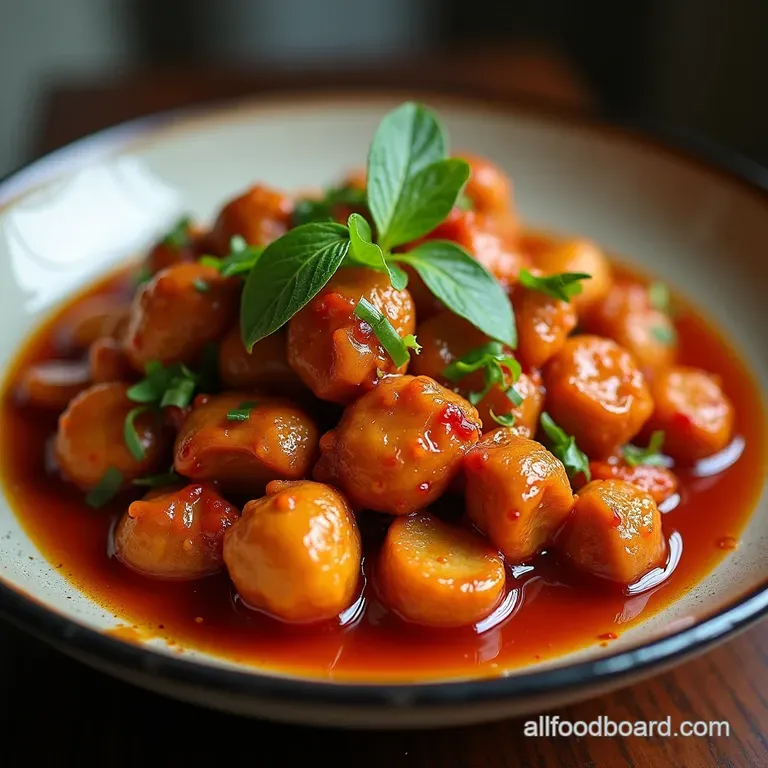
- Ditching the Gloopy Takeaway: Unlocking True Sichuan Flavour
- Why This Kung Pao Chicken Recipe Delivers Authentic Málà
- Assembling Your Arsenal: Essential Components for Ultimate Texture and Taste
- Preparing the Proteins: Marinating for Maximum Tenderness
- Mastering the Wok: Step-by-Step Assembly of Your Kung Pao Chicken
- The Crucial Sequence: Building Layers of Flavour
- Beyond the Basic Recipe: Customizing Your Sichuan Experience
- Storage Secrets and Reheating for Perfect Leftovers
- Recipe FAQs
- 📝 Recipe Card
Ditching the Gloopy Takeaway: Unlocking True Sichuan Flavour
There’s a vast difference between the sweet, cornstarch heavy dishes masquerading as Chinese food stateside and the vibrant, complex cuisine hailing from Sichuan province. When you crave Kung Pao Chicken , you aren't looking for something merely sticky; you are chasing an experience a symphony of smoke, tang, sweetness, and that unmistakable, electric tingle.
This Authentic Kung Pao Chicken Recipe , known traditionally as Gong Bao Ji Ding , moves far beyond the gloopy versions often found in takeout menus.
We aim for the real deal: quick cooking, incredibly tender chicken, and a dazzling, balanced flavour profile that sings on the palate. Forget the ten-minute fixes; while this dish demands swift action once the heat is on, the preparatory steps are what elevate it from a simple stir fry to a masterclass in technique.
Why This Kung Pao Chicken Recipe Delivers Authentic Málà
The soul of true Sichuan cooking lies in the concept of málà , a dual sensation that must be carefully orchestrated. This isn't just about heat; it’s about flavour layering achieved through specific preparation steps.
Our preparation timeline, clocking in at about 40 minutes total, allows for the necessary steps like marinating the protein and pre-mixing the sauce that guarantee success when the wok gets hot.
The core philosophy here is balance; unlike dishes that lean heavily on sugar, this recipe perfectly juxtaposes the sour note of black vinegar against the savoury depth of soy and the required sweetness. This nuanced approach is what separates this Spicy Chicken Stir Fry from simpler recipes.
Understanding the Numbing Heat: The Magic of Sichuan Peppercorns
The defining characteristic of this Numbing Sichuan Chicken is the "ma," or numbing sensation, provided exclusively by the Sichuan peppercorn. These dried flower husks are often misunderstood; they are not peppers but berries that contain hydroxy alpha-sanshool, a compound that stimulates cold receptors in the mouth, creating a gentle buzz.
To properly extract this essential oil, we lightly toast the peppercorns and dried red chilies in warm oil before beginning the main cook. This crucial step releases their potent aroma and prevents them from tasting raw or dusty in the final product.
A Culinary Quick Fire: How Fast This Dish Comes Together
Once your chicken is marinated and your Kung Pao Chicken Sauce Recipe is mixed, the actual cooking is breathtakingly fast a mere 10 to 12 minutes. This speed is non-negotiable for achieving the best texture.
High heat ensures the chicken cubes rapidly sear rather than stew, locking in juices. This rapid technique is a hallmark of great Chinese Chicken Recipes and necessitates immaculate mise en place .
If you are new to high heat stir frying, perhaps tackle this as your second or third attempt after mastering simpler vegetable stir fries, though our detailed steps below will guide you smoothly through this Easy Kung Pao Chicken assembly.
The Core Philosophy: Balancing Sweet, Sour, and Savoury
Authentic Kung Pao Chicken avoids the cloying sweetness often associated with Westernized interpretations. The required ingredients in our sauce combining the sharp tang of Chinkiang black vinegar, the saltiness of light soy, a touch of dark soy for depth of colour, and sugar create a complex profile.
Every mouthful should hit sweet, sour, and umami notes, all underlined by the smoky heat from the chilies and the numbing spice of the peppercorns. This careful equilibrium is what makes this dish so addictive.
Assembling Your Arsenal: Essential Components for Ultimate Texture and Taste
Success in this kitchen theatre hinges on gathering the right ingredients before you even think about turning on the flame. For the best texture, use boneless, skinless chicken thighs; they stay remarkably juicy even under the intense heat of the wok. You’ll need about 1.5 lbs (680g) of diced chicken.
The aromatics are simple but powerful: generous amounts of fresh minced garlic and ginger are essential counterparts to the dried spices. Finally, never skip the raw, unsalted peanuts, which provide that signature crunch against the silky chicken.
Preparing the Proteins: Marinating for Maximum Tenderness
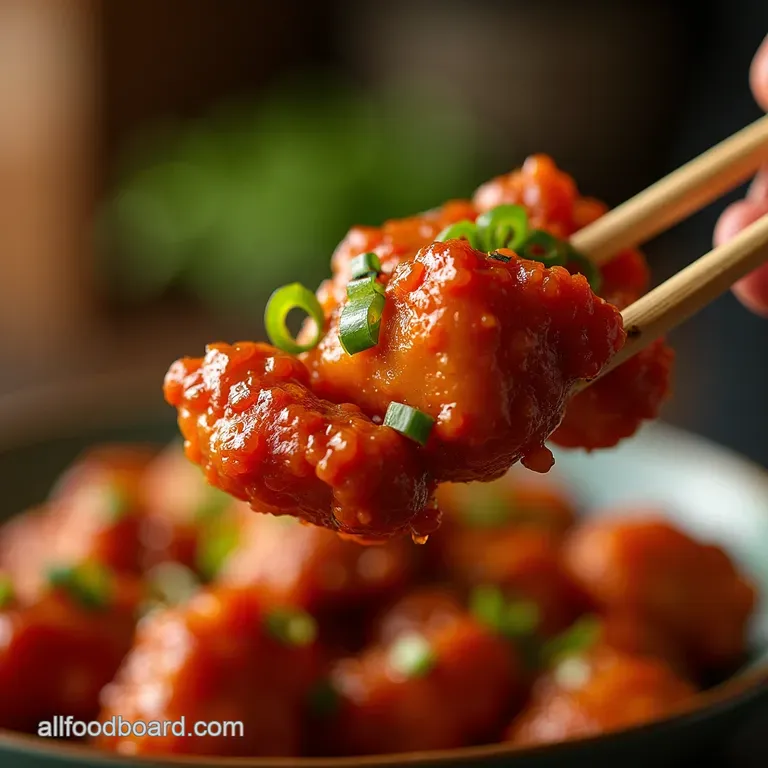
To achieve the incredibly tender texture characteristic of high end Kung Pao Chicken Ingredients , we employ a process sometimes referred to as "velveting." In a bowl, combine your diced chicken thighs with 1 tablespoon each of light soy sauce and Shaoxing rice wine, 1 tablespoon of cornstarch, and a tiny pinch (about ¼ teaspoon) of baking soda.
The cornstarch forms a protective coating, while the baking soda works a small miracle by keeping the meat fibres soft during cooking. Allow this mixture to rest for about 15 minutes while you tackle the other prep work.
The Dry Spice Trio: Selecting the Right Chilies and Peppercorns
The backbone of the heat comes from dried red chilies (around 15 to 20, depending on your tolerance snip the ends off before using) and a full tablespoon of true Sichuan peppercorns. These must be toasted gently in oil first to bloom their flavour.
We separate these toasted flavour bombs from the main stir fry midway through the process. This prevents them from burning when the sauce is added later, ensuring their heat remains potent but clean, avoiding bitterness that plagues lesser attempts at this Kung Pao vs General Tso's comparison.
Crafting the Signature Sauce Base (Pre-Mixing is Key)
As mentioned, the Kung Pao Chicken Sauce Recipe must be perfectly proportioned and ready to pour in one go. In a small bowl, vigorously whisk together 3 tablespoons of Chinkiang black vinegar, 2 tablespoons of light soy sauce, 1 teaspoon of dark soy sauce (for colour), 2 tablespoons of sugar, 1 teaspoon of cornstarch for thickening, and 2 tablespoons of water or stock.
Finish this mix by stirring in 1 teaspoon of toasted sesame oil though some chefs prefer to add this right at the very end for maximum aroma, pre-mixing keeps things streamlined.
Essential Produce Prep: Chopping Techniques for Stir Fry Success
Since the cooking time is so brief, everything must be uniform. Dice your chicken into roughly 1 inch cubes. Mince the ginger and garlic finely. If you are including the traditional bell pepper, dice it to a similar size as the chicken so it cooks evenly.
Crucially, only use the white and light green parts of three scallions here; the dark green tops are reserved for a final flourish upon serving.
Related Recipes Worth Trying
- Easy Chicken Caesar Salad Pinwheels Recipe for Lunch or Parties — Ditch the boring lunchbox filler These Caesar Salad Pinwheels are packed with flavour and perfect for easy Chicken Wrap Appetizers Get the recipe
- SunKissed Tuscan Keto Chicken Easy Creamy Bake — Forget bland lowcarb meals This Tuscan Keto Chicken with cream cheese sauce is easy and flavourful Perfect for quick Keto Dinners Chicken See how simple it is
- Best Slow Cooker Thai Coconut Chicken Soup Tom Kha Style — Make the best Slow Cooker Thai Coconut Chicken Soup This Tom Kha style recipe is ridiculously easy comfort food that tastes like it simmered all day Get the...
Mastering the Wok: step-by-step Assembly of Your Kung Pao Chicken
With all components prepared chicken marinated, sauce mixed, aromatics ready we transition to the high heat cooking phase. Your wok or large skillet should be searingly hot before any oil touches the surface. Remember, this process moves fast; never walk away once the flame is high.
The Crucial Sequence: Building Layers of Flavour
First Fry: Tempering the Aromatics to Release Fragrance
Heat 1 tablespoon of neutral oil in your wok over medium heat. Add the dried chilies and the Sichuan peppercorns. Stir continuously for about 60 to 90 seconds until the chilies darken just shy of burning and the peppercorns release their intoxicating scent.
Immediately scoop these solids out, draining off the infused oil, and reserve both aside. This infuses your cooking medium without scorching the spices.
Velveting the Chicken: Achieving That Silky Mouthfeel
Wipe your wok quickly and return it to high heat. Add the remaining 2 tablespoons of neutral oil. Once shimmering, add the marinated chicken, spreading it into a single layer if possible (work in two batches if your pan is small).
Stir fry briskly for just 2 to 3 minutes until the chicken pieces are opaque and lightly golden. Remove the chicken immediately and set it aside on a clean plate; this stops the cooking process and preserves tenderness.
The Final Toss: Incorporating Peanuts and Sauce Glaze Timing
If the wok is dry, add a tiny splash more oil. Quickly add the minced ginger, garlic, and the white parts of the scallions. Stir constantly for about 15 seconds until fragrant, then add any diced bell pepper and cook for one minute until crisp tender. Next, return the cooked chicken to the wok.
Give your pre-mixed sauce one final, vigorous whisk (as the cornstarch settles quickly) and pour it over the chicken and vegetables. Stir constantly; the sauce will bubble and thicken dramatically within 30 to 60 seconds.
Once thickened into a glossy glaze, toss in the reserved toasted chilies/peppercorns and the raw peanuts. Toss rapidly just enough to coat everything and immediately kill the heat.
Troubleshooting Common Stir Fry Mistakes
If your sauce turns into gluey lumps, it usually means the heat was too low when you added it, allowing the cornstarch to set before distributing. Conversely, if your chicken is tough, it either wasn't marinated long enough, or you cooked it for too long during the initial velvetizing stage.
The goal is barely cooked before the sauce goes in.
Beyond the Basic Recipe: Customizing Your Sichuan Experience
While this is an Authentic Kung Pao Chicken Recipe , experimentation is encouraged once you master the technique. The beauty of this dish lies in its flexibility within the málà framework.
Adjusting the Málà Quotient: More Tingle or Less Fire?
If you find the tingle of the Sichuan peppercorns overwhelming, simply reduce the quantity by half next time but never omit them entirely if you seek the true flavour. To increase the fiery 'la' component, increase the quantity of dried chilies used during the initial infusion, ensuring you remove most of them before the sauce is added, as we did.
Protein Swaps: Making This Recipe Work with Duck or Tofu
This precise technique transitions beautifully to other proteins. For duck, you might substitute breast meat and pre-sear it slightly longer due to its thicker texture. If you prefer a vegetarian option, excellent Kung Pao Chicken Ingredients can be replaced entirely by extra firm tofu.
Ensure you press the tofu aggressively to remove water, dice it, and pan-fry it until golden brown before moving to the velvetizing stage, absorbing flavours much like the chicken.
Optimal Serving Suggestions: What Pairs Best with This Spicy Masterpiece?
This intensely flavourful dish demands a simple companion. Steamed Jasmine rice is the ideal canvas to soak up the remnants of that incredible sauce. To provide a cooling contrast to the heat, serve alongside simple, barely seasoned blanched greens like Bok Choy or Chinese broccoli, perhaps drizzled with a touch of sesame oil.
Storage Secrets and Reheating for Perfect Leftovers
Shelf Life: How Long Homemade Kung Pao Chicken Remains Exceptional
Stored in an airtight container in the refrigerator, your homemade Kung Pao Chicken will maintain its peak flavour for about three to four days. The peanuts will soften slightly, but the balance of the sauce remains intact.
Reheating for Perfect Leftovers
When reheating leftovers, use a non-stick skillet over medium heat rather than the microwave. Add a single teaspoon of water or stock to the skillet before adding the chicken mixture. Stir constantly until heated through.
This prevents the residual sauce from scorching and helps reintroduce a touch of moisture lost during refrigeration.
Recipe FAQs
Why is my Kung Pao Chicken not spicy enough, or is it supposed to tingle?
That addictive tingle is the signature of authentic Sichuan cuisine, known as málà (numbing and spicy), and it comes entirely from the Sichuan peppercorns. If your dish isn't tingling, you might need to toast those peppercorns a bit longer in the oil, or simply use more of them.
For intense heat, ensure you’re using decent quality dried red chilies; reduce them if you prefer the numbing sensation without excessive fire.
How do I stop my chicken from becoming tough when making Kung Pao Chicken?
The secret here is 'velveting,' which we cover in the marinade: using cornstarch and a tiny bit of baking soda helps lock in moisture during high heat cooking. Also, make sure your wok is ripping hot before the chicken goes in, and only cook it until it’s just opaque it will finish cooking when you return it to the sauce later.
Can I make the sauce for this Kung Pao Chicken ahead of time?
Absolutely, making the sauce ahead of time is a brilliant idea, as it saves precious seconds during the hectic stir fry! Mix all the sauce ingredients, but remember that the cornstarch will settle at the bottom.
Give it a very vigorous whisk right before you pour it into the wok; otherwise, you’ll end up with watery sauce followed by a solid starch lump.
My Kung Pao Chicken tastes too sweet how do I fix the flavour balance?
Authentic Kung Pao leans on a careful balance, but takeaway versions often load up on sugar. If yours is too sweet, add a teaspoon of black vinegar or a small squeeze of fresh lime juice to cut through it. You can also add a splash more light soy sauce for saltiness if the sweetness feels overwhelming.
I don't have a wok; can I still achieve decent results with a regular frying pan?
Yes, you can manage, but you must work in smaller batches don’t overcrowd the pan, or the ingredients will steam instead of sear. Use the highest heat your regular heavy bottomed skillet can handle, and move quickly between cooking the chicken, setting it aside, and sautéing the aromatics.
It won't have the same smoky Wok Hei, but it will still be smashing!
The Real Deal Fiery Sichuan Kung Pao Chicken Recipe