Vintage Comfort Food Recipes: Slow-Baked Cheddar Macaroni Bake
- The Revival of Authentic Vintage Comfort Food Recipes
- Achieving Unmatched Creaminess: The Science of the Béchamel and Bake
- Essential Ingredients for Perfect Vintage Comfort Food Recipes
- Slow-Baking Perfection: Step-by-Step Method
- Troubleshooting Your Macaroni Bake: Expert Tips and Common Errors
- Storing and Reheating: Keeping the Comfort Alive
- Complementary Pairings for Vintage Comfort Food Recipes
- Recipe FAQs
- 📝 Recipe Card
The Revival of Authentic Vintage Comfort Food Recipes
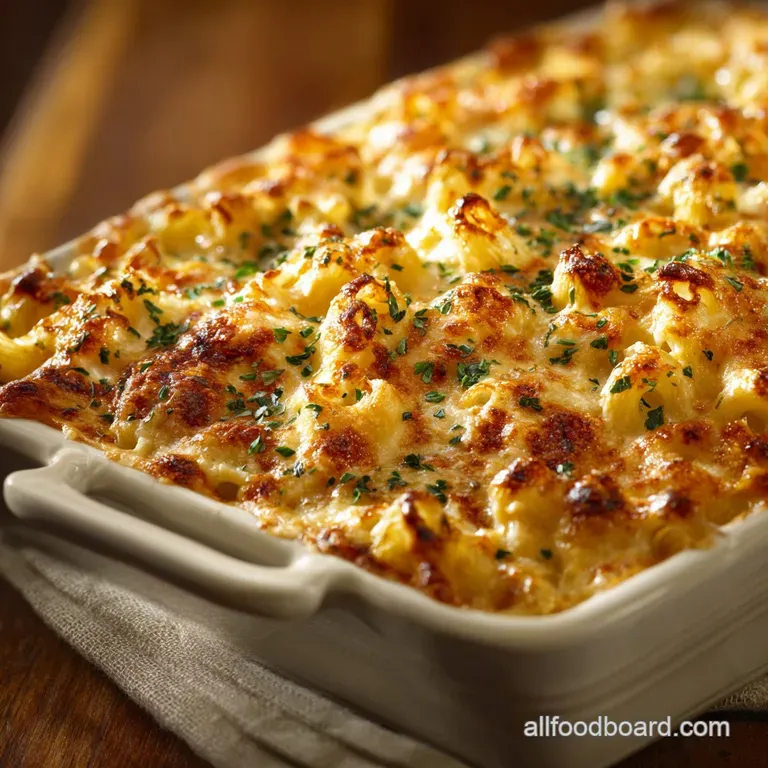
When that first ladle of rich, golden sauce hits the hot pasta, your kitchen instantly smells like a hug. It's the scent of nostalgia, butter, and fiercely sharp cheddar, creating that perfect dense richness only achieved through slow cooking. You instantly remember sitting down to Granny’s table.
This recipe for the ultimate slow baked macaroni bake is an absolute powerhouse. It’s cheap, incredibly filling, and uses just a few simple pantry staples to produce something truly luxurious.
Forget those quick stove top versions that turn gluey in five minutes; we are doing this the old fashioned comfort food recipes way, maximizing flavour and creaminess.
Ready to trade those modern shortcuts for genuinely robust flavour? Let’s crack on and master this essential classic comfort food recipe that transforms simple macaroni into a soul soothing masterpiece.
Achieving Unmatched Creaminess: The Science of the Béchamel and Bake
Making a truly great macaroni bake isn’t complicated, but it requires respecting a few rules about heat and time. The biggest mistake people make is not treating the sauce with enough patience.
We aim for a sauce that hugs the pasta tightly without ever feeling dry or clumpy, and the only way to get that is through a meticulous technique.
Why We Slow Bake Our Cheese Sauce.
The long, slow bake is the secret weapon of Granny's Recipes . Baking doesn’t just heat the dish; it allows the starch in the pasta to absorb the liquid from the béchamel, thickening the entire casserole naturally.
This process ensures the sauce penetrates every single piece of macaroni, yielding a creamy interior that doesn’t run all over the plate when you serve it.
Defining the Difference: Stovetop vs. Supper Bake.
A stovetop macaroni cheese is instantaneous gratification, which often means it separates or gets dry and chalky as it cools. The Vintage Comfort Food Recipes approach requires the oven to gently set the sauce structure.
By slow baking, we create cross links between the dairy proteins, fat, and starch, resulting in a firm, sliceable, yet undeniably creamy supper bake.
The History of Macaroni as a Mainstay Dish.
Macaroni cheese has deep roots, appearing in cookbooks as far back as the 1700s, often attributed to Thomas Jefferson bringing the recipe back from Europe. It really cemented its place as a classic comfort food dish during rationing because it was so economical and filling.
It speaks volumes that this simple dish has survived centuries of culinary trends.
The Importance of the Roux-to-Milk Ratio.
The roux (equal parts flour and butter) is the critical stabilizer. I use 4 tablespoons of each for 4 cups of milk, which results in a medium thick béchamel before the cheese is even added. Don't skimp on the roux.
It provides the structure that prevents your cheese from turning into an oily mess when baked.
Preventing Graininess: How to Temper the Cheese.
This is where I messed up constantly when I first started! Adding cold cheese straight into a violently boiling sauce causes the milk proteins and fat to seize and separate, leading to a grainy texture.
The trick is to remove the sauce from the heat entirely before stirring in the freshly grated cheddar. Let the residual heat melt the cheese slowly and lovingly.
The Maillard Reaction: Browning for Deeper Flavor.
That glorious, crispy, golden top layer isn't just for looks; it's flavor development, pure science! The final 10- 15 minutes of uncovered baking encourages the Maillard reaction a chemical process between amino acids and reducing sugars.
This process creates hundreds of complex flavour compounds, giving us that essential, nutty, crunchy crust that contrasts perfectly with the gooey center.
Essential Ingredients for Perfect Vintage Comfort Food Recipes
We are going for sharp flavour and flawless texture here. Every ingredient plays a crucial role in creating this authentic retro comfort food recipe .
| Ingredient | Role | Viable Substitution |
|---|---|---|
| Sharp Mature Cheddar | Flavor backbone, Creaminess | Gruyère or strong Monterey Jack |
| All-Purpose Flour | Thickener for the Roux | Measure for-Measure GF Blend |
| Whole Milk | Base of Béchamel | Full fat Oat Milk or Cream (for richness) |
| English Mustard | Enhances Cheese Flavor | Dijon Mustard or 1/4 tsp Turmeric (for colour) |
| Worcestershire Sauce | Umami Depth | Soy Sauce (use sparingly) or a few drops of hot sauce |
Selecting the Right Cheddar: Sharpness is Key.
Please, I beg you: grate your own cheese! Pre-shredded bags are coated in starch to prevent clumping, which actively inhibits a smooth melt. We need a sharp mature cheddar; the maturity is essential because that intense flavour cuts through the richness of the butter and milk.
Pasta Shape Matters: Holding onto the Sauce.
Elbow macaroni is traditional for a reason its curved shape is perfect for scooping up the thick sauce. However, other sturdy shapes like penne, rotini, or even farfalle can work just as well. The main point is to choose something with ridges or holes to trap the liquid gold.
Smart Swaps for Dairy: Cream Alternatives.
If you don't keep whole milk on hand, full fat canned evaporated milk is a classic old comfort food recipes swap and adds amazing richness. If you need a non-dairy option, unsweetened oat milk provides the best creamy mouthfeel, although you might need a slightly heavier hand with the roux.
The Secret Spice Cabinet: Elevating Savoury Depth.
Nutmeg is non-negotiable in a proper béchamel. Just a pinch balances the dairy beautifully, adding a mysterious warmth. The mustard powder and Worcestershire sauce (or a splash of your favourite hot sauce) are flavour accelerators; they don't make the dish taste like mustard or sauce, they just make the cheddar taste more like cheddar.
Slow Baking Perfection: step-by-step Method
Preheat your oven now to 350°F (180°C). Grab your heaviest saucepan, because we’re making magic.
Prepping the Al Dente Macaroni.
Bring a large pot of water to a rolling boil and season it heavily with salt it should taste like the sea! Cook the macaroni for at least 2 minutes less than the package directs; we want it aggressively al dente.
This step is critical because the pasta will finish cooking in the oven, soaking up the sauce instead of turning mushy.
Mastering the Three Stage Cheese Sauce Infusion.
Melt the butter over medium heat, then whisk in the flour for 1– 2 minutes until it smells nutty and looks like wet sand that’s your roux.
Gradually introduce the warmed milk, whisking constantly to prevent lumps; start slow, adding just half a cup at a time until the sauce is smooth, thick, and coats the back of a spoon.
Finally, take the pan OFF the heat, stir in your seasonings (mustard, Worcestershire, nutmeg), and then fold in the bulk of the grated cheddar until it’s perfectly smooth.
Chef's Note: The milk must be warmed before adding it to the roux. Cold milk creates temperature shock and dramatically increases the likelihood of lumps forming. I just zap mine in the microwave for 60 seconds before I start the roux.
Building the Layers and the Crunchy Topping.
Pour the glorious cheese sauce over the drained, still warm macaroni and mix thoroughly until every piece is coated in velvet. Transfer this mixture into your prepared baking dish. For the topping, toss the remaining shredded cheese with the panko and a tablespoon of melted butter.
Panko is my modern upgrade, but crushed cornflakes give it a very authentic retro comfort food recipes crunch!
The Optimal Baking Time and Resting Period.
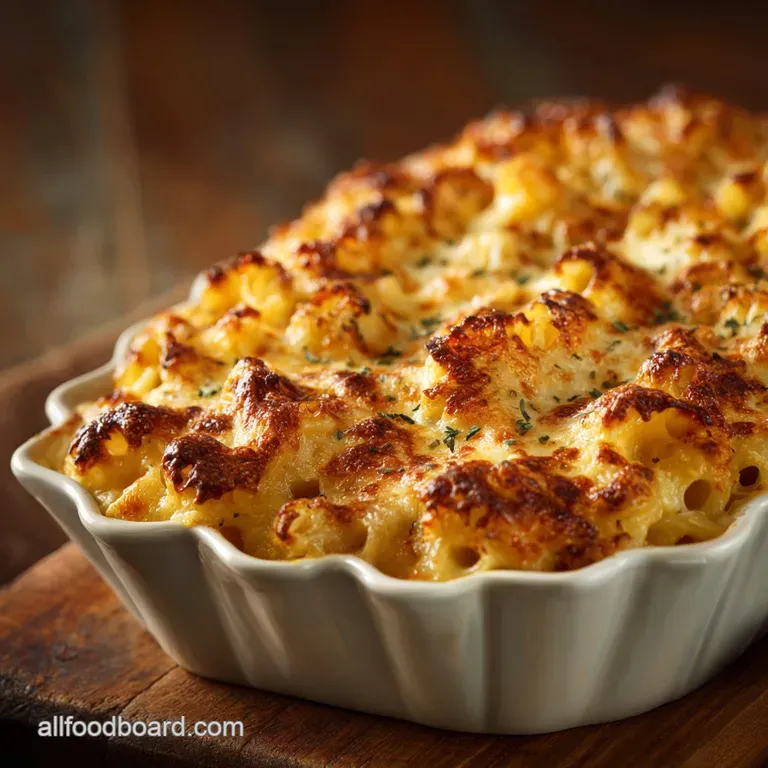
Cover the baking dish tightly with foil and bake for 35 minutes. This steaming period ensures the pasta soaks up the sauce without drying out. Remove the foil, sprinkle the topping evenly across the surface, and bake uncovered for another 10– 15 minutes until it's fiercely bubbling and golden brown.
Crucial rule: You MUST let the dish rest for 10– 15 minutes once it’s out of the oven. This wait allows the sauce to firm up, guaranteeing that perfect, creamy consistency when you serve it.
Troubleshooting Your Macaroni Bake: Expert Tips and Common Errors
Avoiding a Dry or Crumbly Texture.
The main culprits for dryness are overcooked pasta initially or baking uncovered for too long. If your mixture looks a bit dry before baking, simply stir in an extra splash (about 1/4 cup) of milk or cream. Also, make sure you cover the dish tightly for the majority of the bake!
The Ultimate Cheese Topping Trick.
Want a super sturdy, crispy topping? Mix your breadcrumbs with a small amount of parmesan or sharp, salty cheese in addition to the cheddar. The harder cheese melts and bonds the breadcrumbs together, preventing them from scattering everywhere and ensuring maximum crunch.
Saving a Broken or Separated Sauce.
If your sauce breaks (looks oily or grainy) while adding the cheese, don't despair! Whisk vigorously and add a teaspoon of fresh liquid (milk, cream, or even water) and a tiny pinch of cornstarch or flour mixed with that liquid. Whisk it over very low heat until it comes back together.
Storing and Reheating: Keeping the Comfort Alive
This vintage comfort food recipe is surprisingly good for batch cooking, but you have to handle it correctly to preserve that creamy texture.
Best Practices for Refrigeration (3 5 Days).
Once fully cooled, cover the dish tightly with foil or transfer leftovers into airtight containers. It will last beautifully for 3 to 5 days in the fridge. Expect the sauce to firm up significantly this is normal.
Freezing Unbaked vs. Baked Macaroni.
Freezing is best done before baking. Assemble the dish completely (without the final crunchy topping), cover it tightly with heavy duty foil, and freeze for up to 3 months.
When ready to cook, thaw it in the fridge overnight and bake as directed, adding 15 minutes to the covered baking time. You can freeze baked leftovers, but the pasta texture will suffer slightly upon reheating.
Reheating Without Losing Creaminess.
To reheat large portions, add 1/4 cup of milk or cream over the top before covering it with foil. Reheat in a 300°F (150°C) oven until warmed through (20– 30 minutes). The added liquid prevents the dish from drying out and helps reactivate the creaminess.
Complementary Pairings for Vintage Comfort Food Recipes
Because this bake is so rich and dairy heavy, you want sides that offer acidity and crunch to cut through the fat. I love to serve this with something sharp and green, like a simple vinaigrette dressed salad. If I’m entertaining, sometimes I like to lean into the cheesy theme with other retro favorites, like a tiny portion of Party Dip Appetizer Recipes: Hot Pimento Artichoke Cheesy Bake on the side for a double cheese hit. For drinks, a strong ginger beer or a tart, dry cider is perfect!
Recipe FAQs
Why does my cheese sauce sometimes turn gritty or oily (split)?
This separation typically occurs when the sauce is heated too rapidly after the cheese is added, causing the fat to separate from the milk proteins. Ensure you remove the béchamel from the heat source immediately after the cheese is incorporated, stirring until just melted.
Using high-quality, pre-shredded cheese can also contain additives that promote splitting, so always grate your own mature cheddar.
How do I prevent the macaroni from drying out during the long bake?
The secret to a successful, creamy slow bake is moisture retention. You must cover the casserole dish tightly with foil for the initial 40 to 45 minutes of cooking to trap steam and ensure the pasta remains tender. Only remove the foil for the final 10 to 15 minutes to achieve that desirable, golden brown crust.
Can I substitute the vintage sharp cheddar for a milder cheese, or make it dairy-free?
While vintage comfort food shines with sharp cheddar, you can use milder cheeses, though the flavour depth will be lessened; consider adding a quarter cup of Parmesan to boost the savouriness.
For a dairy-free version, substitute the milk with a full fat unsweetened oat or soy milk, and utilize a high-quality vegan cheddar that melts well.
I want an extra layer of savory flavor. What is your expert recommendation?
For maximum vintage depth, stir in half a teaspoon of dry mustard powder (such as Coleman’s) into your roux before incorporating the milk; this provides a necessary sharpness.
Alternatively, a small dash of Worcestershire sauce added to the final béchamel works wonders, providing an excellent, complex umami note without altering the texture.
Can I freeze The Ultimate Vintage Cheddar Macaroni Bake, and how should I reheat it?
The dish freezes best when assembled but not yet baked; wrap the unbaked casserole tightly and store for up to three months. If freezing leftovers, be aware the pasta texture might become slightly softer upon reheating, but it is safe to do so.
Always reheat thawed portions low and slow in a 350°F oven until piping hot throughout.
My baked crust is pale and lacks crunch. What did I miss?
A truly great vintage mac and cheese requires a sturdy, crunchy topping, usually breadcrumbs mixed with melted butter and a final grating of cheese. Ensure you remove the foil for the last segment of baking, and consider running the dish under the broiler for 60 to 90 seconds to maximize that crunchy golden finish.
Vintage Comfort Macaroni Bake
Ingredients:
Instructions:
Nutrition Facts:
| Calories | 634 kcal |
|---|---|
| Protein | 24.0 g |
| Fat | 11.5 g |
| Carbs | 108.7 g |
