Creamed Corn: the Authentic Velvet Goldmine Recipe
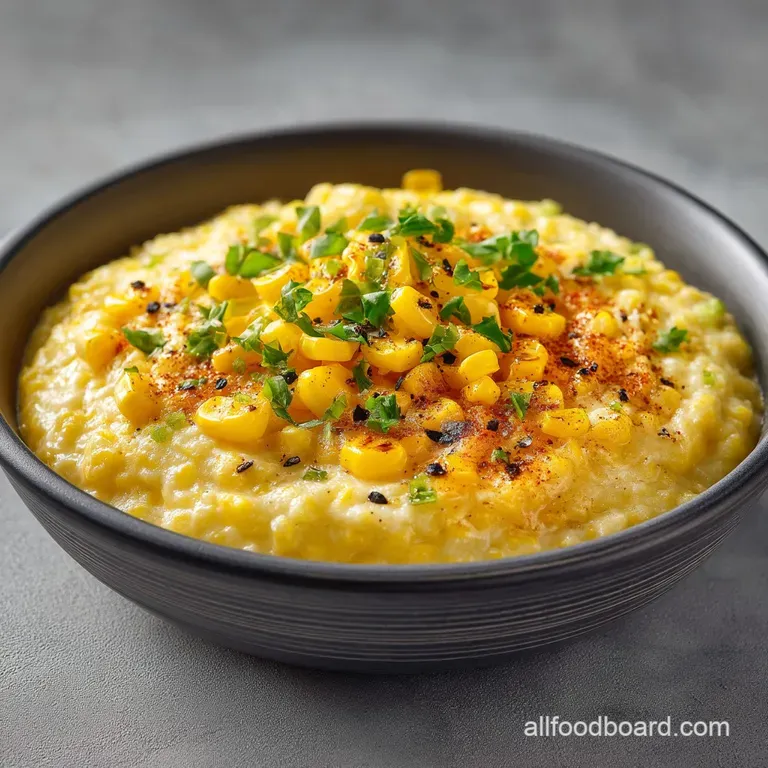
- Velvet Goldmine Creamed Corn: The Authentic Farm-to-Fork Side
- Ditching the Tinned Slop: Why Authentic Corn Preparation Matters
- The Science of Velvety Texture: How to Achieve Natural Creaminess
- Essential Components for the Best Creamed Corn
- Master the Method: Step-by-Step for Silky Smooth Corn Side
- Troubleshooting and Expert Hacks for Perfect Consistency
- Make Ahead and Storage Guide
- Elevating the Plate: The Best Entrée Pairings
- Recipe FAQs
- 📝 Recipe Card
Velvet Goldmine Creamed Corn: The Authentic Farm-to-Fork Side
When you think of the ultimate comfort side, what pops into your head? For me, it’s that luxurious, perfectly textured bowl of Creamed Corn . It smells like summer sunshine and heavy cream melting together, creating a sweet and savory aroma that instantly makes you feel cozy.
If the texture is right velvety smooth but still chunky with sweet kernels it’s pure magic.
Honestly, the stuff that comes out of a can is a crime against humanity; it’s gluey, excessively sweet, and sad. But learning how to make proper Creamed Corn at home transforms it from a bland afterthought into the star of the plate.
It's surprisingly easy, incredibly cheap, and it relies on a technique that guarantees creaminess without dumping in a ton of flour.
This recipe ditches the shortcuts and focuses on maximizing the natural flavor and inherent thickening power of fresh corn. Trust me, once you experience the difference that "corn milk" makes, you’ll never go back to the tinned version.
Let’s crack on and make the best batch of homemade Creamed Corn you’ve ever tasted.
Ditching the Tinned Slop: Why Authentic Corn Preparation Matters
We are doing a deep dive here, because the difference between good Creamed Corn and life changing Creamed Corn is all in the technique.
The biggest mistake most home cooks make is trying to replicate the thickness of canned goods by adding a heavy roux or too much flour. That results in a pasty, gummy consistency that smothers the sweet flavor of the corn. We want silkiness, not spackle.
The Science of Velvety Texture: How to Achieve Natural Creaminess
This isn’t just about tossing ingredients in a pot. It’s about leveraging the incredible natural properties of the sweet corn kernel. We are going to extract the natural starch and liquid found inside the cob itself. That milky white liquid is our secret weapon.
The Culinary Tragedy of Overly Sweetened Sides
For years, I made the mistake of adding loads of sugar to my corn dishes, thinking that was the secret to that classic, sweet side. It wasn’t. If your corn is good and fresh, the natural sugars are enough; anything extra just turns it into dessert.
The key to the best Creamed Corn is actually balancing the sweetness with proper savory aromatics, like shallots and black pepper, allowing the corn flavor to shine through beautifully.
The Secret Weapon: Corn Milk and Natural Starch
When you cut the kernels off the cob, you leave behind the most potent part: the pulp and the starchy liquid. This milky residue, which cooks call 'corn milk,' is essentially concentrated, natural cornstarch. When heated slowly, this corn milk thickens the dairy without requiring any artificial binders.
This is what gives our final Creamed Corn that authentic, melt-in-your mouth velvet texture.
An Overview of the Stovetop Method for Maximum Flavor
Our method is deliberately simple but requires attention. We start by building a savory base with butter and shallots. Then we introduce the kernels and the crucial corn milk. The low, slow simmer allows the corn's natural starches to activate and thicken the heavy cream, resulting in a rich, decadent Creamed Corn finish.
Harnessing the 'Milk' from Fresh Corn Cobs
Seriously, do not skip this step. After you slice the kernels from the cob, you’re left with a slightly ravaged looking husk. Lay that cob flat on your board and use the back (dull side) of your knife the spine to firmly scrape down the cob. You’ll see this white, milky liquid ooze out.
That is liquid gold. Scrape every last drop into your bowl with the kernels.
Starch Activation: Why Patience Prevents Gumminess
The moment you add the cream and milk, the temperature must drop. Starch doesn't like harsh, fast boiling. If you crank the heat, you risk the starch over activating, turning your beautiful, creamy corn into thick, gluey sludge. Low and slow is the mantra.
You want a gentle bubble, just enough heat to encourage the reduction and activation over about 10 minutes.
Balancing Sweetness and Savory Depth
While fresh corn is naturally sweet, a good pinch of salt and a hearty grind of pepper are essential for savory depth. If your corn tastes slightly bland (maybe it wasn't peak season corn), a tiny pinch of sugar can brighten it up.
But remember the rule: Season the Creamed Corn after it’s thickened. This allows you to truly taste and adjust the final profile before serving.
Essential Components for the Best Creamed Corn

You only need five main things to create this masterpiece, so make sure they are the highest quality you can afford. The dairy and the corn are non-negotiable!
Selecting the Freshest Corn: Field Notes on Variety
Look for corn cobs that are heavy for their size and have tightly packed, plump kernels. Sweet corn varieties like Silver Queen or Peaches and Cream are ideal for this recipe because of their high sugar content and delicate texture.
If you squeeze the kernels and a little milky liquid squirts out, you know you’ve got winners. Using fresh corn for this amazing side dish is truly transformative.
Dairy Choices: Butterfat Content and Flavor Impact
We need the fat. Full stop. Don’t try to substitute heavy cream (double cream) with low-fat half and half unless you’re okay with sacrificing some serious richness and thickness.
The higher butterfat content of heavy cream provides the luxurious mouthfeel that makes this Creamed Corn famous. If you need a slight tang, a dollop of crème fraîche stirred in at the end works wonders.
Flavor Boosters: Aromatics That Elevate the Dish
We are using shallots, not harsh yellow onions, for a reason. Shallots melt into the dish, lending a gentle sweetness and savory backbone without leaving chunky, chewy bits. We sauté them in butter and only butter to build the rich, nutty foundation before the corn even hits the pan.
Some people like garlic here, but I find it often overpowers the delicate sweetness of the Creamed Corn .
Substituting Fresh Corn: Using Quality Frozen Kernels
Listen, sometimes fresh corn just isn’t available or affordable. It happens. If you must use frozen corn, choose a high-quality, flash frozen brand. You need about 3 cups worth.
Here’s the hack: Thaw the corn, but then take about one cup of those thawed kernels and pulse them with a splash of milk in a food processor. This slurry mimics the corn milk we'd scrape from the cob, giving your easy Creamed Corn that necessary thickening starch.
| Ingredient | Why We Use It | The Best Substitution |
|---|---|---|
| Shallots | Gentle, melting flavor | Half the amount of very finely minced yellow onion |
| Heavy Cream | High fat content for richness | Crème fraîche or sour cream (stir in off heat) |
| Fresh Corn | Natural starch (corn milk) | Quality frozen corn, processed slightly (see hack above) |
| Whole Milk | To thin the sauce slightly | Half and half (single cream) or unsweetened almond milk |
Master the Method: step-by-step for Silky Smooth Corn Side
This is where the magic happens. Every step contributes to the ultimate goal: the perfectly smooth and flavorful Creamed Corn consistency.
Prepping the Kernels and Extracting the Corn Milk
Grab a sturdy cutting board and a mixing bowl. Cutting the kernels off the cob can be messy, so stand the cob upright inside a large bundt pan or a wide mixing bowl to catch the runaway pieces. Slice down carefully. Once the kernels are off, perform the all-important scraping technique to extract the corn milk.
This step is mandatory for achieving authentic, naturally thick Southern Creamed Corn.
Sautéing the Aromatics and Building the Base
Melt those two tablespoons of butter over medium low heat in a heavy bottomed pan. Add your finely diced shallots. Cook them gently until they are translucent and sweet smelling don't let them brown, or they will become bitter. Add the corn kernels and the starchy corn milk/pulp.
Stir well, and cook for about three to five minutes, letting the kernels get fully coated in the butter and shallot base.
Slow Simmering: Achieving the Ideal Thickening Point
Pour in the heavy cream and whole milk. Stir to combine thoroughly, making sure there are no lumps of corn pulp sticking to the bottom. Reduce the heat to the lowest setting possible; this is crucial. Cook for eight to twelve minutes, stirring frequently, until the sauce coats the back of your spoon.
This simmer time allows the corn milk starches to thicken and the liquid to reduce slightly, intensifying the flavor of the creamy corn dish.
Finishing Touches: Seasoning and Resting
Once you hit that perfect consistency, pull the pan off the heat immediately. Stir in the salt, pepper, and any optional finishing ingredients like cayenne or a tiny pinch of nutmeg. Taste it! Does it need more salt? Does it need a touch of black pepper? Seasoning is personal, so taste and adjust.
Let the finished Creamed Corn sit for two minutes before serving; it will thicken up just a tiny bit more as it rests.
Troubleshooting and Expert Hacks for Perfect Consistency
Even the simplest recipes have potential pitfalls. Here’s what usually goes wrong and how to save your batch of amazing Creamed Corn .
Preventing Scorching and Why You Must Stir Constantly
Because we are using natural starch and heavy cream, this dish is highly prone to scorching, especially right where the pan meets the burner. If the starch burns, the whole dish is ruined; you can’t scrape that burnt flavor out.
Use a wooden spoon or rubber spatula and scrape the entire bottom surface of the pan every 30 to 60 seconds during the simmering stage. If you have to walk away for a minute, take the pan off the heat first!
Adjusting Thickness: Too Runny vs. Too Stiff
If your Creamed Corn is too thin after 15 minutes of simmering, crank the heat just slightly (to medium low) and continue stirring rigorously for another few minutes to encourage further reduction.
If it’s too thick or gummy, stir in a splash of whole milk or water, one tablespoon at a time, until it loosens up to your preferred consistency.
Scaling the Recipe: When to Use a Slow Cooker for Large Batches
If you’re hosting a huge barbecue and need enough Creamed Corn for twenty people, trying to cook it all on the stovetop is a recipe for scorched disaster. In this case, prepare the corn kernels and corn milk as directed, build the butter and shallot base, and transfer the partially cooked mixture to a slow cooker. Cook on LOW for 2– 3 hours, stirring every 30 minutes, until thickened. For a great comfort dinner alongside this, try serving it with Crisp Buttermilk Cornbread Waffles with Chili The Ultimate Comfort Dinner .
make-ahead and Storage Guide
Making Creamed Corn ahead of time is a fantastic idea, especially when you are juggling a holiday meal. It holds up beautifully.
Reheating Without Breaking the Emulsion
The key here is low, gentle heat. If you reheat the Creamed Corn too quickly, the fat will separate from the liquid, leaving you with an oily, grainy mess. Reheat slowly in a saucepan over low heat, adding a splash of milk or a tiny dollop of butter while stirring constantly until it reaches serving temperature.
Best Practices for Freezing Cooked Corn Dishes
Does Creamed Corn freeze well? Yes, actually. Because of the high starch and fat content, it fares better than many cream based sauces. Transfer the cooled Creamed Corn to a freezer safe container, leaving about half an inch of headspace for expansion.
It will last for up to 3 months. Thaw overnight in the fridge and reheat gently using the method above. It may be slightly thinner upon reheating, but a quick stir should restore most of the texture.
Shelf Life in the Refrigerator
Properly sealed and stored Creamed Corn will last perfectly for 3 to 4 days in the refrigerator. I always recommend storing it in an airtight glass container to prevent it from absorbing any other fridge odors, which would ruin the delicate flavor profile.
Elevating the Plate: The Best Entrée Pairings
This rich and creamy side is incredibly versatile. It pairs perfectly with heavy, savory mains that need a touch of sweetness to cut through the richness.
Think classic Southern meals: amazing with fried chicken, slow cooked ribs, or any smoky barbecue. It's also heavenly next to a perfectly cooked steak or roasted pork tenderloin. For a holiday meal, it is an absolute mandatory side dish. If you're looking for the ultimate classic pairing, serving a generous bowl of this Southern Creamed Corn Recipe next to a slice of Soul Food Southern Recipes: Golden Skillet Cornbread (The Real Deal) is an absolute must.
Preventing Scorching and Why You Must Stir Constantly
Seriously, if you take away one piece of advice from this entire article on making Creamed Corn, it’s this: stir constantly and keep the heat low. A burnt bottom ruins everything, and it only takes a moment of distraction for those starches to stick and burn.
Adjusting Thickness: Too Runny vs. Too Stiff
Don't panic if your first attempt at Creamed Corn isn't exactly right. Cooking is about adjusting! Remember that thinness is fixed by gentle simmering, and stiffness is fixed by adding a splash of liquid. You are in control of the finished Creamed Corn.
Scaling the Recipe: When to Use a Slow Cooker for Large Batches
For big gatherings, batch cooking in a slow cooker really saves the day. Just ensure you pre-cook the shallots and corn first to fully develop the flavor base before moving to the Crock Pot. Making this classic Creamed Corn Recipe Easy even for a crowd ensures everyone gets a taste.
The difference between mediocre and mind blowing Creamed Corn always comes back to respecting the ingredient. By harnessing the natural starch found inside the cob, we create a side dish that is deeply flavored, perfectly rich, and stunningly creamy. Skip the can, grab those cobs, and get cooking!
This homemade Creamed Corn is a game changer.

Recipe FAQs
What is the fundamental difference between an authentic creamed corn recipe and a quick substitute?
The authentic method focuses on using fresh, raw corn and carefully scraping the cobs to extract the starchy "milk," which naturally thickens the dish without added flour or cornstarch.
Quick substitutes often rely on heavy cream, butter, or pre-made canned corn, resulting in a dish that is sweeter and lacks the complex, inherent texture of the fresh version.
Can I use canned or frozen corn, and how will that affect the texture?
Yes, canned or frozen corn can be used, but you must ensure it is thoroughly drained, as the "milk" is already lost during processing. You will likely need to add an external thickening agent, such as a cornstarch slurry, to achieve the velvety texture because the essential natural starch and moisture are absent in processed corn.
Is it possible to truly make a quality creamed corn with only three ingredients?
While you can combine corn, butter, and heavy cream (the basic three), achieving the necessary depth of flavor and proper thickening for a high-quality dish requires more elements.
The authentic texture depends on techniques like scraping the cob and careful seasoning with sugar, salt, and pepper, making a truly sophisticated three ingredient version challenging.
How does adding cream cheese alter the flavor and texture of the dish?
Adding cream cheese provides a remarkable richness, a subtle tangy note, and acts as a powerful stabilizer and thickener. This popular variation results in a much denser, almost casserole like or dip-like texture, which is delicious but slightly deviates from the traditional, silkier consistency.
Why did my creamed corn turn out watery instead of thick and velvety?
Wateriness usually occurs if the corn was not cooked long enough to activate the natural starches, or if too much non-dairy liquid was added too early in the process. Ensure you have properly scraped the cobs to maximize the natural thickener, and allow the mixture to simmer gently until it coats the back of a spoon (Nappé consistency).
How should I store leftover homemade creamed corn, and can it be frozen?
Store leftovers in an airtight container in the refrigerator for up to 3 4 days. While technically freezable, freezing is generally not recommended for dairy heavy, starch based dishes. The texture will likely become grainy or separate upon thawing, significantly degrading the luxurious mouthfeel.
Can this recipe be adapted to be completely vegan or dairy-free?
Yes, substitute the butter with a high-quality vegan butter or vegetable oil, and replace heavy cream with full fat coconut milk or thick cashew cream. It is critical to use a full fat liquid substitute to replicate the luxurious richness and mouthfeel lost by removing traditional dairy fats.
Velvet Goldmine Creamed Corn

Ingredients:
Instructions:
Nutrition Facts:
| Calories | 350 calories |
|---|---|
| Fat | 22 g |
| Fiber | 4 g |
