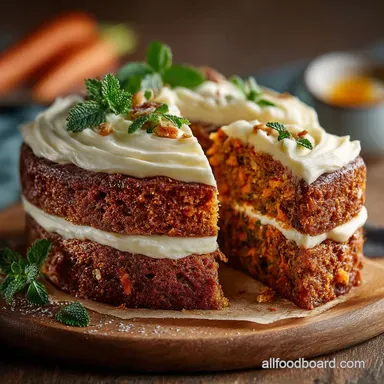
The Ultimate Stickymoist Carrot Cake with Cloudnine Cream Cheese Frosting
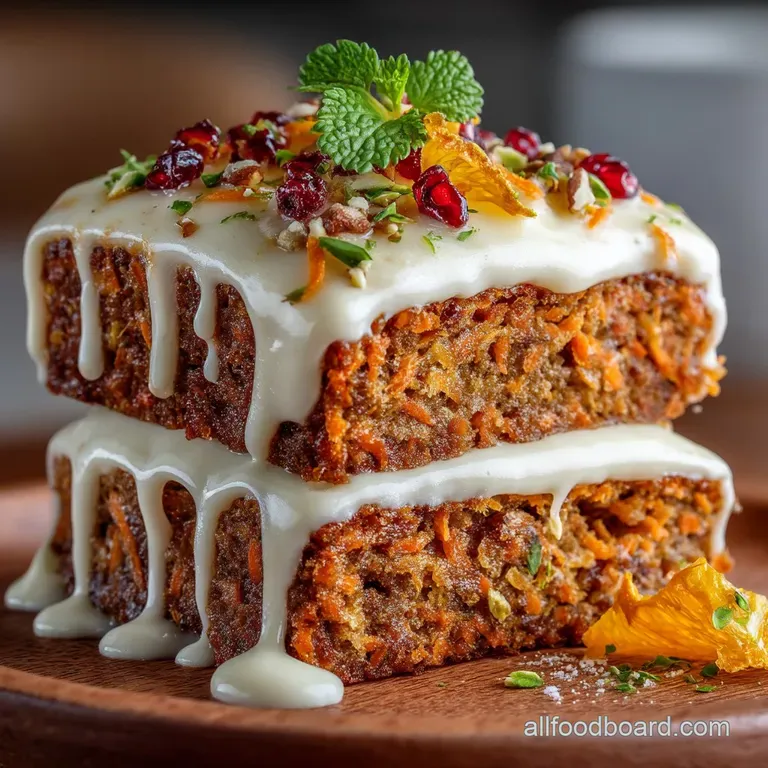
The Ultimate Sticky Moist Carrot Cake: Why This Recipe Wins
When evaluating classic Food Cakes , few inspire as much passion and demand for perfection as the beloved carrot cake. This isn't just a dessert; it’s an institution, whether served at an American diner or as a centerpiece for a proper British tea-time.
Our goal here is simple: to create the Best Carrot Cake imaginable one that delivers deep spice, a tender crumb, and unmatched stickiness. This specific carrot cake with cream cheese frosting recipe wins because it fundamentally understands the structure of oil-based cakes, prioritizing moisture retention and complex flavor layering over simple sweetness.
Solving the 'Dry Cake' Dilemma with Brown Sugar and Oil
The biggest complaint about inferior versions is a dry, crumbly texture. We combat this aggressively by relying entirely on vegetable oil rather than solid butter. Using a substantial 1 1/4 cups of oil ensures the cake remains saturated, locking in moisture long after baking.
On top of that,, we split our sweetener between granulated sugar and a full cup of packed light brown sugar. The molasses content in the brown sugar is hygroscopic meaning it naturally attracts and holds moisture, resulting in the intensely Moist Carrot Cakes texture that is essential to this recipe’s success.
It’s this sticky base that truly sets the stage.
Balancing Sweetness: The Perfect Ratio of Carrots to Spice
Achieving a truly magnificent carrot cake depends on more than just moisture; it requires a symphony of flavor. Our recipe calls for a generous three cups (350g) of finely grated carrots.
This large quantity not only contributes to the cake’s structure but also adds significant natural sweetness that complements the added sugars. To balance this earthiness, we incorporate a specific spice blend: two teaspoons of ground cinnamon paired with a full teaspoon of nutmeg and half a teaspoon of ginger.
This potent combination ensures every bite is warming and aromatic, providing the depth necessary to elevate this from a simple sweet treat to a genuinely sophisticated dessert.
Meet Your New Favorite Cream Cheese Frosting (The Cloud Nine Finish)
No definitive Carrot Cake with Cream Cheese Frosting is complete without its signature topping. This frosting is engineered to be slightly tangy, ultra creamy, and stable enough for high stacking.
We use two full blocks (16 oz) of full fat cream cheese, which provides the necessary richness and tanginess that cuts through the cake’s density. Crucially, the combination of 115g of unsalted butter and four cups of powdered sugar, when properly beaten, transforms into a luscious, cloud like consistency that is firm enough to pipe but airy enough to melt in your mouth.
Key Components for the Ultimate Carrot Cake with Cream Cheese Frosting
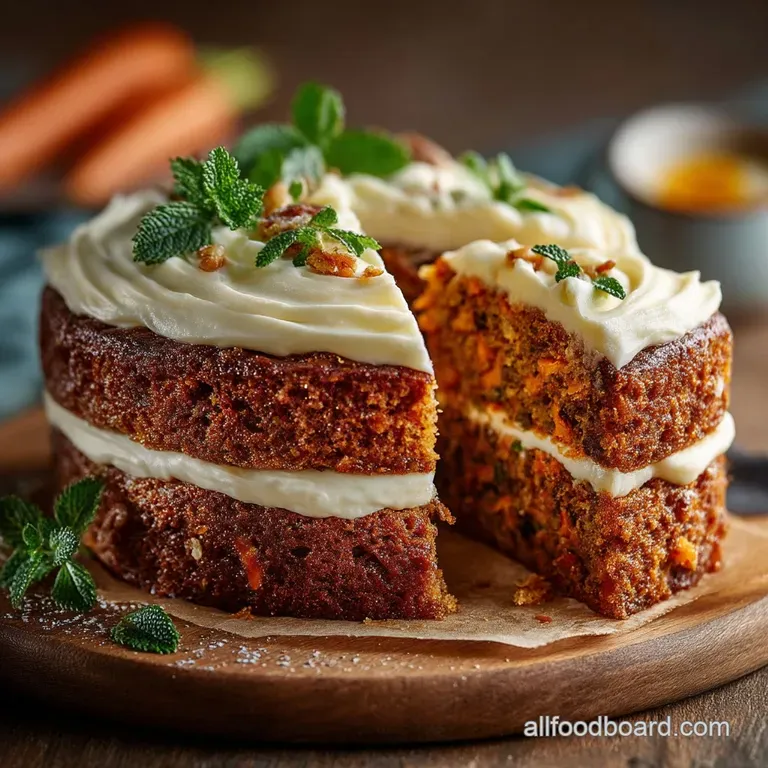
Before beginning the journey toward the ultimate sponge, ensuring you have the right components prepared is vital. This is a remarkably Carrot Cake Recipe Easy to follow, provided the initial ingredients are handled correctly.
The Must Have Ingredients for the Spiced Cake Base
For the cake base, precision in preparation is key. We rely on two cups of sifted all-purpose flour for a tender crumb. The wet component features four room temperature large eggs and two teaspoons of pure vanilla extract, whisked thoroughly with the vegetable oil to create a smooth emulsion before being introduced to the dry ingredients.
The dry mix includes the two types of sugar, the crucial two teaspoons of baking soda for lift, and one teaspoon of fine sea salt a non-negotiable ingredient that amplifies the spice profile.
Finally,, for those seeking texture, the inclusion of one cup of toasted, chopped carrot cake with cream cheese frosting and walnuts (or pecans) provides the perfect structural crunch.
Creating the Tangy, Stable Cream Cheese Topping
The structural integrity of the cream cheese frosting relies on strictly following the temperature rule. Both the 450g of full fat cream cheese and the 115g of unsalted butter must be truly at room temperature. Attempting to use cold ingredients will guarantee a lumpy, unstable frosting.
The foundation of this topping is the four cups of sifted powdered (icing) sugar, which provides the bulk and stability. A splash of vanilla extract and a quarter teaspoon of salt finish the mix, ensuring that the sweetness is grounded by a welcome salinity and tang.
Tools of the Trade: Equipment for Effortless Cake Layers
While the batter mixing can be done by hand, investing in the right equipment guarantees a professional finish. You will need two nine inch round cake tins (or eight inch, if you prefer taller slices, noting that baking time will increase).
Lining the bottoms of the pans with parchment paper is mandatory for a clean release. For the batter, a simple wire whisk and rubber spatula suffice, but for the frosting, an electric stand mixer or hand mixer is essential.
Whipping the cream cheese and butter to that velvety smooth, high volume consistency simply cannot be achieved efficiently without powered assistance.
Related Recipes Worth Trying
- NonSoggy Coleslaw Recipe The Secret to Creamy Crunchy BBQ Slaw — The ultimate creamy coleslaw dressing recipe Learn the trick to crunchy nonwatery slaw perfect for BBQ season Tangy flavourful and easy to master
- Sunday Best Keto Instant Pot Recipes Beef Stew with Umami Mushrooms — Forget the Sunday carvery queue Our Sunday Best Keto Instant Pot Recipes Beef Stew is the ultimate keto comfort food Achieve forktender meat fast This low...
- The Dogs Bollocks Creamy Chickpea Salad with Lemon and Dill This quick and easy Chickpea Salad with Lemon and Dill uses the smash technique for brilliant texture A vibrant plantbased lunch thats ready in 15 minutes
Layer by Layer: Constructing the Perfect British Tea-Time Treat
The process of constructing this classic carrot cake with cream cheese frosting is straightforward, but success is found in mastering the critical transition points especially in the mixing and cooling stages.
The Crucial Mixing Technique for Tender, Moist Layers
The mixing technique for oil-based cakes differs significantly from butter cakes. After combining the flour, sugars, spices, and baking soda in one bowl, and the oil, eggs, and vanilla in another, you pour the wet into the dry.
The crucial instruction here is to mix only until the ingredients are just incorporated. Overmixing develops the gluten, resulting in a tough, rubbery cake. Stop mixing the second the last streak of flour disappears, then gently fold in the finely grated carrots and the nuts (if using) using a rubber spatula.
This gentle touch preserves the batter’s tender potential.
Baking to Perfection: Checking the Done ness Signal
Preheat your oven to 175°C (350°F). Divide the batter evenly between the two prepared tins and slide them onto the center rack. The baking time ranges from 30 to 35 minutes.
To determine doneness, rely not on the clock but on the visual cues: the edges will pull slightly from the pan, and the top will spring back lightly when touched. The ultimate test is the wooden skewer inserted into the center it must come out entirely clean.
Allow the cakes to cool in the tins for a full 10 minutes before turning them out onto a wire rack. They must be stone cold (about an hour) before applying any topping.
Whipping Up the Dreamy, Stable Cream Cheese Frosting
Before starting, ensure your butter and cream cheese are perfectly softened. In the bowl of your electric mixer, cream the butter and cheese together on medium speed for at least three minutes, scraping down the bowl constantly. This is the stage where you eliminate all lumps and incorporate air.
Next, gradually add the four cups of sifted powdered sugar, starting on the lowest speed to prevent scattering. Once combined, increase the speed and beat for a further four to five minutes.
This extended beating time is what incorporates air, transforming the simple ingredients into a light, airy, and stable frosting ideal for a tiered carrot cake with cream cheese frosting uk style presentation.
Flawless Presentation: Stacking and Crumb Coating Secrets
If your cooled layers have domed tops, use a long serrated knife to level them flat. Place the first layer on your cake stand, cut-side up. Spread a generous third of the frosting evenly. Place the second layer on top.
If you want a truly professional finish, start with a thin layer of frosting over the entire cake the crumb coat. This seals in any loose crumbs. Chill the cake for 15 minutes, then apply the remaining thick, final layer of frosting.
The key to clean slicing is to finish by chilling the entire assembled cake for a minimum of 30 minutes.
Mastering Storage and Variations of Your Carrot Cake Creation
This classic cake is exceptional the day it’s made, but knowing how to store and adapt it ensures you can enjoy it for days or adjust it to suit any preference.
Freezing and Thawing: make-ahead Tips for Carrot Cake with Cream Cheese Frosting
One of the great advantages of baking Moist Carrot Cakes is their suitability for freezing. The high oil content protects the sponge from freezer burn and keeps it succulent. For best results, freeze the baked layers unfrosted .
Wrap each fully cooled layer tightly in cling film, then again in foil. Frozen layers keep well for up to three months. Thaw overnight in the refrigerator, then frost and assemble as usual. If you have leftovers, the assembled cake can be stored in an airtight container in the fridge for up to four days.
Troubleshooting Dry Edges and Sunken Middles
If you experience dry edges, it’s often a sign that the oven temperature was too high or the pans were not sufficiently prepared. Always ensure your oven thermometer is accurate and that your pans are properly greased, floured, and lined with parchment paper.
A sunken middle usually indicates that the cake was removed from the oven before it was fully set. Remember to wait until the skewer comes out clean, and resist the temptation to open the oven door during the first 20 minutes of baking.
Delicious Swaps: Adding Pineapple, Coconut, or Pecans
This Carrot Cake Recipe Easy structure welcomes adaptation. If you want a tropical note, fold in one cup of well drained crushed pineapple and substitute half your walnuts for shredded desiccated coconut. For a richer, darker flavor, swap the light brown sugar for dark Muscovado sugar.
If walnuts aren't your preference, pecans can be used one-for-one. Alternatively, using lightly toasted sunflower seeds offers a wonderful crunch for a nut-free version.
Navigating Dietary Needs (gluten-free and Dairy Alternatives)
For those navigating dietary restrictions, substituting up to half of the oil with unsweetened applesauce will yield a less fatty, though slightly less sticky, result. The cake base is easily adapted for gluten-free diets by swapping the all-purpose flour for a good quality 1:1 gluten-free baking blend.
Achieving a truly stable, delicious dairy-free cream cheese frosting is challenging, but using a high-quality vegan cream cheese combined with vegetable shortening (instead of butter) is your best bet, though results may vary in stability compared to the classic recipe.
Recipe FAQs
My carrot cake often comes out a bit dry. What’s the secret to getting this "Ultimate Sticky Moist Carrot Cake" texture?
The secret to avoiding a dry, tough cake a proper baking tragedy is twofold: moisture retention and gentle mixing. This recipe relies on a generous amount of vegetable oil and packed brown sugar, both excellent moisture keepers.
Crucially, stop mixing the batter the second the dry streaks disappear; overworking the gluten is the main culprit for a dry, rubbery sponge.
My cream cheese frosting always seems to turn out runny, or sometimes really lumpy. Any tips for a foolproof, cloud nine frosting?
Ah, the dreaded lumpy frosting! This is usually down to the temperature the butter and cream cheese must be genuinely soft (room temperature) so they can emulsify properly. If your finished frosting feels too soft or runny, don't panic; simply chill the bowl in the fridge for 15 minutes, then whip it again.
A bit of a cool down sets the fat and gives you that perfect, spreadable consistency.
Can I make the cake or frosting ahead of time, and how long will the finished cake keep without going dodgy?
Absolutely, you can be a clever clogs and prepare components in advance! The unfrosted cake sponges keep beautifully wrapped tightly at room temperature for 2 days or frozen for up to 3 months. However, once assembled, the Carrot Cake with Cream Cheese Frosting must be stored in the fridge due to the dairy content.
It will last happily chilled for up to 5 days, making it perfect for preparing ahead of a big tea party.
I need to make this nut-free, or perhaps slightly lower in fat. Can I swap the oil or ditch the walnuts?
You can easily omit the walnuts for a nut-free bake; if you want to keep the crunch, substitute them with roasted sunflower or pumpkin seeds. For a lower fat option, you can swap up to half the vegetable oil for unsweetened applesauce, but bear in mind this will result in a slightly lighter, less 'sticky' cake.
The oil is key to achieving that signature gooey texture.
Does the grating size of the carrots really matter, and should I squeeze out the excess moisture before baking?
Yes, the grating size is crucial to this cake’s success it’s not worth scrimping on this step! Use the fine side of your grater; finely grated carrots essentially dissolve into the cake while baking, guaranteeing maximum moisture and the desired smooth, sticky texture.
Do not squeeze the carrots, as their natural moisture is essential for keeping the sponges tender.
Ultimate Moist Carrot Cake Cream Cheese Frosting