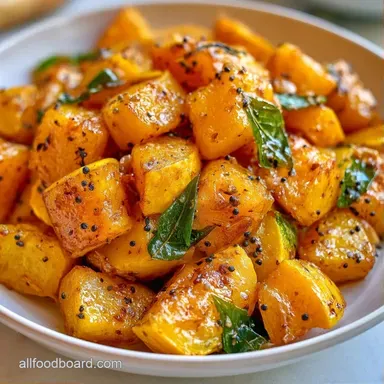
South Indian Yellow Squash Sabzi with Coconut
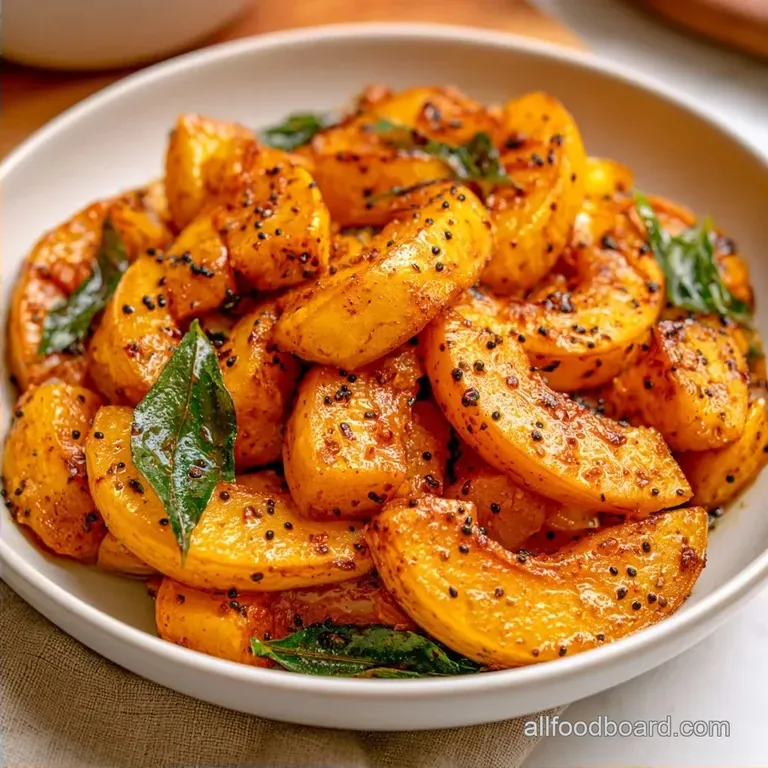
- Time: 10 min active + 25 min cook
- Flavor/Texture Hook: Nutty, tangy, and creamy
- Perfect for: A healthy weeknight side dish
Easy South Indian Yellow Squash Guide
The crackle of mustard seeds in hot oil is the only wake-up call I need in the kitchen. There's something about that rhythmic crack crack pop that promises a meal with real heart. I used to think of summer squash as a forgettable side, often steaming it until it became a bland, pale heap.
Then I tried this method. Rather than boiling the life out of the produce, we sear the vegetables and finish them with a touch of lime and coconut. It transforms a simple garden crop into something truly intentional.
If you've dealt with watery curries in the past, this South Indian Yellow Squash solves that issue. The squash stays chunky, trapping the spices on the outside, and finishes with a rich, creamy consistency that doesn't rely on heavy cream.
Why the seeds pop: Heating the oil first allows the mustard seeds to burst, releasing their pungent oils into the fat. This ensures the spice is evenly distributed across every piece of squash.
Searing for structure: Browning the squash in the pan before adding water creates a barrier. This keeps the cubes from collapsing into a porridge as they tenderize.
Recipe Specs
Using a skillet ensures the heat is direct and quick. While some prefer roasting, the stovetop technique allows for much better moisture management.
| Method | Time | Texture | Best For |
|---|---|---|---|
| Stovetop | 25 mins | Soft but intact | Fresh dinner sides |
| Oven | 40 mins | Roasted/Firmer | Big batch prep |
Here are the ingredients you'll need. Most of these are common pantry staples, but the curry leaves are what truly bring the dish to life.
Ingredient Deep Dive
The curry leaves are the standout ingredient here. They offer a nutty, herbal complexity that dried versions simply cannot replicate. If you can't find them fresh, try the freezer section of a local Indian market.
Mustard seeds and cumin form the foundation. More than just a garnish, they contribute a toasted, earthy note that balances the natural sweetness of the squash. The coconut is the finishing touch, adding a creamy richness that binds the spices together.
Yellow summer squash is the ideal choice because of its mild profile. You want a vegetable that can absorb the seasonings without overpowering the dish.
Equipment Needed
Standard kitchenware is perfectly fine for this. I prefer a basic wide skillet, but a traditional kadai is the classic option if available.
- Wide skillet or kadai (for better evaporation)
- Spatula or wooden spoon
- Chef's knife and cutting board
- Small bowl for prepping spices
Ingredients & Substitutes
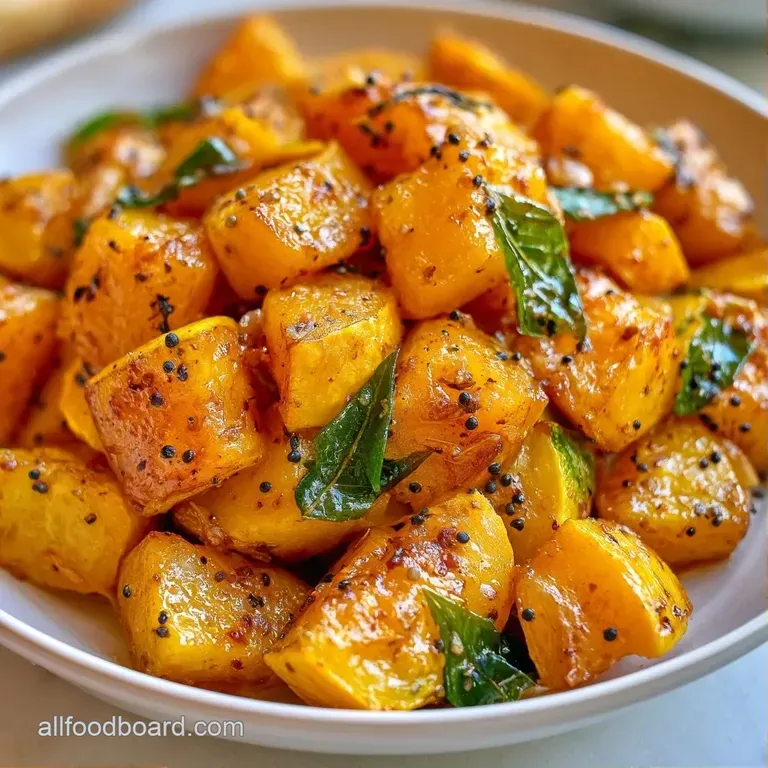
- 2 tbsp neutral oil Why this? Stable at high heat for tempering (Sub: Grapeseed oil)
- 1 tsp brown mustard seeds Why this? Sharp, pungent pop (Sub: Yellow mustard seeds)
- 1 tsp cumin seeds Why this? Earthy base (Sub: Ground cumin, though less punchy)
- 1 pinch asafoetida Why this? Savory, onion-like richness (Sub: Garlic powder)
- 12 fresh curry leaves Why this? Distinctive herbal aroma (Sub: Fresh cilantro stems)
- 2 green chilies, slit lengthwise Why this? Crisp, bright heat (Sub: Serranos)
- 1.5 lbs yellow summer squash, diced into 1 inch cubes Why this? Mild and absorbs flavor well (Sub: Zucchini)
- 1 medium onion, finely diced Why this? Sweet aromatic foundation (Sub: Shallots)
- 1 tbsp ginger garlic paste Why this? Zesty punch (Sub: Freshly grated ginger and garlic)
- 1/2 tsp turmeric powder Why this? Vibrant hue and health benefits (Sub: Mild curry powder)
- 1 tsp Kashmiri red chili powder Why this? Rich red color with mild heat (Sub: Paprika with a pinch of cayenne)
- 1 tsp salt Why this? Flavor enhancer (Sub: Sea salt)
- 1/2 cup water Why this? Creates steam for tenderizing (Sub: Vegetable broth)
- 1/2 cup unsweetened shredded coconut Why this? Nutty, creamy finish (Sub: Full fat coconut milk)
- 1 tbsp fresh cilantro, chopped Why this? Bright, fresh finish (Sub: Parsley)
- 1 tsp lime juice Why this? Zesty acidity (Sub: Lemon juice)
Key Steps
- Heat the neutral oil in a wide skillet or kadai over medium high heat until shimmering.
- Add mustard seeds and wait until they begin to pop energetically. Note: This usually takes about 30-60 seconds.
- Immediately stir in cumin seeds, asafoetida, curry leaves, and green chilies until the leaves sizzle.
- Add the diced onions and sauté until translucent.
- Stir in the ginger garlic paste and cook for 60 seconds until aromatic.
- Add the diced yellow summer squash and sear over medium high heat, stirring occasionally, until the edges are browned. Note: Ensure there is plenty of space in the pan to achieve a proper sear rather than steaming.
- Stir in the turmeric powder, Kashmiri red chili powder, and salt to evenly coat the squash.
- Pour in the water, cover, and simmer for 8-10 mins until the squash is tender but still maintains its shape.
- Stir in the shredded coconut and cook uncovered for 2-3 minutes until the liquid emulsifies into a velvety glaze.
- Remove from heat and stir in fresh cilantro and lime juice before serving.
Chef Note: If you like a bit more texture, keep the squash cubes larger. If they're too small, they'll disappear into the sauce.
Troubleshooting Guide
Dealing with the water content is the hardest part of this recipe. Squash is mostly water, so if the heat is too low, you end up with a soup.
Another common issue is the tempering. If the oil isn't hot enough, the mustard seeds just sit there and taste raw. You need to hear them pop before moving to the next step.
Dealing with Watery Squash
If the dish looks too liquid, simply take the lid off. Increase the heat to medium high for 3-5 minutes. This lets the moisture evaporate while the coconut thickens the remaining sauce.
Mustard Seeds Not Popping
This happens when the oil temperature drops. Heat the oil again until it shimmers before adding the seeds. If you've already added other ingredients, you might need to start the tempering process over in a separate small pan.
Dull Color Issues
If the yellow isn't vibrant, you might have used too much water or low quality turmeric. A tiny pinch of extra turmeric or a squeeze of lime can help brighten the visual appeal.
| Problem | Fix |
|---|---|
| Mushy squash | Increase sear time and reduce simmering water |
| Raw seed taste | Ensure seeds pop energetically before adding onions |
| Sauce too thin | Cook uncovered with coconut for 3 more minutes |
Make It Your Own
You can easily tweak this to fit what you have in the pantry. If you want a drier version, which is closer to a South Indian Squash Poriyal, omit the water entirely and cook the squash on medium heat with a splash of oil until tender.
For a vegan version, this recipe is already naturally plant based. If you want it creamier, swap the shredded coconut for 1/4 cup of thick coconut cream.
If you're using zucchini instead of yellow squash, be careful. Zucchini releases more water, so you might need to skip the added water in step 8. For a more filling meal, I've found that pairing this with soft and fluffy naan makes it feel like a complete dinner.
Decision Shortcuts: More heat? → Add 1 sliced Thai bird's eye chili Extra tang? → Increase lime juice to 1 tbsp Nuttier flavor? → Toast the shredded coconut in a dry pan for 2 mins first
Make-ahead and Leftover Tips
This dish lasts 3 to 4 days when kept chilled. Store it in a glass container with a secure lid so it doesn't absorb other smells from the fridge.
When it's time to reheat, use the stovetop over medium heat. Incorporate a teaspoon of water or a small pat of butter to loosen the sauce. I suggest avoiding the microwave, which can leave the squash feeling rubbery.
Freezing isn't recommended here. Due to its high water content, squash often becomes grainy and mushy after thawing, which isn't worth the effort.
For a zero-waste approach, keep your squash ends and onion skins. Pop them into a freezer bag to create a quick vegetable stock for future soups.
Perfect Complements
Since this dish is rich and savory, it needs something neutral to balance it out. Steamed basmati rice is the classic choice. The fluffy grains soak up that coconut glaze beautifully.
If you're looking for a more substantial meal, this South Indian Yellow Squash is a great side for chicken tikka masala. The creaminess of the curry complements the tang of the lime and coconut in the squash.
For those who prefer a lighter meal, a simple cucumber raita or a side of pickled red onions adds a cooling contrast to the spices. Just scoop it onto a plate, add a bit of rice, and you've got a family-friendly meal that feels like a treat.
Recipe FAQs
Does yellow squash pair well with curry spices?
It pairs beautifully because the mild flavor of the squash absorbs the aromatic spices. The sweetness of the vegetable balances the heat from the green chilies.
How to prepare yellow squash for this dish?
Dice the squash into 1-inch cubes. Ensure the pieces are uniform so they sear and soften at the same rate.
Is it true that summer squash must be peeled before cooking?
Actually, no. The skin is soft and edible, meaning you can save time by skipping the peeling process.
What is the best way to cook squash for maximum flavor?
Sear the cubes over medium-high heat until the edges are browned. This caramelization adds depth before simmering, similar to the flavor-building technique used in our velvety roasted tomato soup.
South Indian Yellow Squash for 4 Servings