Silky Smooth Homemade Cashew Butter: the Ultimate Pantry Staple
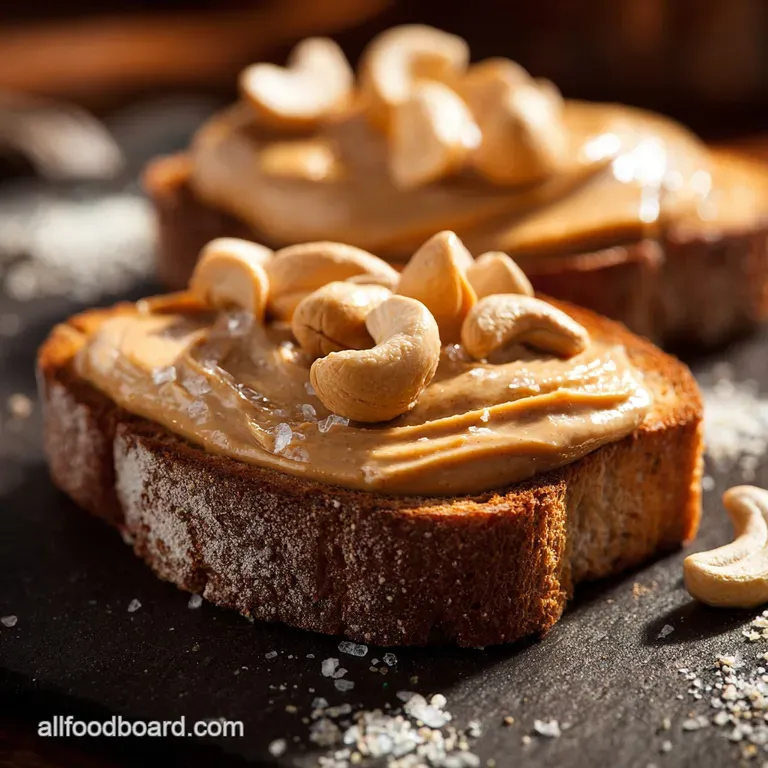
- The Transformative Power of Homemade Cashew Butter
- Mastering the Process: Why This Cashew Butter Recipe Succeeds
- Essential Ingredients and Smart Swaps for Cashew Butter
- Step-by-Step Guide: How to Make Silky Cashew Butter at Home
- Chef's Secrets: Equipment and Cashew Butter Troubleshooting
- Shelf Life and Storage: Keeping Your Homemade Spread Fresh
- Beyond Toast: Creative Ways to Use Cashew Butter
- Recipe FAQs
- 📝 Recipe Card
The Transformative Power of Homemade Cashew Butter
Have you ever walked into a kitchen right when someone finished grinding fresh nuts? That warm, deeply satisfying, slightly caramel aroma is intoxicating. Making your own cashew butter is an experience that changes everything. Seriously, ditch the bland, pricey jars from the store.
This isn't just about saving money, though you definitely will. Homemade cashew butter is incredibly easy, taking less than 20 minutes of actual machine time. It yields a creamy, naturally sweet spread that makes commercial brands taste like dusty cardboard.
It is the definition of a pantry lifesaver.
We are aiming for a texture so silky it drips off the spoon like velvet ribbon. I’m going to share all the secrets including the one mistake I used to make to guarantee your batch is perfect every time. Let's crack on.
Mastering the Process: Why This Cashew Butter Recipe Succeeds
The Magic of Two Ingredients: Purity vs. Commercial Brands
This homemade spread uses essentially two ingredients: cashews and salt. That’s it. Commercial brands often sneak in stabilisers, added sugars, or unnecessary oils to extend shelf life or mask lower quality nuts. We don't need any of that nonsense here.
When you control the process, you control the flavor and the nutritional integrity. Your kitchen is the only factory this luscious butter needs.
Unlocking the Silky Texture: Roasting vs. Raw Cashews
This is the non-negotiable step: light roasting is essential. Roasting slightly dries out the cashews, which helps them release their natural oils faster during blending. It’s also crucial for developing that complex, deep cashew flavor.
Trust me, raw cashew butter tastes bland and slightly metallic in comparison.
Nutritional Benefits of Cashew Butter
Cashews are packed with healthy fats, which is what gives the butter its satisfying texture. They also offer a decent punch of plant based protein and fiber. This makes cashew butter an excellent, sustaining spread for toast or adding bulk to your morning smoothie.
It's a far healthier swap than many traditional breakfast spreads.
Understanding the Stages of Nut Grinding
Patience is not optional when making any nut butter. The cashews will go through four distinct phases, and quitting early is the number one reason people fail. First, you get powder; then a thick, crumbly paste; followed by a terrifying, hard ball rolling around the blade.
Finally, the oils suddenly release, and voila —creamy, pourable butter.
You must push through the dreaded sticky ball phase.
The Maillard Reaction: Deepening Nut Flavor
When we lightly toast the cashews, we trigger the Maillard reaction. This chemical process is why toasted bread tastes better than plain bread and why roasted nuts are superior to raw ones. It creates hundreds of complex, savory flavor compounds.
This reaction is what separates good homemade cashew butter from great homemade cashew butter.
Preventing the Dreaded Gritty Texture
Grittiness happens for two reasons: either the machine wasn't strong enough or, more likely, you didn't process it long enough. If the nuts haven't turned into a perfectly smooth, warm liquid, the process isn't finished. Do not stop when it looks like thick peanut butter.
We are aiming for near pourable silkiness.
Essential Ingredients and Smart Swaps for Cashew Butter
| Ingredient | Role | Viable Substitute/Swap |
|---|---|---|
| Raw Cashews | The base, oil source. | Lightly roasted, unsalted cashews (reduce roasting time by 3 mins). |
| Fine Sea Salt | Flavor enhancer/balancer. | Kosher salt (use slightly less) or omit entirely for specific savoury sauces. |
| Neutral Oil (Optional) | Thinner consistency. | Melted coconut oil (will firm up when chilled) or avocado oil. |
| Maple Syrup | Sweetener (Optional). | Honey, date syrup, or agave nectar. |
Selecting the Perfect Raw Cashews
Always start with raw, unsalted cashews. Buying the already roasted and salted versions complicates things because you can't control the toasting level or the initial salt content. Look for whole cashews, as pieces and splits can sometimes include more broken bits that affect texture.
They are the canvas for your perfect DIY cashew butter .
Should I Add Oil? Pros and Cons
I prefer making plain cashew butter because the cashews release plenty of fat naturally. However, if you want a super run-off-the-spoon consistency perfect for drizzling over oatmeal or stirring into a Thai curry base you can add a tablespoon or two of neutral oil at the end.
Oil can also prevent a tiny bit of natural separation, but it's not strictly necessary.
Optional Flavor Enhancements (Salt, Vanilla, Cinnamon)
You absolutely must add salt; it makes the sweetness of the cashews pop. If you are serving this alongside something sweet, like a slice of [Blueberry Pie Recipe: The Secret to a Flaky All-Butter Crust], you might want to lean into flavors like vanilla bean or cinnamon.
A few easy additions at the end:
- 1/2 tsp vanilla extract
- 1 tsp ground cinnamon
- 1 Tbsp maple syrup (added after the butter is smooth)
Troubleshooting Ingredient Ratios
The ratio of cashews to fat is fixed by nature. The only ratio you need to worry about is the salt. If you accidentally overshoot the salt, try processing another 1/2 cup of plain, warm, roasted cashews into the batch to dilute the flavor.
If the batch is too thick for your liking, a splash of oil will fix the issue immediately.
step-by-step Guide: How to Make Silky Cashew Butter at Home
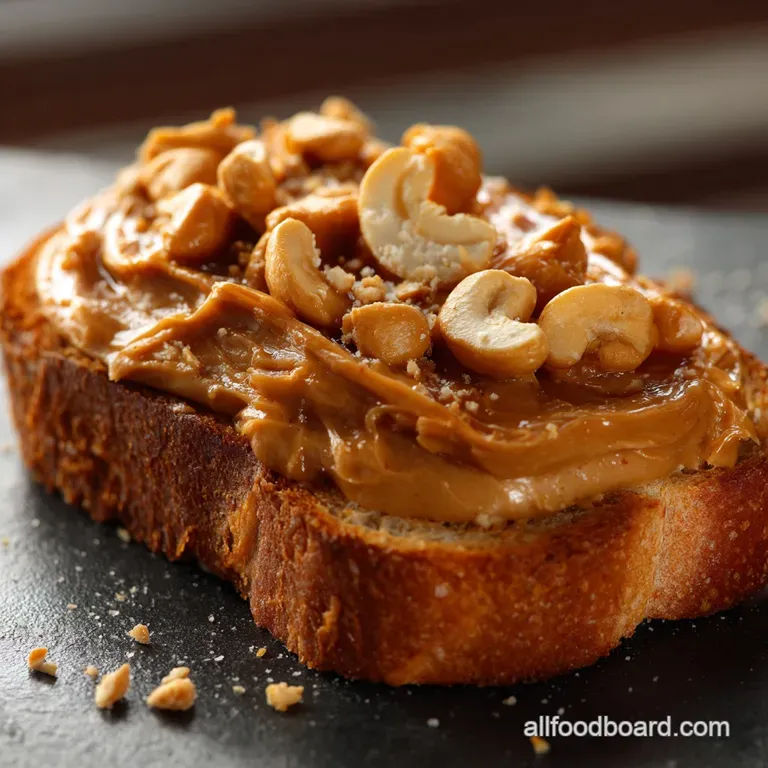
The Crucial Roasting Preparation Stage
- Preheat your oven to 350°F (175°C) and line a sheet pan.
- Spread the pound of raw cashews in a single layer; crowding them leads to uneven roasting.
- Bake for 8 to 10 minutes. Set a timer for 7 minutes, because ovens vary wildly. The goal is fragrant and lightly golden they should smell richly nutty, but stop before they brown aggressively.
- Let them cool slightly for five minutes. They need to be warm when they hit the food processor.
Processing Protocols: Resting the Machine (Timing is key)
- Transfer the warm cashews to your food processor fitted with the S-blade.
- Process continuously. After 1 minute, you have a sandy powder. After 4 minutes, you have a thick paste.
- Around the 6 to-8 minute mark, the mixture will pull away from the sides and form that infamous sticky ball. Do not panic!
- If the machine begins to smell hot or struggles, turn it off immediately.
Chef's Note: You must give your machine a rest if it sounds strained, or you will burn out the motor. Letting it rest for 5 minutes allows the motor and the nuts to cool down, preventing burnt, bitter tasting butter.
Achieving the Drip Test Consistency
- Continue processing past the ball stage, usually another 5 to 10 minutes. Suddenly, the oil will fully release, and the mixture will smooth out, transforming into liquid gold.
- Keep blending for another 2 minutes until it looks luxuriously thin and is slightly warm to the touch. This guarantees maximum smoothness.
Infusing Optional Flavorings Post Processing
- Stop the machine and scrape down the sides one last time.
- Add your salt, optional sweetener, and any extracts (like vanilla).
- Process for a final 30 seconds to incorporate. Taste test! This is your chance to adjust the salt or add that optional tablespoon of neutral oil if you want it runnier.
Chef's Secrets: Equipment and Cashew Butter Troubleshooting
Food Processor vs. High Powered Blender: Which is Best?
For larger batches of homemade cashew butter , a sturdy food processor is the clear winner. The large bowl and wider blade action handle the volume better, and the motors are often designed for that sustained friction.
While high powered blenders can work, they often struggle with a sticky ball phase unless you are making a huge batch.
Fixing a Stiff or Dry Batch
Did you forget to toast the nuts, or did you let them cool down too much? If your final butter is too thick, simply stream in one tablespoon of neutral oil while the machine is running. If it's merely stiff from sitting, give it a quick 30 second pulse in the food processor to warm it up.
Preventing Overheating and Burnt Flavors
This comes down entirely to monitoring your equipment. The constant friction generates heat. If the lid of your food processor feels very hot, or if you detect a metallic odor, stop immediately. Resting the machine for 10 minutes is a simple fix that prevents ruin.
A bitter or burnt taste means the motor heated the oil too much there's no way to fix that batch, sadly.
Shelf Life and Storage: Keeping Your Homemade Spread Fresh
Refrigeration vs. Pantry Storage: Shelf Stability
Because cashews have such a high oil content, your fresh batch is surprisingly stable. You can store your cashew nut butter recipes in a cool, dark pantry for about 2 3 weeks. For longer storage, refrigeration is best.
Just be aware: refrigeration causes the butter to firm up significantly, so let it sit on the counter for 30 minutes before spreading.
The Best Jars for Long Term Storage
Always use clean, sterilised jars. Just like when I'm prepping for a big holiday and need a sturdy vessel for my [Perfect Pie Crust: Foolproof, Flaky All-Butter Recipe], a properly sterilised jar prevents mold and extends the shelf life immensely. Glass jars with tight fitting metal lids are ideal.
Freezing Cashew Butter for Extended Use
But does it freeze well? You bet it does. If you made a massive batch (which I encourage!), pour it into freezer safe containers, leaving about an inch of headspace. It will keep beautifully for 3 to 4 months. To use, just transfer it to the fridge overnight, then give it a good stir once thawed.
Beyond Toast: Creative Ways to Use Cashew Butter
Once you taste this smooth, rich cashew butter , you will look for excuses to use it. It's fantastic for thickening smoothies, of course, and makes a killer drizzle over baked goods.
- Protein Balls: Use it as the binding base for no-bake energy bites.
- Nutty Dip: Stir 1/4 cup of the butter with a drizzle of soy sauce, a little lime juice, and some minced [oven-roasted Garlic: The Easy Way to Get Buttery, Sweet Garlic Gold]. It makes the ultimate savory dipping sauce for veggies or spring rolls.
- Thickening Agent: Use it in place of cream in vegan soup recipes or stir a spoonful into your hot oatmeal for intense richness.
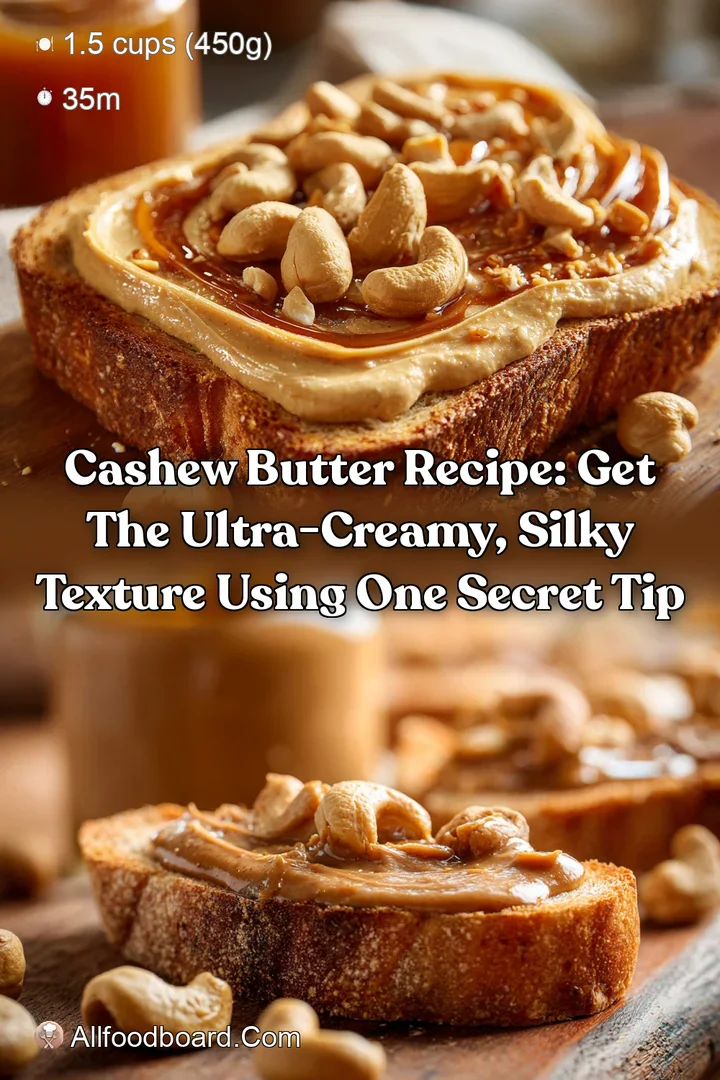
Recipe FAQs
Why is my cashew butter taking forever to turn silky smooth?
Patience is the single most important ingredient when making nut butter, as the nuts go through distinct stages: coarse crumbs, sticky paste, and finally, liquid butter. If your food processor seems to stall or the process is slow, stop the machine every minute and scrape down the sides vigorously to help redistribute the nuts and prevent overheating the motor.
My cashew butter seems stiff or too thick; what should I do?
If the cashews were not processed long enough to fully release their stored oils, the butter can feel dense or dry. Try adding a tablespoon of neutral oil, such as grapeseed, coconut, or even refined olive oil, while the machine is running until you achieve your desired loose, silky consistency.
Is toasting the cashews mandatory, and what benefit does it provide?
While technically optional, toasting the cashews is highly recommended as it deepens the nut flavor significantly, lending complexity that raw cashews lack. Furthermore, the mild heat helps dry the cashews slightly, which encourages the natural oils to release more readily during processing, speeding up the overall creation time.
How long does homemade cashew butter last, and where should I store it?
For the best quality and longest lifespan, store your cashew butter in an airtight container in the refrigerator, where it will remain fresh for 3 to 4 weeks. You may also store it at cool room temperature for quicker access, but refrigeration is preferred to prevent the oils from turning rancid over time.
Can I use a regular blender instead of a food processor?
A high powered blender can successfully make nut butter, but you may need to use the tamper attachment or scrape the sides more frequently than with a food processor. Be mindful of the motor, as blenders can overheat quickly during the thick, sticky paste phase; process in short bursts to manage the temperature.
What are some simple ways to create flavor variations?
You can easily customize the flavor by incorporating ingredients once the butter is already smooth. Try adding a pinch of flakey sea salt, a teaspoon of maple syrup and cinnamon for a spiced variety, or a tablespoon of cocoa powder for a quick chocolate cashew spread.
Can I freeze cashew butter for long term storage?
Yes, cashew butter freezes very well, making it ideal for bulk preparation. Place the butter in a freezer safe, airtight container, and it will remain fresh for up to three months; simply thaw it in the refrigerator and give it a vigorous stir to reintegrate the oils before serving.
Silky Smooth Homemade Cashew Butter
Ingredients:
Instructions:
Nutrition Facts:
| Calories | 190 kcal |
|---|---|
| Fat | 16 g |
| Fiber | 1 g |
