Silky Roasted Butternut Squash Soup with Brown Butter and Crispy Sage
- Mastering the Ultimate Roasted Butternut Squash Soup
- The Science of Silky Smoothness: Why This Recipe Is Different
- Essential Ingredients for the Best Roasted Butternut Squash Soup
- Step-by-Step: Crafting Your Velvety Roasted Butternut Squash Soup
- Chef's Secrets: Troubleshooting and Perfecting Your Batch
- Storage Solutions: Keeping Your Soup Fresh (and Freezing Guide)
- Beyond the Bowl: Ideal Pairings for This Elegant Soup
- Recipe FAQs
- 📝 Recipe Card
Mastering the Ultimate Roasted Butternut Squash Soup
When the weather turns crisp and the air smells like woodsmoke, I live for the deep, complex aroma of caramelized vegetables wafting through the house. That incredible smell is the promise of this Roasted Butternut Squash Soup.
It delivers a texture that is unbelievably silky, almost like liquid velvet hitting your spoon, and it is pure comfort food genius.
Honestly, this recipe is a total lifesaver during those busy fall evenings when you need something nourishing but don't have hours to stand over the stove. Most of the cook time is completely passive, letting the squash happily caramelize in the oven.
It's cheap, uses simple pantry staples, and tastes far more luxurious than it has any right to.
Forget those sad, watery boiled soups you might have suffered through in the past. We are focusing entirely on maximum flavor concentration and deep savory notes, transforming the humble squash into an elegant meal.
Let's dive in and get this ultimate, deeply satisfying Roasted Butternut Squash Soup perfected for your kitchen.
The Science of Silky Smoothness: Why This Recipe Is Different
This isn't just another dump and simmer soup; this is about maximizing the inherent sweetness and complexity of the ingredients before they even touch the broth. The key is concentration. We don't want watery squash; we want dense, sweet flavor bombs.
Why Roasting Changes Everything: Flavor Concentration
Roasting is the critical technique that separates a good butternut squash soup from a truly great one. Boiling just dilutes the flavor, giving you a vague sweet vegetable taste. When you roast the squash, the high heat triggers the Maillard reaction, caramelizing the natural sugars and creating hundreds of new, complex flavor compounds.
This means your finished soup tastes inherently deeper, nuttier, and exponentially sweeter without adding extra sugar.
A Quick Look at Difficulty and Prep Time
While peeling a butternut squash can feel like a wrestling match, the rest of this recipe is shockingly simple. I rate the difficulty as Easy Medium, primarily because of that initial prep. Once the squash is diced (my tip below helps!), it's basically hands off cooking and blending.
The small amount of active time you spend chopping pays massive dividends in flavour.
Equipment You Will Need
You don’t need much fancy gear, but a few things make this process foolproof.
- Large Roasting Tray (for caramelization)
- Large Stock Pot or Dutch Oven
- High Speed Blender: This is crucial if you want the truly velvety, professional level texture.
- Immersion Blender (a good substitute, but takes longer)
- Sharp Chef’s Knife and a sturdy Vegetable Peeler
Achieving Deep Flavor through Maillard Reaction
The goal is browning, not steaming. To ensure maximum Maillard reaction, make sure your squash cubes are spread in a single layer on the sheet pan. If you overcrowd the pan, the steam that escapes the vegetables gets trapped, resulting in a mushy, pale result instead of that beautiful golden brown caramelization.
Chef's Note: Don't be afraid of a little char! Those deep golden edges are where all the nutty flavor lives.
The Secret Ingredient: Balancing Sweetness with Apple and Ginger
This is the trick I learned years ago that transformed my recipe. We roast a chopped apple right alongside the squash. The apple lends a subtle, floral sweetness and a hint of pectin, which naturally helps thicken the soup during blending.
The fresh ginger adds an incredible warmth and complexity, cutting through the richness of the squash and cream.
When I first started, I added too much ginger, and the soup tasted like a terrible cough remedy. Trust me, one teaspoon of finely grated fresh ginger is the perfect amount of warming spice.
The Garnish that Elevates: Brown Butter and Crispy Sage
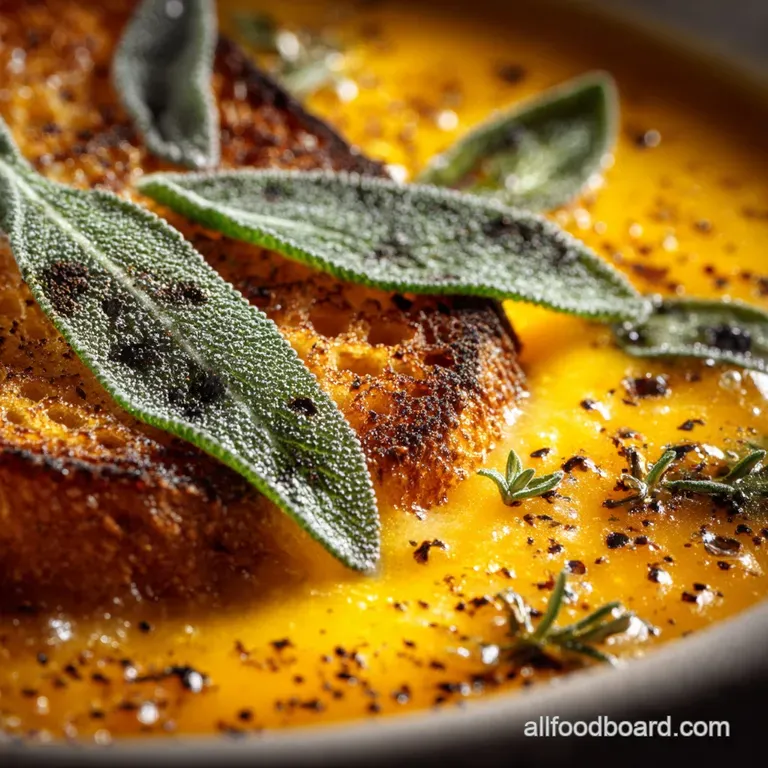
A simple drizzle of olive oil is fine, but the combination of brown butter and crispy sage is what elevates this dish from simple comfort food to dinner party elegance. Brown butter (or beurre noisette ) adds a nutty, toasted depth that complements the roasted squash perfectly.
The fried sage leaves provide a delicate texture and a fragrant, earthy pop.
Essential Ingredients for the Best Roasted Butternut Squash Soup
Every ingredient plays a vital role in achieving that complex, balanced flavor profile. Here are the core players and smart substitutes if you're missing something.
| Ingredient | Role in Soup | Viable Substitution |
|---|---|---|
| Butternut Squash | The Star. Sweetness, Body, Texture. | Try Kabocha Squash or Sweet Potatoes (adjust roasting time). |
| Sweet Apple (Gala, Honeycrisp) | Sweetness and subtle acidity. | 1 Tbsp Maple Syrup or Honey added after blending. |
| Fresh Ginger | Warmth and spice balance. | 1/4 tsp Ground Dried Ginger (add with stock). |
| Heavy Cream | Richness and Silky finish. | Full Fat Coconut Milk or Cashew Cream (for vegan). |
| Vegetable Stock | Liquid base. | Low-sodium Chicken Stock (if not vegetarian) or filtered water + 1 bouillon cube. |
| Unsalted Butter | Garnish/Brown Butter. | Coconut oil or Ghee (for higher smoke point/dairy-free). |
Choosing the Perfect Butternut Squash
Look for squash that feels heavy for its size and has smooth, matte skin. Avoid any squash that has deep green markings or is overly shiny, as that might indicate it was harvested too early. The best flavor comes from those that are a deep, uniform tan color.
The Role of Fresh Ginger and Sage
Fresh ginger is a must here. Dried ground ginger is fine if you're in a pinch, but the vibrant, citrusy kick of fresh grated ginger brightens the entire soup. As for the sage, don't use dried! The crispy fresh sage leaves are essential for texture and aroma in the final garnish.
Liquid Options: Broth vs. Water and Cream/Milk
I always recommend warm, low-sodium vegetable stock. Using warm stock prevents the vegetables from losing heat and slows down the cooking process. Water is acceptable, but you will need to add more salt and potential seasoning like dried herbs to compensate for the lost depth.
For the finish, heavy cream gives the best richness, but whole milk or half and half works well if you want a lighter result.
Making it Vegan: Swapping Dairy and Butter
This soup is incredibly easy to make fully vegan without sacrificing any of the creamy texture. Swap the heavy cream for full fat coconut milk (the kind in a can, not the carton!). It adds a subtle sweetness and tropical richness that pairs perfectly with the squash and ginger.
For the brown butter garnish, substitute a high-quality, nutty olive oil or toasted pumpkin seed oil.
step-by-step: Crafting Your Velvety Roasted Butternut Squash Soup

Follow these steps closely for the best results. Safety first, especially when blending!
Prep and Roasting the Squash and Apple
- Prep: Preheat your oven to 400°F (200°C). Peel, seed, and dice the butternut squash into 1 inch cubes. Core and roughly chop the apple.
- Season: Toss the squash and apple with 2 Tbsp olive oil, salt, and pepper directly on the sheet pan. Spread everything into a single layer— do not overlap the pieces!
- Roast: Bake for 30– 35 minutes. You'll know they are ready when the edges are turning deep golden brown and a fork easily slides through the squash flesh.
Simmering and Blending for Maximum Silky Texture
- Aromatics: While the squash roasts, sauté the chopped onion in 1 Tbsp olive oil until soft and translucent. Add the smashed garlic and grated ginger, cooking for just 60 seconds until you smell that lovely, nutty aroma.
- Marry Flavors: Add the roasted squash and apple mixture to the pot. Pour in the warm vegetable stock and simmer gently for 10 minutes, allowing the roasted flavors to deepen in the liquid.
- Blend Safely: Remove the pot from the heat and let it cool slightly for at least 10 minutes. Working in batches, carefully transfer the mixture to a high speed blender. Hold the lid down firmly with a folded kitchen towel to account for steam pressure, then blend on high until perfectly smooth and velvety.
- Finish: Return the blended soup to the pot. Stir in the heavy cream and a tiny pinch of nutmeg. Warm through gently.
Preparing the Brown Butter and Sage Finish
- Brown the Butter: Melt the 2 Tbsp of butter in a small pan over medium heat. It will foam up dramatically, then subside. Keep cooking until you see small, brown flecks form at the bottom of the pan and the butter smells intensely nutty, like hazelnuts.
- Crisp the Sage: Immediately toss the fresh sage leaves into the hot brown butter. Fry for just 10 15 seconds until they turn brittle and dark green. Pull the pan off the heat right away to prevent burning.
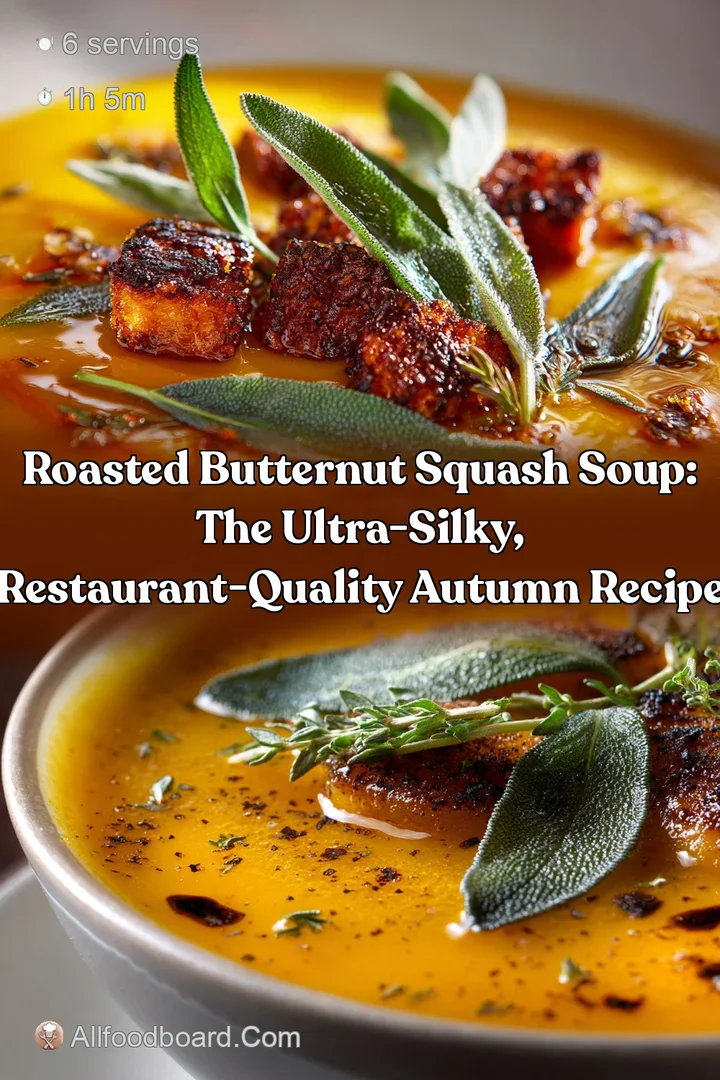
- Serve: Ladle the soup into bowls, drizzling the rich brown butter (make sure you get those nutty solids!) over the top. Garnish with a crispy sage leaf or two.
Adjusting Seasoning and Consistency
This soup can sometimes taste sweet but "flat." If that happens, don't just reach for the salt shaker. Try adding a small squeeze of fresh lemon or lime juice (about half a teaspoon). Acid brightens all the flavors and balances the earthiness of the squash beautifully.
If the soup is too thick, simply whisk in a bit more warm stock until it reaches your desired consistency.
Chef's Secrets: Troubleshooting and Perfecting Your Batch
My #1 Tip for Hassle Free Squash Peeling
The greatest barrier to making this soup is fighting that hard skin. If you struggle, grab a fork and pierce the whole squash aggressively several times. Microwave it on high for 3– 4 minutes.
This softens the skin dramatically , making the peeling process safe, quick, and simple with a vegetable peeler. Trust me, this is a game changer.
Fixing a Grainy or Thin Soup
If your soup is grainy, it means your blender didn't run long enough, or you used an immersion blender that couldn't handle the job. The fix? Pour the soup back into the blender in small batches and blend on the highest setting for a full 90 seconds.
If it's too thin, simmer it gently, uncovered, for 10- 15 minutes to allow some of the excess moisture to evaporate.
Maximizing the Flavor of Crispy Sage
The sage needs very hot, newly browned butter to crisp properly. Make sure the butter is foaming and sizzling right before you add the leaves. Once they hit the pan, they only need seconds.
Remove them right away and transfer them to a paper towel so they stay crisp, otherwise they will absorb too much fat and become soggy.
Storage Solutions: Keeping Your Soup Fresh (and Freezing Guide)
This Roasted Butternut Squash Soup is an amazing candidate for meal prep. It actually tastes even better the next day after the flavors have fully married in the fridge!
Refrigeration and Reheating Instructions
You can store the soup base (without the cream or the brown butter garnish) in an airtight container in the refrigerator for up to 5 days. When reheating, use the stovetop over medium low heat. Do not boil the soup.
Stir in the heavy cream right before serving, and then prepare the brown butter garnish fresh.
Can I Freeze Butternut Squash Soup?
You bet! This recipe freezes wonderfully, but there is one rule: freeze it before adding the heavy cream. Dairy products tend to separate and become slightly gritty when thawed from frozen.
Let the soup cool completely, then transfer it to freezer safe bags or containers (leaving an inch of headspace if using containers). It will last perfectly for up to 4 months.
Best Containers for Long Term Storage
For freezing, use heavy duty Ziploc bags laid flat on a baking sheet until solid; they save space beautifully. For refrigeration, glass Pyrex containers with tight fitting lids work best. Thaw the frozen soup overnight in the fridge, then gently reheat and stir in the cream as you bring it up to serving temperature.
Beyond the Bowl: Ideal Pairings for This Elegant Soup
This Silky Roasted Butternut Squash Soup is hearty enough to be the main course, but it plays well with others, too.
For a comforting fall spread, I love pairing this soup with a savory pastry. Try making small batches of Fall Appetizers: Flaky Butternut Squash Puffs with Whipped Feta — the flaky texture and salty feta contrast the soup's sweetness beautifully.
If you’re looking for other deep, warming soups to rotate into your repertoire, check out my recipe for a robust and satisfying Black Bean Soup Recipe: The Deep Flavoured Cuban Frijoles Negros Classic .
Serve the soup with a grilled cheese sandwich on artisan bread or a large, vibrant salad topped with goat cheese and toasted pecans. The richness of the soup needs something sharp or acidic to cut through it. For a perfect dinner pairing, a simple glass of dry cider is just brilliant.
Recipe FAQs
Can I make this soup vegan or dairy-free?
Yes, absolutely. Replace the heavy cream with full fat coconut milk or a neutral cashew cream for similar richness. For the sophisticated brown butter and sage garnish, substitute a high-quality vegan butter and follow the browning instructions carefully.
Do I have to roast the butternut squash, or can I boil/steam it?
Roasting is essential for achieving the deep, nutty, and concentrated flavor profile that makes this recipe so exceptional. Boiling or steaming introduces too much water, resulting in a thin, diluted flavor profile as it prevents the necessary caramelization of the squash's natural sugars.
Why isn't my soup perfectly silky smooth, and how can I fix a grainy texture?
If the soup is grainy, it usually means the vegetable matter was not fully broken down; blend it for at least 60 to 90 seconds longer in a high powered blender. If you are using an immersion blender, work in small batches, or for a restaurant quality finish, pass the final blended soup through a fine mesh sieve.
My finished soup tastes bland or too watery. How do I fix the flavor?
The most common issue is inadequate seasoning, as squash requires generous amounts of salt to truly make its flavor pop; add salt gradually until the soup brightens. If the issue is thinness, simmer the soup uncovered for an extra 10 to 15 minutes to allow excess moisture to evaporate and concentrate the flavor.
How long can I store leftovers, and can I freeze this soup?
Leftovers can be stored in an airtight container in the refrigerator for up to 4 days. This soup is excellent for freezing; cool it completely, transfer it to freezer safe containers leaving headspace, and it will keep wonderfully for up to 3 months.
What is the secret to getting the perfect brown butter without burning it?
Always use a light colored pan so you can clearly monitor the color changes in the butter solids. Heat the butter over medium heat until it foams vigorously, then wait until the foam subsides and tiny amber specks form at the bottom while emitting a rich, nutty aroma then immediately remove it from the heat.
I don't have butternut squash. What is a good substitute?
You can successfully substitute other dense, sweet winter squash varieties like sugar pumpkin (not jack-o'-lantern), kabocha, or honeynut squash. Ensure you adjust the roasting time accordingly, as smaller squash varieties will cook faster than a large butternut squash.
Silky Roasted Butternut Squash Soup

Ingredients:
Instructions:
Nutrition Facts:
| Calories | 541 kcal |
|---|---|
| Protein | 8.1 g |
| Fat | 26.8 g |
| Carbs | 57.5 g |
